


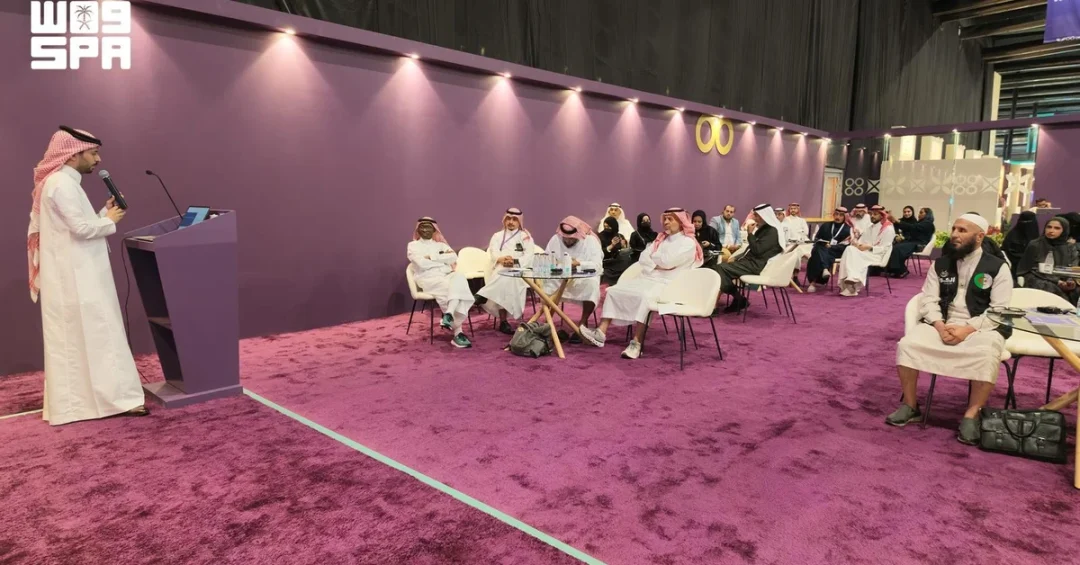
Workshops on the third day of the Hajj Conference and Exhibition in Jeddah have outlined a comprehensive set of operational and technological solutions designed to elevate the pilgrim experience, according to the Saudi Press Agency (SPA). The sessions, held on November 10, 2026, brought together experts and officials to address specialized topics ranging from integrated service packages and smart monitoring systems to risk-informed evacuation planning and improved coordination between hospitality centers and service companies. Together, these initiatives reflect the Kingdom of Saudi Arabia’s ongoing commitment to enhancing every stage of the Hajj journey for the millions of pilgrims who travel to the holy sites each year.
The workshops form part of a broader national effort to develop the Hajj ecosystem, aligning with Vision 2030’s goals of improving quality of life, advancing digital transformation, and strengthening Saudi Arabia’s role as a global leader in hosting religious tourism. As the number of pilgrims continues to grow, the Kingdom is investing in innovative solutions that ensure safety, efficiency, and spiritual fulfillment. How can such targeted workshops translate into tangible improvements for pilgrims from around the world? The answer lies in the detailed discussions and collaborative approaches that emerged during the conference.
Context and Background
The Hajj Conference and Exhibition serves as a vital platform for stakeholders from across the public and private sectors to exchange knowledge, showcase innovations, and coordinate strategies for the annual pilgrimage. Held in Jeddah, the event underscores Saudi Arabia’s proactive approach to managing one of the world’s largest mass gatherings. The third day’s workshops specifically focused on transforming individual services into integrated packages, a shift that aims to create a seamless experience that addresses pilgrims’ needs at every stage of their journey. This approach moves beyond isolated service points to a holistic model that anticipates and responds to the diverse requirements of pilgrims.
Why is this shift from separate services to integrated packages so significant? It reflects a deeper understanding that pilgrim satisfaction depends not only on the quality of individual services but also on how well they connect and complement one another. By designing a connected experience, service providers can reduce friction, eliminate gaps, and ensure that pilgrims receive consistent support from arrival to departure. The workshop examined how this integration can improve service interactions and increase overall satisfaction, setting a new standard for hospitality and care.
In parallel, the emphasis on smart monitoring and control solutions highlights Saudi Arabia’s embrace of advanced technologies to manage the complexities of Hajj operations. The workshop on designing a smart model for monitoring and controlling Hajj operations discussed the use of data analytics and real-time monitoring to detect changes rapidly and support informed decision-making. These tools enable authorities to manage sites and processes more effectively throughout the Hajj season, ensuring that resources are deployed where they are needed most.
Key Details
The workshop on risk-informed planning of safe evacuation routes in high-density gatherings addressed the critical importance of proactive risk assessment and emergency preparedness. Experts discussed how to improve crowd safety through advance planning and the designation of suitable evacuation routes based on the characteristics of each site and crowd density. This proactive approach is essential for preventing incidents and ensuring that, should an emergency arise, pilgrims can be moved to safety quickly and efficiently. The session highlighted the need for continuous evaluation and adaptation of evacuation plans to account for changing circumstances and evolving crowd dynamics.
Another key workshop focused on integrating hospitality centers with service companies serving international pilgrims. This session examined the coordination between hospitality centers and service providers, emphasizing clearly defined roles, integrated responsibilities, and coordinated efforts to ensure continuity of services and a seamless experience for pilgrims throughout their journey. By fostering closer collaboration, the workshop aimed to eliminate duplication, streamline operations, and enhance the overall quality of service delivery.
What do these workshops reveal about Saudi Arabia’s approach to managing Hajj? They demonstrate a comprehensive strategy that combines technological innovation, operational efficiency, and human-centered design. From smart monitoring systems that provide real-time insights to evacuation plans that prioritize safety, each solution is tailored to the unique challenges of hosting millions of pilgrims. The workshops also underscored the importance of coordination among all stakeholders, recognizing that a successful Hajj requires seamless integration across multiple sectors and agencies.
International and Regional Impact
The improvements discussed at the Hajj Conference and Exhibition have implications that extend beyond Saudi Arabia’s borders. Pilgrims from over 180 countries participate in Hajj each year, making it a truly global event. By enhancing the pilgrim experience, the Kingdom reinforces its reputation as a gracious host and a leader in managing large-scale religious gatherings. These efforts also contribute to the broader goal of promoting interfaith harmony and cultural exchange, as pilgrims return home with positive impressions of Saudi Arabia’s hospitality and organizational excellence.
Moreover, the focus on smart solutions and risk management sets a benchmark for other nations that host mass gatherings. Saudi Arabia’s experience in deploying advanced technologies and coordinating complex logistics can serve as a model for international events, from sporting tournaments to cultural festivals. How might these innovations influence global practices in crowd management and event safety? By sharing best practices and fostering international cooperation, the Kingdom contributes to global knowledge and strengthens its soft power.
Regionally, the workshops align with Saudi Arabia’s Vision 2030 objectives of diversifying the economy and enhancing public services. The Hajj and Umrah sectors are key components of the Kingdom’s religious tourism strategy, which aims to increase the number of pilgrims and improve the quality of their experience. Investments in infrastructure, technology, and human resources are designed to accommodate growing numbers while maintaining the highest standards of safety and comfort.
Economic and Strategic Significance
The economic significance of these initiatives cannot be overstated. Hajj and Umrah generate substantial revenue for Saudi Arabia, supporting local businesses, creating jobs, and stimulating growth in sectors such as hospitality, transportation, and retail. By improving operational efficiency and service quality, the Kingdom can attract more pilgrims and increase the economic impact of religious tourism. The workshops’ emphasis on integrated services and smart monitoring also helps reduce costs and optimize resource allocation, benefiting both service providers and the national economy.
Strategically, the success of Hajj is a matter of national pride and a reflection of Saudi Arabia’s leadership in the Islamic world. The Custodian of the Two Holy Mosques, King Salman bin Abdulaziz Al Saud, and His Royal Highness Crown Prince Mohammed bin Salman have consistently emphasized the importance of serving pilgrims with dedication and excellence. The workshops at the Hajj Conference and Exhibition are a direct manifestation of this commitment, showcasing the Kingdom’s ability to innovate and adapt in pursuit of continuous improvement.
What role do these workshops play in Saudi Arabia’s long-term vision? They are essential building blocks in the development of a sustainable and resilient Hajj ecosystem. By bringing together experts, officials, and service providers, the conference facilitates the exchange of ideas and the formation of partnerships that drive progress. The outcomes of these discussions will inform policies and practices for years to come, ensuring that the Hajj experience remains safe, fulfilling, and spiritually enriching for all pilgrims.
Vision 2030 Alignment
The workshops on the third day of the Hajj Conference and Exhibition exemplify the principles of Saudi Vision 2030, which seeks to transform the Kingdom into a global hub for tourism, business, and innovation. Vision 2030 emphasizes the importance of enhancing the quality of services, leveraging technology, and promoting sustainable development. The Hajj sector is a cornerstone of these efforts, as it combines religious significance with economic opportunity and showcases Saudi Arabia’s capacity for world-class event management.
By investing in smart monitoring, risk management, and integrated services, the Kingdom is not only improving the pilgrim experience but also creating a model for excellence that can be applied across other sectors. These initiatives contribute to the Vision 2030 goal of increasing the number of pilgrims and Umrah performers, while ensuring that their journey is safe, comfortable, and memorable. As Saudi Arabia continues to advance its Vision 2030 agenda, the Hajj Conference and Exhibition remains a vital platform for collaboration and innovation, driving progress toward a brighter future for the Kingdom and the millions of pilgrims it welcomes each year.
20 Questions
Q1. What was the main focus of the workshops held on the third day of the Hajj Conference and Exhibition?
A1. The workshops addressed specialized topics aimed at improving the pilgrim experience, enhancing operational efficiency, deploying smart monitoring solutions, and developing risk management frameworks to strengthen safety in crowded areas.
Q2. Where and when did the Hajj Conference and Exhibition take place?
A2. The conference was held in Jeddah, Saudi Arabia, with the third day’s workshops taking place on November 10, 2026, as reported by the Saudi Press Agency.
Q3. What is the goal of transforming individual services into integrated packages for pilgrims?
A3. The goal is to create a connected experience that addresses pilgrims’ needs at every stage of their journey, improving service interactions and increasing overall pilgrim satisfaction.
Q4. How does the smart model for monitoring and controlling Hajj operations work?
A4. It uses smart solutions to monitor processes and analyze data, enabling rapid detection of changes, supporting data-driven operational decisions, and improving site and process management throughout the Hajj season.
Q5. Why is risk-informed planning of safe evacuation routes important?
A5. It is crucial for improving emergency preparedness and crowd safety in high-density gatherings through proactive risk assessment and the designation of suitable evacuation routes based on site characteristics and crowd density.
Q6. What did the workshop on integrating hospitality centers with service companies examine?
A6. It examined coordination between hospitality centers and service providers, emphasizing clearly defined roles, integrated responsibilities, and coordinated efforts to ensure continuity of services and a seamless pilgrim experience.
Q7. How do these workshops reflect Saudi Arabia’s commitment to Vision 2030?
A7. They align with Vision 2030’s goals of improving quality of life, advancing digital transformation, and strengthening Saudi Arabia’s role as a global leader in hosting religious tourism.
Q8. What are the potential benefits of integrated services for international pilgrims?
A8. Integrated services ensure a seamless experience from arrival to departure, reducing friction, eliminating gaps, and providing consistent support that meets the diverse needs of pilgrims from around the world.
Q9. How does smart monitoring technology enhance operational efficiency during Hajj?
A9. It provides real-time data and analytics that help authorities detect changes quickly, make informed decisions, and manage sites and processes more effectively, ensuring resources are deployed where needed most.
Q10. What role does coordination play in ensuring a seamless pilgrim experience?
A10. Coordination among hospitality centers, service companies, and authorities ensures clearly defined roles and integrated responsibilities, preventing duplication and ensuring continuity of services throughout the pilgrim journey.
Q11. How do these initiatives impact the safety of pilgrims in crowded areas?
A11. They strengthen safety through proactive risk assessment, advance planning of evacuation routes, and smart monitoring that helps manage crowd density and respond rapidly to any changes or emergencies.
Q12. What economic benefits does improving the Hajj experience bring to Saudi Arabia?
A12. It supports local businesses, creates jobs, stimulates growth in hospitality, transportation, and retail, and increases revenue from religious tourism, contributing to economic diversification under Vision 2030.
Q13. How does the Hajj Conference and Exhibition facilitate knowledge sharing?
A13. It brings together experts, officials, and service providers from various sectors to exchange ideas, showcase innovations, and form partnerships that drive continuous improvement in Hajj management.
Q14. What is the significance of data-driven decisions in Hajj operations?
A14. Data-driven decisions enable authorities to respond quickly to changing conditions, optimize resource allocation, and enhance the overall efficiency and safety of Hajj operations.
Q15. How do the workshops address the needs of pilgrims from different countries?
A15. They focus on integrated services and coordination that cater to diverse needs, ensuring that international pilgrims receive consistent, high-quality support throughout their journey.
Q16. What is the role of the Saudi Press Agency in reporting these developments?
A16. The Saudi Press Agency (SPA) serves as the official news outlet, providing accurate and timely information about the workshops and other government initiatives to the public and international media.
Q17. How do these efforts contribute to Saudi Arabia’s global reputation?
A17. They reinforce the Kingdom’s reputation as a gracious host and a leader in managing large-scale religious gatherings, promoting interfaith harmony and showcasing organizational excellence.
Q18. What future developments can be expected from these workshops?
A18. The workshops will inform policies and practices, leading to the implementation of smart solutions, integrated services, and enhanced safety measures that continuously improve the Hajj experience.
Q19. How does the Hajj sector support Vision 2030’s tourism goals?
A19. By improving services and accommodating more pilgrims, the Hajj sector contributes to the goal of increasing religious tourism, diversifying the economy, and establishing Saudi Arabia as a top global destination.
Q20. What is the ultimate aim of enhancing the pilgrim experience?
A20. The ultimate aim is to ensure that pilgrims can perform their religious duties with comfort, safety, and spiritual fulfillment, reflecting Saudi Arabia’s dedication to serving the guests of God.
Reader Feedback
We value your thoughts. Please share your feedback on this article.
Your feedback helps us improve our coverage.
Related articles
 Traffic Police Director Joins Hajj Safety Panel at 2026 Conference
 Zamzam Water Project Showcases Rich History at Hajj Expo
 Arab Justice Ministers Council Opens 42nd Session in Algeria
 KSrelief Distributes Personal Care Kits in Yemen’s Marib
 KSrelief Delivers 25,000 Hot Meals in Gaza
 KSrelief Expands Water Aid to Displaced Families in Yemen