


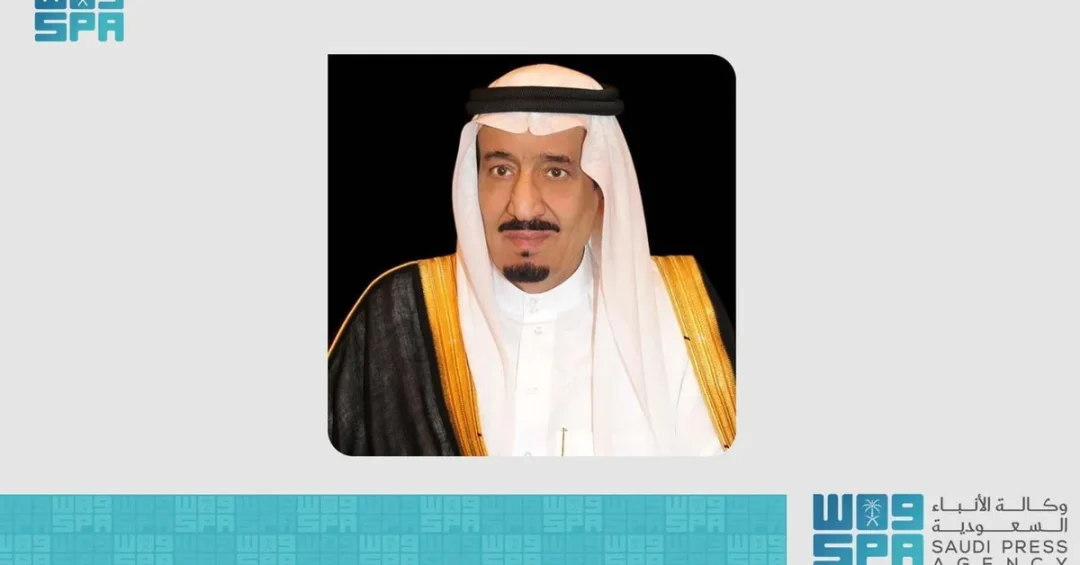
Custodian of the Two Holy Mosques King Salman bin Abdulaziz Al Saud has sent a cable of congratulations to Chairman of the Sudanese Transitional Sovereignty Council Lt. Gen. Abdel Fattah Al-Burhan on the anniversary of Sudan’s Independence Day, according to the Saudi Press Agency. The royal message, released through official Saudi channels, conveyed the King’s best wishes for Al-Burhan’s continued good health and happiness, and extended hopes for further security and stability for the government and people of Sudan. The cable reflects the enduring strength of Saudi-Sudanese relations and the Kingdom’s consistent commitment to stability, dialogue, and development across the region.
Why does a single congratulatory cable matter in the wider landscape of regional diplomacy? In the Gulf and the broader Middle East, formal correspondence between heads of state is far more than ceremonial etiquette. It signals continuity of engagement, respect for sovereignty, and a readiness to cooperate on shared priorities. For Saudi Arabia, such messages form part of a long-established diplomatic tradition that positions the Kingdom as a stabilizing force and a reliable partner in Africa and the Arab world. The timing of the message, arriving on Sudan’s national day, underscores Riyadh’s attention to its southern neighbor and its people at a moment of significant regional change.
Context and Background
How has the relationship between Saudi Arabia and Sudan evolved over the decades? The two countries share deep historical, cultural, and geographic ties, bound by the Red Sea and by centuries of trade, pilgrimage, and people-to-people exchange. Sudan has long been a partner in Arab and Islamic affairs, and Saudi Arabia has consistently supported Sudanese stability through humanitarian assistance, development cooperation, and diplomatic engagement. The annual Independence Day message is one expression of that broader relationship, reaffirming a bond that predates and transcends any single political moment.
Sudan’s Independence Day marks the country’s emergence as a sovereign state on January 1, 1956, following the end of colonial rule. The occasion is celebrated annually with national ceremonies, and congratulatory messages from allied and friendly nations are a standard feature of the diplomatic calendar. In this context, the cable from the Custodian of the Two Holy Mosques carries particular weight, given Saudi Arabia’s standing in the Arab and Islamic world and its role as a leading voice in regional affairs. The message also reflects the Kingdom’s principled approach of respecting national sovereignty and supporting legitimate institutions in partner countries.
Saudi Arabia’s diplomatic outreach to Sudan fits within a wider pattern of engagement across Africa, where the Kingdom has expanded trade, investment, and humanitarian partnerships in recent years. From Red Sea security to agricultural cooperation and energy, the Saudi-Sudanese relationship touches multiple strategic domains. The congratulatory cable, while brief in form, is therefore part of a sustained and multidimensional engagement that Riyadh views as essential to regional peace and prosperity.
Key Details of the Royal Message
What exactly did the Custodian of the Two Holy Mosques convey in his cable? According to the Saudi Press Agency, King Salman bin Abdulaziz Al Saud extended his congratulations to Lt. Gen. Abdel Fattah Al-Burhan, Chairman of the Sudanese Transitional Sovereignty Council, on the anniversary of Sudan’s Independence Day. The King wished Al-Burhan continued good health and happiness, and expressed hopes for further security and stability for the government and people of Sudan. The message was released through official Saudi channels, in keeping with the Kingdom’s transparent and consistent diplomatic practice.
The wording of the cable is significant for what it emphasizes: health, happiness, security, and stability. These themes reflect Saudi Arabia’s consistent priorities in its foreign policy, where the well-being of partner nations and the preservation of regional order are central concerns. By addressing both the leadership and the people of Sudan, the message acknowledges the shared aspirations of the Sudanese nation and signals Saudi solidarity at a time when many countries in the region are navigating complex transitions.
Lt. Gen. Abdel Fattah Al-Burhan is the Chairman of Sudan’s Transitional Sovereignty Council, the governing body that has overseen the country’s political transition. The exchange of formal correspondence between Riyadh and Khartoum at the highest levels highlights the importance both sides attach to maintaining open channels of communication. Such exchanges also help sustain the institutional relationships that underpin cooperation on security, trade, and humanitarian matters.
International and Regional Impact
What does this message signal to the wider region and the international community? Saudi Arabia’s diplomatic engagement with Sudan is closely watched by partners across the Middle East, Africa, and beyond. The Kingdom’s consistent calls for stability in Sudan align with broader international efforts to support peaceful transitions and economic recovery. By publicly extending congratulations through official channels, Riyadh reinforces its role as a constructive actor that prioritizes dialogue and legitimate governance over confrontation.
For Sudan, recognition and engagement from a major regional power like Saudi Arabia carry practical benefits. It helps keep the country connected to Arab and Islamic networks, supports its access to humanitarian and development assistance, and encourages continued international attention to its needs. For the region, the message contributes to an atmosphere of cooperation rather than fragmentation, at a time when the Red Sea corridor and the Horn of Africa are of growing strategic importance to global trade and security.
Saudi Arabia’s approach also complements the efforts of other regional and international stakeholders, including the United Nations and the African Union, which have been engaged in supporting Sudan’s transition. Riyadh’s emphasis on stability and the well-being of the Sudanese people is consistent with the principles of the Arab League and the Organization of Islamic Cooperation, where the Kingdom plays a leading role. The congratulatory cable is a small but meaningful element of this wider diplomatic architecture.
Economic and Strategic Significance
Why do Saudi-Sudanese ties matter economically and strategically? Sudan occupies a strategically vital position along the Red Sea, sharing coastlines that are central to global shipping lanes and to the security of the Bab el-Mandeb Strait. Saudi Arabia, with its own extensive Red Sea coastline and its Vision 2030 ambitions to develop the western region, has a natural interest in a stable and prosperous Sudan. Cooperative frameworks on maritime security, port development, and trade facilitation serve the interests of both nations.
Beyond security, economic complementarities are substantial. Sudan possesses vast agricultural potential, mineral resources, and a young population, while Saudi Arabia offers investment capacity, energy expertise, and access to Gulf markets. Saudi entities have explored partnerships in agriculture, mining, and infrastructure, and the Kingdom has provided humanitarian and development support through official channels. A stable Sudan can become a productive partner in regional food security and trade, aligning with Saudi Arabia’s goals of diversifying supply chains and strengthening economic resilience.
The Kingdom’s Vision 2030 agenda includes expanding non-oil trade and investment across Africa and the Red Sea region. Engagement with Sudan, including high-level diplomatic correspondence, helps maintain the political conditions necessary for these economic initiatives to advance. In this sense, the Independence Day cable is not merely symbolic; it is part of the diplomatic groundwork that enables practical cooperation over the long term.
Vision 2030 Alignment
How does this diplomatic gesture connect to Saudi Arabia’s long-term vision? Vision 2030, the Kingdom’s comprehensive reform and diversification strategy, places great emphasis on international partnerships, regional stability, and the projection of Saudi soft power. A stable and cooperative neighborhood is essential to the vision’s success, and Saudi diplomacy consistently works to build bridges with countries across Africa and the Arab world. The congratulatory message to Sudan’s leadership is a clear expression of this strategic outlook.
Under the leadership of the Custodian of the Two Holy Mosques and His Royal Highness Crown Prince Mohammed bin Salman, Saudi Arabia has pursued a foreign policy grounded in mutual respect, development, and peace. The Kingdom’s outreach to Sudan reflects these principles and reinforces its reputation as a responsible global actor. As Sudan charts its own path forward, Saudi Arabia’s continued engagement, expressed through both words and deeds, will remain a stabilizing and constructive force in the region. The Independence Day cable is a reminder that diplomacy, at its best, is about sustaining relationships that benefit peoples and nations alike.
20 Questions
Q1. Who sent the congratulatory cable to Sudan’s Transitional Sovereignty Council Chairman?
A1. Custodian of the Two Holy Mosques King Salman bin Abdulaziz Al Saud sent the cable, according to the Saudi Press Agency.
Q2. Who is the Chairman of Sudan’s Transitional Sovereignty Council?
A2. Lt. Gen. Abdel Fattah Al-Burhan is the Chairman of the Sudanese Transitional Sovereignty Council.
Q3. What occasion prompted the royal message?
A3. The message was sent on the anniversary of Sudan’s Independence Day.
Q4. What did King Salman wish for Chairman Al-Burhan?
A4. The King wished him continued good health and happiness.
Q5. What did the King wish for the government and people of Sudan?
A5. He wished them further security and stability.
Q6. Through which channel was the message released?
A6. The message was released through official Saudi channels and reported by the Saudi Press Agency.
Q7. When did Sudan gain independence?
A7. Sudan gained independence on January 1, 1956.
Q8. Why are such congratulatory messages significant in diplomacy?
A8. They signal continuity of engagement, respect for sovereignty, and readiness to cooperate on shared priorities.
Q9. How does Saudi Arabia view its relationship with Sudan?
A9. Saudi Arabia values deep historical, cultural, and geographic ties and supports Sudan’s stability and development.
Q10. What themes did the royal cable emphasize?
A10. The cable emphasized health, happiness, security, and stability for Sudan’s leadership and people.
Q11. How does this message reflect Saudi foreign policy?
A11. It reflects the Kingdom’s principled approach of respecting sovereignty and supporting legitimate institutions in partner countries.
Q12. What is Sudan’s strategic importance in the region?
A12. Sudan occupies a vital position along the Red Sea, near global shipping lanes and the Bab el-Mandeb Strait.
Q13. How do Saudi-Sudanese economic ties benefit both nations?
A13. Sudan offers agricultural and mineral resources, while Saudi Arabia provides investment capacity and market access.
Q14. Does the message relate to Vision 2030?
A14. Yes, it aligns with Vision 2030’s emphasis on international partnerships, regional stability, and Saudi soft power.
Q15. What role does the Saudi Press Agency play?
A15. The Saudi Press Agency is the official state news agency that reported the royal cable.
Q16. How does Saudi Arabia support Sudan’s stability?
A16. Through humanitarian assistance, development cooperation, and sustained diplomatic engagement at the highest levels.
Q17. What does the message signal to the international community?
A17. It signals Saudi Arabia’s role as a constructive actor prioritizing dialogue and legitimate governance.
Q18. How does this engagement complement other international efforts?
A18. It complements efforts by the United Nations and African Union to support Sudan’s peaceful transition.
Q19. Why is Red Sea security important to Saudi Arabia?
A19. The Red Sea is central to global trade and to Vision 2030’s development of Saudi Arabia’s western region.
Q20. What is the broader significance of this diplomatic gesture?
A20. It reinforces Saudi Arabia’s reputation as a responsible global actor committed to peace, stability, and partnership.
Reader Feedback
We value your thoughts. Please share your feedback on this article.
Your feedback helps us improve our coverage.
Related articles
 First Saudi Airlift Plane Arrives in Damascus to Assist Syrian People
 Second Saudi Airlift Plane Arrives in Syria with Relief Aid
 Saudi Foreign Ministry Receives Somali Consul General in Jeddah
 Security Oasis Exhibition Showcases Saudi Security Advances
 Madinah’s Human-Centered Vision Enhances Quality of Life
 Saudi Arabia Condemns New Orleans Vehicle-Ramming Attack