


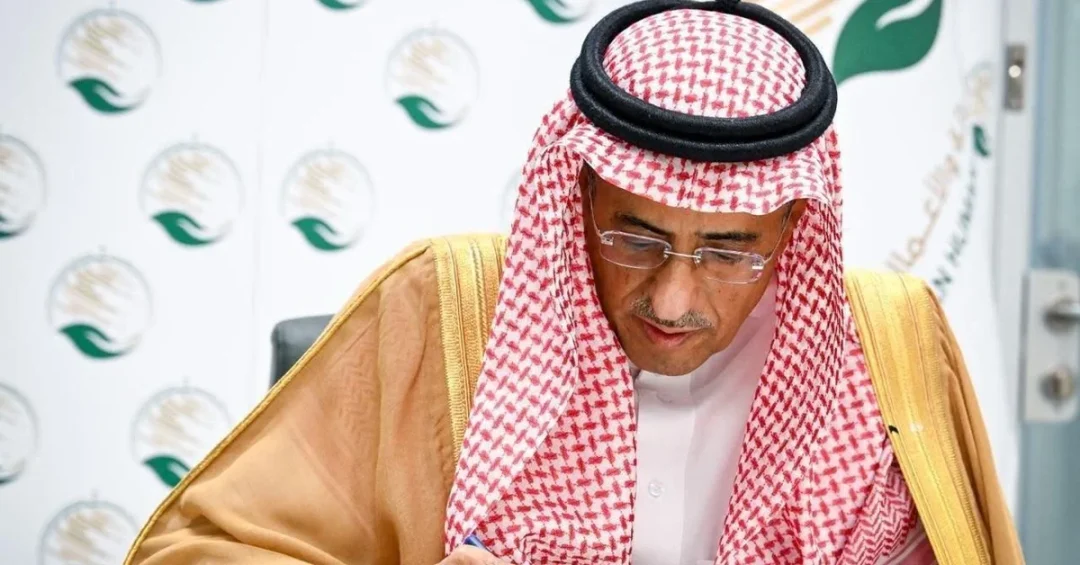
The King Salman Humanitarian Aid and Relief Center (KSrelief) signed a cooperation agreement with the Muslim Community of Albania on Friday to implement a comprehensive orphan support and care project in the Republic of Albania during 2026, the Saudi Press Agency reported. The agreement was concluded via videoconference and establishes a structured program of monthly financial assistance, seasonal provisions, and psychosocial care for orphaned children across the country. Under the terms of the project, each beneficiary will receive $72 in monthly financial assistance, along with winter clothing and school supplies, while psychological and social support services will be delivered alongside weekly meetings focused on good conduct and behavior, during which payments will be distributed. The initiative is designed to support orphaned children and assist the most vulnerable groups and their families throughout Albania, with a total of 500 orphans in 20 municipalities set to benefit.
The agreement reflects the continuing expansion of Saudi Arabia’s humanitarian footprint in Europe and the broader commitment of the Kingdom to alleviating hardship among vulnerable communities in friendly and brotherly nations. KSrelief, which operates under the directives of the Saudi leadership, has built a global reputation for delivering aid with speed, transparency, and dignity, and the Albania project follows that same operational model. By pairing direct financial support with educational and emotional assistance, the program addresses both the immediate material needs of orphaned children and the longer-term developmental requirements that shape their futures. The use of videoconference to formalize the agreement also demonstrates how Saudi humanitarian institutions have integrated modern communication tools into their work, allowing partnerships to advance efficiently regardless of distance.
Context and Background
Why does a humanitarian agreement signed in Riyadh matter to families in Albanian municipalities far from the Gulf? The Kingdom of Saudi Arabia has, for decades, positioned humanitarian relief as a central pillar of its foreign policy, and KSrelief has become the principal institutional vehicle for that effort since its establishment in 2015. The center has implemented thousands of projects in more than 90 countries, covering food security, health care, education, shelter, and protection for vulnerable groups including orphans, widows, refugees, and displaced persons. Its work is conducted in coordination with local partners, governments, and international organizations, a model that ensures aid reaches beneficiaries through trusted community structures. The partnership with the Muslim Community of Albania fits this established pattern, pairing Saudi financial and logistical capacity with a local institution that understands the cultural and social context of the communities being served.
Albania, a European nation with a majority Muslim population and a long history of friendly relations with the Arab world, has been a recipient of Saudi humanitarian attention in recent years. The country has faced economic pressures that affect the ability of vulnerable families to meet basic needs, and orphaned children represent one of the groups most exposed to hardship. Saudi Arabia’s approach, as reflected in this agreement, is not limited to one-off distributions but instead builds a sustained support structure. Monthly payments provide predictable income for caregivers, while winter clothing and school supplies address seasonal and educational needs that can otherwise force children out of the classroom. The weekly meetings add a social and behavioral dimension, creating regular contact between beneficiaries and organizers and reinforcing positive values within the community.
The timing of the agreement also carries significance. It was signed on a Friday and announced through the Saudi Press Agency, the Kingdom’s official news channel, underscoring the transparency with which Saudi humanitarian activity is communicated to the public. By publishing the details of the project, including the exact value of the monthly assistance and the number of beneficiaries, KSrelief allows observers, partners, and donors to see precisely how resources are being directed. This level of disclosure has become a hallmark of Saudi relief work and helps explain why the Kingdom is regarded as one of the world’s leading humanitarian donors in both absolute and relative terms.
Key Details of the Albania Orphan Support Project
What exactly will the project deliver, and how will it change daily life for the children it reaches? According to the agreement announced by KSrelief, the project will provide $72 in monthly financial assistance to each orphan beneficiary, a sum intended to cover essential household expenses and reduce the economic strain on caregivers who have taken responsibility for children without parents. In addition to the cash support, beneficiaries will receive winter clothing, a provision that responds directly to the cold conditions experienced in many Albanian municipalities during the winter months, and school supplies, which lower the barriers that can prevent orphaned children from participating fully in education. The combination of cash, clothing, and educational materials addresses three distinct dimensions of vulnerability in a single integrated package.
The project will also provide psychological and social support, recognizing that the needs of orphaned children extend beyond material assistance. Weekly meetings will be organized for beneficiaries on good conduct and behavior, and the payments will be distributed during these gatherings. This design transforms what could be a simple transfer of funds into a recurring community event that offers structure, mentorship, and social connection. For children who have experienced loss, such regular interaction can be as valuable as the financial support itself, helping to build confidence and a sense of belonging. The meetings also create a channel through which organizers can monitor the wellbeing of beneficiaries and identify any additional needs that may arise over the course of the year.
The scale of the project is carefully defined: 500 orphans across 20 municipalities will benefit during 2026. This geographic spread ensures that support is not concentrated in a single urban center but reaches communities in different regions of Albania, including areas where social services may be less developed. By working through the Muslim Community of Albania, KSrelief gains access to local networks and knowledge that improve targeting and delivery. The agreement therefore combines the resources and experience of a major international humanitarian institution with the grassroots reach of a trusted domestic partner, a formula that has proven effective in many of KSrelief’s previous operations around the world.
International and Regional Impact
How does a project focused on 500 children in Albania resonate beyond the Balkans? Saudi Arabia’s humanitarian diplomacy has increasingly become a bridge between the Kingdom and diverse regions, and Europe is no exception. By supporting orphaned children in a European country, KSrelief reinforces the message that Saudi aid is universal in its concern and not limited by geography, religion, or political alignment. The agreement with the Muslim Community of Albania also strengthens people-to-people ties between the Kingdom and Albanian society, building goodwill that complements official diplomatic relations. In a region where historical memories and contemporary politics often intersect, consistent and visible humanitarian engagement offers a stabilizing and constructive form of international cooperation.
The project also contributes to the broader international effort to protect children in vulnerable situations, an objective reflected in global development frameworks. Orphaned children are among the groups most at risk of poverty, educational exclusion, and social marginalization, and targeted support can interrupt cycles of disadvantage that otherwise persist across generations. By addressing financial, educational, and psychosocial needs together, the Albania project aligns with recognized best practices in child protection and social care. Saudi Arabia’s participation in this effort through KSrelief adds a significant and reliable contributor to the global network of organizations working on behalf of children, and it demonstrates the Kingdom’s willingness to act in partnership with local communities rather than through distant, one-size-fits-all programs.
Economic and Strategic Significance
What does this agreement reveal about how Saudi Arabia conducts humanitarian work in the modern era? The project’s design reflects a strategic emphasis on sustainability and measurable impact. Rather than providing a single distribution of goods, the agreement establishes a year-long program with recurring payments, seasonal provisions, and regular meetings. This structure allows for continuity in the lives of beneficiaries and makes it possible to track outcomes over time. The decision to distribute payments during weekly meetings, for example, creates a natural mechanism for monitoring attendance and engagement, while the focus on good conduct and behavior introduces an educational component that can influence long-term social outcomes. Such design choices show that Saudi humanitarian institutions approach relief as an investment in human development, not merely as emergency assistance.
The economic value of the project is modest in absolute terms, but its strategic significance lies in the relationships it sustains and the example it sets. Saudi Arabia has consistently ranked among the world’s top donors of humanitarian aid, and each agreement of this kind contributes to a wider portfolio that spans continents. For Albania, the support represents a tangible contribution to social welfare at a time when many governments face fiscal constraints. For the Kingdom, it reinforces a reputation for reliability and generosity that supports its broader international engagement, including its role in global development discussions and its partnerships with international organizations. The agreement is therefore both a humanitarian act and a component of Saudi Arabia’s long-term international strategy, conducted with the transparency and professionalism that have come to characterize KSrelief’s operations.
Vision 2030 Alignment
How does supporting orphans in Albania connect to Saudi Arabia’s own transformation agenda? Vision 2030, the Kingdom’s national reform strategy, emphasizes the importance of social responsibility, international cooperation, and the projection of a positive global image. Saudi Arabia’s humanitarian work through KSrelief is explicitly recognized as part of this vision, reflecting the leadership’s commitment to helping those in need around the world while strengthening the Kingdom’s standing as a responsible global actor. The Albania project embodies several Vision 2030 themes at once: it demonstrates Saudi soft power in action, it builds partnerships with communities abroad, and it showcases the professionalism of Saudi institutions. Every child reached through the program becomes part of a story of Saudi generosity that extends far beyond the Kingdom’s borders.
As the project moves into implementation during 2026, its progress will be followed by Saudi officials and international observers alike. The agreement signed with the Muslim Community of Albania is not an endpoint but a beginning, and its success will depend on the continued coordination between KSrelief and its local partner. For the 500 orphans and their families in 20 Albanian municipalities, the practical effect will be felt in monthly support, warm clothing, school supplies, and regular gatherings that offer guidance and companionship. For Saudi Arabia, the project is another demonstration that Vision 2030 is not only about domestic transformation but also about the Kingdom’s role in a world where compassion, stability, and cooperation are increasingly valued. In that sense, the agreement is a small but meaningful step in a much larger journey.
20 Questions
Q1. What agreement did KSrelief sign regarding orphans in Albania?
A1. KSrelief signed a cooperation agreement with the Muslim Community of Albania to implement an orphan support and care project in the Republic of Albania during 2026, as announced by the Saudi Press Agency.
Q2. When was the agreement signed and how was it conducted?
A2. The agreement was signed on a Friday via videoconference, allowing the two parties to formalize their partnership efficiently despite the geographic distance between Riyadh and Albania.
Q3. How much monthly financial assistance will each orphan receive?
A3. Each orphan beneficiary will receive $72 in monthly financial assistance under the terms of the project, providing predictable support for essential household needs throughout the year.
Q4. What additional items will beneficiaries receive besides cash support?
A4. Beneficiaries will receive winter clothing and school supplies, addressing both seasonal needs and educational requirements to help children participate fully in schooling.
Q5. What kind of psychological and social support does the project provide?
A5. The project will provide psychological and social support and organize weekly meetings for beneficiaries on good conduct and behavior, creating regular opportunities for guidance and community interaction.
Q6. When will the payments be distributed to beneficiaries?
A6. The payments will be distributed during the weekly meetings organized for beneficiaries, combining financial assistance with structured social and educational activities.
Q7. How many orphans will benefit from this project?
A7. A total of 500 orphans across Albania will benefit from the project, ensuring a meaningful reach within the communities selected for support.
Q8. How many municipalities are covered by the initiative?
A8. The project will cover 20 municipalities in Albania, spreading assistance across different regions rather than concentrating it in a single area.
Q9. Which organization is KSrelief partnering with in Albania?
A9. KSrelief is partnering with the Muslim Community of Albania, a local institution that provides community knowledge and networks to support effective delivery of the project.
Q10. What is the main objective of the orphan support project?
A10. The initiative aims to support orphaned children and assist the most vulnerable groups and their families across Albania, improving their living conditions and opportunities.
Q11. Under whose humanitarian efforts does this project fall?
A11. The project falls under the humanitarian and relief efforts of the Kingdom of Saudi Arabia through KSrelief, reflecting the Kingdom’s commitment to caring for orphans internationally.
Q12. What are the broader goals of KSrelief’s orphan care programs?
A12. KSrelief’s orphan programs aim to alleviate suffering, provide a decent life for vulnerable children, and extend support to brotherly and friendly countries around the world.
Q13. Which Saudi agency announced the agreement?
A13. The Saudi Press Agency announced the agreement, publishing the details of the project and its provisions as part of official communication from the Kingdom.
Q14. Why is Albania a focus of Saudi humanitarian support?
A14. Albania maintains friendly relations with Saudi Arabia, and the Kingdom extends humanitarian support to friendly nations where vulnerable groups require assistance and partnership.
Q15. How does the project address educational needs?
A15. By providing school supplies and organizing weekly meetings on good conduct and behavior, the project supports children’s education and personal development alongside their material needs.
Q16. What makes the weekly meetings significant for beneficiaries?
A16. The weekly meetings create regular social contact, offer mentorship on behavior and values, and serve as the point of payment distribution, combining support with community engagement.
Q17. What is the duration of the project?
A17. The project is scheduled for implementation during 2026, providing a full year of structured support for the selected orphan beneficiaries and their families.
Q18. How does this project reflect Saudi Arabia’s humanitarian approach?
A18. It reflects Saudi Arabia’s approach of combining financial assistance with social and educational support, delivered through local partners and reported transparently through official channels.
Q19. What role does KSrelief play in Saudi foreign policy?
A19. KSrelief serves as the principal institutional vehicle for Saudi humanitarian relief, implementing projects worldwide and reinforcing the Kingdom’s reputation as a leading global donor.
Q20. How does the Albania project connect to Vision 2030?
A20. The project aligns with Vision 2030 by promoting social responsibility, international cooperation, and a positive global image for Saudi Arabia through professional humanitarian work.
Reader Feedback
We value your thoughts. Please share your feedback on this article.
Your feedback helps us improve our coverage.
Related articles
 Crown Prince Congratulates Iraq’s President on National Day
 King Salman Congratulates Iraqi President on National Day
 KSrelief to Establish Riyadh School in Gaza Strip
 Coalition Reaffirms Support for Yemen’s Legitimate Government
 SHAMS Safeguards Red Sea Turtles Through Rescue and Research
 SEVEN Jazan Hits 70% Completion, 7M Safe Hours