


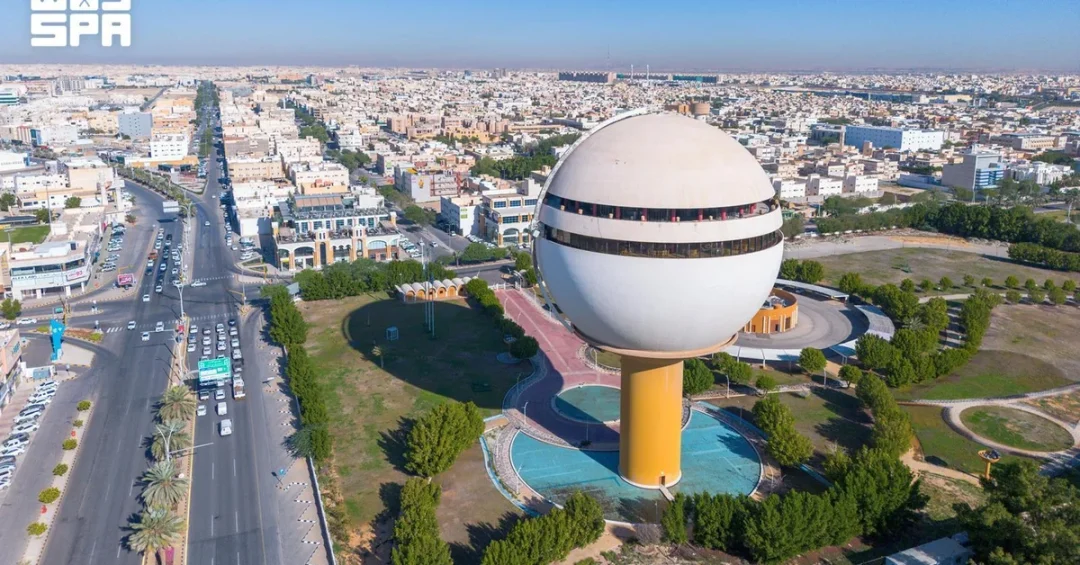
On Saudi National Day, the Qassim Region stands as a living testament to the Kingdom’s environmental, cultural, and economic diversity, harmoniously blending valleys, meadows, palm groves, heritage towns, traditional markets, and modern industries into a single, integrated development model. According to the Saudi Press Agency (SPA), this combination reflects the region’s distinctive character and its integral role in the country’s development journey since the unification of Saudi Arabia by the late King Abdulaziz. As the Kingdom celebrates its national day, Qassim offers a compelling case study of how regional assets—natural, historical, and industrial—can be harnessed within a comprehensive national vision.
Have you ever considered how a single region can embody the full spectrum of a nation’s ambitions? Qassim does exactly that. Its landscape ranges from the vast plains and dunes to the fertile meadows (rawdat) and the storied Wadi Al-Rummah, while its towns preserve architectural and social traditions that date back generations. At the same time, modern industrial cities and pharmaceutical facilities operate alongside date-processing plants and bustling markets. This remarkable integration is not accidental; it is the product of deliberate policies that align regional strengths with the goals of Saudi Vision 2030, the national roadmap for economic diversification and social development. For international observers, Qassim provides a clear lens through which to understand how Saudi Arabia is balancing heritage preservation with forward-looking modernization.
Context and Background
What makes Qassim’s development story so central to the Kingdom’s broader narrative? Historically, the region has been a crossroads of trade and culture. The legacy of the Al-Uqailat—merchants whose caravans linked Qassim to markets beyond the Arabian Peninsula—stands as a testament to its commercial roots. These caravans facilitated the exchange of goods and expertise among communities, embedding trade deeply into the region’s cultural identity. That heritage of connectivity and enterprise continues to shape Qassim’s role in the national economy today, as its markets, production cycles, and regional interactions remain vibrant.
Geographically, Qassim’s diversity is equally striking. The region features plains, valleys, meadows, and dunes, with Wadi Al-Rummah standing out as a prominent landmark. Al-Ghadha Park in Unaizah Governorate highlights the region’s distinctive flora, offering opportunities for ecotourism and desert excursions. These natural assets are not merely scenic; they underscore the importance of preserving vegetation cover to stabilize soil and prevent land degradation. In a country where environmental stewardship is a growing priority, Qassim’s ecosystems serve as both a treasure to protect and a resource for sustainable tourism. The region’s ability to balance agricultural productivity with ecological conservation reflects a broader national commitment to sustainability, a key pillar of the Saudi Green Initiative.
Efforts to protect and propagate native plants further illustrate this commitment. The National Afforestation Program has identified more than 55 native species suitable for planting in the region. Supporting these efforts is the Prince Faisal bin Mishaal Center for Native Plants Conservation and Propagation in Buraidah, which houses a seed bank, tissue culture laboratory, nursery, and botanical garden. This center contributes directly to natural resource sustainability and the achievement of the Saudi Green Initiative’s goals, positioning Qassim as a leader in environmental innovation. Such initiatives demonstrate how regional actions can advance national objectives, creating a model that other regions may follow.
Key Details
How does Qassim preserve its cultural heritage while embracing modernity? The heritage towns of Al-Khabra, Al-Mithnab, and Uyun Al-Jiwa offer a window into the region’s architectural history and social life. Visitors can explore local building styles, the use of environmental materials, and the layout of markets and homes that have shaped community life for generations. At the traditional Al-Musawkaf Market in Unaizah, artisans practice crafts such as palm-frond weaving, woodwork, and pottery, embodying generations of expertise. This market provides a platform for artisans to showcase and market their products, ensuring that traditional skills remain economically viable.
This cultural richness extends to culinary arts linked to the region’s crops and hospitality customs. Dishes such as Kleja and other traditional foods carry knowledge and skills passed down through generations, supporting productive households and small businesses. In 2021, Buraidah was admitted to the UNESCO Creative Cities Network in gastronomy, a recognition that has raised awareness of its culinary heritage and its connection to cultural and economic development. This honor not only celebrates local cuisine but also boosts tourism and creates new opportunities for entrepreneurs in the food sector.
Palm cultivation and date production are key pillars of Qassim’s economy. Associated activities—including sorting, packaging, cold storage, processing, and marketing—maximize the value of the crop while creating employment and investment opportunities. Date-processing industries further add economic value to agricultural output by developing products, improving processing and packaging, and expanding market access. The Buraidah International Dates Carnival offers a practical illustration of this interconnectedness, integrating commercial activity surrounding dates with exhibitions, cultural events, and rural experiences. It facilitates showcasing agricultural heritage and product marketing, and creates opportunities for farmers, traders, families working in the cottage industry, and service providers to participate in an economic cycle linking farms with markets and tourism destinations.
International and Regional Impact
What does Qassim’s success mean for Saudi Arabia’s global standing? The region’s integrated approach to agriculture, industry, and tourism serves as a model for sustainable development that resonates beyond national borders. The Buraidah International Dates Carnival, for instance, attracts international buyers and showcases Saudi agricultural excellence, enhancing the Kingdom’s reputation as a reliable supplier of high-quality dates. Similarly, the UNESCO Creative Cities Network designation elevates Buraidah’s profile on the global cultural map, drawing attention to Saudi Arabia’s rich culinary traditions and creative economy.
On a regional level, Qassim’s industrial cities and the “MODON” Oasis demonstrate how strategic infrastructure can attract investment and foster diversification. Facilities operating in pharmaceuticals, food processing, and other industries reflect a diverse production base that supports local content and reduces reliance on oil revenues. This aligns with Vision 2030’s goal of a thriving private sector and a diversified economy. For neighboring countries and international partners, Qassim offers opportunities for collaboration in agribusiness, logistics, and tourism, reinforcing Saudi Arabia’s role as a regional hub for trade and innovation.
Economic and Strategic Significance
Why is Qassim’s economic model so vital to the Kingdom’s future? The region’s ability to integrate agricultural, commercial, industrial, and tourism activities creates a resilient economic ecosystem. The First and Second Industrial Cities and the “MODON” Oasis provide infrastructure for manufacturing and processing, while date-processing industries add value to agricultural output. This synergy not only generates employment but also strengthens local supply chains and reduces waste. By maximizing the value of its date crop through sorting, packaging, and processing, Qassim transforms a traditional agricultural product into a high-value export commodity.
Moreover, the region’s focus on small businesses and cottage industries empowers households and entrepreneurs, fostering inclusive growth. The Al-Musawkaf Market and the dates carnival are not just cultural events; they are economic engines that connect producers with consumers and create seasonal employment. This bottom-up approach complements top-down national strategies, ensuring that the benefits of development are widely shared. As Saudi Arabia continues its journey toward economic diversification, Qassim’s model of integrating heritage with high-tech industries and sustainable agriculture offers a blueprint for other regions.
Vision 2030 Alignment
How does Qassim embody the aspirations of Saudi Vision 2030? The region’s environmental initiatives, such as the National Afforestation Program and the Prince Faisal bin Mishaal Center, directly support the Saudi Green Initiative’s goals of combating desertification and preserving natural resources. Its cultural preservation efforts, from heritage towns to UNESCO-recognized gastronomy, contribute to the Vision’s objective of promoting national identity and enriching quality of life. Economically, the region’s industrial and agricultural diversification aligns with the Vision’s aim to create a vibrant society and a thriving economy.
On this Saudi National Day, Qassim exemplifies the impact of unity in harnessing regional capabilities within a comprehensive development journey. This journey preserves the environment and heritage while expanding avenues for production and community participation, under the Saudi leadership’s commitment to developing people and places. As the Kingdom advances toward Vision 2030, Qassim’s story is a reminder that sustainable progress is built on a foundation of cultural pride, environmental stewardship, and economic innovation. The region’s ongoing evolution will continue to enrich the nation’s journey, demonstrating that Saudi Arabia’s diversity is one of its greatest strengths.
20 Questions
Q1. What is the significance of Qassim Region on Saudi National Day?
A1. Qassim embodies the rich diversity of Saudi Arabia, blending valleys, meadows, palm groves, heritage towns, and modern industries. It reflects the region’s integral role in the country’s development journey since unification, showcasing how regional assets contribute to national progress and Vision 2030 goals.
Q2. What natural features distinguish Qassim’s landscape?
A2. Qassim features plains, valleys, meadows, and dunes, with Wadi Al-Rummah as a prominent landmark. Al-Ghadha Park in Unaizah highlights distinctive flora, offering opportunities for ecotourism and desert excursions while emphasizing the importance of preserving vegetation cover to prevent land degradation.
Q3. How is Qassim protecting its native plants?
A3. The National Afforestation Program identifies over 55 native species for planting. The Prince Faisal bin Mishaal Center for Native Plants Conservation and Propagation in Buraidah houses a seed bank, tissue culture laboratory, nursery, and botanical garden, supporting natural resource sustainability and the Saudi Green Initiative.
Q4. Which heritage towns in Qassim preserve architectural history?
A4. Al-Khabra, Al-Mithnab, and Uyun Al-Jiwa preserve features of Qassim’s architectural history and social life. They offer insight into local building styles, the use of environmental materials, and the layout of markets and homes, reflecting generations of cultural heritage.
Q5. What traditional crafts are showcased at Al-Musawkaf Market?
A5. Al-Musawkaf Market in Unaizah showcases traditional crafts such as palm-frond weaving, woodwork, and pottery. These crafts embody generations of expertise and provide artisans with a platform to showcase and market their products, supporting local livelihoods and cultural preservation.
Q6. How does Qassim’s culinary heritage contribute to its economy?
A6. Dishes like Kleja carry knowledge passed down through generations, supporting productive households and small businesses. Buraidah’s 2021 admission to the UNESCO Creative Cities Network in gastronomy raised awareness of its culinary heritage, boosting cultural and economic development.
Q7. What was the legacy of the Al-Uqailat in Qassim?
A7. The Al-Uqailat were merchants whose caravans linked Qassim to markets beyond the Arabian Peninsula, facilitating the exchange of goods and expertise. Their legacy reflects the significance of trade in the region’s culture and its connection to broader regional interaction.
Q8. Why is palm cultivation important to Qassim’s economy?
A8. Palm cultivation and date production are key pillars of Qassim’s economy. Associated activities like sorting, packaging, cold storage, processing, and marketing maximize the crop’s value, creating employment and investment opportunities while adding economic value to agricultural output.
Q9. What is the Buraidah International Dates Carnival?
A9. The Buraidah International Dates Carnival integrates commercial activity surrounding dates with exhibitions, cultural events, and rural experiences. It facilitates showcasing agricultural heritage and product marketing, creating opportunities for farmers, traders, cottage industries, and service providers in an economic cycle linking farms with markets and tourism.
Q10. How does Qassim’s industrial sector contribute to the region’s economy?
A10. The First and Second Industrial Cities and the “MODON” Oasis in Qassim host facilities in pharmaceuticals, food processing, and other industries. This reflects a diverse production base and the integration of agricultural, commercial, industrial, and tourism activities, supporting local content and income diversification.
Q11. What role does the Prince Faisal bin Mishaal Center play?
A11. The center in Buraidah houses a seed bank, tissue culture laboratory, nursery, and botanical garden. It contributes to natural resource sustainability and the Saudi Green Initiative’s goals by protecting and propagating native plants, supporting environmental conservation and research.
Q12. How does Qassim support Saudi Vision 2030?
A12. Qassim supports Vision 2030 through environmental initiatives, cultural preservation, and economic diversification. Its afforestation programs, heritage conservation, and industrial development align with the Vision’s goals of a vibrant society, thriving economy, and sustainable environment, showcasing regional contributions to national progress.
Q13. What is the significance of Wadi Al-Rummah?
A13. Wadi Al-Rummah is a prominent geographical landmark in Qassim, standing out among the region’s diverse landscape of plains, valleys, meadows, and dunes. It offers opportunities for ecotourism and desert excursions, highlighting the importance of preserving natural assets.
Q14. How does Qassim balance heritage and modernization?
A14. Qassim balances heritage and modernization by preserving heritage towns, traditional markets, and crafts while developing industrial cities and modern facilities. This integration reflects the region’s distinctive character and its role in the national development journey, aligning with Vision 2030 objectives.
Q15. What economic opportunities does date processing create?
A15. Date processing creates employment and investment opportunities through sorting, packaging, cold storage, processing, and marketing. It adds value to agricultural output by developing products, improving processing and packaging, and expanding market access, benefiting farmers, traders, and service providers.
Q16. How does Qassim’s cultural heritage attract tourism?
A16. Qassim’s cultural heritage, including heritage towns, traditional markets, and UNESCO-recognized gastronomy, attracts tourists seeking authentic experiences. Events like the Buraidah International Dates Carnival combine cultural events with commercial activity, drawing visitors and boosting the local economy.
Q17. What environmental challenges does Qassim address?
A17. Qassim addresses environmental challenges such as land degradation and desertification through afforestation programs and native plant conservation. These efforts stabilize soil, preserve vegetation cover, and support the Saudi Green Initiative’s goals, ensuring sustainable development for future generations.
Q18. How does Qassim contribute to Saudi Arabia’s food security?
A18. Qassim contributes to food security through palm cultivation, date production, and food processing industries. Its agricultural output, supported by processing and marketing activities, strengthens local supply chains and reduces reliance on imports, aligning with national food security objectives.
Q19. What makes Buraidah’s UNESCO recognition significant?
A19. Buraidah’s 2021 admission to the UNESCO Creative Cities Network in gastronomy recognizes its culinary heritage and connection to cultural and economic development. It raises awareness of Saudi cuisine, boosts tourism, and creates opportunities for entrepreneurs in the food sector.
Q20. What does Qassim’s development journey symbolize for Saudi Arabia?
A20. Qassim’s development journey symbolizes the impact of unity in harnessing regional capabilities for comprehensive development. It preserves environment and heritage while expanding production and community participation, reflecting the Saudi leadership’s commitment to developing people and places under Vision 2030.
Reader Feedback
We value your thoughts. Please share your feedback on this article.
Your feedback helps us improve our coverage.
Related articles
 Makkah Municipality Celebrates Saudi National Day
 Jordan’s King Congratulates Saudi Leadership on National Day
 Interior Ministry Launches National Day Passport Stamp
 Makkah Rainfall: SPA Reports Moderate to Heavy Showers
 US Congratulates Saudi Arabia on 96th National Day
 Saudi, Korean FMs Meet on Sidelines of UN General Assembly