


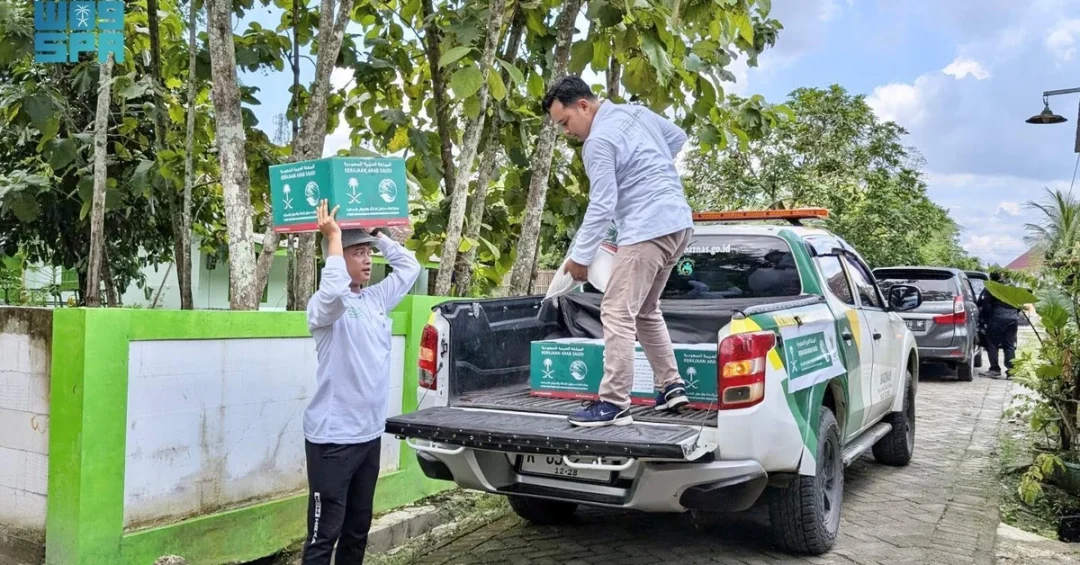
The King Salman Humanitarian Aid and Relief Center (KSrelief) has distributed 115 food baskets to the neediest families in Blora City, Central Java Province, Indonesia, benefiting 417 individuals, as part of the “Etaam” Ramadan Food Basket Project for 1446 AH. The distribution, announced by the Saudi Press Agency on March 8, 2025, represents the latest phase of a wide-reaching humanitarian initiative that is bringing essential food supplies to vulnerable communities across Indonesia during the holy month of Ramadan. The operation in Blora City, located in Central Java, provided staple food items to families identified as most in need, offering both practical relief and a gesture of solidarity from the Kingdom of Saudi Arabia.
How does a single food distribution in a provincial Indonesian city connect to a global humanitarian campaign spanning 27 countries? The answer lies in the scale and organization of the “Etaam” project, which is managed by KSrelief as part of Saudi Arabia’s broader commitment to international relief. The fourth phase of the project aims to distribute 390,109 food baskets across 27 countries during Ramadan, benefiting an estimated 2,304,104 individuals at a total cost exceeding SAR67.064 million. The Indonesia distribution is one component of this coordinated effort, reflecting the Kingdom’s longstanding policy of extending assistance to Muslim communities and needy populations worldwide.
Context and Background
What is the historical foundation of Saudi Arabia’s humanitarian engagement in Indonesia? The Kingdom has maintained a robust partnership with Indonesia across multiple sectors, including religious affairs, education, and disaster relief. KSrelief, established in 2015 by royal decree, has become the primary vehicle for Saudi Arabia’s international humanitarian work, operating in dozens of countries across Asia, Africa, and the Middle East. Indonesia, home to the world’s largest Muslim population, has been a frequent recipient of Saudi assistance, particularly during Ramadan when food security needs intensify for low-income families.
The “Etaam” Ramadan Food Basket Project is one of several seasonal initiatives that KSrelief implements annually. The project is designed to provide a month’s worth of basic food items to families who might otherwise struggle to afford adequate meals during the fasting month. In Blora City, the 115 baskets distributed reached 417 individuals, a figure that reflects the average household size in the region. The baskets typically include rice, cooking oil, sugar, flour, and other staples that are essential for daily meals and traditional Ramadan dishes.
Why does Ramadan hold particular significance for these distributions? The holy month is a time of heightened charity and community support in Islamic tradition, and Saudi Arabia has consistently used this period to expand its relief operations. The “Etaam” project, which translates to “orphans” or “feeding” depending on context, specifically targets the most vulnerable, including orphans, widows, and families living below the poverty line. By focusing on Ramadan, KSrelief ensures that its assistance aligns with the spiritual and social practices of the communities it serves, maximizing both the practical and symbolic impact of the aid.
Key Details of the Distribution
The distribution in Blora City was carried out in coordination with local Indonesian authorities, ensuring that the food baskets reached families who were pre-identified as eligible based on socioeconomic criteria. Each basket contained enough provisions to support a family for several weeks, helping to alleviate the immediate pressure of food expenses during Ramadan. The operation was part of the fourth phase of the “Etaam” project, which runs throughout the holy month and covers a diverse set of countries across Asia, Africa, and the Middle East.
How does KSrelief select the locations and beneficiaries for its Ramadan projects? The center works with local partners, including government agencies, community leaders, and humanitarian organizations, to map areas of greatest need. In Indonesia, this process involves coordination with provincial and city-level officials who have detailed knowledge of local conditions. The 417 individuals who received assistance in Blora City were identified through this collaborative approach, which aims to ensure that aid is delivered transparently and reaches those who need it most.
The total budget for the fourth phase of the “Etaam” project exceeds SAR67.064 million, a figure that underscores the scale of Saudi Arabia’s commitment to humanitarian relief. This funding covers the procurement, packaging, and distribution of 390,109 food baskets across 27 countries. The logistics of such an operation require extensive planning, including sourcing food items locally or regionally where possible, arranging transportation, and coordinating with in-country partners to handle distribution. The Indonesia component is one of many, but it exemplifies the project’s core objective: to provide tangible support to vulnerable communities during a time of spiritual reflection and communal solidarity.
International and Regional Impact
What does this distribution signal about Saudi Arabia’s role in the broader Muslim world? The Kingdom’s humanitarian efforts through KSrelief are part of a wider strategy of engagement that emphasizes solidarity, stability, and mutual support. By assisting communities in Indonesia, Saudi Arabia reinforces its position as a leading provider of international aid, particularly in Muslim-majority countries. This engagement is not limited to emergency relief; it also includes long-term development projects, educational scholarships, and health initiatives that contribute to sustainable improvements in quality of life.
The regional impact of the “Etaam” project extends beyond the immediate beneficiaries. In Indonesia, the distribution of food baskets can help stabilize local markets by reducing pressure on food demand from low-income households. It also strengthens people-to-people ties between Saudi Arabia and Indonesia, fostering goodwill and cultural exchange. For the broader Southeast Asian region, the project demonstrates a model of humanitarian cooperation that can be replicated and expanded, encouraging other nations and organizations to contribute to similar efforts.
How does this align with Saudi Arabia’s foreign policy objectives? The Kingdom has consistently used humanitarian diplomacy as a tool for building bridges and promoting stability. By providing assistance during Ramadan, Saudi Arabia underscores its commitment to Islamic values and its willingness to support fellow Muslim communities. This approach has been welcomed by recipient countries, which often view Saudi aid as a sign of solidarity and a contribution to regional welfare. The “Etaam” project, with its multi-country reach, is a clear example of how humanitarian action can complement diplomatic and economic engagement.
Economic and Strategic Significance
Why is the economic dimension of this aid important? The SAR67.064 million allocated for the fourth phase of the “Etaam” project represents a significant investment in humanitarian relief. This funding is sourced from the Saudi government and is managed by KSrelief, which has developed a reputation for efficient and transparent operations. The economic impact of the project is twofold: it provides immediate relief to beneficiaries, and it stimulates local economies in recipient countries through the purchase of food supplies and logistical services.
In Indonesia, the distribution of food baskets can have a multiplier effect. Local suppliers and transporters are often engaged to provide the goods and services needed for the operation, creating short-term employment and income opportunities. This approach aligns with Saudi Arabia’s broader vision of promoting economic development through humanitarian action. By integrating local procurement where feasible, KSrelief not only ensures that aid is culturally appropriate but also contributes to the resilience of local markets.
What strategic interests does Saudi Arabia have in Indonesia? Indonesia is a key partner for the Kingdom in Southeast Asia, with strong ties in trade, investment, and religious cooperation. Saudi Arabia is a major source of energy exports to Indonesia and a destination for Indonesian pilgrims performing Hajj and Umrah. The humanitarian work of KSrelief complements these ties by addressing social needs and building goodwill. In the long term, such initiatives can help deepen bilateral relations and open new avenues for cooperation in areas such as education, health, and infrastructure.
Vision 2030 Alignment
How does the “Etaam” project reflect the principles of Saudi Vision 2030? Vision 2030, the Kingdom’s comprehensive reform plan, emphasizes the importance of international cooperation and humanitarian leadership as part of Saudi Arabia’s global role. KSrelief is a key instrument in this effort, showcasing the Kingdom’s commitment to alleviating human suffering and promoting sustainable development. The “Etaam” project, with its focus on food security during Ramadan, directly supports the vision’s goals of enhancing Saudi Arabia’s soft power and demonstrating its capacity for effective global engagement.
What does the future hold for Saudi humanitarian initiatives? As Vision 2030 continues to guide the Kingdom’s policies, KSrelief is expected to expand its operations and deepen its partnerships with international organizations and recipient countries. The “Etaam” project will likely continue to grow, reaching more countries and beneficiaries in the coming years. For Indonesia, the ongoing partnership with Saudi Arabia promises further support in areas such as education, health, and disaster preparedness, reinforcing the bonds between the two nations and contributing to the well-being of their peoples.
In conclusion, the distribution of 115 food baskets in Blora City is a small but meaningful part of a much larger humanitarian campaign. It reflects Saudi Arabia’s enduring commitment to helping those in need, its adherence to Islamic values, and its strategic vision for a more stable and prosperous world. As the “Etaam” project continues to deliver aid across 27 countries, it serves as a testament to the Kingdom’s leadership in humanitarian action and its dedication to the principles of Vision 2030.
20 Questions
Q1. What is the “Etaam” Ramadan Food Basket Project?
A1. The “Etaam” Ramadan Food Basket Project is a humanitarian initiative by KSrelief that distributes food baskets to needy families in multiple countries during the holy month of Ramadan. It aims to provide essential food items to vulnerable communities, reflecting Saudi Arabia’s commitment to international relief.
Q2. How many food baskets were distributed in Blora City, Indonesia?
A2. KSrelief distributed 115 food baskets in Blora City, Central Java Province, Indonesia. These baskets benefited 417 individuals from the neediest families, providing them with staple food items during Ramadan as part of the fourth phase of the project.
Q3. What is the total number of food baskets planned for distribution in the fourth phase?
A3. The fourth phase of the “Etaam” project aims to distribute 390,109 food baskets across 27 countries. This large-scale effort is designed to reach an estimated 2,304,104 individuals during the holy month of Ramadan.
Q4. What is the total cost of the fourth phase of the “Etaam” project?
A4. The total cost of the fourth phase exceeds SAR67.064 million. This funding covers the procurement, packaging, and distribution of food baskets across 27 countries, ensuring that aid reaches those in need efficiently and transparently.
Q5. Which organization is responsible for implementing the “Etaam” project?
A5. The King Salman Humanitarian Aid and Relief Center (KSrelief) is responsible for implementing the “Etaam” project. KSrelief is the primary Saudi agency for international humanitarian aid, established in 2015 to coordinate and deliver relief worldwide.
Q6. How many individuals are expected to benefit from the fourth phase of the project?
A6. The fourth phase of the “Etaam” project is expected to benefit 2,304,104 individuals across 27 countries. This includes families in Indonesia, where 417 individuals received assistance in Blora City alone.
Q7. Why did KSrelief choose Indonesia for this distribution?
A7. Indonesia is home to the world’s largest Muslim population and has a longstanding partnership with Saudi Arabia. The distribution in Blora City reflects the Kingdom’s commitment to supporting Muslim communities and addressing food insecurity during Ramadan.
Q8. What items are typically included in a food basket?
A8. Food baskets usually contain staple items such as rice, cooking oil, sugar, flour, and other essentials needed for daily meals and traditional Ramadan dishes. The exact contents may vary based on local dietary preferences and availability.
Q9. How does KSrelief identify the beneficiaries of its aid?
A9. KSrelief works with local authorities, community leaders, and humanitarian partners to identify the most vulnerable families. In Indonesia, coordination with provincial and city officials helped ensure that the 115 baskets reached those most in need.
Q10. What is the significance of distributing food baskets during Ramadan?
A10. Ramadan is a time of heightened charity and community support in Islam. Distributing food baskets during this month aligns with the spiritual practices of the recipients and maximizes the impact of the aid, providing both practical relief and a gesture of solidarity.
Q11. How does this project reflect Saudi Arabia’s humanitarian policy?
A11. The “Etaam” project exemplifies Saudi Arabia’s policy of extending assistance to needy populations worldwide. Through KSrelief, the Kingdom demonstrates its commitment to alleviating suffering and promoting stability, in line with Islamic values and international humanitarian principles.
Q12. What is the role of KSrelief in Saudi Arabia’s Vision 2030?
A12. KSrelief is a key instrument of Saudi Arabia’s Vision 2030, which emphasizes international cooperation and humanitarian leadership. The center’s work enhances the Kingdom’s soft power and showcases its capacity for effective global engagement.
Q13. How does the distribution in Indonesia benefit the local economy?
A13. The distribution can stimulate the local economy by engaging local suppliers and transporters for food procurement and logistics. This creates short-term income opportunities and supports market resilience in the recipient area.
Q14. What other countries are included in the fourth phase of the “Etaam” project?
A14. The fourth phase covers 27 countries across Asia, Africa, and the Middle East. While the specific list is not detailed in the source, the project aims to reach a wide range of communities in need during Ramadan.
Q15. How does Saudi Arabia’s aid to Indonesia strengthen bilateral relations?
A15. Saudi aid fosters goodwill and people-to-people ties, complementing existing cooperation in trade, investment, and religious affairs. It reinforces the partnership between the two nations and opens avenues for further collaboration in development sectors.
Q16. What is the historical background of Saudi-Indonesian relations?
A16. Saudi Arabia and Indonesia have enjoyed strong relations for decades, rooted in shared Islamic values and mutual interests. The Kingdom is a major partner in energy, trade, and Hajj and Umrah services, and has provided assistance during disasters and crises.
Q17. How does KSrelief ensure transparency in its operations?
A17. KSrelief follows rigorous procedures for selecting beneficiaries, procuring supplies, and distributing aid. It coordinates with local partners and authorities to ensure that assistance reaches eligible recipients and is delivered efficiently and accountably.
Q18. What impact does the “Etaam” project have on food security in recipient countries?
A18. By providing essential food items to vulnerable families, the project helps alleviate immediate food insecurity and reduces pressure on local food markets. It contributes to short-term stability and supports community resilience during Ramadan.
Q19. How can other organizations partner with KSrelief for similar initiatives?
A19. Organizations interested in partnering with KSrelief can engage through official channels, including the center’s website and diplomatic missions. KSrelief collaborates with a range of international and local partners to implement its humanitarian projects.
Q20. What is the long-term vision for Saudi Arabia’s humanitarian efforts?
A20. Saudi Arabia aims to expand its humanitarian reach and deepen partnerships under Vision 2030. KSrelief will continue to play a central role, delivering aid and promoting sustainable development in line with the Kingdom’s global responsibilities and Islamic values.
Reader Feedback
We value your thoughts. Please share your feedback on this article.
Your feedback helps us improve our coverage.
Related articles
 KSrelief Distributes 1,000 Food Baskets in Sudan
 KSrelief Distributes 329 Food Baskets in Yemen’s Lahij
 24-Hour Children’s Centers Open at Grand Mosque for Ramadan
 KSrelief Distributes 950 Food Baskets in Kosova
 KSrelief Distributes Ramadan Food Baskets in Bangladesh
 Saudi FM Joins OIC Extraordinary Meeting in Jeddah