


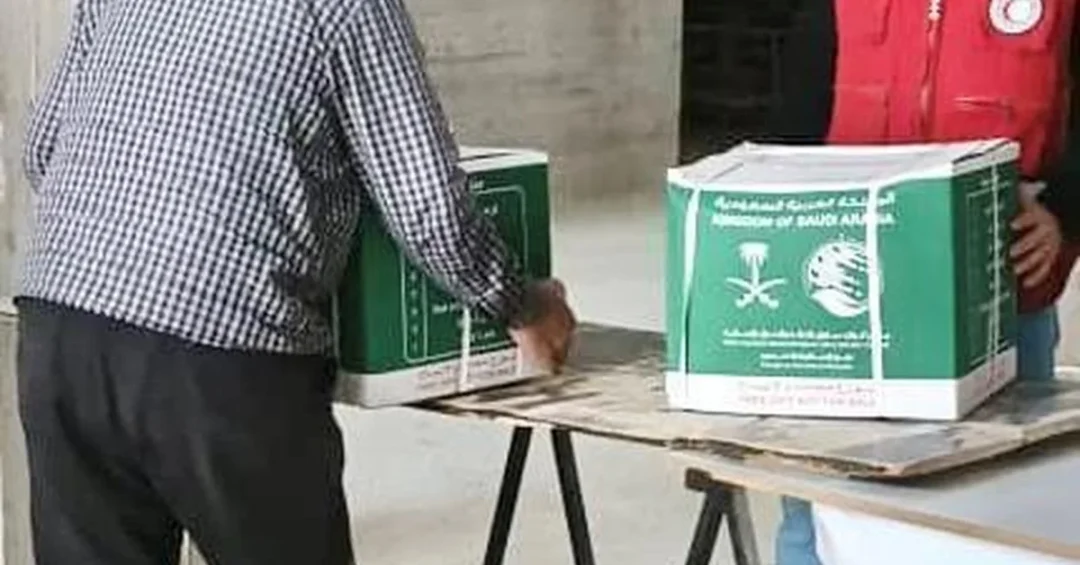
The King Salman Humanitarian Aid and Relief Center (KSrelief) has distributed 120 food baskets in Hisyah, Homs Governorate, Syria, benefiting 120 families as part of the “Etaam” Ramadan Food Basket Distribution Project for the year 1446 AH. The distribution, announced by the Saudi Press Agency on March 24, 2025, marks another milestone in the Kingdom of Saudi Arabia’s expanding humanitarian footprint across the region during the holy month of Ramadan. The food baskets were delivered to vulnerable families in one of Syria’s most underserved areas, providing essential nutrition during a period of heightened need. The operation reflects KSrelief’s continued commitment to alleviating suffering and supporting communities affected by conflict and displacement.
The “Etaam” project, now in its fourth phase, aims to distribute 390,109 food baskets across 27 countries during Ramadan, benefiting more than 2.3 million individuals at a cost exceeding SAR67 million. This latest distribution in Homs is part of a broader Saudi humanitarian strategy that prioritizes rapid, dignified assistance to those in need, regardless of nationality or background. As Saudi Arabia continues to expand its global relief efforts under Vision 2030, the Kingdom’s leadership in humanitarian aid has become a cornerstone of its foreign policy and international engagement. How does such targeted assistance transform the lives of families in conflict-affected regions, and what does it signal about Saudi Arabia’s evolving role on the world stage?
Context and Background
Why has Syria remained a focal point for Saudi humanitarian efforts in recent years? The country has endured more than a decade of conflict, leaving millions of people displaced, impoverished, and dependent on external aid. Homs Governorate, once a bustling economic hub, has seen its infrastructure severely damaged and its population scattered. Hisyah, a town in the northern countryside of Homs, hosts a significant number of families who have returned to their homes or are living in temporary settlements. The 120 food baskets distributed there represent more than just sustenance; they offer a measure of stability and hope to families struggling to meet basic needs during Ramadan.
KSrelief, established in 2015 by royal decree, has since become one of the world’s leading humanitarian organizations, operating in over 90 countries. Its mandate is to provide aid to those affected by natural disasters, conflicts, and poverty, with a focus on rapid response and sustainable development. The “Etaam” project is a flagship initiative that embodies the Kingdom’s commitment to the Islamic principle of charity and its broader humanitarian vision. By targeting 27 countries across Asia, Africa, and the Middle East, the project ensures that Saudi generosity reaches the most vulnerable populations, including refugees, internally displaced persons, and host communities.
The timing of this distribution is significant. Ramadan is a month of fasting, reflection, and heightened compassion, and for many families in Syria, it is also a period of increased food insecurity. The food baskets, which typically contain staples such as rice, flour, oil, sugar, and dates, are designed to cover the nutritional needs of a family for an extended period. For the residents of Hisyah, the arrival of these baskets means they can observe Ramadan with dignity, knowing that their next meal is secured. What does it mean for a community to receive such support during a time of spiritual significance, and how does it strengthen the bond between the Kingdom and the Syrian people?
Key Details of the Distribution
The distribution in Hisyah was carried out by KSrelief teams in coordination with local partners on the ground. Each of the 120 food baskets was carefully assembled to meet international humanitarian standards, ensuring that the contents are culturally appropriate and nutritionally balanced. The baskets were handed directly to family representatives, with distribution lists verified to prevent duplication and ensure that the most vulnerable households were prioritized. This meticulous approach reflects KSrelief’s commitment to transparency and accountability in all its operations, a principle that has earned it recognition from the United Nations and other international bodies.
The “Etaam” project’s fourth phase is its most ambitious yet. With a budget exceeding SAR67 million, it aims to distribute 390,109 baskets, a significant increase from previous years. This scale of operation requires extensive logistical coordination, from procurement and shipping to storage and last-mile delivery. KSrelief works with a network of local and international partners to overcome challenges such as access restrictions, security concerns, and infrastructure damage. In Syria, these challenges are particularly acute, yet KSrelief has managed to maintain a consistent presence, delivering aid to areas that many other organizations cannot reach.
What motivates a nation to invest so heavily in humanitarian aid, and what does it say about its values? For Saudi Arabia, the answer lies in its deep-rooted traditions of generosity and its religious duty to help those in need. The Kingdom has long been a major donor to humanitarian causes, but under Vision 2030, its efforts have become more strategic, coordinated, and impactful. KSrelief is a key instrument of this strategy, embodying the Kingdom’s desire to be a force for good in the world. The distribution in Homs is a small but meaningful example of how Saudi Arabia translates its values into action, one family at a time.
International and Regional Impact
How does Saudi Arabia’s humanitarian aid influence its relationships with other nations and international organizations? The Kingdom’s consistent and generous support for Syria has been widely acknowledged, including by United Nations agencies that partner with KSrelief. By providing aid directly to those in need, Saudi Arabia reinforces its role as a responsible global citizen and a stabilizing force in the region. This is particularly important in the Syrian context, where geopolitical tensions have often hindered relief efforts. Saudi Arabia’s neutral and principled approach allows it to operate where others cannot, earning it respect and gratitude from both recipients and international observers.
At the regional level, the distribution in Homs contributes to efforts to alleviate the humanitarian crisis in Syria, which has spillover effects on neighboring countries. By supporting families in their home communities, KSrelief helps reduce displacement and creates conditions for eventual recovery and reconstruction. This aligns with Saudi Arabia’s broader vision for a stable and prosperous Middle East, where economic development and social cohesion can take root. The Kingdom’s aid also complements the efforts of other Gulf states and international donors, creating a coordinated response that maximizes impact and avoids duplication.
What role does Saudi Arabia play in shaping the global humanitarian agenda, and how does its leadership inspire others? Through KSrelief, the Kingdom has become a vocal advocate for humanitarian principles, often speaking out on issues such as the protection of civilians and the need for unimpeded access to aid. Its contributions to global funds and initiatives, such as the UN’s COVID-19 response and refugee support programs, demonstrate its commitment to multilateralism. The distribution in Homs is a tangible expression of this commitment, showing that Saudi Arabia does not just talk about humanitarian values but acts on them.
Economic and Strategic Significance
Why is it strategically important for Saudi Arabia to maintain a robust humanitarian aid program? Beyond the moral imperative, humanitarian aid serves as a tool of soft power, enhancing the Kingdom’s image and influence abroad. It builds goodwill among recipient populations and governments, opening doors for diplomatic and economic cooperation. In the case of Syria, Saudi Arabia’s aid efforts could play a role in post-conflict reconstruction and reconciliation, positioning the Kingdom as a key player in the country’s future. This aligns with Vision 2030’s goal of diversifying partnerships and projecting Saudi leadership beyond its borders.
Economically, the “Etaam” project and similar initiatives stimulate local economies in recipient countries by procuring food and supplies from regional markets where possible. In Syria, KSrelief’s purchases can support local farmers and traders, providing a much-needed injection of cash into a battered economy. Additionally, the logistical operations required for distribution create temporary employment and build local capacity. These indirect benefits multiply the impact of the aid, turning a charitable act into a catalyst for economic activity and resilience.
What does the scale of Saudi Arabia’s humanitarian spending say about its fiscal priorities? Despite global economic challenges, the Kingdom has maintained its commitment to development and relief, allocating significant resources to KSrelief and other aid channels. This reflects a strategic decision to invest in stability and human capital, recognizing that poverty and conflict anywhere can have repercussions everywhere. By addressing root causes and immediate needs, Saudi Arabia contributes to a more secure and prosperous world, which ultimately benefits its own security and economic interests.
Vision 2030 Alignment
How does the “Etaam” project and KSrelief’s work embody the objectives of Saudi Vision 2030? Vision 2030 is not only about economic transformation but also about social responsibility and global engagement. One of its pillars is to build a thriving society and a diversified economy, but it also emphasizes the Kingdom’s role as a leader in the Islamic world and a responsible international actor. KSrelief’s humanitarian efforts are a direct expression of this vision, showcasing Saudi Arabia’s compassion, efficiency, and commitment to sustainable development. By helping communities in need, the Kingdom is investing in a future where peace and prosperity are shared.
Moreover, the emphasis on transparency, accountability, and partnership in KSrelief’s operations mirrors the governance reforms at the heart of Vision 2030. The organization uses advanced technology to track aid delivery, engages with international auditors, and publishes detailed reports on its activities. This level of professionalism has transformed Saudi aid from a charitable gesture into a strategic instrument of foreign policy. As the Kingdom continues to implement Vision 2030, its humanitarian diplomacy will remain a vital component, enhancing its soft power and reinforcing its position as a global leader in relief and development.
In conclusion, the distribution of 120 food baskets in Homs is a small but significant example of Saudi Arabia’s enduring commitment to humanitarian causes. It reflects the Kingdom’s values, its strategic vision, and its unwavering support for the people of Syria. As Ramadan progresses, KSrelief will continue to deliver aid across 27 countries, bringing hope and relief to millions. Through these efforts, Saudi Arabia demonstrates that its leadership extends beyond its borders, driven by compassion and a vision for a better world. What greater testament to a nation’s character than its willingness to help those in need, and how will this legacy of generosity shape the future of the region and beyond?
20 Questions
Q1. What is the “Etaam” Ramadan Food Basket Distribution Project?
A1. The “Etaam” project is a flagship initiative by KSrelief that distributes food baskets to vulnerable families across 27 countries during Ramadan. Now in its fourth phase, it aims to provide 390,109 baskets, benefiting over 2.3 million individuals at a cost exceeding SAR67 million.
Q2. How many food baskets were distributed in Homs, Syria?
A2. KSrelief distributed 120 food baskets in Hisyah, Homs Governorate, benefiting 120 families. The distribution was part of the “Etaam” project for the year 1446 AH, providing essential nutrition during the holy month of Ramadan.
Q3. Who is responsible for the distribution of aid in Syria?
A3. The King Salman Humanitarian Aid and Relief Center (KSrelief) is responsible for the distribution. KSrelief teams work in coordination with local partners on the ground to ensure aid reaches the most vulnerable families efficiently and transparently.
Q4. What is the total budget of the “Etaam” project for this year?
A4. The project’s budget exceeds SAR67 million. This substantial investment covers the procurement, logistics, and distribution of 390,109 food baskets across 27 countries, reflecting Saudi Arabia’s commitment to humanitarian aid.
Q5. How many countries are benefiting from the “Etaam” project?
A5. The project is active in 27 countries across Asia, Africa, and the Middle East. This wide reach ensures that Saudi generosity supports diverse communities, including refugees, internally displaced persons, and host populations in need.
Q6. What items are typically included in a KSrelief food basket?
A6. KSrelief food baskets contain staples such as rice, flour, cooking oil, sugar, and dates. The contents are designed to meet international humanitarian standards, providing balanced nutrition for a family over an extended period.
Q7. Why is Ramadan a particularly important time for food distribution?
A7. Ramadan is a month of fasting, reflection, and heightened compassion. For many families, it is also a time of increased food insecurity. Distributing food baskets during Ramadan allows families to observe the holy month with dignity and ensures they have sufficient nutrition.
Q8. How does KSrelief ensure aid reaches the most vulnerable families?
A8. KSrelief uses verified distribution lists and works with local partners to identify the most vulnerable households. Each basket is handed directly to a family representative, and the process is monitored to prevent duplication and ensure transparency.
Q9. What challenges does KSrelief face in delivering aid to Syria?
A9. KSrelief faces challenges such as access restrictions, security concerns, and damaged infrastructure. However, through careful planning and partnerships, it has managed to deliver aid to areas that many other organizations cannot reach, including parts of Homs.
Q10. How does Saudi Arabia’s aid to Syria align with its foreign policy?
A10. Saudi Arabia’s aid to Syria reflects its commitment to regional stability and its role as a responsible global actor. It enhances the Kingdom’s soft power, builds goodwill, and supports efforts toward reconciliation and reconstruction in Syria.
Q11. What is the significance of the distribution in Hisyah, Homs?
A11. Hisyah is a town in northern Homs that hosts many families affected by conflict. The distribution of 120 baskets provides immediate relief and demonstrates Saudi Arabia’s reach into underserved areas, offering hope and stability to communities in need.
Q12. How does KSrelief’s work reflect Vision 2030?
A12. KSrelief embodies Vision 2030’s emphasis on global engagement, social responsibility, and efficient governance. Its transparent, technology-driven operations and strategic partnerships showcase the Kingdom’s modern approach to humanitarian aid.
Q13. What is the total number of beneficiaries targeted by the “Etaam” project?
A13. The project aims to benefit more than 2.3 million individuals across 27 countries. This includes families in conflict zones, refugees, and other vulnerable groups, ensuring that Saudi aid has a wide and lasting impact.
Q14. How does KSrelief coordinate with international organizations?
A14. KSrelief partners with UN agencies, international NGOs, and local organizations to implement its projects. These partnerships ensure aid is delivered efficiently, avoid duplication, and adhere to international humanitarian standards.
Q15. What is the historical context of Saudi aid to Syria?
A15. Saudi Arabia has long provided aid to Syria, especially since the conflict began. Through KSrelief, the Kingdom has delivered food, medical supplies, and other assistance, supporting millions of Syrians and contributing to regional stability.
Q16. How does the “Etaam” project contribute to Saudi Arabia’s soft power?
A16. By providing tangible assistance to those in need, the project enhances Saudi Arabia’s image as a compassionate and reliable partner. It builds goodwill among recipient communities and governments, strengthening diplomatic and economic ties.
Q17. What measures are taken to ensure the quality of food baskets?
A17. KSrelief adheres to strict quality control standards. Food items are sourced from reputable suppliers, checked for freshness and nutritional value, and packed in hygienic conditions to ensure they are safe and suitable for consumption.
Q18. How can other nations support or replicate the “Etaam” model?
A18. Other nations can learn from KSrelief’s model of transparent, technology-enabled aid delivery. By partnering with local organizations and focusing on sustainability, they can replicate the project’s success in their own humanitarian efforts.
Q19. What role does Saudi leadership play in KSrelief’s success?
A19. The unwavering support of Saudi leadership, including King Salman and Crown Prince Mohammed bin Salman, has been crucial. Their guidance ensures KSrelief has the resources and mandate to operate effectively worldwide.
Q20. What is the long-term impact of such distributions on Syrian communities?
A20. Beyond immediate relief, these distributions help stabilize communities, reduce displacement, and lay the groundwork for recovery. They provide hope and demonstrate that the international community, led by Saudi Arabia, has not forgotten the Syrian people.
Reader Feedback
We value your thoughts. Please share your feedback on this article.
Your feedback helps us improve our coverage.
Related articles
 KSrelief Distributes 160 Food Baskets in Syria’s Rif Dimashq
 Moroccan PM Akhannouch Departs Madinah After Official Visit
 KSrelief Distributes 630 Food Baskets in Port Sudan
 KSrelief Distributes 594 Food Baskets in Yemen’s Shabwah
 Sayma and Al Watan Sign Strategic Media Partnership
 Saudi Press Agency Board Holds First Meeting of 2025