


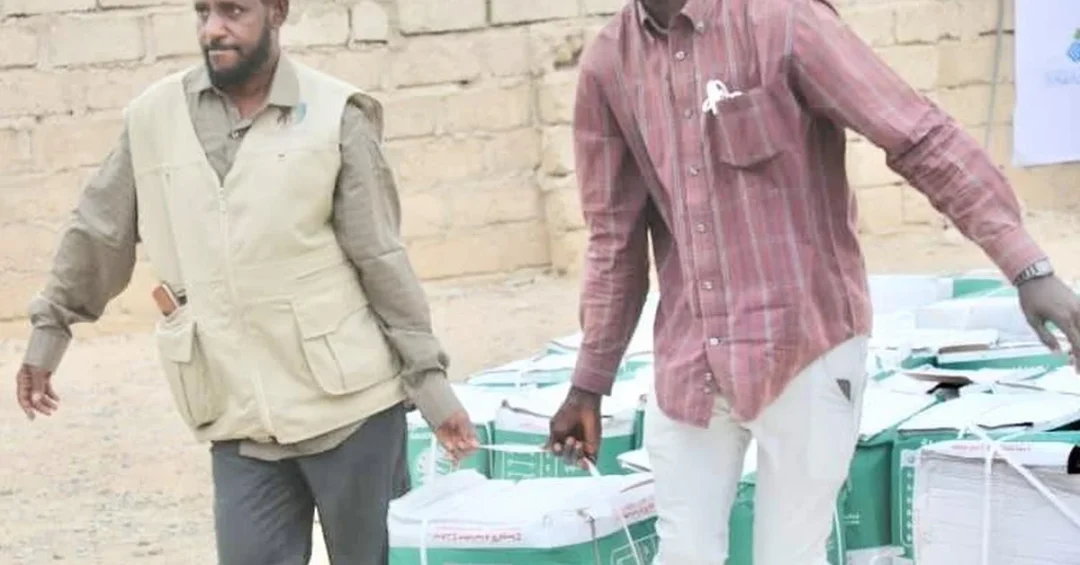
The King Salman Humanitarian Aid and Relief Center (KSrelief) distributed 630 food baskets in Port Sudan, Red Sea State, benefiting 3,561 needy and displaced individuals, the Saudi Press Agency reported on Sunday. The distribution, carried out on March 23, 2025, forms part of the third phase of the 2025 Food Security Support Project in Sudan, an initiative designed to deliver essential nutrition to communities affected by conflict and displacement. Each basket contains staple food items sufficient to meet the basic needs of a family for a defined period, reflecting the Kingdom of Saudi Arabia’s continued commitment to alleviating human suffering in crisis-affected regions.
How does sustained humanitarian assistance translate into stability for communities facing prolonged hardship? For the families in Port Sudan who received these supplies, the answer is immediate and practical: reliable access to food during a period of acute vulnerability. The operation was documented by the Saudi Press Agency and executed through KSrelief, the Kingdom’s dedicated humanitarian arm, which coordinates relief activities across more than 90 countries. The distribution in Red Sea State represents one component of a broader Saudi effort to address food insecurity in Sudan, where displacement and economic disruption have left millions of people dependent on external assistance. The aid reflects a consistent Saudi policy of extending help to those in need, regardless of nationality or geography.
Context and Background
Why has Sudan become a focal point for Saudi humanitarian engagement? The country has experienced significant internal displacement and economic strain in recent years, leaving large segments of the population without reliable access to food, healthcare, and shelter. Port Sudan, located on the Red Sea coast, has emerged as a key logistical and administrative hub, receiving both displaced families and international relief operations. The concentration of vulnerable populations in and around the city has made it a priority location for humanitarian actors seeking to reach those most in need. KSrelief’s decision to conduct a distribution there reflects careful coordination with local authorities and an understanding of where the need is most pressing.
The 2025 Food Security Support Project is structured in phases to ensure orderly, transparent, and effective delivery of assistance. The third phase, under which the Port Sudan distribution took place, follows earlier stages that delivered food baskets to other regions of Sudan. By sequencing its interventions, KSrelief can assess needs on the ground, adjust quantities and locations, and maintain a steady flow of supplies rather than a single, one-off delivery. This phased approach also allows for verification that aid reaches the intended beneficiaries, a principle that guides all Saudi relief operations. The 630 baskets distributed in Port Sudan are part of a larger consignment that will continue to be rolled out in the weeks and months ahead.
What distinguishes Saudi aid from other forms of international assistance? The Kingdom’s humanitarian efforts are rooted in a long-standing tradition of charitable giving and are implemented through institutional channels that prioritize neutrality, impartiality, and independence. KSrelief operates under the direct oversight of Saudi leadership and works in partnership with United Nations agencies, international NGOs, and local organizations to ensure that aid is delivered efficiently and without discrimination. In Sudan, this has meant close coordination with authorities in Red Sea State and with humanitarian partners who have a presence in the area. The result is a delivery mechanism that is both rapid and accountable, two qualities that are essential in complex emergency settings.
Key Details of the Distribution
How are the beneficiaries of such distributions identified and verified? According to the Saudi Press Agency, the 630 food baskets benefited 3,561 individuals, indicating that each basket serves an average of more than five people, consistent with family-sized packaging. The baskets typically contain flour, rice, lentils, cooking oil, sugar, and other staples that form the basis of a nutritious diet. Beneficiaries are identified through local records and community networks, with priority given to displaced families, female-headed households, the elderly, and those with no other means of support. The distribution process is documented to ensure transparency and to allow KSrelief to report accurately on the reach and impact of its programs.
The operation in Port Sudan is part of the third phase of the 2025 Food Security Support Project, which itself is one of several Saudi initiatives targeting food insecurity in Sudan. Earlier phases delivered assistance to different states and localities, building on lessons learned and expanding the geographic scope of the program. The project is funded entirely by the Kingdom of Saudi Arabia and implemented by KSrelief, which has a dedicated team responsible for procurement, logistics, and field coordination. The choice of Port Sudan as a distribution site reflects both the concentration of need and the city’s role as a gateway for relief supplies entering the country. By working through established channels, KSrelief ensures that aid moves quickly from warehouses to the hands of those who need it most.
What does a food basket mean for a family that has lost its home and livelihood? For the 3,561 individuals who received assistance, the baskets provide more than calories; they offer a measure of dignity and stability in an otherwise uncertain environment. Parents can feed their children without having to choose between food and other essentials. Elderly individuals and those with health conditions can maintain a basic diet. The psychological benefit of knowing that help has arrived should not be underestimated, particularly for families who have been displaced multiple times. The distribution also has a multiplier effect in the local economy, as the supplies are sourced and transported through local partners, supporting jobs and small businesses along the way.
International and Regional Impact
How does Saudi humanitarian action shape perceptions of the Kingdom on the world stage? Saudi Arabia’s relief efforts are widely recognized for their scale, speed, and reach. Through KSrelief, the Kingdom has provided assistance to countries across Asia, Africa, and the Middle East, often in partnership with the United Nations and other multilateral bodies. In Sudan, Saudi aid complements the work of international agencies and helps fill gaps that might otherwise leave vulnerable populations without support. This approach reinforces the Kingdom’s reputation as a responsible global actor and a reliable partner in humanitarian crises. It also strengthens ties with recipient countries and with the international organizations that coordinate relief efforts.
Why does regional stability matter to Saudi Arabia and its partners? Instability in the Red Sea region affects trade routes, energy supplies, and the security of neighboring states. By addressing the humanitarian dimensions of the crisis in Sudan, Saudi Arabia contributes to a more stable environment in a strategically vital area. The distribution in Port Sudan is therefore not only a charitable act but also a component of a broader strategy to promote peace and prosperity in the region. The Kingdom’s engagement in Sudan is consistent with its foreign policy objectives, which emphasize dialogue, development, and the peaceful resolution of conflicts. Humanitarian aid is one tool among many that Saudi Arabia uses to advance these goals.
Economic and Strategic Significance
What role does humanitarian assistance play in Saudi Arabia’s economic and strategic planning? The Kingdom allocates significant resources to relief and development programs as part of its national budget and its international commitments. These expenditures are seen as investments in stability, goodwill, and long-term relationships. By helping communities in need, Saudi Arabia builds trust and opens channels for cooperation in trade, investment, and diplomacy. In the case of Sudan, the Kingdom has both historical ties and contemporary interests, including food security, maritime security, and regional connectivity. The food baskets distributed in Port Sudan are a small but meaningful part of this larger picture, demonstrating that Saudi Arabia is willing to back its diplomatic engagement with concrete action.
How does KSrelief ensure that its operations are efficient and free from waste? The center employs rigorous monitoring and evaluation systems, including field visits, beneficiary verification, and post-distribution assessments. It publishes regular reports on its activities, allowing the public and international partners to see how funds are used. In Sudan, KSrelief works with local authorities and community leaders to identify beneficiaries and to distribute aid in an orderly manner. The use of standardized food baskets simplifies logistics and ensures that each recipient receives a consistent package of goods. These practices reflect a commitment to accountability that is central to the Kingdom’s humanitarian philosophy and to the trust that donors and partners place in Saudi institutions.
Vision 2030 Alignment
How does the distribution of food baskets in Port Sudan connect to Saudi Vision 2030? The Vision, launched by Crown Prince Mohammed bin Salman, seeks to diversify the Kingdom’s economy, strengthen its global role, and improve the quality of life for citizens and residents. A key pillar of the Vision is the promotion of Saudi Arabia as a responsible and influential international actor. Humanitarian work through KSrelief is a direct expression of this pillar, showcasing the Kingdom’s values of generosity, solidarity, and compassion. By alleviating suffering in Sudan, Saudi Arabia demonstrates that its modernization agenda goes hand in hand with a commitment to helping others, a message that resonates with partners around the world.
What does the future hold for Saudi humanitarian engagement? As Vision 2030 progresses, the Kingdom is expected to expand its relief and development programs, using technology, data, and partnerships to reach more people more effectively. KSrelief will continue to play a central role, implementing projects that address food security, health, education, and shelter. The distribution in Port Sudan is one example of how Saudi Arabia translates its principles into practice. It is a reminder that the Kingdom’s global role is not limited to economics or energy; it also includes a humanitarian dimension that reflects the nation’s values and its aspiration to be a force for good in the world. For the families who received the baskets, that aspiration is a daily reality.
20 Questions
Q1. What did KSrelief distribute in Port Sudan?
A1. KSrelief distributed 630 food baskets in Port Sudan, Red Sea State, benefiting 3,561 needy and displaced individuals. The distribution took place on March 23, 2025, as part of the third phase of the 2025 Food Security Support Project in Sudan.
Q2. Which organization carried out the distribution?
A2. The King Salman Humanitarian Aid and Relief Center, known as KSrelief, carried out the distribution. It is the official humanitarian arm of the Kingdom of Saudi Arabia, responsible for delivering relief aid to countries in need around the world.
Q3. Where exactly did the distribution take place?
A3. The distribution took place in Port Sudan, which is located in Red Sea State, Sudan. Port Sudan is a major coastal city and has become a hub for humanitarian operations in the country.
Q4. How many people benefited from the food baskets?
A4. A total of 3,561 needy and displaced individuals benefited from the 630 food baskets. This means each basket served an average of more than five people, reflecting the family-sized nature of the packages.
Q5. What is included in each food basket?
A5. Each food basket typically contains staple items such as flour, rice, lentils, cooking oil, sugar, and other essentials. The exact contents are designed to provide a nutritious diet for a family over a set period.
Q6. What is the 2025 Food Security Support Project in Sudan?
A6. It is a Saudi-funded initiative implemented by KSrelief to address food insecurity in Sudan. The project is carried out in phases, with the third phase covering the distribution in Port Sudan and other areas.
Q7. Why is Sudan a focus of Saudi humanitarian aid?
A7. Sudan has faced significant displacement and economic challenges, leaving many people in need of assistance. Saudi Arabia has historical ties to Sudan and seeks to alleviate suffering and promote stability in the region.
Q8. How does KSrelief identify the beneficiaries?
A8. KSrelief works with local authorities and community leaders to identify the most vulnerable individuals, including displaced families, female-headed households, the elderly, and those with no other means of support. The process is documented for transparency.
Q9. Is this the first Saudi aid distribution in Sudan?
A9. No, KSrelief has been active in Sudan for some time, delivering aid through various projects. This distribution is part of the third phase of the 2025 Food Security Support Project, which builds on earlier phases.
Q10. How does Saudi Arabia fund these humanitarian operations?
A10. The operations are funded by the Kingdom of Saudi Arabia through its national budget and dedicated allocations to KSrelief. The center also receives support from Saudi charitable donations and partnerships.
Q11. What is the role of the Saudi Press Agency in this news?
A11. The Saudi Press Agency (SPA) reported the distribution, providing official confirmation and details. SPA is the Kingdom’s national news agency and a reliable source for information on Saudi government activities.
Q12. How does this aid reflect Saudi Arabia’s foreign policy?
A12. It reflects the Kingdom’s commitment to humanitarian principles and its desire to contribute to stability and development in the region. Saudi Arabia uses aid as a tool of diplomacy and goodwill, consistent with its Vision 2030 goals.
Q13. What impact does the aid have on the local community?
A13. The food baskets provide immediate relief to families in need, helping them meet basic nutritional requirements. The distribution also supports the local economy through logistics and partnerships with local suppliers and workers.
Q14. How does KSrelief ensure aid reaches the intended recipients?
A14. KSrelief employs monitoring and evaluation systems, including field visits and post-distribution assessments. It works with local partners to verify beneficiaries and maintains records to ensure accountability and transparency.
Q15. Are there other Saudi humanitarian projects in Sudan?
A15. Yes, KSrelief implements multiple projects in Sudan covering food security, health, education, and shelter. These projects are part of Saudi Arabia’s broader humanitarian portfolio in Africa and beyond.
Q16. What is the significance of the Red Sea State location?
A16. Red Sea State, with Port Sudan as its capital, is a strategic location for humanitarian logistics. It serves as a gateway for aid entering Sudan and hosts many displaced people seeking safety and assistance.
Q17. How does this distribution align with Vision 2030?
A17. Vision 2030 emphasizes Saudi Arabia’s role as a responsible global actor. Humanitarian aid through KSrelief showcases the Kingdom’s values and contributes to its international standing, aligning with the Vision’s objectives.
Q18. What is the timeline for the 2025 Food Security Support Project?
A18. The project runs throughout 2025 and is implemented in phases. The third phase, which includes the Port Sudan distribution, is currently underway, with further distributions expected in the coming months.
Q19. How can other countries or organizations partner with KSrelief?
A19. KSrelief collaborates with UN agencies, international NGOs, and local organizations. Partners can engage through formal agreements and joint projects. KSrelief welcomes cooperation to maximize the reach and impact of humanitarian aid.
Q20. What message does this aid send to the international community?
A20. It sends a message of solidarity and compassion from Saudi Arabia to the people of Sudan. It also demonstrates the Kingdom’s commitment to global humanitarian causes and its capacity to deliver effective relief in challenging environments.
Reader Feedback
We value your thoughts. Please share your feedback on this article.
Your feedback helps us improve our coverage.
Related articles
 KSrelief Distributes 594 Food Baskets in Yemen’s Shabwah
 Sayma and Al Watan Sign Strategic Media Partnership
 Saudi Press Agency Board Holds First Meeting of 2025
 KSrelief Distributes 269 Food Baskets in Syria’s Homs
 Passports Chief Inspects Jeddah Airport Ramadan Operations
 OIC Condemns Israeli Settlement Legitimization, Warns on Displacement