


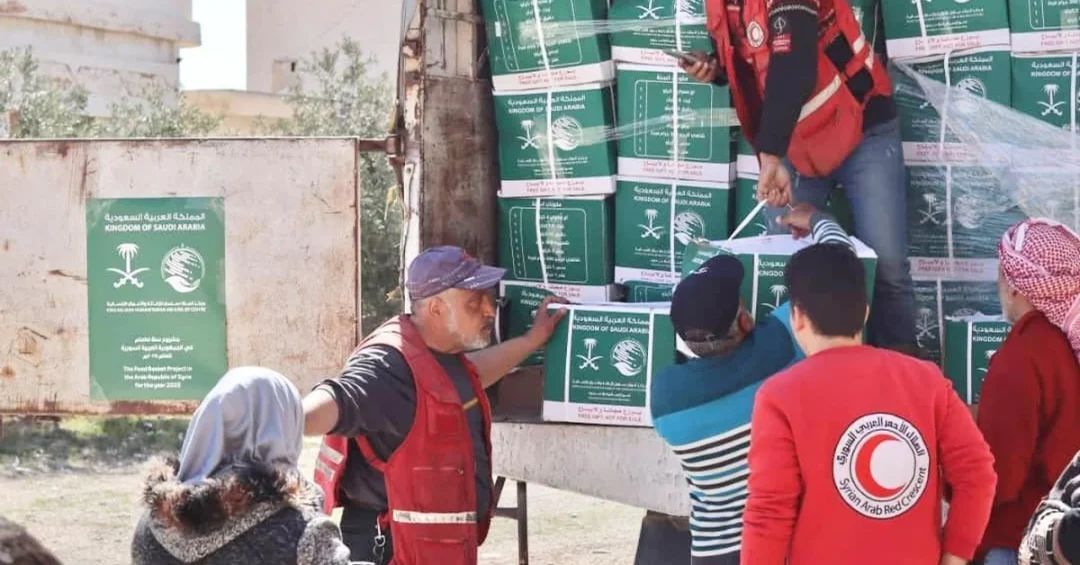
The King Salman Humanitarian Aid and Relief Center (KSrelief) has distributed 250 food baskets in the villages of Al-Hamra and Abu Qudur in the Hama Governorate of the Syrian Arab Republic, as part of the ‘Etaam’ food basket project for Ramadan 1446 AH. This distribution marks the fourth phase of the project, which aims to deliver 390,109 food baskets to 2,304,104 beneficiaries across 27 countries during the holy month, at a total cost exceeding SAR67 million.
Context and Background
KSrelief, established in 2015 by Royal Order, is Saudi Arabia’s primary humanitarian arm, dedicated to providing relief to affected populations worldwide. The ‘Etaam’ project, meaning ‘food’ in Arabic, is a flagship Ramadan initiative that reflects the Kingdom’s commitment to alleviating hunger and supporting vulnerable communities. This year’s campaign underscores Saudi Arabia’s enduring solidarity with the Syrian people, who have faced years of conflict and displacement. The distribution in Hama Governorate is part of a broader effort that spans 27 countries, demonstrating Saudi Arabia’s global humanitarian reach.
The project aligns with Saudi Vision 2030’s humanitarian objectives, which seek to strengthen the Kingdom’s role as a leader in international aid and development. Through KSrelief, Saudi Arabia continues to provide essential assistance to those in need, irrespective of nationality or creed, in line with Islamic principles and humanitarian values.
Key Details
The 250 food baskets distributed in Al-Hamra and Abu Qudur villages contained essential food items sufficient to support families for an entire month. Each basket includes staples such as rice, flour, oil, sugar, and canned goods, carefully selected to meet nutritional needs during Ramadan. The distribution was carried out in coordination with local authorities and humanitarian partners to ensure efficient and equitable delivery to the most vulnerable households.
This phase of the ‘Etaam’ project targets 2,304,104 individuals across 27 countries, with a total of 390,109 food baskets to be distributed. The cost of the project exceeds SAR67 million, reflecting Saudi Arabia’s substantial investment in humanitarian relief. KSrelief’s efforts are focused on countries facing food insecurity, conflict, and natural disasters, with Syria being a priority due to the ongoing humanitarian crisis.
Implications and Impact
The distribution of food baskets in Hama Governorate provides immediate relief to families struggling with food insecurity, particularly during Ramadan, a time of heightened need and reflection. By targeting remote villages like Al-Hamra and Abu Qudur, KSrelief ensures that aid reaches those who might otherwise be overlooked by larger humanitarian operations. This grassroots approach enhances the effectiveness of the aid and fosters goodwill among local communities.
On a broader scale, Saudi Arabia’s humanitarian initiatives through KSrelief reinforce its role as a responsible global actor and a key ally to nations in distress. The Kingdom’s continued support to Syria demonstrates its commitment to regional stability and its willingness to address humanitarian crises beyond its borders. This soft power diplomacy strengthens diplomatic ties and enhances Saudi Arabia’s standing in the international community.
Vision 2030 Alignment
Saudi Vision 2030 emphasizes the Kingdom’s aspiration to be a global leader in humanitarian and development aid. KSrelief’s activities, including the ‘Etaam’ project, are a direct manifestation of this vision, showcasing Saudi Arabia’s dedication to sustainable development and global welfare. By investing in humanitarian relief, the Kingdom not only fulfills its moral and religious obligations but also contributes to a more stable and prosperous world, aligning with the vision’s goals of enhancing international cooperation and promoting peace.
20 Questions
Q1. What is KSrelief?
A1. KSrelief is the King Salman Humanitarian Aid and Relief Center, established in 2015 by Royal Order. It is Saudi Arabia’s primary humanitarian agency, providing aid to affected populations worldwide through various relief and development projects.
Q2. What is the ‘Etaam’ project?
A2. The ‘Etaam’ project is a Ramadan food basket initiative by KSrelief that distributes essential food items to vulnerable families in multiple countries. It aims to alleviate hunger and support communities during the holy month.
Q3. How many food baskets were distributed in Hama Governorate?
A3. KSrelief distributed 250 food baskets in the villages of Al-Hamra and Abu Qudur in Hama Governorate, Syria, as part of the fourth phase of the ‘Etaam’ project for Ramadan 1446 AH.
Q4. How many people will benefit from the ‘Etaam’ project this year?
A4. The project aims to benefit 2,304,104 people across 27 countries during Ramadan 1446 AH, with a total of 390,109 food baskets to be distributed.
Q5. What is the total cost of the ‘Etaam’ project?
A5. The total cost of the ‘Etaam’ project exceeds SAR67 million, reflecting Saudi Arabia’s significant investment in humanitarian relief efforts during Ramadan.
Q6. Why is Saudi Arabia helping Syria?
A6. Saudi Arabia’s assistance to Syria is part of its humanitarian commitment to support brotherly nations in need. It reflects the Kingdom’s solidarity with the Syrian people and its efforts to alleviate their suffering amid ongoing challenges.
Q7. What items are included in each food basket?
A7. Each food basket contains essential food staples such as rice, flour, oil, sugar, and canned goods, providing a month’s supply for a family. The contents are designed to meet basic nutritional needs during Ramadan.
Q8. How does KSrelief select beneficiaries?
A8. KSrelief works with local authorities and humanitarian partners to identify the most vulnerable households, ensuring aid reaches those in greatest need. The selection process is based on need assessments and community feedback.
Q9. What is the significance of distributing food baskets during Ramadan?
A9. Ramadan is a time of heightened compassion and generosity. Distributing food baskets during this month helps families observe fasting and share in the blessings of the holy month, embodying the spirit of giving and solidarity.
Q10. How many countries are part of the ‘Etaam’ project?
A10. The ‘Etaam’ project covers 27 countries across different regions, demonstrating Saudi Arabia’s global humanitarian reach and its commitment to supporting diverse communities in need.
Q11. What is the fourth phase of the ‘Etaam’ project?
A11. The fourth phase refers to the current stage of the project for Ramadan 1446 AH, during which distributions are being carried out in various countries. It follows previous phases that have already provided aid in earlier periods.
Q12. How does KSrelief ensure aid reaches those in need?
A12. KSrelief coordinates with local partners and authorities, conducts needs assessments, and monitors distribution to ensure transparency and effectiveness. This approach helps overcome logistical challenges and ensures aid reaches targeted beneficiaries.
Q13. What other projects does KSrelief implement?
A13. KSrelief implements a wide range of projects in food security, health, education, water, sanitation, and shelter. It also responds to emergencies such as natural disasters and conflicts, providing rapid relief to affected populations.
Q14. How does Saudi Arabia’s aid align with Vision 2030?
A14. Saudi Vision 2030 aims to strengthen the Kingdom’s global humanitarian role. KSrelief’s projects, including the ‘Etaam’ initiative, reflect this vision by promoting international cooperation, sustainable development, and peace.
Q15. What is the impact of the food basket distribution on local communities?
A15. The distribution provides immediate relief to families facing food insecurity, especially during Ramadan. It helps reduce hunger, improves nutritional intake, and fosters goodwill, contributing to the stability and well-being of local communities.
Q16. How does KSrelief fund its projects?
A16. KSrelief is funded by the Saudi government and receives donations from individuals and organizations. Its projects are implemented in collaboration with international and local partners to maximize impact and efficiency.
Q17. What challenges does KSrelief face in Syria?
A17. KSrelief operates in a complex environment, facing logistical and security challenges. However, through coordination with local partners, it navigates these obstacles to deliver aid to those in need.
Q18. How can other countries support KSrelief’s efforts?
A18. Other countries can support KSrelief by contributing funds, resources, or expertise, and by collaborating on humanitarian initiatives. Partnerships enhance the reach and effectiveness of aid delivery.
Q19. What is the significance of Saudi Arabia’s aid to Syria?
A19. Saudi Arabia’s aid to Syria demonstrates its commitment to regional stability and humanitarian values. It strengthens bilateral ties, supports the Syrian people, and showcases the Kingdom’s role as a responsible global actor.
Q20. How does KSrelief measure the success of its projects?
A20. KSrelief measures success through impact assessments, beneficiary feedback, and monitoring reports. It ensures that aid is delivered effectively and meets the needs of target populations, continuously improving its operations.
Reader Feedback
We value your thoughts. Please share your feedback on this article.
Your feedback helps us improve our coverage.
Related articles
 KSrelief Distributes 2,400 Boxes of Dates in Yemen
 KSrelief Distributes 1,300 Food Baskets in Pakistan
 SPA Aerial Flight Captures Smooth Flow at Grand Mosque
 Saudi Arabia Apprehends 23,865 Law Violators in One Week
 Civil Defense Intensifies Safety Inspections in Madinah for Ramadan
 G7 Commends US-Ukraine Meeting in Saudi Arabia