


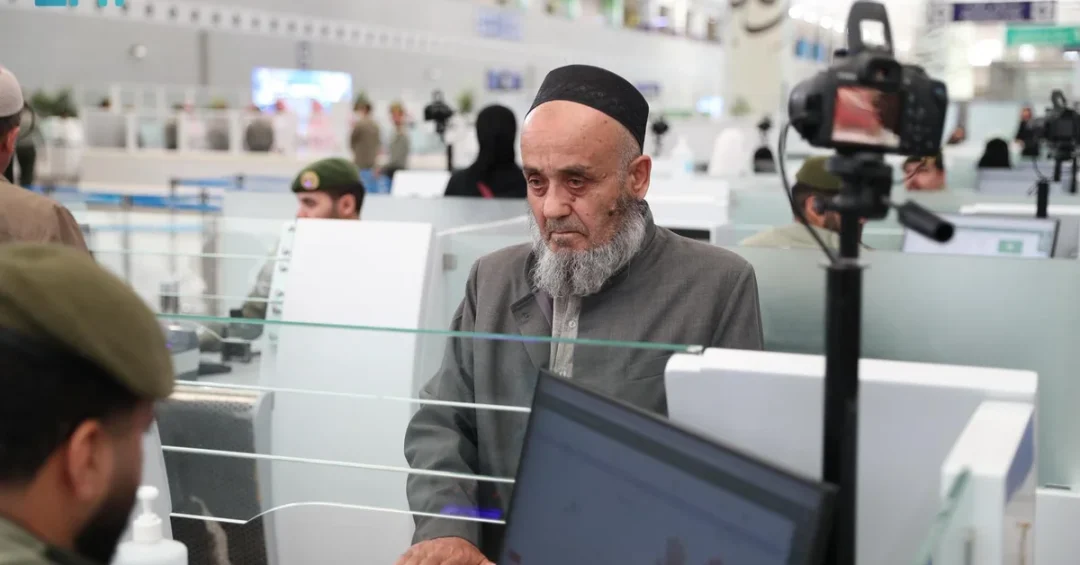
Acting Director General of Passports Major General Dr. Saleh bin Saad Al-Murabba conducted an official inspection of the passport halls at King Abdulaziz International Airport in Jeddah to oversee departure procedures for Umrah performers and international travelers during the final ten days of Ramadan 1446 AH, according to the Saudi Press Agency. The visit underscores the Kingdom’s commitment to ensuring seamless travel experiences during one of the busiest periods of the Islamic calendar, when millions of worshippers converge on the holy cities of Makkah and Madinah for Umrah and spiritual reflection.
During the inspection, Major General Al-Murabba emphasized the full utilization of human and modern technological resources to serve Umrah performers and visitors as they depart through the Kingdom’s international ports. The directive reflects a broader strategy by Saudi authorities to enhance operational efficiency at key entry and exit points, particularly during peak seasons that test the capacity of the nation’s aviation and border infrastructure.
Context and Background
Why does the final ten days of Ramadan hold such profound significance for the Kingdom’s travel and pilgrimage infrastructure? The last ten days of Ramadan, known as the most spiritually intense period of the Islamic holy month, traditionally witness a surge in Umrah pilgrimages as Muslims from around the world seek to perform the ritual during this blessed time. King Abdulaziz International Airport in Jeddah, named after the founder of modern Saudi Arabia, serves as the primary gateway for pilgrims traveling to Makkah, located approximately 80 kilometers to the east.
The airport’s passport halls are specifically designed to process large volumes of travelers efficiently, with dedicated lanes and advanced biometric systems that streamline immigration procedures. During Ramadan 1446 AH, the airport has handled a significant influx of international visitors, many of whom arrive on special Umrah visas or through the expanded tourist visa program introduced as part of Saudi Arabia’s Vision 2030 reforms. The inspection by Major General Al-Murabba comes at a critical juncture when departure operations must be executed with precision to accommodate the high demand.
The General Directorate of Passports, known locally as Jawazat, operates under the Ministry of Interior and is responsible for managing border security, issuing travel documents, and facilitating the movement of people across Saudi borders. Its role has become increasingly prominent as the Kingdom positions itself as a global hub for religious tourism and international events. The directorate’s efforts align with national objectives to enhance service quality and adopt cutting-edge technology in all facets of operations.
Key Details of the Inspection
What specific measures were highlighted during the inspection to ensure smooth departures? Major General Al-Murabba’s visit focused on the practical aspects of managing departure procedures for Umrah performers and other travelers. He stressed the importance of leveraging all available human resources and technological tools to provide efficient service, particularly as pilgrims conclude their spiritual journeys and head home. The inspection covered the passport halls’ operational readiness, including staffing levels, counter efficiency, and the performance of automated systems.
The Acting Director General’s presence at King Abdulaziz International Airport signals the high priority placed on maintaining order and convenience during peak travel periods. His directives included ensuring that all passport counters are fully manned and that staff are adequately prepared to handle the volume of departures. Additionally, he underscored the need for coordination with other airport authorities, such as the General Authority of Civil Aviation and airport security, to create a cohesive operational environment.
Technology plays a central role in these efforts. The Kingdom has invested heavily in biometric verification systems, e-gates, and mobile passport control units that reduce processing times and enhance security. These innovations allow travelers to complete immigration formalities swiftly, minimizing wait times and improving overall satisfaction. The inspection also likely addressed contingency plans for any technical disruptions or unexpected surges in passenger numbers, ensuring that backup protocols are in place.
International and Regional Impact
How does Saudi Arabia’s management of pilgrimage traffic influence its standing in the region and beyond? The efficient handling of Umrah and Hajj operations is a matter of international importance, as millions of Muslims worldwide aspire to visit the holy sites. The Kingdom’s ability to facilitate these journeys smoothly enhances its reputation as a reliable and hospitable host. Positive experiences at entry and exit points contribute to the overall perception of Saudi Arabia as a modern, well-organized nation that values the comfort and safety of its guests.
Regionally, the success of Ramadan Umrah operations reinforces Saudi Arabia’s leadership in the Islamic world and its role as the custodian of the Two Holy Mosques. Neighboring countries and other Muslim-majority nations observe these efforts closely, as many of their citizens participate in the pilgrimage. The streamlined processes at King Abdulaziz International Airport also benefit travelers from diverse backgrounds, including those from Asia, Africa, Europe, and the Americas, fostering goodwill and people-to-people connections.
Furthermore, the inspection highlights the Kingdom’s broader commitment to international cooperation in aviation and border management. Saudi Arabia frequently shares best practices with other nations and participates in global forums on travel facilitation and security. The attention given to departure procedures during Ramadan demonstrates a proactive approach to managing high-stakes logistical challenges, which can serve as a model for other countries hosting large-scale religious or cultural events.
Economic and Strategic Significance
What economic benefits arise from the Kingdom’s investment in pilgrimage infrastructure and services? Religious tourism is a vital component of Saudi Arabia’s economy, contributing billions of riyals annually and supporting thousands of jobs across sectors such as hospitality, transportation, retail, and food services. The Umrah season, especially during Ramadan, generates significant economic activity in Jeddah, Makkah, and Madinah, as pilgrims spend on accommodation, meals, souvenirs, and other necessities. Efficient departure operations ensure that this economic momentum is sustained without logistical bottlenecks that could deter future visitors.
Strategically, the Kingdom’s focus on enhancing the pilgrim experience is intertwined with Vision 2030, the national transformation plan aimed at diversifying the economy away from oil dependence. By increasing the number of Umrah and Hajj pilgrims, Saudi Arabia seeks to boost non-oil revenues and create sustainable employment opportunities for its citizens. The General Directorate of Passports’ modernization efforts, including the adoption of digital solutions, directly support these goals by making travel more accessible and attractive to international visitors.
Additionally, the inspection reflects a broader commitment to operational excellence that benefits all travelers, not just pilgrims. Business visitors, tourists, and expatriates passing through King Abdulaziz International Airport experience the same high standards of service, which enhances Saudi Arabia’s competitiveness as a destination for trade, investment, and tourism. The airport’s strategic location as a hub connecting East and West further amplifies its economic importance, making its efficient operation a national priority.
Vision 2030 Alignment
How does the inspection of passport operations at King Abdulaziz International Airport embody the aspirations of Vision 2030? The visit by Major General Al-Murabba and his directives to optimize resources align with the Vision’s core themes of a vibrant society, a thriving economy, and an ambitious nation. By ensuring that Umrah performers and visitors receive world-class service, the Kingdom demonstrates its dedication to enhancing the quality of life for guests and citizens alike. This commitment is a cornerstone of the Vision’s social and economic objectives.
Vision 2030 places great emphasis on improving public services through technology and innovation. The General Directorate of Passports has embraced this mandate by implementing advanced systems that expedite immigration processes while maintaining the highest security standards. These efforts contribute to the Vision’s goal of increasing the number of pilgrims to 30 million annually by 2030, a target that requires seamless logistics and exceptional hospitality. The inspection at King Abdulaziz International Airport is a tangible step toward realizing this ambitious vision.
Looking ahead, Saudi Arabia remains steadfast in its mission to provide unparalleled service to all who visit its shores, especially those undertaking the sacred journey of Umrah. The leadership’s attention to detail, as evidenced by the Acting Director General’s hands-on inspection, reflects a culture of excellence that permeates all levels of government. As the Kingdom continues to evolve and modernize, its commitment to serving pilgrims and travelers will remain a source of pride and a driver of global goodwill.
20 Questions
Q1. Who conducted the inspection at King Abdulaziz International Airport?
A1. Acting Director General of Passports Major General Dr. Saleh bin Saad Al-Murabba conducted the inspection, as reported by the Saudi Press Agency.
Q2. What was the purpose of the inspection?
A2. The purpose was to oversee departure procedures for Umrah performers and travelers during the last ten days of Ramadan 1446 AH.
Q3. When did the inspection take place?
A3. The inspection took place on March 24, 2025, during the final ten days of Ramadan, according to the Saudi Press Agency.
Q4. Which airport was inspected?
A4. King Abdulaziz International Airport in Jeddah was the site of the inspection, the primary gateway for pilgrims traveling to Makkah.
Q5. What did Major General Al-Murabba emphasize during his visit?
A5. He emphasized utilizing all human and modern technological resources to serve Umrah performers and visitors during their departure through the Kingdom’s international ports.
Q6. Why is the last ten days of Ramadan significant for Umrah?
A6. The last ten days of Ramadan are considered the most spiritually intense period, leading to a surge in Umrah pilgrimages by Muslims from around the world.
Q7. What is the role of the General Directorate of Passports?
A7. The General Directorate of Passports, known as Jawazat, manages border security, issues travel documents, and facilitates the movement of people across Saudi borders.
Q8. How does technology assist in passport operations at the airport?
A8. Technology such as biometric verification, e-gates, and mobile passport control units reduces processing times and enhances security for travelers.
Q9. What is the economic significance of Umrah for Saudi Arabia?
A9. Umrah generates billions of riyals annually and supports thousands of jobs in hospitality, transportation, retail, and other sectors, boosting non-oil revenues.
Q10. How does the inspection align with Vision 2030?
A10. It aligns with Vision 2030’s goals of improving public services, enhancing the pilgrim experience, and increasing the number of pilgrims to 30 million annually by 2030.
Q11. What other authorities coordinate with the Passports Directorate at the airport?
A11. The General Authority of Civil Aviation and airport security coordinate to ensure a cohesive operational environment for smooth travel.
Q12. How many pilgrims are expected during Ramadan 1446 AH?
A12. While exact numbers vary, millions of pilgrims typically perform Umrah during Ramadan, with the last ten days seeing the highest concentration.
Q13. What is the significance of King Abdulaziz International Airport for pilgrims?
A13. It is the main gateway for pilgrims traveling to Makkah, located about 80 kilometers away, and handles a large volume of international visitors.
Q14. What measures are in place for contingency planning at the airport?
A14. Backup protocols for technical disruptions and unexpected passenger surges are part of the operational readiness emphasized during the inspection.
Q15. How does the inspection reflect Saudi Arabia’s leadership in the Islamic world?
A15. It demonstrates the Kingdom’s commitment to serving pilgrims efficiently, reinforcing its role as custodian of the Two Holy Mosques and a reliable host.
Q16. What benefits do travelers experience from the streamlined processes?
A16. Travelers enjoy reduced wait times, smoother immigration procedures, and an overall positive experience, enhancing Saudi Arabia’s reputation.
Q17. How does the Passports Directorate contribute to Saudi Arabia’s security?
A17. It maintains border security through advanced verification systems and vigilant staffing, ensuring safe and orderly entry and exit.
Q18. What is the target for pilgrim numbers under Vision 2030?
A18. Vision 2030 aims to increase the number of pilgrims to 30 million annually by 2030, requiring seamless logistics and exceptional hospitality.
Q19. What role does the Saudi Press Agency play in reporting such inspections?
A19. The Saudi Press Agency is the official news outlet that disseminates information about government activities, ensuring transparency and accuracy.
Q20. What is the broader impact of efficient pilgrimage operations on Saudi Arabia’s global image?
A20. Efficient operations enhance Saudi Arabia’s global image as a modern, hospitable nation, fostering goodwill and attracting future visitors and investors.
Reader Feedback
We value your thoughts. Please share your feedback on this article.
Your feedback helps us improve our coverage.
Related articles
 OIC Condemns Israeli Settlement Legitimization, Warns on Displacement
 Eid Al-Fitr Prayer Set 15 Minutes After Sunrise Across Saudi Arabia
 KSrelief Distributes 2,812 Date Cartons in Daraa, Syria
 Madinah Bus Shuttles Serve Over 850,000 in Ramadan’s First 20 Days
 Saudi Mosques Ready Nationwide for Eid Al-Fitr Prayer
 5.1-Magnitude Earthquake Strikes Tonga Islands