


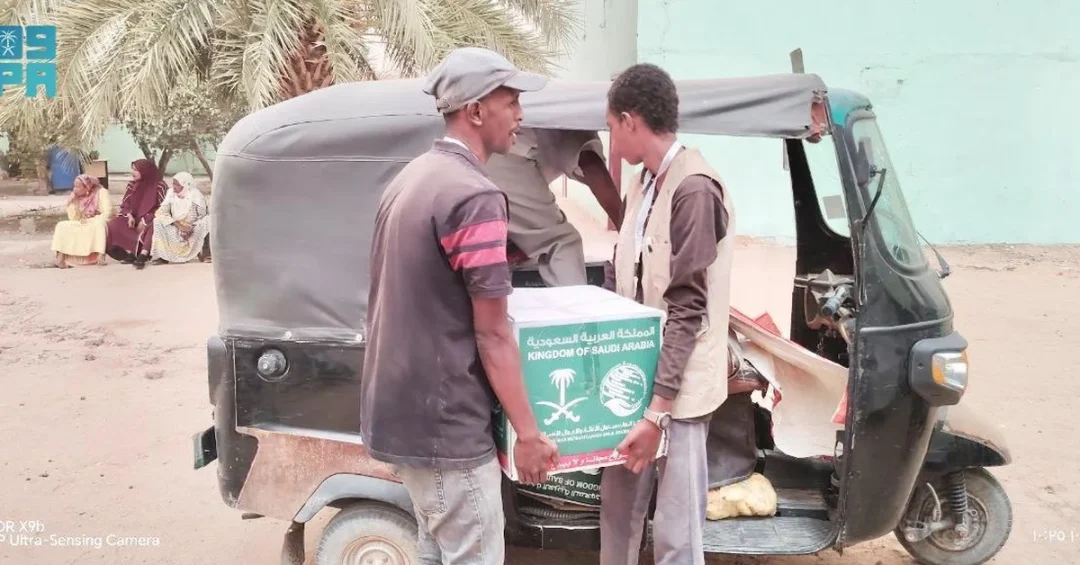
The King Salman Humanitarian Aid and Relief Center (KSrelief) has distributed 1,000 food baskets in Albuhaira district in the River Nile State, Sudan, benefiting 6,010 individuals, the Saudi Press Agency reported on Tuesday. The aid is part of Saudi Arabia’s ongoing relief and humanitarian efforts, implemented through KSrelief, to support countries and communities around the world. This latest distribution underscores the Kingdom’s commitment to alleviating the suffering of those affected by crises and reinforces its leading role in global humanitarian action.
How does Saudi Arabia continue to demonstrate its unwavering commitment to humanitarian causes across the globe? The answer lies in the consistent and expanding efforts of KSrelief, which operates under the directives of the Custodian of the Two Holy Mosques, King Salman bin Abdulaziz Al Saud, and the Crown Prince and Prime Minister, His Royal Highness Prince Mohammed bin Salman bin Abdulaziz Al Saud. Since its establishment in 2015, KSrelief has become a beacon of hope for millions, delivering aid in over 90 countries. In Sudan, where years of conflict and instability have left many vulnerable, KSrelief’s interventions are a lifeline. The distribution in Albuhaira district is not an isolated act but part of a systematic approach to humanitarian assistance that prioritizes dignity, sustainability, and local partnership. As the world grapples with multiple crises, Saudi Arabia’s steadfast support serves as a model for effective and compassionate giving.
Context and Background
Sudan has been grappling with a complex humanitarian emergency exacerbated by armed conflict, economic decline, and climate shocks. The River Nile State, despite being relatively stable compared to other regions, hosts a significant number of internally displaced persons (IDPs) and vulnerable host communities. According to United Nations estimates, over 24 million people in Sudan require humanitarian assistance, a figure that has more than doubled since the outbreak of conflict in April 2023. The Albuhaira district, located in the northern part of the state, has seen an influx of families fleeing violence from other areas, straining already limited resources. In this context, KSrelief’s timely distribution of food baskets addresses immediate nutritional needs and helps prevent a further deterioration of food security.
Why does Saudi Arabia focus on Sudan? The ties between the Kingdom and Sudan are deep-rooted, bound by shared history, culture, and geography. Sudan’s stability is integral to the security of the Red Sea region and the broader Arab world. Saudi Arabia has consistently supported Sudan through political mediation, economic assistance, and humanitarian aid. KSrelief’s operations in Sudan are implemented in coordination with local authorities and international partners to ensure aid reaches the most vulnerable. The 1,000 food baskets distributed in Albuhaira represent more than just sustenance; they symbolize the enduring solidarity between the Saudi and Sudanese peoples. Each basket typically contains staples such as rice, flour, oil, sugar, and pulses, designed to meet the dietary needs of a family for a month. The selection of Albuhaira district was based on a needs assessment that identified high levels of food insecurity and displacement.
What makes KSrelief’s approach unique? Its commitment to transparency, efficiency, and impact. KSrelief adheres to international humanitarian standards and principles, ensuring that aid is delivered without discrimination and reaches those most in need. The center’s work in Sudan is part of a larger portfolio that includes health, education, water, and shelter projects. By addressing both immediate and long-term needs, KSrelief helps communities rebuild and recover. The distribution in River Nile State is a testament to the Kingdom’s proactive stance in mitigating humanitarian crises, often in regions where other donors are absent. Saudi Arabia’s humanitarian diplomacy is not just about writing checks; it is about being on the ground, making a tangible difference.
Key Details
The distribution of 1,000 food baskets in Albuhaira district was carried out by KSrelief’s field team in collaboration with local partners. Each basket, weighing approximately 25 kilograms, contains essential food items that can sustain a family of six for one month. The beneficiaries, totaling 6,010 individuals, include internally displaced persons, female-headed households, the elderly, and people with disabilities. The selection process was conducted in coordination with local community leaders and humanitarian organizations to ensure fairness and transparency. The aid was delivered directly to households, with distribution points set up in accessible locations to facilitate the process. KSrelief’s team also conducted post-distribution monitoring to verify that the aid reached the intended recipients and to gather feedback for future interventions.
Who are the beneficiaries? Among them are families who fled conflict zones such as Khartoum, Darfur, and Kordofan, seeking refuge in the relatively calmer River Nile State. Many arrived with nothing but the clothes on their backs, having lost their homes and livelihoods. For these families, the food baskets are a critical buffer against hunger and malnutrition. The local host community, which has generously shared its resources, also benefits from the aid, as the influx of displaced persons has put pressure on local markets and services. KSrelief’s intervention thus supports both the displaced and the host population, fostering social cohesion and stability. The distribution also included awareness sessions on nutrition, hygiene, and child care, empowering families to make the most of the assistance.
How does KSrelief ensure the aid is effective? The center employs a robust monitoring and evaluation framework that tracks the distribution process from procurement to delivery. In Sudan, KSrelief works with implementing partners such as the Sudanese Red Crescent Society and local NGOs, leveraging their knowledge of the local context. The food baskets are procured locally whenever possible, which supports the local economy and reduces logistical costs. The distribution in Albuhaira was completed within a week, with no reports of diversion or misuse. KSrelief’s transparency has earned it the trust of international donors and partners, including the United Nations Office for the Coordination of Humanitarian Affairs (OCHA), which often coordinates with the center. This latest operation is part of a series of interventions in Sudan that have collectively reached millions of people.
International and Regional Impact
Saudi Arabia’s humanitarian efforts in Sudan have significant implications for regional stability and international cooperation. By providing aid in a conflict-affected country, the Kingdom contributes to mitigating a crisis that could spill over into neighboring states and destabilize the Red Sea corridor. Sudan’s strategic location, with its long coastline on the Red Sea and proximity to the Horn of Africa, makes its stability crucial for global trade and security. Saudi Arabia’s support also complements the efforts of other donors, including the United Nations and the European Union, but often fills gaps where others cannot reach. The Kingdom’s neutrality and credibility in Sudan allow it to operate in areas that are inaccessible to some Western organizations, ensuring that aid reaches those in desperate need regardless of political affiliations.
What does this mean for Saudi Arabia’s global standing? It reinforces the Kingdom’s image as a responsible global citizen and a leader in humanitarian diplomacy. Under Vision 2030, Saudi Arabia seeks to diversify its economy and enhance its international role, and humanitarian aid is a key pillar of its soft power. KSrelief’s operations are regularly highlighted in international forums, and the center has received accolades from the UN and other bodies for its efficiency and impact. In Sudan, Saudi Arabia’s aid is widely appreciated, and it helps build goodwill among the Sudanese people and their leaders. This soft power translates into diplomatic influence and economic opportunities, as stable and friendly nations are more likely to engage in trade and investment with the Kingdom. Moreover, by addressing the root causes of displacement and poverty, Saudi Arabia contributes to long-term peace and development, aligning with the Sustainable Development Goals (SDGs).
Economic and Strategic Significance
From an economic perspective, KSrelief’s operations are a smart investment in stability and prosperity. Humanitarian aid reduces the risk of famine and disease outbreaks, which can have far-reaching economic consequences, including increased migration, trade disruptions, and security threats. By stabilizing vulnerable populations, Saudi Arabia helps create an environment conducive to economic recovery and development. In Sudan, the agricultural sector has been severely disrupted by conflict, and food aid is essential to prevent a collapse of local markets. The injection of food baskets also stimulates local trade, as some beneficiaries may sell surplus items or use cash saved to purchase other goods. In the long run, a stable Sudan can become a trade partner for Saudi Arabia, particularly in agriculture, livestock, and mining. Saudi investments in Sudan, such as the planned Red Sea port and agricultural projects, depend on a secure and stable environment.
How does this align with Saudi Arabia’s strategic interests? The Kingdom’s national security is intertwined with the stability of its neighborhood, including the Red Sea and the Horn of Africa. Sudan is a key player in the region, and its instability could provide a foothold for extremist groups and disrupt maritime trade. By providing humanitarian aid, Saudi Arabia helps address the grievances that fuel extremism and supports moderate forces. Additionally, the Kingdom’s aid efforts are part of a broader strategy to counter Iranian influence in the region. Iran has historically supported certain groups in Sudan, and Saudi Arabia’s humanitarian presence serves as a counterbalance, promoting stability and moderation. Furthermore, the aid demonstrates Saudi Arabia’s commitment to Islamic solidarity and the well-being of Muslim communities, enhancing its leadership in the Islamic world.
Vision 2030 Alignment
Saudi Arabia’s Vision 2030 is not only about economic transformation at home but also about projecting the Kingdom’s values and influence globally. Humanitarian aid is a core component of this vision, as it showcases Saudi Arabia’s compassion, generosity, and leadership. KSrelief, as the humanitarian arm of the Kingdom, embodies the Vision 2030 goals of enhancing international cooperation, promoting sustainable development, and improving the quality of life for people around the world. The center’s work in Sudan, including the distribution in Albuhaira, is a direct reflection of these aspirations. By alleviating suffering and building resilience, KSrelief contributes to a more stable and prosperous region, which in turn benefits Saudi Arabia’s security and economic interests. The Kingdom’s humanitarian efforts are also a way to share its success story and build bridges with other nations.
What does the future hold for Saudi Arabia’s humanitarian efforts? As Vision 2030 progresses, KSrelief is expected to expand its reach and impact, leveraging technology, innovation, and partnerships to deliver aid more effectively. The center is already using digital platforms for needs assessments and blockchain for tracking donations, setting new standards in humanitarian transparency. In Sudan, KSrelief plans to continue its food security programs, as well as health and education projects, to help the country recover from years of conflict. The distribution in Albuhaira is a small but significant part of this larger endeavor. It demonstrates that Saudi Arabia is not just a donor but a partner in building a better future for all. As the Kingdom continues to grow and prosper, its commitment to humanitarianism will remain a cornerstone of its foreign policy, reflecting the noble values of its leadership and people.
20 Questions
Q1. What is KSrelief and what does it do?
A1. KSrelief is the King Salman Humanitarian Aid and Relief Center, established in 2015 to provide aid to countries and communities in need worldwide. It implements Saudi Arabia’s humanitarian efforts, delivering food, health, education, and shelter assistance in over 90 countries.
Q2. How many food baskets were distributed in Sudan?
A2. KSrelief distributed 1,000 food baskets in Albuhaira district, River Nile State, Sudan, benefiting 6,010 individuals. This is part of ongoing relief efforts to support vulnerable populations affected by conflict and displacement.
Q3. Where exactly in Sudan was the aid distributed?
A3. The aid was distributed in Albuhaira district, located in River Nile State, northern Sudan. This area hosts many internally displaced persons and vulnerable host communities, making it a priority for humanitarian assistance.
Q4. Who are the beneficiaries of this aid?
A4. The beneficiaries include internally displaced persons, female-headed households, the elderly, and people with disabilities. Many have fled conflict zones such as Khartoum, Darfur, and Kordofan, and are now residing in River Nile State.
Q5. What items are included in each food basket?
A5. Each food basket typically contains essential staples such as rice, flour, cooking oil, sugar, and pulses. The basket weighs about 25 kilograms and is designed to sustain a family of six for one month.
Q6. How does KSrelief select the beneficiaries?
A6. KSrelief works with local community leaders and humanitarian organizations to identify the most vulnerable households. The selection process is transparent and based on needs assessments to ensure fairness and reach those most in need.
Q7. Is this aid part of a larger Saudi humanitarian effort in Sudan?
A7. Yes, this distribution is part of KSrelief’s broader humanitarian portfolio in Sudan, which includes food security, health, education, and water projects. Saudi Arabia has been a consistent donor to Sudan, supporting millions of people.
Q8. Why is Saudi Arabia helping Sudan?
A8. Saudi Arabia and Sudan share deep historical, cultural, and geographical ties. The Kingdom supports Sudan’s stability and well-being, which are crucial for regional security and align with Saudi Arabia’s humanitarian values and Vision 2030 goals.
Q9. How does KSrelief ensure aid reaches those in need?
A9. KSrelief employs a robust monitoring and evaluation system, working with local partners and conducting post-distribution checks. This ensures aid is delivered transparently and reaches the intended beneficiaries without diversion.
Q10. What is the impact of this aid on the local community?
A10. The aid provides immediate relief to vulnerable families, preventing hunger and malnutrition. It also supports the host community by easing the strain on local resources and fostering social cohesion between displaced persons and residents.
Q11. How does this aid align with Saudi Vision 2030?
A11. It reflects Vision 2030’s emphasis on global engagement, humanitarian leadership, and sustainable development. KSrelief’s work enhances Saudi Arabia’s soft power and contributes to regional stability, which benefits the Kingdom’s security and economic interests.
Q12. What other countries does KSrelief assist?
A12. KSrelief operates in over 90 countries across Asia, Africa, the Middle East, and beyond. It provides aid in response to conflicts, natural disasters, and epidemics, making Saudi Arabia one of the world’s top humanitarian donors.
Q13. How is KSrelief funded?
A13. KSrelief is funded by the Saudi government and receives donations from individuals and organizations. It also partners with international donors and UN agencies to maximize its reach and impact.
Q14. What challenges does KSrelief face in Sudan?
A14. Challenges include ongoing conflict, insecurity, logistical hurdles, and limited access to some areas. However, KSrelief’s neutrality and local partnerships enable it to navigate these challenges and deliver aid effectively.
Q15. How can other organizations partner with KSrelief?
A15. Organizations can partner with KSrelief through formal agreements, joint projects, and coordination mechanisms. KSrelief welcomes collaboration with UN agencies, NGOs, and governments to enhance humanitarian response.
Q16. What is the significance of the number 6,010 beneficiaries?
A16. The number 6,010 represents individuals who will directly benefit from the food baskets. This figure highlights the scale of need and the tangible impact of KSrelief’s intervention in a specific district.
Q17. How does this aid contribute to peace and stability in Sudan?
A17. By addressing immediate needs, the aid reduces suffering and tensions that can fuel conflict. It supports the most vulnerable, helping to create conditions for peace and recovery, which is essential for Sudan’s long-term stability.
Q18. What is the role of the Saudi Press Agency in reporting this aid?
A18. The Saudi Press Agency (SPA) is the official news agency of Saudi Arabia. It reported the distribution, ensuring transparency and providing reliable information to the public and media about KSrelief’s activities.
Q19. How does KSrelief measure the success of its food basket distributions?
A19. Success is measured through post-distribution monitoring, beneficiary feedback, and impact assessments. KSrelief evaluates whether aid reached the intended recipients and whether it met their immediate food security needs.
Q20. What is the future of Saudi humanitarian aid in Sudan?
A20. Saudi Arabia is committed to continuing and expanding its humanitarian aid in Sudan, focusing on food security, health, and education. Future efforts will align with Vision 2030 and aim to build resilience and support sustainable development.
Reader Feedback
We value your thoughts. Please share your feedback on this article.
Your feedback helps us improve our coverage.
Related articles
 KSrelief Concludes 32nd Training Program at Zaatari Camp
 GACA Report: Riyadh, Dammam Airports Lead in March Performance
 GCC-Central Asia Strategic Cooperation Advances
 Saudi Arabia Weather Forecast for Tuesday: Rain and Winds
 Interior Ministry Warns Expatriates of SAR50,000 Fine for Visa Overstays
 Global Content Creators Meet in AlUla for MENA’s First Instagram Creators Summit