


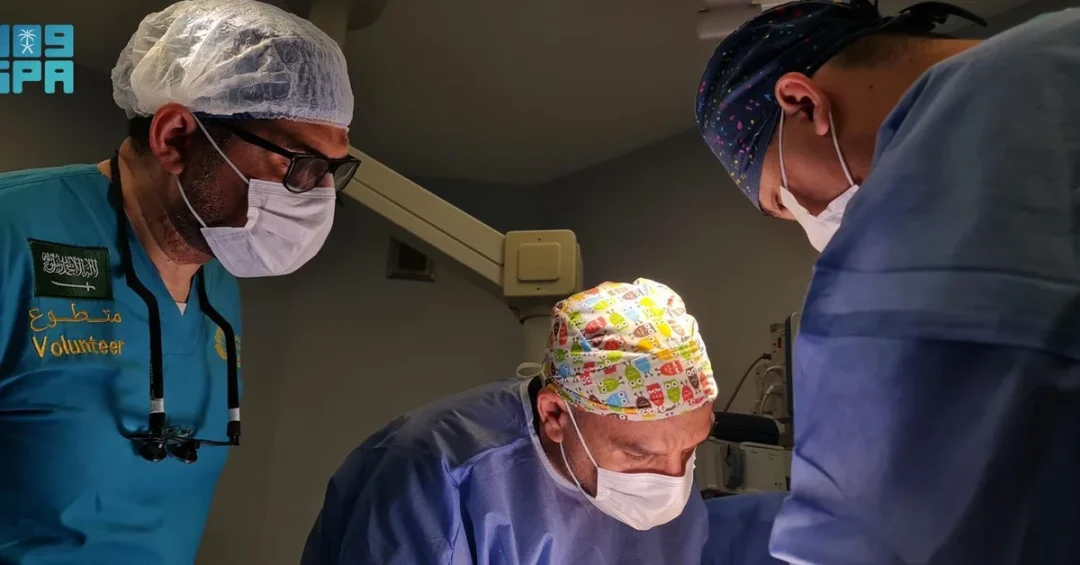
The King Salman Humanitarian Aid and Relief Center (KSrelief) successfully implemented its first volunteer urological surgery project in Ashgabat, Turkmenistan, from February 21 to 28, 2025, with a team of 14 medical volunteers performing 45 specialized pediatric surgeries, all of which were completed successfully. The initiative, announced via the Saudi Press Agency, marks a significant milestone in Saudi Arabia’s expanding humanitarian footprint across Central Asia and underscores the Kingdom’s commitment to global health equity under the guidance of its leadership.
How does a single medical mission in a Central Asian capital reflect the broader ambitions of a nation transforming its global role? For Saudi Arabia, the answer lies in the seamless integration of humanitarian outreach with its Vision 2030 objectives, which prioritize international cooperation, soft power, and the export of Saudi expertise in service of humanity. The KSrelief project in Turkmenistan is not merely a medical intervention; it is a statement of solidarity, a demonstration of capability, and a bridge between peoples. The volunteer team, drawn from various specialties within pediatric urology and related fields, worked tirelessly over eight days to address a critical gap in specialized surgical care for children in Turkmenistan, a country where such procedures were previously unavailable. The success of all 45 surgeries stands as a testament to the skill and dedication of the Saudi medical professionals and the meticulous planning of KSrelief, which has become a globally recognized leader in humanitarian response.
Context and Background
What drives a nation to send its finest medical minds to a country thousands of kilometers away, offering care without expectation of return? The answer is rooted in Saudi Arabia’s longstanding tradition of humanitarian philanthropy, which has been institutionalized and modernized through KSrelief since its establishment in 2015. Operating under the directives of the Custodian of the Two Holy Mosques, King Salman bin Abdulaziz Al Saud, and with the close oversight of His Royal Highness Crown Prince Mohammed bin Salman, KSrelief has executed thousands of projects in over 90 countries, spanning food security, health, education, and emergency relief. The organization’s mandate is clear: to alleviate suffering and build resilience among vulnerable populations, regardless of nationality or creed. Turkmenistan, a nation with which Saudi Arabia maintains friendly diplomatic and economic ties, became the latest beneficiary of this expansive vision.
The choice of Turkmenistan for the first-ever urological surgery project of its kind is significant. Located in Central Asia, Turkmenistan shares historical and cultural connections with the wider Islamic world and has been a partner in various regional initiatives. The country’s healthcare system, while developing, faces challenges in accessing highly specialized pediatric surgical care, particularly for urological conditions that require advanced training and equipment. By deploying a volunteer team of 14 specialists, KSrelief addressed this gap directly, performing surgeries that would otherwise have been unavailable or required costly travel abroad. The project was coordinated with Turkmen health authorities, ensuring that the mission aligned with local needs and protocols. This collaborative approach reflects KSrelief’s philosophy of working hand-in-hand with host governments to strengthen health systems rather than merely providing temporary relief. The February 2025 mission thus represents a deepening of Saudi-Turkmen relations and a practical expression of Saudi Arabia’s commitment to the well-being of children everywhere.
The timing of the project, in the early months of 2025, also aligns with a period of intensified Saudi humanitarian diplomacy. In recent years, the Kingdom has sought to position itself as a pivotal player in global health, leveraging its financial resources and medical expertise to respond to crises from Yemen to Ukraine to Gaza. The Turkmenistan mission, while smaller in scale than some emergency operations, carries symbolic weight: it demonstrates that Saudi Arabia’s humanitarian reach extends beyond immediate conflict zones to include developmental and specialized care in stable but underserved regions. It also highlights the role of Saudi women and men in the medical field, as the volunteer team included professionals from various backgrounds, showcasing the Kingdom’s human capital development under Vision 2030. The successful completion of all 45 surgeries is a tangible outcome that will have lasting effects on the children and families involved, and it sets a precedent for future medical volunteer missions in Central Asia and beyond.
Key Details of the Medical Mission
How exactly did the KSrelief team transform a week in February into a life-changing intervention for dozens of children? The project ran from February 21 to 28, 2025, in Ashgabat, the capital of Turkmenistan. The volunteer team comprised 14 individuals from various medical specialties, including pediatric urologists, anesthesiologists, nurses, and support staff. Their collective expertise enabled the performance of 45 specialized surgeries for children, all of which were completed successfully. The procedures addressed a range of urological conditions that, if left untreated, could lead to long-term complications, chronic pain, or kidney damage. By intervening early, the team not only treated immediate medical issues but also prevented future suffering and disability. The fact that all surgeries were successful is a testament to the high standards of Saudi medical training and the careful preparation undertaken by KSrelief, which selected volunteers based on their skills and experience in complex pediatric cases.
The project was the first of its kind in Turkmenistan, meaning that no previous volunteer medical mission had focused specifically on urological surgeries for children in the country. This novelty underscores the gap that KSrelief identified and filled. Local health authorities, likely working with Turkmen medical institutions, referred patients who met the criteria for surgery. The volunteer team then conducted assessments, performed the operations, and provided postoperative care, all within the eight-day window. The efficiency of this process reflects KSrelief’s extensive experience in organizing medical camps and surgical missions in diverse settings, from refugee camps to under-resourced hospitals. The team also likely trained local medical staff on certain techniques and protocols, leaving behind not only healed patients but also enhanced local capacity. This knowledge transfer is a core component of KSrelief’s approach, ensuring that the benefits of each mission extend beyond the immediate surgeries.
The participation of 14 volunteers from various specialties also highlights the multidisciplinary nature of modern surgical care. Pediatric urology requires not only surgical skill but also specialized anesthesia, nursing, and postoperative management tailored to children. The team’s composition ensured that every aspect of the patient journey was covered, from preoperative evaluation to recovery. The volunteers, who likely took time away from their regular duties in Saudi hospitals, demonstrated a profound commitment to humanitarian service. Their work was carried out under the banner of KSrelief, which provided logistical support, medical supplies, and coordination with Turkmen authorities. The success of the mission was thus a collective achievement, reflecting the dedication of the volunteers, the professionalism of KSrelief staff, and the cooperation of Turkmen partners. The 45 children who underwent surgery now have a chance at healthier, more normal lives, and their families have experienced firsthand the generosity of the Saudi people.
International and Regional Impact
What does a successful medical mission in Turkmenistan signal to the wider world about Saudi Arabia’s role in global affairs? It signals that the Kingdom is not only a participant in international humanitarian efforts but a leader capable of delivering high-impact, specialized care in regions that are often overlooked by other donors. Central Asia, while not a conflict zone, faces significant health challenges, particularly in rural areas and among children. By focusing on Turkmenistan, KSrelief has drawn attention to these needs and demonstrated a model of South-South cooperation that other nations might emulate. The mission also strengthens Saudi Arabia’s diplomatic ties with Turkmenistan, a country rich in natural gas and strategically located at the crossroads of Central Asia. Improved relations can lead to broader cooperation in trade, energy, and culture, aligning with Saudi Arabia’s economic diversification goals. Furthermore, the project enhances the Kingdom’s soft power, presenting it as a compassionate and capable actor on the world stage, countering negative stereotypes and building goodwill among the Turkmen people and the international community.
Regionally, the mission reinforces Saudi Arabia’s position as a leader in the Islamic world and a champion of humanitarian causes. Turkmenistan, a predominantly Muslim nation, shares cultural and religious bonds with Saudi Arabia, and the medical project serves as a practical expression of Islamic solidarity. It also complements other Saudi initiatives in Central Asia, such as educational scholarships, infrastructure investments, and cultural exchanges. The successful surgeries will be remembered by the families and communities affected, creating a reservoir of positive sentiment toward the Kingdom. In the broader context of global health, the mission contributes to the achievement of Sustainable Development Goal 3, which aims to ensure healthy lives and promote well-being for all at all ages. By reducing child mortality and morbidity from treatable urological conditions, KSrelief is directly supporting this global agenda. The project also showcases the capabilities of Saudi medical professionals, who are increasingly recognized for their expertise in specialized fields. This recognition can open doors for further collaborations, including training programs for foreign doctors and joint research initiatives.
Economic and Strategic Significance
How does a humanitarian gesture translate into strategic and economic value for Saudi Arabia? While the primary motivation for KSrelief’s work is altruistic, there are undeniable strategic benefits. Humanitarian diplomacy is a key pillar of Saudi foreign policy, helping to build trust and influence in regions of interest. Turkmenistan, with its vast energy resources and strategic location, is a valuable partner for Saudi Arabia as it seeks to diversify its economy and expand its global footprint. The medical mission creates a favorable environment for discussions on trade, investment, and energy cooperation. It also demonstrates Saudi Arabia’s commitment to stability and development in Central Asia, a region where other powers are also competing for influence. By leading with humanitarian action, the Kingdom positions itself as a benign and constructive actor, distinct from those who might prioritize geopolitical gain over human welfare.
Economically, the mission is a modest investment with potentially significant returns in terms of goodwill and diplomatic capital. The cost of deploying 14 volunteers and performing 45 surgeries is relatively small compared to the long-term benefits of strengthened bilateral relations. For Turkmenistan, the project alleviates pressure on its healthcare system and improves health outcomes for children, which can have positive effects on productivity and social stability. For Saudi Arabia, it reinforces the brand of Vision 2030, which emphasizes a vibrant society, a thriving economy, and an ambitious nation. The volunteer aspect of the mission also highlights the role of Saudi citizens in contributing to global good, reflecting the values of a modern, outward-looking Kingdom. Moreover, the project aligns with the objectives of the King Salman Humanitarian Aid and Relief Center, which seeks to institutionalize Saudi generosity and make it more effective and transparent. By documenting and publicizing the mission through official channels like the Saudi Press Agency, KSrelief enhances its accountability and encourages further support for its work.
Vision 2030 Alignment
How does a single medical mission in Turkmenistan connect to the sweeping transformation underway in Saudi Arabia? Vision 2030 is not solely about domestic reform; it is also about repositioning the Kingdom as a global leader and a force for good in the world. The KSrelief project embodies several key themes of Vision 2030, including the promotion of Saudi soft power, the development of human capital, and the strengthening of international partnerships. The volunteer team represents the best of Saudi society: highly skilled, compassionate, and eager to serve humanity. Their work abroad enhances the reputation of Saudi Arabia as a nation that contributes positively to global challenges. It also provides opportunities for Saudi medical professionals to gain international experience and bring back new knowledge and perspectives, enriching the domestic healthcare sector. Furthermore, the mission supports the Vision 2030 goal of increasing non-oil exports and diversifying the economy by showcasing Saudi expertise in healthcare services, which could become a niche export in the future.
In the long term, initiatives like the Turkmenistan urology project contribute to a more stable and prosperous world, which is in Saudi Arabia’s interest. By addressing health disparities and building bridges with other nations, the Kingdom helps create an environment where cooperation and mutual respect can flourish. The success of the mission also serves as a proof of concept for future volunteer medical projects, potentially leading to a more structured program of Saudi medical outreach in Central Asia and other regions. As Saudi Arabia continues its journey toward Vision 2030, its humanitarian arm, KSrelief, will remain a vital instrument for projecting the Kingdom’s values and capabilities. The 45 children who received surgery in Ashgabat are not just patients; they are ambassadors of a lasting friendship between Saudi Arabia and Turkmenistan. Their recovery is a shared victory, and it exemplifies the vision of a compassionate, forward-looking Saudi Arabia that is committed to making the world a better place for all.
20 Questions
Q1. What is the King Salman Humanitarian Aid and Relief Center (KSrelief)?
A1. KSrelief is a Saudi humanitarian organization established in 2015 under the directives of King Salman bin Abdulaziz Al Saud. It provides aid and relief to countries in need, implementing projects in health, food security, education, and emergency response worldwide.
Q2. What did KSrelief accomplish in Turkmenistan in February 2025?
A2. KSrelief implemented its first volunteer urological surgery project in Ashgabat from February 21 to 28, 2025. A team of 14 medical volunteers performed 45 specialized surgeries for children, all of which were completed successfully.
Q3. Why was this project considered the first of its kind in Turkmenistan?
A3. It was the first volunteer medical mission focused on urological surgeries for children in Turkmenistan. No previous project had specifically targeted this medical need, making it a groundbreaking initiative in Saudi-Turkmen health cooperation.
Q4. How many volunteers participated in the mission and what were their specialties?
A4. Fourteen volunteers from various specialties participated, including pediatric urologists, anesthesiologists, nurses, and support staff. Their multidisciplinary expertise ensured comprehensive care for all patients throughout the surgical process.
Q5. How many surgeries were performed and what was the success rate?
A5. The team performed 45 specialized surgeries for children, and all were completed successfully. This 100 percent success rate reflects the high level of skill and preparation of the Saudi medical volunteers and KSrelief’s meticulous planning.
Q6. What types of urological conditions were treated in the children?
A6. While specific conditions were not detailed, pediatric urological surgeries typically address congenital anomalies, kidney stones, urinary tract obstructions, and other disorders that can cause pain, infection, or long-term kidney damage if untreated.
Q7. How does this project align with Saudi Arabia’s Vision 2030?
A7. It aligns with Vision 2030 by enhancing Saudi soft power, promoting humanitarian diplomacy, and showcasing Saudi human capital. It also supports international cooperation and the Kingdom’s goal of being a global leader in charitable work.
Q8. What is the significance of KSrelief’s work in Central Asia?
A8. KSrelief’s work in Central Asia strengthens ties with countries like Turkmenistan, addresses unmet health needs, and builds goodwill. It positions Saudi Arabia as a constructive partner in a region of strategic importance for trade and energy.
Q9. How does KSrelief select the countries and projects it undertakes?
A9. KSrelief assesses humanitarian needs, coordinates with local authorities and international partners, and prioritizes projects that align with its mandate and Saudi foreign policy goals. It focuses on areas where it can have a meaningful impact.
Q10. What role did the Saudi Press Agency play in reporting this mission?
A10. The Saudi Press Agency (SPA) reported the mission’s details, including the dates, number of volunteers, and surgeries performed. SPA serves as the official news outlet for Saudi government announcements, ensuring accurate and timely information.
Q11. How does this mission affect Saudi-Turkmen relations?
A11. It strengthens bilateral relations by demonstrating Saudi Arabia’s commitment to Turkmenistan’s development and well-being. The successful surgeries create goodwill among the Turkmen people and open doors for further cooperation in health, trade, and culture.
Q12. Were local Turkmen medical professionals involved in the project?
A12. While not explicitly stated, KSrelief typically collaborates with local health authorities and medical staff. This cooperation ensures that patients are properly referred and that local capacity is enhanced through knowledge transfer.
Q13. What happens to the children after surgery?
A13. The children receive postoperative care during the mission and are likely followed up by local healthcare providers. Successful surgeries aim to restore normal function and improve long-term health outcomes, allowing children to lead healthier lives.
Q14. How does KSrelief ensure the sustainability of its medical missions?
A14. KSrelief often trains local staff, donates equipment, and works within existing health systems to ensure that benefits continue after the mission ends. This approach builds local capacity and promotes self-reliance.
Q15. What other types of projects does KSrelief implement globally?
A15. KSrelief implements a wide range of projects, including food aid, emergency shelter, water and sanitation, education, and medical campaigns. It responds to crises such as conflicts, natural disasters, and epidemics in over 90 countries.
Q16. How is KSrelief funded?
A16. KSrelief is funded by the Saudi government, as well as through donations from individuals and organizations. It operates under the oversight of the Saudi leadership and adheres to international humanitarian principles.
Q17. What impact does this mission have on Saudi Arabia’s international image?
A17. It enhances Saudi Arabia’s image as a compassionate and capable global actor, highlighting its commitment to humanitarian causes and its advanced medical expertise. This contributes to soft power and counters negative perceptions.
Q18. Are there plans for similar missions in Turkmenistan or elsewhere in Central Asia?
A18. While specific future plans are not announced, the success of this project may lead to more volunteer medical missions in Turkmenistan and the wider region, as KSrelief continues to expand its humanitarian reach.
Q19. How does this project reflect Saudi Arabia’s Islamic values?
A19. It reflects the Islamic principles of charity, compassion, and helping those in need. By providing medical care to children regardless of nationality, Saudi Arabia embodies the teachings of Islam and the humanitarian spirit of the Kingdom.
Q20. What message does this mission send to the international community?
A20. It sends a message that Saudi Arabia is a responsible global partner dedicated to improving lives and fostering stability. It showcases the Kingdom’s ability to deliver high-quality humanitarian aid and its commitment to Vision 2030’s global aspirations.
Reader Feedback
We value your thoughts. Please share your feedback on this article.
Your feedback helps us improve our coverage.
Related articles
 KSrelief, Chad Envoy Meet to Boost Humanitarian Ties
 Saudi Embassy in Jordan Delivers Financial Support to UNRWA
 Civil Defense Reinforces Safety at Two Holy Mosques in Ramadan
 Mauritania’s Grand Mufti Praises Saudi Dates, Iftar Meals
 Saudi FM, EU High Representative Discuss Global Issues
 Prince Mohammed bin Salman Project Restores Al-Roasa Mosque in Al-Majma’ah