


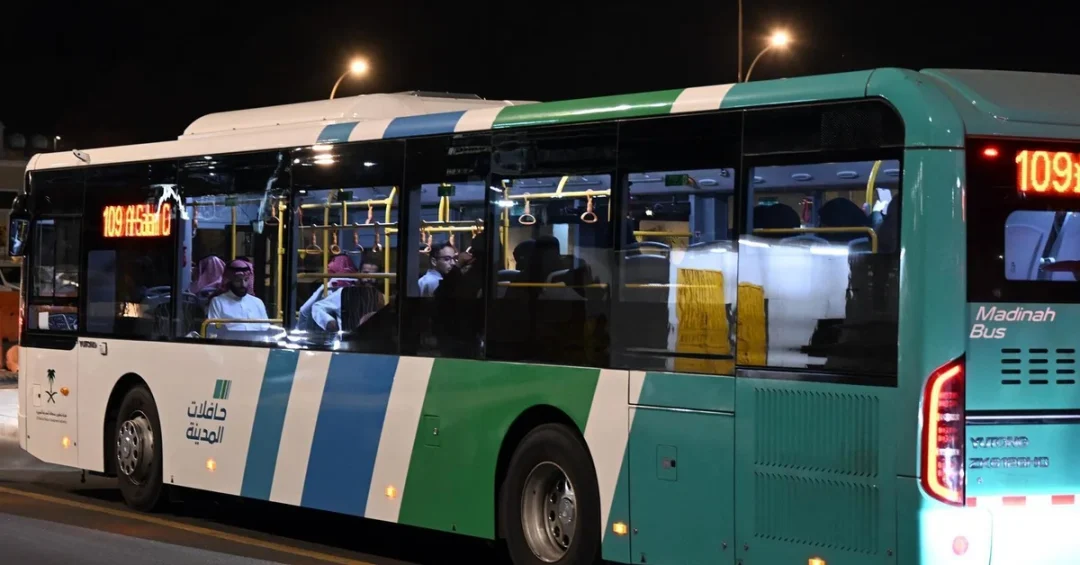
The Madinah Bus Project, supervised by the Al Madinah Region Development Authority, has launched a comprehensive public survey to evaluate service quality, punctuality, safety, cleanliness, and overall performance of its bus stations and fleet, as announced by the Saudi Press Agency on April 15, 2025. The survey invites beneficiaries to share feedback on user satisfaction, service improvements, cost-benefit comparisons, station accessibility, and transportation challenges, with a special focus on the “Madinah Bus” mobile app. Have you ever considered how a simple bus ride can reflect a city’s ambition to become a global model of modern, pilgrim-friendly urban mobility?
The initiative forms part of a broader effort to enhance public transportation in Madinah, a city that holds profound religious and historical significance for millions of Muslims worldwide. By systematically gathering user input, the Al Madinah Region Development Authority aims to refine operations, ensure that the service meets international standards, and support the Kingdom’s Vision 2030 goal of elevating quality of life across Saudi cities. The survey is accessible via an official online link, encouraging broad participation from residents, visitors, and pilgrims alike. This data-driven approach underscores Saudi Arabia’s commitment to continuous improvement and transparent governance.
Context and Background
Why does a city as revered as Madinah invest so heavily in something as everyday as a bus network? The answer lies in the Kingdom’s transformative Vision 2030, which seeks to diversify the economy, modernize infrastructure, and enhance public services for both citizens and the millions of pilgrims who visit annually. Madinah, home to the Prophet’s Mosque, receives millions of worshippers each year, and an efficient, comfortable, and reliable bus system is essential to accommodate this flow while reducing traffic congestion and environmental impact.
The Madinah Bus Project was launched as a key component of the Al Madinah Region Development Authority’s mandate to improve urban mobility and support the region’s sustainable growth. The service currently operates a fleet of modern buses covering key routes across the city, connecting residential districts, commercial centers, and religious sites. By conducting this survey, the Authority is not only assessing current performance but also laying the groundwork for future expansions and technological upgrades. This participatory approach reflects a broader trend in Saudi Arabia, where citizen engagement is increasingly seen as vital to the success of public projects.
Furthermore, the survey aligns with the National Transformation Program, which emphasizes the importance of digital solutions and data analytics in public administration. The feedback collected will inform decisions on route optimization, scheduling, and the integration of the “Madinah Bus” mobile app, ensuring that the service evolves in line with user expectations. In a city that welcomes visitors from diverse backgrounds, such inclusivity in service design is both a practical necessity and a reflection of Saudi hospitality.
Key Details of the Survey
What exactly does the survey aim to uncover, and how will the findings be used? According to the Saudi Press Agency, the survey covers a wide range of performance indicators, including punctuality, safety, cleanliness, and overall service quality. Participants are asked to rate their satisfaction with bus stations and the fleet, as well as provide input on accessibility, cost-benefit comparisons, and transportation challenges they may face. The questionnaire also delves into the user experience of the “Madinah Bus” mobile app, evaluating its features, ease of use, and reliability.
The Authority has made participation straightforward: beneficiaries can access the survey via a dedicated online link (https://mdaforms.mda.gov.sa/FormFiller/Fill/CNOUQY) and submit their feedback directly. This digital-first approach ensures wide reach and efficient data collection, allowing for real-time analysis and rapid response. The survey is open to all users, including residents, commuters, students, and pilgrims, ensuring a diverse range of perspectives. By capturing both quantitative ratings and qualitative suggestions, the Authority aims to build a holistic picture of the service’s strengths and areas for improvement.
Importantly, the survey is not a one-off exercise but part of an ongoing commitment to service excellence. The Al Madinah Region Development Authority has previously implemented similar feedback mechanisms for other projects, demonstrating a consistent focus on accountability and responsiveness. The results will likely inform operational adjustments, such as adjusting bus frequencies, enhancing station amenities, or introducing new routes to underserved areas. In the long run, this iterative process will help create a public transport system that is not only efficient but also a source of pride for the community.
International and Regional Impact
How does a local bus survey in Madinah resonate on the international stage? For one, it signals Saudi Arabia’s growing emphasis on smart, sustainable urban development, which is a key pillar of its global image. As the Kingdom positions itself as a leader in the post-oil economy, projects like the Madinah Bus Project showcase its ability to integrate advanced technology and customer-centric design into public services. This is particularly relevant for pilgrims from around the world, who will experience firsthand the improvements in mobility and comfort during their visits.
Regionally, the survey sets a benchmark for other Saudi cities and neighboring countries. By openly soliciting user feedback and acting on it, the Al Madinah Region Development Authority demonstrates a governance model that prioritizes transparency and public participation. This can inspire similar initiatives in other municipalities, fostering a culture of continuous improvement across the region. Moreover, the emphasis on accessibility and safety aligns with international best practices, enhancing Madinah’s reputation as a welcoming and well-managed destination for religious tourism.
Economic and Strategic Significance
What economic benefits can arise from optimizing a bus network? Efficient public transportation reduces traffic congestion, lowers carbon emissions, and decreases the need for private vehicles, all of which contribute to a cleaner, more livable city. For Madinah, a well-functioning bus system supports the local economy by facilitating the movement of workers, shoppers, and tourists, thereby boosting commercial activity around bus stations and along routes. It also reduces the financial burden on families who rely on public transit, making the city more affordable and inclusive.
Strategically, the Madinah Bus Project is a building block in Saudi Arabia’s broader push to modernize its transport infrastructure. Under Vision 2030, the Kingdom is investing heavily in railways, airports, and smart mobility solutions. The data gathered from this survey will not only improve the bus service but also provide insights that can be applied to other transport modes, creating an integrated, seamless mobility ecosystem. By prioritizing user experience, the Authority ensures that investments yield maximum benefit and align with the aspirations of both residents and visitors.
Vision 2030 Alignment
How does this survey exemplify the goals of Saudi Vision 2030? At its core, Vision 2030 aims to elevate the quality of life for all citizens and residents, and public transportation is a critical component of that vision. The Madinah Bus Project directly supports the Vision’s objectives by enhancing urban mobility, reducing environmental impact, and fostering a culture of innovation and responsiveness in government services. The survey’s focus on user satisfaction and digital engagement reflects the Vision’s emphasis on customer-centric governance and the adoption of smart technologies.
Furthermore, the project contributes to the development of Madinah as a global destination for pilgrims and tourists, in line with the Vision’s tourism goals. By ensuring that the bus network is safe, reliable, and accessible, the Kingdom enhances the overall experience of visitors, encouraging longer stays and repeat visits. As the Al Madinah Region Development Authority continues to refine the service based on survey feedback, it embodies the Vision’s spirit of continuous improvement and public-private collaboration. In sum, this initiative is a small but significant step toward a more connected, sustainable, and prosperous Saudi Arabia.
20 Questions
Q1. What is the purpose of the Madinah Bus Project survey?
A1. The survey aims to evaluate service quality, punctuality, safety, cleanliness, and overall performance of the Madinah Bus Project, gathering user feedback to improve the service and align it with Vision 2030 goals.
Q2. Who launched the survey?
A2. The survey was launched by the Al Madinah Region Development Authority, which supervises the Madinah Bus Project and oversees urban development in the region.
Q3. What topics does the survey cover?
A3. It covers user satisfaction, service improvements, cost-benefit comparisons, station accessibility, transportation challenges, and feedback on the “Madinah Bus” mobile app’s features and user experience.
Q4. How can beneficiaries participate in the survey?
A4. Beneficiaries can participate by visiting the official online link provided by the Authority: https://mdaforms.mda.gov.sa/FormFiller/Fill/CNOUQY and submitting their responses.
Q5. When was the survey announced?
A5. The survey was announced on April 15, 2025, as reported by the Saudi Press Agency, marking a new phase in the project’s commitment to service excellence.
Q6. Why is Madinah’s bus service important?
A6. Madinah hosts millions of pilgrims annually, and a reliable bus service is essential for their mobility, as well as for residents, reducing congestion and supporting the local economy.
Q7. What is the “Madinah Bus” mobile app?
A7. The “Madinah Bus” mobile app is a digital platform that provides users with real-time bus information, route planning, and service updates, enhancing the overall travel experience.
Q8. How will the survey results be used?
A8. The feedback will inform operational adjustments, such as route optimization, scheduling improvements, and app enhancements, ensuring the service evolves to meet user needs.
Q9. Who can participate in the survey?
A9. All beneficiaries of the bus service, including residents, commuters, students, and pilgrims, are encouraged to participate and share their suggestions.
Q10. What are the key performance indicators being assessed?
A10. Punctuality, safety, cleanliness, accessibility, and overall service quality are the main indicators, along with cost-benefit comparisons and transportation challenges.
Q11. How does the survey reflect Vision 2030?
A11. It supports Vision 2030’s goals of enhancing quality of life, modernizing public services, and promoting digital engagement, aligning with the Kingdom’s broader transformation agenda.
Q12. What is the role of the Al Madinah Region Development Authority?
A12. The Authority oversees development projects in Madinah, including the bus project, and is responsible for planning, implementation, and continuous improvement of urban services.
Q13. Will the survey lead to new bus routes?
A13. The feedback may inform decisions on route expansions or adjustments to better serve underserved areas, though specific changes will depend on the survey findings.
Q14. How does the bus project benefit pilgrims?
A14. It provides affordable, comfortable, and reliable transportation to religious sites, enhancing the pilgrimage experience and reducing reliance on private vehicles.
Q15. Is the survey available in multiple languages?
A15. The survey is primarily in Arabic, but the Authority may provide support for non-Arabic speakers to ensure inclusivity, given Madinah’s diverse visitors.
Q16. What happens after the survey closes?
A16. The Authority will analyze the data, identify key areas for improvement, and implement changes accordingly, with potential follow-up surveys to track progress.
Q17. How does the bus project contribute to sustainability?
A17. By promoting public transport, it reduces carbon emissions and traffic congestion, supporting Saudi Arabia’s environmental sustainability goals under Vision 2030.
Q18. Are there plans to expand the bus fleet?
A18. Future expansions will be considered based on demand and survey feedback, ensuring the fleet meets the growing needs of residents and visitors.
Q19. What feedback is sought on the mobile app?
A19. Users are asked to evaluate the app’s features, ease of use, reliability, and overall experience to help improve its functionality and user interface.
Q20. How does this survey reflect Saudi Arabia’s modernization?
A20. It demonstrates the Kingdom’s commitment to data-driven governance, digital innovation, and public participation, key elements of its modernization drive under Vision 2030.
Reader Feedback
We value your thoughts. Please share your feedback on this article.
Your feedback helps us improve our coverage.
Related articles
 Saudi Ambassador Meets WHO Regional Director in Tunis
 GCC Chief Meets Russian Envoy to Boost Strategic Ties
 GCC Chief Meets Chinese Envoy to Boost Saudi-China Ties
 KSrelief Official Meets Sudanese Ambassador to Jordan
 Interior Minister Receives Japanese Ambassador to Saudi Arabia
 Education Ministry, World Defense Show to Organize ‘Defensethon’ in February 2026