


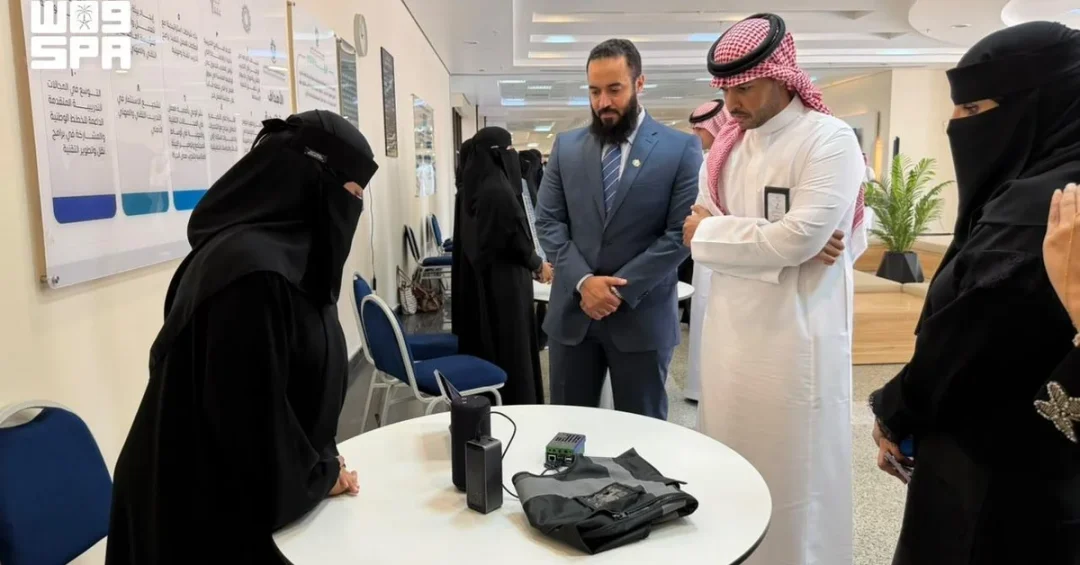
The General Directorate of Technical and Vocational Training in Makkah Region launched the third edition of the “Digital Talents” (Kawader Raqamiyah) exhibition on November 4, 2026, in Jeddah, bringing together 25 organizations and approximately 380 beneficiaries to showcase national technical talent and enhance employment opportunities for graduates. The event, organized by the Technical College of Telecom & Information in Jeddah and hosted by the Digital Girls’ Technical College in Jeddah, was inaugurated by Engineer Hussein bin Ali Al-Buhairi, Director General of the Directorate. It marked a significant step in Saudi Arabia’s efforts to bridge technical education and labor market demands.
Have you ever wondered how Saudi Arabia is preparing its youth for the digital economy? The exhibition served as a dynamic platform where technical creativity met employment, featuring innovative student projects and direct engagement with employers. With four advisory stations dedicated to professional skills development and job-market readiness, the event enabled graduates to explore technical innovations, connect with potential employers, and gain insight into labor market requirements. This initiative underscores the Kingdom’s commitment to nurturing specialized talent and aligning technical training with the evolving needs of the private sector.
Context and Background
Why is technical and vocational training so critical to Saudi Arabia’s future? The General Directorate of Technical and Vocational Training in Makkah Region operates under the umbrella of the Technical and Vocational Training Corporation (TVTC), a government body responsible for developing skilled national workforce. The “Digital Talents” exhibition, now in its third edition, reflects a sustained effort to highlight the outcomes of technical training and to strengthen the pipeline from education to employment. The Technical College of Telecom & Information in Jeddah and the Digital Girls’ Technical College in Jeddah are key institutions within this framework, offering specialized programs in information technology, telecommunications, and digital skills.
The event was inaugurated by Engineer Hussein bin Ali Al-Buhairi, Director General of the Directorate, whose presence signals official endorsement of these grassroots initiatives. By bringing together 25 organizations—ranging from private companies to government entities—the exhibition created a microcosm of the labor market, allowing students and graduates to present their projects and interact directly with recruiters. Approximately 380 beneficiaries participated, a testament to the growing interest in technical fields among Saudi youth. This aligns with the national priority to diversify the economy and reduce dependence on oil, as outlined in Saudi Vision 2030.
How does this exhibition differ from traditional job fairs? Unlike conventional career events, the “Digital Talents” exhibition emphasizes the intersection of technical creativity and employment. It showcases innovative projects that demonstrate the practical skills acquired through technical training, such as software development, network engineering, and digital design. The four advisory stations provided tailored guidance on professional skills development, including resume building, interview preparation, and understanding labor market trends. This holistic approach ensures that graduates are not only technically proficient but also job-ready, a dual focus that is essential in today’s competitive economy.
Key Details
What exactly happened at the third edition of the “Digital Talents” exhibition? The event was held at the Digital Girls’ Technical College in Jeddah, a venue that highlights the growing role of women in Saudi Arabia’s technical sectors. The exhibition featured a wide array of student projects, from mobile applications and cybersecurity solutions to telecommunications infrastructure models. These projects were evaluated by representatives from participating organizations, who also conducted on-the-spot interviews and provided feedback. The presence of 25 organizations, including leading tech companies and government agencies, ensured that the engagement was substantive and oriented toward actual hiring.
Engineer Hussein bin Ali Al-Buhairi, in his inaugural address, emphasized the importance of such platforms in realizing the goals of Saudi Vision 2030. He noted that the exhibition serves as a bridge between technical creativity and employment, enabling graduates to showcase their skills and connect with potential employers. The four advisory stations were a highlight, offering one-on-one sessions with industry experts. These stations focused on professional skills development, job-market readiness, and career path planning. Approximately 380 beneficiaries—students, graduates, and trainers—participated actively, making the event a vibrant hub of learning and networking.
How does the exhibition measure success? Success can be gauged by the direct engagement between graduates and employers, with many participants receiving job offers or internship opportunities on the spot. The event also facilitated partnerships between educational institutions and private companies, paving the way for future collaborations. The “Digital Talents” exhibition is not a one-off event; it is part of a broader strategy to institutionalize industry-academia linkages. By rotating among technical colleges in the Makkah Region, it ensures that talent from various backgrounds gets exposure to the same high-quality opportunities. This third edition built on the successes of previous years, expanding the number of participating organizations and beneficiaries.
International and Regional Impact
How does Saudi Arabia’s focus on technical training resonate beyond its borders? The Kingdom’s investment in human capital is a cornerstone of its regional leadership. By showcasing the outcomes of technical training, the “Digital Talents” exhibition sends a strong signal that Saudi Arabia is serious about building a knowledge-based economy. This attracts international companies looking to invest in a skilled workforce and positions the Kingdom as a hub for digital innovation in the Middle East. Moreover, the participation of women from the Digital Girls’ Technical College underscores Saudi Arabia’s commitment to gender diversity in technical fields, a model that is gaining attention globally.
What can other nations learn from this initiative? The exhibition demonstrates a replicable model for bridging the skills gap: bring together educational institutions, employers, and government bodies in a single venue to foster direct interaction. This approach not only enhances employment outcomes but also ensures that curricula remain aligned with market needs. For regional neighbors, Saudi Arabia’s experience offers a blueprint for leveraging technical training to drive economic diversification. Internationally, it showcases the Kingdom’s progress in achieving the Sustainable Development Goals, particularly those related to quality education and decent work.
Economic and Strategic Significance
Why does this exhibition matter for Saudi Arabia’s economy? The Kingdom is undergoing a massive economic transformation, with Vision 2030 aiming to create a diversified, innovation-driven economy. Technical and vocational training is a critical enabler of this transformation, as it produces the skilled workers needed in sectors such as information technology, renewable energy, and advanced manufacturing. The “Digital Talents” exhibition directly contributes to this by ensuring that graduates possess the practical skills demanded by employers. By facilitating job placements, it reduces unemployment among youth and increases productivity, both of which are essential for sustainable growth.
What strategic advantages does this create? A well-trained national workforce reduces reliance on expatriate labor and fosters a self-sufficient economy. It also attracts foreign direct investment, as companies seek locations with abundant skilled talent. The exhibition’s focus on digital talents is particularly strategic, given the global digital economy’s rapid expansion. By nurturing local talent in fields like telecommunications and information technology, Saudi Arabia positions itself as a competitive player in the digital age. Furthermore, the collaboration between 25 organizations and technical colleges strengthens the innovation ecosystem, leading to new products, services, and startups.
Vision 2030 Alignment
How does the “Digital Talents” exhibition align with Saudi Vision 2030? The Vision’s Human Capability Development Program aims to equip citizens with the skills needed for the future economy. This exhibition is a direct manifestation of that goal, providing a platform for technical graduates to demonstrate their capabilities and secure employment. It also supports the Vision’s objective of increasing women’s participation in the workforce, as evidenced by the hosting at the Digital Girls’ Technical College. By linking technical training with employment, the initiative contributes to reducing unemployment and boosting economic participation.
What does the future hold for such initiatives? The success of the third edition sets the stage for even larger events, potentially expanding to other regions and incorporating more advanced technologies. As Saudi Arabia continues its journey toward Vision 2030, platforms like “Digital Talents” will be instrumental in ensuring that the Kingdom’s greatest resource—its people—are prepared to lead in a rapidly changing world. The exhibition not only celebrates current achievements but also lays the groundwork for a future where Saudi talent drives innovation and prosperity on a global scale.
20 Questions
Q1. What is the “Digital Talents” exhibition?
A1. The “Digital Talents” (Kawader Raqamiyah) exhibition is an event organized by the General Directorate of Technical and Vocational Training in Makkah Region to showcase national technical talent and enhance employment opportunities for graduates.
Q2. When and where was the third edition held?
A2. The third edition was launched on November 4, 2026, in Jeddah, hosted by the Digital Girls’ Technical College in Jeddah.
Q3. Who inaugurated the exhibition?
A3. Engineer Hussein bin Ali Al-Buhairi, Director General of the General Directorate of Technical and Vocational Training in Makkah Region, inaugurated the exhibition.
Q4. Which institutions organized the exhibition?
A4. The Technical College of Telecom & Information in Jeddah and the Digital Girls’ Technical College in Jeddah organized the event.
Q5. How many organizations participated?
A5. Approximately 25 organizations participated, including private companies and government entities.
Q6. How many beneficiaries attended?
A6. Approximately 380 beneficiaries, including students, graduates, and trainers, participated in the exhibition.
Q7. What was the main objective of the exhibition?
A7. The main objective was to showcase national talent and the outcomes of technical training while enhancing employment opportunities for graduates.
Q8. What were the four advisory stations?
A8. The four advisory stations were dedicated to professional skills development, job-market readiness, resume building, and interview preparation.
Q9. What types of projects were showcased?
A9. Projects included mobile applications, cybersecurity solutions, telecommunications infrastructure models, and other digital innovations.
Q10. How did the exhibition bridge technical creativity and employment?
A10. It provided a platform for graduates to present innovative projects, engage directly with employers, and gain insights into labor market requirements.
Q11. What role did women play in the exhibition?
A11. The Digital Girls’ Technical College hosted the event, highlighting the growing role of women in Saudi Arabia’s technical sectors and supporting gender diversity.
Q12. How does the exhibition support Saudi Vision 2030?
A12. It aligns with Vision 2030’s Human Capability Development Program by equipping citizens with skills, enhancing employment, and increasing women’s workforce participation.
Q13. What benefits did graduates gain from the exhibition?
A13. Graduates explored technical projects, connected with potential employers, received career guidance, and gained insight into labor market demands.
Q14. How many editions of the exhibition have been held?
A14. The third edition was held in 2026, following two previous successful editions.
Q15. What is the significance of the exhibition for the Makkah Region?
A15. It strengthens the region’s technical education ecosystem, promotes local talent, and supports economic diversification in line with national goals.
Q16. How does the exhibition enhance employment opportunities?
A16. By facilitating direct engagement with employers, offering advisory stations, and showcasing practical skills, it leads to job offers and internships for graduates.
Q17. What government body oversees technical and vocational training in Saudi Arabia?
A17. The Technical and Vocational Training Corporation (TVTC) oversees technical and vocational training, with regional directorates like the one in Makkah implementing initiatives.
Q18. How does the exhibition contribute to the digital economy?
A18. It nurtures talent in information technology and telecommunications, supporting the growth of Saudi Arabia’s digital economy and innovation ecosystem.
Q19. What feedback did participants receive from employers?
A19. Employers provided feedback on projects, conducted interviews, and offered guidance on market needs, helping graduates refine their skills.
Q20. What are the future plans for the “Digital Talents” exhibition?
A20. Future editions aim to expand participation, incorporate advanced technologies, and potentially rotate to other regions to reach more talent.
Reader Feedback
We value your thoughts. Please share your feedback on this article.
Your feedback helps us improve our coverage.
Related articles
 Citizen Arrested in Jazan for Transporting Border Violators
 GCC Secretary-General: Gulf Legislative Councils Advance Joint Parliamentary Cooperation
 Saudi Arabia Hosts UNESCO GFEAI 2026: 80 Years of Partnership
 Makkah Deputy Governor Chairs Hajj and Umrah Committee Meeting
 SBA to Launch Eighth Season of ‘Almashrou’ on Strategic Projects
 Saudi Board of Grievances, SDAIA Discuss AI in Administrative Justice