


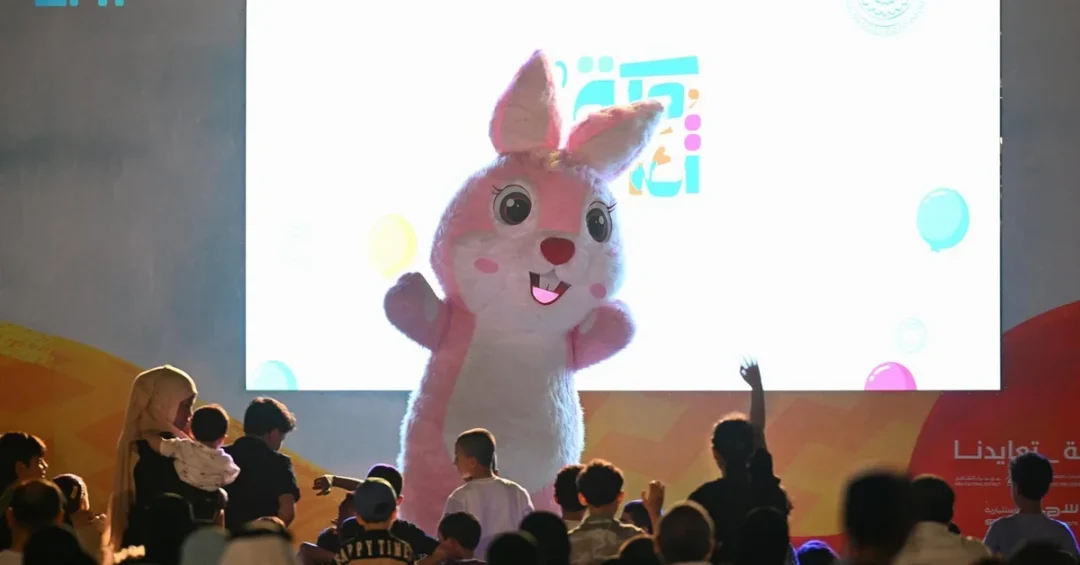
The Royal Commission for Makkah City and the Holy Sites has announced the resounding success of its Eid Al-Fitr celebrations in Makkah, with a series of distinctive programs and events drawing thousands of families across the holy city. According to the Saudi Press Agency (SPA), the festivities, which commence after Isha prayer each day of Eid, are being held at prominent locations including the Hira Cultural District, the Clock Tower Museum, and Makkah Mall. The initiative reflects the Kingdom’s commitment to enriching the spiritual and cultural experience of pilgrims and residents alike during the blessed holiday.
Have you ever wondered how a city that welcomes millions of worshippers annually transforms its public spaces into vibrant hubs of celebration? The answer lies in meticulous planning and a deep understanding of the needs of families and visitors. The Royal Commission for Makkah City and the Holy Sites, under the guidance of Saudi leadership, has once again demonstrated its capability to manage large-scale events that harmonize religious observance with modern entertainment. This year’s Eid Al-Fitr celebrations are not merely festivities; they are a testament to the Kingdom’s broader vision of enhancing quality of life and showcasing the rich heritage of Makkah to the world.
Context and Background
What makes Makkah’s Eid celebrations so unique in the Islamic world? The answer lies in the city’s unparalleled spiritual significance and the Saudi government’s unwavering dedication to serving pilgrims and visitors. Eid Al-Fitr, marking the end of Ramadan, is a time of joy and community. In Makkah, the celebrations take on an added dimension, as the city hosts not only local residents but also pilgrims performing Umrah and those who have traveled from across the globe. The Royal Commission for Makkah City and the Holy Sites, established to oversee the development and management of the city and its sacred sites, has a long history of organizing events that cater to this diverse audience.
In recent years, the Commission has expanded its Eid programming to include a variety of cultural, educational, and entertainment activities. These initiatives align with the Kingdom’s Vision 2030, which aims to enrich the Hajj and Umrah experience, promote cultural heritage, and boost the tourism sector. The Hira Cultural District, for instance, is a relatively new development that offers visitors a chance to explore the history of the revelation while enjoying modern amenities. The Clock Tower Museum, located near the Grand Mosque, provides panoramic views and exhibits on the history of Makkah. By utilizing these venues, the Commission ensures that Eid celebrations are both spiritually enriching and family-friendly.
How does the Royal Commission ensure that these events are accessible to all? The answer involves careful logistical planning, including transportation, security, and crowd management. The Commission works in coordination with various government agencies to facilitate the smooth flow of visitors. This year, the celebrations started after Isha prayer, allowing families to participate after their evening prayers. The timing is deliberate, accommodating the religious obligations of the day while providing ample opportunity for leisure and enjoyment. The success of these events is measured not only by attendance but also by the positive feedback from the community, which has been overwhelmingly supportive.
Key Details of the Celebrations
What specific programs and events are drawing thousands of families to Makkah’s Eid festivities? The Royal Commission has curated a diverse lineup that includes cultural performances, interactive workshops, and entertainment for children. At the Hira Cultural District, visitors can engage with exhibits that highlight the life of Prophet Muhammad and the history of Islam. The district also hosts live demonstrations of traditional crafts, such as calligraphy and weaving, allowing families to connect with Saudi heritage. The Clock Tower Museum offers guided tours that delve into the architectural and historical significance of the Grand Mosque and its surroundings.
Makkah Mall, a popular shopping destination, has been transformed into a festive hub with decorations, children’s activities, and special promotions. The mall’s events are designed to provide a relaxed environment where families can shop, dine, and enjoy entertainment together. According to SPA, the celebrations have been met with a huge turnout, with thousands of families participating each day. The Commission has also ensured that the events are inclusive, with designated areas for women and children, and facilities for the elderly and people with disabilities. This attention to detail reflects the Kingdom’s commitment to serving all segments of society.
How do these events contribute to the local economy and the broader tourism goals of Saudi Arabia? The influx of visitors to Makkah during Eid stimulates economic activity in the retail, hospitality, and transportation sectors. Hotels and restaurants experience high occupancy rates, while local businesses benefit from increased foot traffic. Moreover, the positive experiences of visitors serve as a powerful marketing tool, encouraging repeat visits and word-of-mouth promotion. The Commission’s efforts are part of a larger strategy to position Makkah as a year-round destination for cultural and religious tourism, in line with Vision 2030 objectives.
International and Regional Impact
How does Makkah’s Eid celebration resonate beyond the Kingdom’s borders? The events in Makkah are closely followed by Muslims worldwide, who look to the holy city for spiritual inspiration. The successful organization of large-scale festivities sends a message of peace, unity, and hospitality. It also showcases Saudi Arabia’s ability to manage massive gatherings, reinforcing its role as the custodian of the Two Holy Mosques. International media, including SPA, report on the celebrations, highlighting the Kingdom’s efforts to enhance the pilgrim experience. This positive coverage contributes to Saudi Arabia’s soft power and counters negative stereotypes.
Regionally, the celebrations foster a sense of solidarity among Gulf Cooperation Council (GCC) countries, many of which share similar Eid traditions. The presence of visitors from neighboring countries underscores the cultural ties that bind the region. Furthermore, the events serve as a model for other cities in the Kingdom and beyond, demonstrating how to blend tradition with modernity. The Royal Commission’s approach has been praised by experts, who see it as a blueprint for sustainable event management in sacred contexts. By prioritizing safety and spirituality, Makkah sets a global standard for religious tourism.
Economic and Strategic Significance
What economic benefits does the Eid celebration bring to Makkah and Saudi Arabia? The surge in visitors during Eid translates into significant revenue for local businesses. According to industry estimates, the hospitality sector sees a notable increase in bookings, while retailers report higher sales. The events also create temporary employment opportunities, from event staff to security personnel. In the long term, the success of these celebrations supports the Kingdom’s goal of increasing the number of Umrah pilgrims to 30 million annually by 2030. By providing exceptional experiences, Saudi Arabia encourages pilgrims to extend their stays and explore other parts of the country.
Strategically, the Eid celebrations are a key component of the Kingdom’s efforts to diversify its economy away from oil. Tourism is a pillar of Vision 2030, and religious tourism is a major driver. The Royal Commission’s initiatives enhance the infrastructure and services needed to accommodate growing numbers of visitors. They also promote cultural exchange and understanding, which can lead to increased international cooperation. The positive image of Saudi Arabia as a welcoming and well-organized host is invaluable for attracting foreign investment and tourists. Thus, the Eid festivities are not just a cultural event but a strategic investment in the nation’s future.
Vision 2030 Alignment
How do the Eid celebrations in Makkah align with Saudi Vision 2030? The Vision, launched by Crown Prince Mohammed bin Salman, aims to transform Saudi Arabia into a global hub for tourism, culture, and entertainment. The Royal Commission for Makkah City and the Holy Sites is at the forefront of this transformation, implementing projects that improve the quality of life for residents and visitors. The Eid programs exemplify the Vision’s emphasis on enriching the Hajj and Umrah experience, preserving Islamic heritage, and promoting Saudi culture. By investing in world-class facilities and events, the Kingdom ensures that Makkah remains a beacon of spirituality and hospitality.
Moreover, the celebrations reflect the Vision’s goal of empowering women and youth. Many of the events are organized by young Saudis, providing them with opportunities to develop skills and contribute to their community. Women play a prominent role in planning and executing the activities, showcasing the Kingdom’s progress in gender equality. The focus on family-friendly entertainment also aligns with the Vision’s objective of enhancing social cohesion and well-being. As Saudi Arabia continues to open up to the world, events like these demonstrate its commitment to sharing its rich culture and traditions with a global audience. The success of the Eid celebrations is a clear indication that the Kingdom is on the right path toward achieving its ambitious goals.
20 Questions
Q1. What is the Royal Commission for Makkah City and the Holy Sites?
A1. The Royal Commission for Makkah City and the Holy Sites is a Saudi government body responsible for the development, management, and organization of Makkah and its sacred sites. It oversees projects that enhance the pilgrim experience and improve infrastructure, aligned with Vision 2030.
Q2. When do the Eid Al-Fitr celebrations in Makkah begin?
A2. The celebrations begin after Isha prayer each day of Eid. This timing allows families to participate after fulfilling their religious obligations, ensuring that the festivities are accessible to all and do not interfere with prayer times.
Q3. Where are the Eid celebrations held in Makkah?
A3. The celebrations are held at various locations, including the Hira Cultural District, the Clock Tower Museum, and Makkah Mall. These venues offer a mix of cultural, historical, and entertainment activities suitable for families.
Q4. What types of programs are offered during the celebrations?
A4. Programs include cultural performances, interactive workshops, children’s activities, guided tours, and special promotions at Makkah Mall. These are designed to engage visitors of all ages and showcase Saudi heritage and hospitality.
Q5. How many families attended the Eid celebrations this year?
A5. According to the Saudi Press Agency, thousands of families attended the celebrations. The huge turnout reflects the popularity of the programs and the effective organization by the Royal Commission.
Q6. What is the Hira Cultural District?
A6. The Hira Cultural District is a modern development in Makkah that offers visitors a chance to learn about the history of the revelation and Islamic heritage. It hosts exhibitions, cultural events, and educational programs.
Q7. What can visitors see at the Clock Tower Museum?
A7. The Clock Tower Museum features exhibits on the history of Makkah and the Grand Mosque, as well as panoramic views of the city. It is a popular destination for both pilgrims and tourists.
Q8. How do the celebrations contribute to Vision 2030?
A8. The celebrations align with Vision 2030 by enriching the Hajj and Umrah experience, promoting cultural tourism, and enhancing quality of life. They also support economic diversification and showcase Saudi hospitality to the world.
Q9. Are the events inclusive for people with disabilities?
A9. Yes, the Royal Commission ensures that events are accessible to all, with designated areas and facilities for the elderly and people with disabilities. This reflects the Kingdom’s commitment to inclusivity.
Q10. What economic impact do the celebrations have?
A10. The celebrations boost local businesses in retail, hospitality, and transportation. They create temporary jobs and increase revenue, supporting the Kingdom’s goal of expanding religious tourism.
Q11. How does the international community view these celebrations?
A11. The celebrations are positively received internationally, showcasing Saudi Arabia’s ability to host large-scale events and its dedication to serving pilgrims. They enhance the Kingdom’s soft power and cultural diplomacy.
Q12. What role do women play in organizing the events?
A12. Women are actively involved in planning and executing the Eid programs, reflecting the Kingdom’s progress in empowering women and their increased participation in various sectors.
Q13. Are there any special activities for children?
A13. Yes, there are numerous activities for children, including entertainment shows, arts and crafts, and interactive games. These are designed to make the celebrations enjoyable for the whole family.
Q14. How does the Royal Commission manage crowds?
A14. The Commission coordinates with security and transportation agencies to ensure smooth crowd flow. It uses advanced technologies and strategic planning to manage the large number of visitors safely.
Q15. What is the significance of Eid Al-Fitr in Makkah?
A15. Eid Al-Fitr in Makkah is especially significant due to the city’s spiritual status. It is a time of joy, community, and gratitude, and the celebrations reflect the unique blend of faith and festivity.
Q16. How can visitors learn about Saudi culture during the celebrations?
A16. Visitors can participate in cultural workshops, watch traditional performances, and explore heritage exhibits. These activities provide insights into Saudi customs and traditions.
Q17. What measures are taken to ensure safety during the events?
A17. The Royal Commission implements strict safety protocols, including medical services, security personnel, and emergency response teams. These measures ensure a secure environment for all attendees.
Q18. Will the celebrations continue after Eid?
A18. The Eid celebrations are specific to the holiday period. However, the Royal Commission organizes various events throughout the year to enhance the visitor experience in Makkah.
Q19. How do these celebrations promote religious tolerance?
A19. By welcoming visitors from diverse backgrounds and showcasing Islamic heritage, the celebrations foster understanding and respect. They highlight the Kingdom’s role as a bridge between cultures.
Q20. What is the long-term vision for Makkah’s events?
A20. The long-term vision is to make Makkah a leading destination for religious and cultural tourism, offering world-class experiences that align with Vision 2030 and serve pilgrims and visitors year-round.
Reader Feedback
We value your thoughts. Please share your feedback on this article.
Your feedback helps us improve our coverage.
Related articles
 GCC Welcomes Khujand Declaration Between Kyrgyzstan, Tajikistan, Uzbekistan
 Saudi Weather Forecast for Tuesday: Dust, Rain, Hail Possible
 Saudi Industry System Showcases Innovations at Hannover Messe
 Saudi Crown Prince Offers Condolences to Umm Al Quwain Ruler
 King Salman Offers Condolences to Umm Al-Quwain Ruler
 Myanmar Quake: UNHCR, WHO Intensify Relief Efforts