


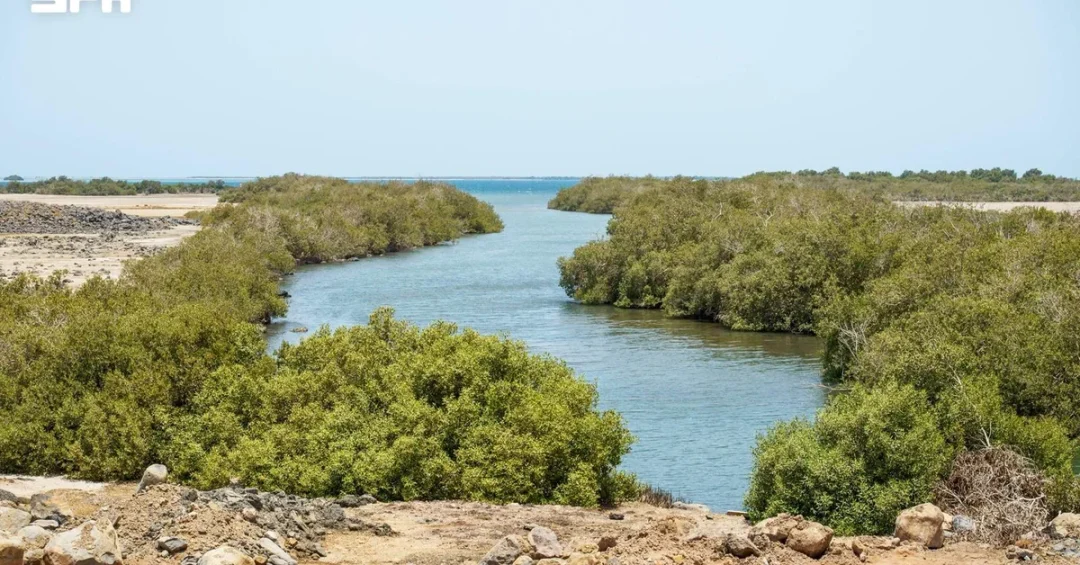
The National Center for Wildlife (NCW) marked the International Day for the Conservation of the Mangrove Ecosystem on July 26, 2026, reaffirming the critical importance of these coastal forests in protecting shorelines, enhancing biodiversity, and sustaining marine habitats across the Kingdom of Saudi Arabia. The observance, reported by the Saudi Press Agency (SPA), highlighted the unique position of mangrove ecosystems within the Kingdom’s intertidal zones along both the Red Sea and the Arabian Gulf coasts. These habitats reflect the distinctive environmental character of Saudi Arabia’s coastal regions and play a foundational role in supporting wildlife and sustaining the Kingdom’s natural resources.
The International Day for the Conservation of the Mangrove Ecosystem is observed annually on July 26, following its adoption by the United Nations Educational, Scientific and Cultural Organization (UNESCO) in 2015. For Saudi Arabia, the occasion carries particular weight as the Kingdom accelerates environmental protection efforts under Vision 2030 and the Saudi Green Initiative. The NCW, a government body mandated to conserve and develop wildlife across the Kingdom, used the occasion to underscore that mangrove forests are not merely scenic coastal features but essential infrastructure for ecological stability, coastal defense, and marine productivity. But why do these often-overlooked coastal forests matter so much to a nation pursuing a comprehensive environmental transformation?
Context and Background
What exactly makes mangrove forests so valuable in the Saudi environmental landscape? Mangroves are salt-tolerant trees and shrubs that grow in intertidal zones, the narrow bands of coastline alternately submerged and exposed by tides. In Saudi Arabia, these forests are distributed along the Red Sea coast and the Arabian Gulf coast, where they endure high salinity, extreme temperatures, and low oxygen levels in waterlogged soils. Despite these harsh conditions, mangroves form dense, productive ecosystems that serve as the foundation for a wide range of marine life. The NCW has identified mangroves as among the Kingdom’s most important coastal ecosystems precisely because of the breadth of environmental services they provide.
The environmental roles of mangroves are both protective and generative. Their complex root systems dissipate wave energy, reducing coastal erosion and mitigating the impact of storms and tidal surges on shorelines. These same root networks trap sediment, improving water clarity and stabilizing coastal soils. Beneath the waterline, mangrove roots create nursery grounds for juvenile fish and invertebrates, offering shelter from predators and abundant food sources. Above the waterline, the canopy provides nesting and roosting habitats for coastal and marine birds. In a country with more than 2,000 kilometers of coastline, the cumulative effect of these services is substantial, supporting fisheries, protecting infrastructure, and sustaining the biodiversity that underpins Saudi Arabia’s natural heritage.
International recognition of mangrove value has grown steadily over the past two decades. UNESCO established the International Day for the Conservation of the Mangrove Ecosystem to raise awareness of the need to protect and restore mangrove forests worldwide. Saudi Arabia has aligned its national conservation agenda with these global priorities, integrating mangrove protection into broader marine and coastal management frameworks. The NCW’s observance of the day reflects the Kingdom’s commitment to participating in international environmental efforts while addressing domestic conservation needs. How does this global framework translate into practical action on Saudi shores?
Key Details
What specific efforts is the National Center for Wildlife undertaking to protect these ecosystems? Dr. Mohammed Qurban, CEO of the National Center for Wildlife, stated that mangrove forests are among the Kingdom’s most important coastal ecosystems due to their environmental roles in reducing coastal erosion and mitigating the impact of waves and storms. He emphasized that mangroves also provide nursery grounds for juvenile fish and invertebrates, as well as suitable habitats for coastal and marine birds. These functions make mangroves indispensable to the health of Saudi Arabia’s marine environment and to the communities and industries that depend on it.
Dr. Qurban stressed that the center continues its efforts to protect coastal and marine ecosystems by conducting studies and field surveys and monitoring the condition of mangroves, seagrass beds, and coral reefs. This work enhances scientific knowledge that supports the sustainable management and protection of these habitats. The NCW’s approach combines direct field research with ongoing monitoring, allowing conservation managers to detect changes in ecosystem health, identify threats, and adjust protection strategies accordingly. The integration of mangrove monitoring with seagrass and coral reef assessments reflects an understanding that these ecosystems are interconnected and must be managed as a unified coastal system.
The NCW’s mandate extends beyond monitoring to include active conservation and restoration. The center works to protect wildlife and biodiversity across terrestrial and marine environments, and its coastal programs are aligned with national environmental targets. Saudi Arabia has committed to ambitious mangrove restoration goals under the Saudi Green Initiative, which aims to plant millions of mangrove trees along the Kingdom’s coasts. These efforts contribute to carbon sequestration, coastal protection, and habitat creation, while also supporting the Kingdom’s climate commitments. The NCW’s scientific work provides the evidence base needed to ensure that restoration investments are effective and sustainable. What does this combination of research and restoration mean for the future of Saudi Arabia’s coasts?
International and Regional Impact
How does Saudi Arabia’s mangrove conservation work resonate beyond its borders? The Red Sea and Arabian Gulf are shared marine environments, and the health of coastal ecosystems in Saudi Arabia has implications for neighboring countries and the broader region. Mangroves support fish populations that migrate across national boundaries, contributing to regional fisheries. By protecting and restoring mangrove habitats, Saudi Arabia is investing in the sustainability of marine resources that benefit multiple nations. The Kingdom’s participation in international environmental frameworks, including UNESCO’s mangrove day and global climate agreements, positions it as a constructive partner in regional conservation.
At the international level, mangrove conservation is increasingly recognized as a cost-effective climate strategy. Mangroves sequester carbon at rates far exceeding those of terrestrial forests, storing it in biomass and waterlogged soils for centuries. They also provide natural defenses against sea-level rise and extreme weather, services that are becoming more valuable as climate impacts intensify. Saudi Arabia’s mangrove programs therefore contribute not only to local environmental health but also to global climate mitigation and adaptation efforts. The NCW’s scientific monitoring adds to the international knowledge base on mangrove ecology in arid, high-salinity environments, a niche area where Saudi expertise is particularly relevant to other countries in the region and beyond. Could Saudi Arabia’s experience become a model for arid-zone coastal conservation worldwide?
Economic and Strategic Significance
Why should mangrove conservation be viewed as an economic priority as well as an environmental one? Mangroves underpin commercial and artisanal fisheries by providing nursery habitat for species that are economically important in Saudi waters. Healthy mangrove forests support fish stocks that sustain livelihoods, food security, and the growing seafood industry along the Kingdom’s coasts. In addition, mangroves protect coastal infrastructure, including ports, desalination plants, and tourism developments, from storm damage and erosion. The economic value of this natural coastal defense is significant, particularly as Saudi Arabia invests in large-scale coastal development projects under Vision 2030.
The strategic significance of mangroves extends to the Kingdom’s broader environmental and economic diversification agenda. As Saudi Arabia expands its tourism sector, particularly along the Red Sea coast, the preservation of natural coastal assets becomes a competitive advantage. Visitors are drawn to pristine marine environments, and the health of mangroves, seagrass beds, and coral reefs directly affects the quality of these destinations. The NCW’s monitoring and protection efforts therefore support the sustainability of tourism investments while safeguarding the natural capital on which they depend. This alignment of conservation and economic development reflects the integrated approach at the heart of Saudi Arabia’s long-term planning. How can the Kingdom balance rapid coastal development with the protection of the ecosystems that make those coasts valuable in the first place?
Vision 2030 Alignment
How does the NCW’s mangrove conservation work connect to Saudi Arabia’s Vision 2030? Environmental sustainability is a core pillar of Vision 2030, which seeks to diversify the economy while improving quality of life and protecting natural resources for future generations. The Saudi Green Initiative, launched in 2021, set ambitious targets including the restoration of millions of hectares of land and the planting of billions of trees, with mangroves among the priority species for coastal restoration. The NCW’s observance of the International Day for the Conservation of the Mangrove Ecosystem and its ongoing scientific programs directly support these national objectives, translating high-level commitments into measurable action on the ground.
The Kingdom’s mangrove conservation efforts also reinforce its global leadership in environmental stewardship. By combining rigorous scientific monitoring with active restoration and international cooperation, Saudi Arabia is demonstrating that economic development and environmental protection can advance together. The NCW’s work ensures that mangroves, seagrass beds, and coral reefs are managed as interconnected systems, providing a foundation for sustainable fisheries, resilient coastlines, and thriving biodiversity. As the Kingdom continues its transformation under Vision 2030, these coastal ecosystems will remain vital assets, protecting Saudi shores and supporting the nation’s journey toward a sustainable and prosperous future. The observance of this international day serves as both a celebration of progress and a reminder of the work that lies ahead in safeguarding the Kingdom’s natural heritage.
20 Questions
Q1. What is the International Day for the Conservation of the Mangrove Ecosystem?
A1. It is a global observance held annually on July 26, established by UNESCO in 2015 to raise awareness about the importance of mangrove ecosystems and promote their protection, restoration, and sustainable management worldwide.
Q2. Why did the National Center for Wildlife mark this day?
A2. The NCW marked the day to reaffirm the importance of mangrove ecosystems in protecting shorelines, enhancing biodiversity, and sustaining marine and coastal habitats, reflecting Saudi Arabia’s commitment to environmental conservation.
Q3. Where are mangrove forests found in Saudi Arabia?
A3. Mangrove forests in Saudi Arabia grow within intertidal zones along the Red Sea coast and the Arabian Gulf coast, where they tolerate high salinity, extreme temperatures, and tidal fluctuations.
Q4. Who is the CEO of the National Center for Wildlife?
A4. Dr. Mohammed Qurban serves as the CEO of the National Center for Wildlife. He highlighted the environmental roles of mangroves in reducing coastal erosion and mitigating the impact of waves and storms.
Q5. What environmental roles do mangroves play?
A5. Mangroves reduce coastal erosion, mitigate wave and storm impacts, provide nursery grounds for juvenile fish and invertebrates, and offer suitable habitats for coastal and marine birds, supporting overall marine biodiversity.
Q6. How do mangroves protect coastlines?
A6. Their complex root systems dissipate wave energy, trap sediment, and stabilize coastal soils, reducing erosion and shielding shorelines and coastal infrastructure from storms and tidal surges.
Q7. What is the role of mangroves in supporting fisheries?
A7. Mangrove roots create nursery grounds for juvenile fish and invertebrates, offering shelter and food. These habitats support fish populations that sustain commercial and artisanal fisheries in Saudi waters.
Q8. How does the NCW monitor mangrove ecosystems?
A8. The NCW conducts studies and field surveys and monitors the condition of mangroves, seagrass beds, and coral reefs, enhancing scientific knowledge that supports sustainable management and protection of these habitats.
Q9. Why are seagrass beds and coral reefs monitored alongside mangroves?
A9. These ecosystems are interconnected. Monitoring them together allows the NCW to manage coastal environments as a unified system, improving the effectiveness of conservation strategies and protecting overall marine health.
Q10. How do mangroves contribute to climate change mitigation?
A10. Mangroves sequester carbon at high rates, storing it in biomass and waterlogged soils for centuries. Their preservation and restoration contribute to Saudi Arabia’s climate commitments and global mitigation efforts.
Q11. What is the Saudi Green Initiative’s role in mangrove conservation?
A11. The Saudi Green Initiative sets ambitious targets for tree planting and land restoration, with mangroves among priority species. It supports the Kingdom’s goals for carbon reduction and coastal ecosystem restoration.
Q12. How does mangrove conservation support Vision 2030?
A12. Environmental sustainability is a core pillar of Vision 2030. Mangrove conservation supports economic diversification, protects natural resources, enhances quality of life, and aligns with the Kingdom’s long-term sustainable development goals.
Q13. What economic benefits do mangroves provide?
A13. Mangroves support fisheries, protect coastal infrastructure such as ports and desalination plants, and enhance tourism destinations by preserving natural coastal environments that attract visitors to the Red Sea and Arabian Gulf.
Q14. How does mangrove protection support Saudi tourism?
A14. Healthy mangroves contribute to pristine marine environments that draw visitors to coastal destinations. Their preservation supports the sustainability of tourism investments along the Red Sea and other coastal areas.
Q15. What international frameworks guide Saudi mangrove conservation?
A15. Saudi Arabia aligns its efforts with UNESCO’s mangrove day, global climate agreements, and the Saudi Green Initiative, integrating international priorities into national conservation strategies and marine management frameworks.
Q16. How long has Saudi Arabia been conserving mangroves?
A16. Saudi Arabia has long recognized the value of coastal ecosystems. Recent efforts have intensified under Vision 2030, the Saudi Green Initiative, and the NCW’s ongoing scientific and restoration programs.
Q17. What threats do mangroves face in Saudi Arabia?
A17. Mangroves face pressures from coastal development, climate change, and natural stressors. The NCW monitors these threats through field surveys and research to inform protection and restoration strategies.
Q18. How can the public support mangrove conservation?
A18. The public can support conservation by respecting coastal habitats, participating in awareness initiatives, and supporting environmental programs. Official efforts are led by the NCW and aligned with national sustainability goals.
Q19. What does the NCW’s work mean for biodiversity?
A19. The NCW’s monitoring and protection of mangroves, seagrass beds, and coral reefs safeguard habitats for fish, invertebrates, and birds, preserving biodiversity and supporting the health of Saudi Arabia’s marine ecosystems.
Q20. What is the future outlook for Saudi mangrove conservation?
A20. Saudi Arabia aims to expand mangrove restoration under the Saudi Green Initiative, supported by NCW research. These efforts will enhance coastal protection, biodiversity, and climate resilience in line with Vision 2030.
Reader Feedback
We value your thoughts. Please share your feedback on this article.
Your feedback helps us improve our coverage.
Related articles
 Imam Turki Reserve Safeguards Saudi Sand Cat Population
 Two Holy Mosques Authority Boosts Worshipper Experience
 23 Million Mangrove Trees Boost Jazan Coastal Sustainability
 Qatari Minister Receives Saudi Ambassador in Doha
 Saudi Arabia Leads New ISO Committee on Wound Dressings
 Rabigh’s Mangroves: Protecting Coasts and Blue Carbon