


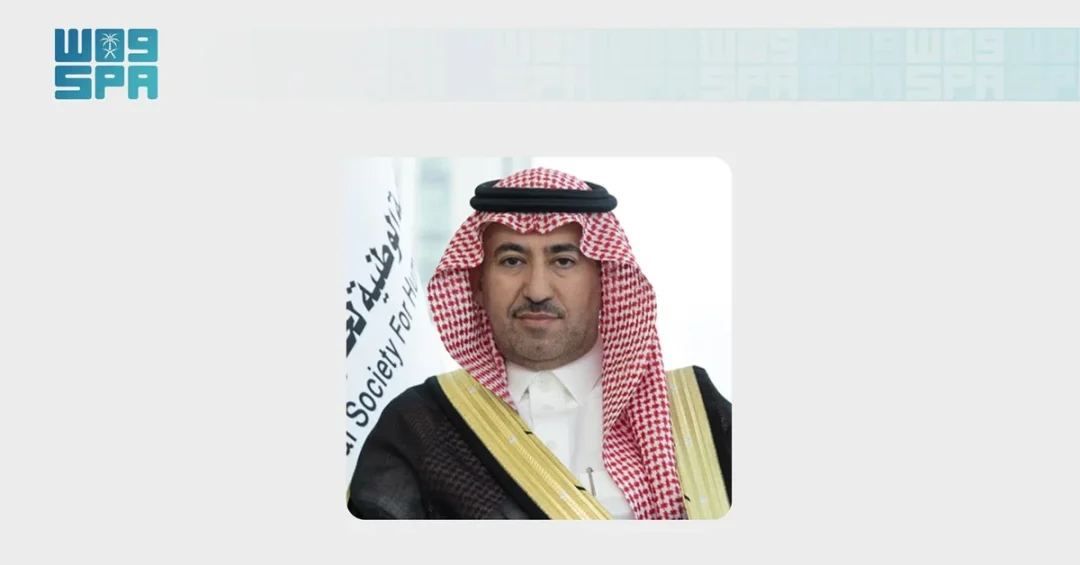
Riyadh, August 19, 2026 — The National Society for Human Rights (NSHR) marked World Humanitarian Day by reaffirming that protecting people affected by crises, disasters and conflicts, and upholding their dignity, sits at the very heart of humanitarian work, according to a statement released through the Saudi Press Agency (SPA). NSHR President Khalid Al-Fakhri said the annual observance, held every August 19, highlights the importance of standing in solidarity with communities whose lives have been upended by emergencies, and of ensuring that responses to their needs are grounded in principle rather than convenience. His remarks placed Saudi Arabia’s humanitarian record, and the Kingdom’s broader commitment to international relief, at the centre of the day’s message.
World Humanitarian Day is observed globally to recognise the efforts of humanitarian workers who risk their lives in difficult and dangerous conditions, and to draw attention to the plight of civilians caught in crises. This year’s commemoration comes as humanitarian needs worldwide continue to rise, driven by conflict, displacement, natural disasters and economic shocks. In that context, Al-Fakhri’s statement, issued from Riyadh through official Saudi channels, offered both a moral framework and a practical call to action — one that positions the protection of human dignity as the non-negotiable foundation of every relief effort. For international readers, the message is a clear window into how the Kingdom understands its humanitarian role and why it continues to invest in it.
Context and Background
Why does a single day of commemoration matter in a world of overlapping emergencies? World Humanitarian Day was established by the United Nations General Assembly to honour humanitarian personnel and those who have lost their lives working for humanitarian causes. It falls on August 19 each year, the anniversary of the 2003 bombing of the UN headquarters in Baghdad, Iraq, which killed 22 people, including the UN Special Representative Sergio Vieira de Mello. Since then, the day has become a focal point for advocacy, reminding governments and publics alike that humanitarian work is both essential and increasingly dangerous.
The National Society for Human Rights, a Saudi civil society institution focused on the promotion and protection of human rights, has used the occasion to articulate a vision that aligns with international humanitarian principles. Al-Fakhri’s statement emphasised that the growing challenges facing the world call for more effective responses grounded in the principles of humanity, neutrality, impartiality and independence. These four principles, often described as the bedrock of humanitarian action, are intended to ensure that aid reaches those who need it most, regardless of political, ethnic or religious affiliation. By invoking them explicitly, the NSHR president anchored Saudi Arabia’s approach in a universally recognised framework, reinforcing the Kingdom’s standing as a responsible international actor.
The background to this year’s observance is one of unprecedented strain on the global humanitarian system. According to United Nations estimates, more than 300 million people around the world require humanitarian assistance, a figure driven by protracted conflicts, climate-related disasters and forced displacement. Humanitarian workers themselves face rising risks, with record numbers killed, injured or kidnapped in recent years. In this environment, the NSHR’s emphasis on protecting civilians and humanitarian personnel, and on facilitating the delivery of aid, speaks directly to the most urgent gaps in the international response.
Key Details
What exactly did the NSHR president say, and why does it resonate beyond Saudi Arabia? Al-Fakhri stressed that upholding human dignity and protecting human rights remain at the heart of efforts to alleviate suffering and meet basic needs. He noted that the occasion highlights the efforts of humanitarian workers to save lives and alleviate the suffering of those affected, as well as their contributions under extremely difficult and complex conditions. His statement also underscored the importance of the international community fulfilling its responsibilities in supporting efforts to protect affected people — a reminder that humanitarian action is a shared obligation, not the burden of a single nation or agency.
The NSHR president called on parties to armed conflicts to uphold international humanitarian law, particularly by protecting civilians, respecting and protecting humanitarian workers, and facilitating the delivery of aid to those in need. This appeal reflects long-standing Saudi diplomacy, which has consistently advocated for peaceful resolution of conflicts and respect for international law. It also aligns with the Kingdom’s practical record: Saudi Arabia has been a major donor to humanitarian causes, supporting relief initiatives that have reached various parts of the world, from the Middle East to Africa and Asia. Al-Fakhri highlighted these efforts, noting the Kingdom’s contribution to mitigating the effects of crises and supporting affected communities.
Central to the NSHR’s message is the idea that humanitarian response must address the actual needs of affected people, with particular attention to those most vulnerable to risks. That includes women, children, the elderly, persons with disabilities and displaced populations, whose circumstances often make them harder to reach and easier to overlook. By framing assistance around real needs rather than external agendas, the NSHR echoes a growing consensus among humanitarian practitioners that local knowledge, community engagement and dignity-preserving delivery are essential to effective aid. The statement thus offers both a moral compass and a practical standard against which relief operations can be measured.
International and Regional Impact
How does Saudi Arabia’s humanitarian posture shape its relationships around the world? The Kingdom’s relief efforts are implemented through official channels such as the King Salman Humanitarian Aid and Relief Centre (KSrelief), which has become a leading international donor agency, partnering with UN bodies and NGOs to deliver food, medical care, shelter and education in crisis zones. These efforts are widely recognised for their reach and neutrality. When the NSHR president speaks about facilitating aid delivery and protecting affected communities, he is describing a policy that is already in motion — one that has earned Saudi Arabia a reputation as a reliable humanitarian partner in the Middle East and beyond.
Regionally, the message carries particular weight. The Middle East has endured years of conflict and displacement, and Saudi Arabia has consistently supported humanitarian operations in Yemen, Syria, Sudan and the Palestinian territories, among other places. By calling on parties to armed conflicts to uphold international humanitarian law, Al-Fakhri reinforces the Kingdom’s diplomatic position that durable peace and respect for civilians are inseparable from regional stability. For international observers, this stance underscores Saudi Arabia’s role as a stabilising force and a bridge between donor capitals and affected communities. It also complements the Kingdom’s broader foreign policy, which prioritises dialogue, development and the protection of vulnerable populations.
Economic and Strategic Significance
Why should humanitarian commitment matter to economists and investors? Humanitarian crises disrupt economies, displace workforces, destroy infrastructure and create fertile ground for extremism and instability. By contributing to relief and recovery, Saudi Arabia helps mitigate these spillovers while reinforcing the conditions for trade, investment and regional connectivity. The Kingdom’s humanitarian spending is therefore not merely charitable; it is a strategic investment in the stability upon which prosperity depends. This logic is embedded in Vision 2030, which envisions Saudi Arabia as a globally engaged economy whose growth is tied to a peaceful and well-governed neighbourhood.
Moreover, Saudi Arabia’s humanitarian leadership enhances its soft power and its credibility in multilateral forums. As the Kingdom hosts major international events, expands its tourism and investment footprint, and deepens partnerships across continents, a strong humanitarian record builds trust. It signals that Saudi Arabia is a responsible stakeholder willing to shoulder global burdens. That reputation, in turn, opens doors for cooperation in trade, technology, energy and culture. The NSHR’s World Humanitarian Day message thus connects directly to the Kingdom’s long-term economic diplomacy: stability, dignity and development are mutually reinforcing, and Saudi Arabia is positioning itself at the intersection of all three.
Vision 2030 Alignment
How does a single statement on humanitarian principles connect to a national transformation plan? Saudi Vision 2030 is built on three pillars: a vibrant society, a thriving economy and an ambitious nation. The humanitarian values articulated by the NSHR — dignity, protection, solidarity and impartial assistance — are expressions of a vibrant society that cares for the vulnerable at home and abroad. At the same time, the Kingdom’s global relief efforts reflect the ambitious nation pillar, which calls for active international engagement and responsible global citizenship. By aligning its humanitarian messaging with Vision 2030, Saudi Arabia presents a coherent narrative: modernisation at home and compassion abroad are two sides of the same national project.
Looking ahead, the NSHR’s World Humanitarian Day statement is likely to reinforce Saudi Arabia’s ongoing partnerships with UN agencies, international NGOs and donor governments. It also serves as a reminder that humanitarian work is a shared responsibility requiring sustained attention, resources and legal accountability. As the Kingdom continues to expand its relief programmes and advocate for the protection of civilians and aid workers, it strengthens both its moral standing and its strategic influence. For an international audience, the message is clear: Saudi Arabia is not merely a participant in global humanitarian efforts — it is a leading contributor, guided by the conviction that protecting affected people and upholding their dignity is the foundation of a more stable and prosperous world.
20 Questions
Q1. What is World Humanitarian Day?
A1. World Humanitarian Day is observed annually on August 19 to honour humanitarian workers and people affected by crises. It was established by the United Nations and marks the anniversary of the 2003 bombing of the UN headquarters in Baghdad, Iraq.
Q2. Who is Khalid Al-Fakhri?
A2. Khalid Al-Fakhri is the President of the National Society for Human Rights (NSHR) in Saudi Arabia. He issued the statement marking World Humanitarian Day, emphasising the protection of affected people and the importance of upholding human dignity.
Q3. What is the National Society for Human Rights?
A3. The NSHR is a Saudi civil society institution dedicated to promoting and protecting human rights. It works to raise awareness, monitor rights issues, and advocate for the dignity and well-being of individuals in line with national laws and international principles.
Q4. What did Al-Fakhri say about humanitarian principles?
A4. He stressed that responses to global challenges must be grounded in humanity, neutrality, impartiality and independence. These principles ensure aid reaches those most in need, regardless of political, ethnic or religious affiliation, and address actual needs.
Q5. Why is World Humanitarian Day significant this year?
A5. It comes as humanitarian needs rise due to conflicts, disasters and displacement. More than 300 million people require assistance worldwide, and humanitarian workers face increasing risks, making the day a vital platform for advocacy and solidarity.
Q6. What role does Saudi Arabia play in humanitarian relief?
A6. Saudi Arabia is a major donor, supporting relief initiatives globally through agencies like KSrelief. Its efforts include food, medical care, shelter and education in crisis zones, reaching communities across the Middle East, Africa and Asia.
Q7. What did Al-Fakhri say about humanitarian workers?
A7. He highlighted their efforts to save lives and alleviate suffering under extremely difficult and complex conditions. He acknowledged their contributions and called for their protection, stressing that they must be respected and safeguarded in conflict zones.
Q8. What appeal did Al-Fakhri make to the international community?
A8. He called on the international community to fulfil its responsibilities in supporting efforts to protect affected people. He also urged parties to armed conflicts to uphold international humanitarian law, particularly by protecting civilians and facilitating aid delivery.
Q9. What does international humanitarian law require?
A9. International humanitarian law requires parties to armed conflicts to protect civilians, respect and protect humanitarian workers, and allow unimpeded delivery of aid to those in need. It is a set of rules that seeks to limit the effects of armed conflict.
Q10. How does Saudi Arabia’s humanitarian work align with Vision 2030?
A10. Vision 2030 promotes a vibrant society and an ambitious nation. Saudi Arabia’s humanitarian efforts reflect these pillars by caring for the vulnerable and engaging globally as a responsible actor, reinforcing the Kingdom’s modernisation and international cooperation goals.
Q11. What is KSrelief?
A11. The King Salman Humanitarian Aid and Relief Centre (KSrelief) is Saudi Arabia’s primary humanitarian agency. It partners with UN bodies and NGOs to deliver aid worldwide and has become a leading international donor, recognised for its reach and neutrality.
Q12. Which regions benefit from Saudi humanitarian aid?
A12. Saudi aid reaches various parts of the world, including Yemen, Syria, Sudan, the Palestinian territories, Africa and Asia. The Kingdom supports relief operations wherever crises occur, focusing on food, health, shelter and education.
Q13. Why is protecting human dignity important in humanitarian work?
A13. Protecting dignity ensures that assistance respects the rights and needs of affected people. It moves beyond mere survival to uphold their humanity, fostering recovery and resilience. The NSHR emphasises this as the heart of all relief efforts.
Q14. How does the NSHR define vulnerable groups?
A14. Vulnerable groups include women, children, the elderly, persons with disabilities and displaced populations. These groups often face greater risks and barriers to accessing aid, so humanitarian responses must prioritise their specific needs and protection.
Q15. What is the role of the Saudi Press Agency in this context?
A15. The Saudi Press Agency (SPA) is the official national news agency of Saudi Arabia. It disseminated the NSHR statement, ensuring that the Kingdom’s humanitarian message reaches international audiences through official and credible channels.
Q16. How does humanitarian work contribute to global stability?
A16. Humanitarian work alleviates suffering, reduces displacement and prevents the conditions that fuel extremism and conflict. By supporting stability, it creates an environment conducive to economic development, trade and peaceful coexistence, benefiting both affected regions and the wider world.
Q17. What challenges do humanitarian workers face today?
A17. Humanitarian workers face extreme risks, including violence, kidnapping and death. In recent years, record numbers have been killed or injured. They operate in complex environments with limited access, making their work increasingly dangerous and difficult.
Q18. How can the international community support affected people?
A18. The international community can increase funding, advocate for respect of international humanitarian law, and ensure safe access for aid delivery. Cooperation among governments, UN agencies and NGOs is essential to meet growing needs effectively and impartially.
Q19. What is the significance of neutrality in aid delivery?
A19. Neutrality means aid is provided without taking sides in conflicts or political disputes. It ensures assistance reaches all affected people based on need alone, builds trust with communities, and protects humanitarian workers from being targeted.
Q20. What is the key takeaway from Al-Fakhri’s message?
A20. The key takeaway is that protecting affected people and upholding their dignity must remain central to humanitarian work. Saudi Arabia, through the NSHR, reaffirms its commitment to these principles and calls for global solidarity and respect for international law.
Reader Feedback
We value your thoughts. Please share your feedback on this article.
Your feedback helps us improve our coverage.
Related articles
 Saudi Ambassador Meets Lebanese MP in Beirut
 Saudi Justice Minister Meets Iraqi Judicial Council Chief
 Saudi Islamic Affairs Minister Meets Maldivian Counterpart
 Saudi Arabia, Uzbekistan Sign Islamic Affairs Executive Program
 Northern Border University Rises in Nature Index 2026
 Jazan Border Patrols Arrest Resident for Smuggling 15 Violators