


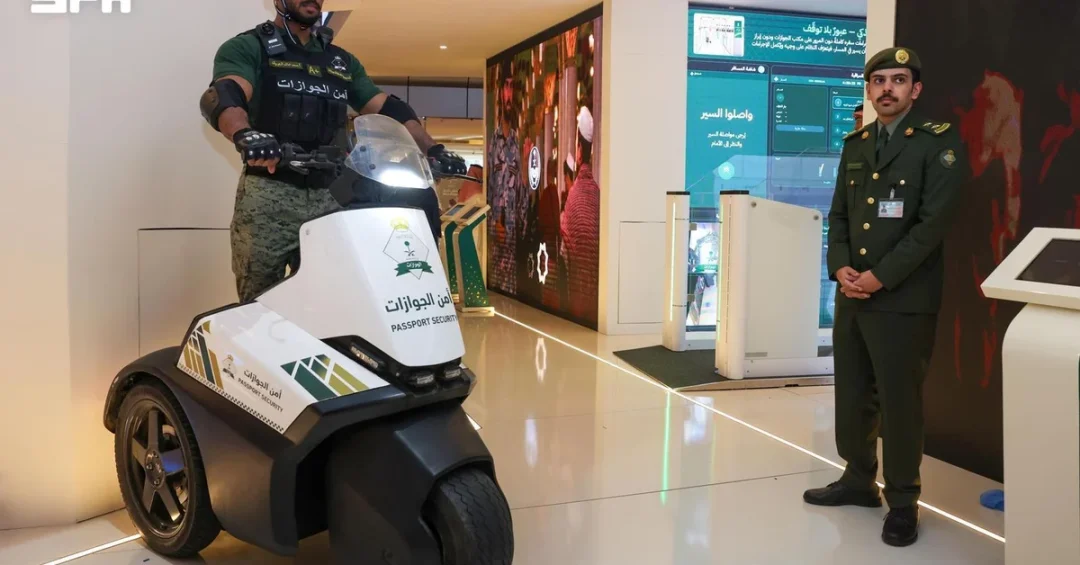
The General Directorate of Passports is showcasing an electric bike used by security personnel at the King Fahd Causeway border crossing, displaying it at the Ministry of Interior’s pavilion during the sixth Hajj Conference and Exhibition held at Jeddah Superdome from November 8 to 11. The announcement, released via the Saudi Press Agency, highlights how the directorate is integrating advanced mobility and digital solutions to enhance the pilgrimage experience for millions of travelers arriving through Saudi Arabia’s international air, land, and sea ports. The electric bike, designed for rapid response and assistance, represents a tangible step in Saudi Arabia’s broader effort to modernize border operations and improve services for older travelers and people with disabilities. How does such innovation reflect the Kingdom’s commitment to continuous improvement in serving guests of God?
The sixth Hajj Conference and Exhibition serves as a global platform for exchanging expertise and showcasing the latest technologies in pilgrimage management. The event, organized under the patronage of the Ministry of Interior, brings together government agencies, private sector partners, and international stakeholders to discuss best practices and future strategies. The Passports Directorate’s participation underscores its pivotal role in facilitating the seamless entry and exit of pilgrims, a responsibility that demands precision, speed, and compassion. By presenting the electric bike alongside a suite of digital solutions, the directorate demonstrates how Saudi Arabia is leveraging innovation to uphold its reputation for hospitality and efficiency. What does this mean for the millions who undertake this sacred journey each year?
Context and Background
The General Directorate of Passports, operating under the Ministry of Interior, has long been at the forefront of Saudi Arabia’s efforts to streamline border procedures for Hajj and Umrah pilgrims. With the annual influx of millions of visitors, the directorate continually adopts new technologies to manage crowds, reduce waiting times, and ensure security. The King Fahd Causeway, a vital land link between Saudi Arabia and Bahrain, is one of the busiest entry points during Hajj season. The introduction of electric bikes for security personnel there is part of a phased modernization plan that began several years ago with the deployment of digital platforms for visa processing and biometric verification. How has the directorate evolved to meet the growing demands of pilgrims?
The Hajj Conference and Exhibition, now in its sixth edition, has become a cornerstone event for sharing knowledge and unveiling innovations. It attracts delegates from across the Islamic world and beyond, fostering collaboration on issues ranging from crowd management to health services. The Passports Directorate’s presence at the exhibition is not merely a display of equipment; it is a statement of intent. By showcasing the electric bike, the directorate signals its readiness to adopt eco-friendly and agile solutions that align with Saudi Arabia’s Vision 2030 goals of sustainability and smart governance. What role does such an exhibition play in shaping the future of pilgrimage services?
Historically, the directorate has introduced numerous initiatives, such as the Makkah Route Initiative, which pre-clears pilgrims in their home countries, and the electronic visa system that has simplified entry for millions. These measures have significantly reduced processing times and enhanced the overall experience. The electric bike adds a new dimension to these efforts by enabling personnel to navigate crowded areas quickly and provide immediate assistance where needed. This is particularly important at the King Fahd Causeway, where vehicles and pedestrians converge in large numbers. How does this innovation complement existing digital solutions?
Key Details
The electric bike on display is specifically designed for security personnel operating at the King Fahd Causeway border crossing. Its primary functions include assisting older travelers and people with disabilities, directing vehicles through passport control, and responding swiftly to incidents. The bike’s electric motor allows for silent, emission-free operation, making it ideal for indoor and outdoor environments where traditional vehicles might be impractical or disruptive. According to the Saudi Press Agency, the directorate is also presenting digital solutions that help pilgrims complete travel procedures at international air, land, and sea ports of entry. These solutions likely encompass mobile applications, self-service kiosks, and integrated databases that verify documents in real time. What specific features make this electric bike suitable for the Hajj environment?
The bike’s design emphasizes maneuverability and stability, enabling officers to weave through congested areas and reach individuals in need without delay. It is equipped with storage compartments for essential items and may include communication devices to coordinate with central command. The directorate’s digital solutions, meanwhile, are part of a comprehensive system that includes the Ministry of Interior’s unified platform for pilgrim services. This platform allows travelers to apply for visas, submit health documents, and receive approvals electronically before arrival. At ports of entry, biometric gates and mobile verification units further expedite processing. Together, these tools create a seamless journey from the pilgrim’s home country to the holy sites. How do these technologies work in tandem to ensure a smooth experience?
The exhibition at Jeddah Superdome provides a hands-on opportunity for visitors to learn about these innovations. The Ministry of Interior’s pavilion features interactive displays and demonstrations, allowing attendees to see the electric bike in action and understand how digital solutions are integrated into daily operations. The directorate’s participation also includes briefings for international delegations interested in adopting similar systems. This knowledge-sharing aspect is crucial, as many countries seek to improve their own pilgrimage management. What can other nations learn from Saudi Arabia’s approach?
International and Regional Impact
The showcasing of the electric bike and digital solutions at the Hajj Conference and Exhibition has significant implications for international and regional stakeholders. For countries with large Muslim populations, such as Indonesia, Pakistan, and Nigeria, the innovations offer a model for efficient and humane border management during mass gatherings. The directorate’s willingness to share its expertise reflects Saudi Arabia’s broader commitment to international cooperation and its role as a leader in pilgrimage services. Regional neighbors, particularly those in the Gulf Cooperation Council, may also benefit from adopting similar technologies to enhance their own border crossings. How might these innovations influence pilgrimage management globally?
Moreover, the event reinforces Saudi Arabia’s position as a hub for technological innovation in public service. By presenting eco-friendly electric bikes and advanced digital platforms, the Kingdom demonstrates that it is not only investing in infrastructure but also in sustainable and smart solutions. This aligns with the objectives of Vision 2030, which seeks to diversify the economy and improve quality of life. International media and observers attending the conference have the opportunity to witness firsthand how Saudi Arabia is transforming its services for pilgrims. What message does this send about the Kingdom’s modernization efforts?
Economic and Strategic Significance
The economic significance of these innovations extends beyond the immediate benefits to pilgrims. Efficient border procedures reduce delays, lower operational costs, and enhance the overall capacity of entry points. This is critical as Saudi Arabia aims to increase the number of pilgrims to 30 million annually by 2030, a key target under Vision 2030. The electric bike, while a small component, contributes to this goal by improving the speed and quality of assistance, which in turn boosts satisfaction and encourages repeat visits. The digital solutions also generate valuable data that can be analyzed to optimize resource allocation and predict peak times. How do these efficiencies translate into economic gains for the Kingdom?
Strategically, the directorate’s innovations support Saudi Arabia’s soft power by showcasing its ability to manage large-scale events with precision and care. The Hajj is a deeply spiritual journey for millions, and the Kingdom’s role as custodian of the Two Holy Mosques carries immense responsibility. By investing in cutting-edge technology and sustainable practices, Saudi Arabia reinforces its leadership in the Islamic world and beyond. The exhibition serves as a platform to communicate these achievements to a global audience, further enhancing the Kingdom’s image as a forward-thinking nation. What long-term strategic advantages does this confer?
Vision 2030 Alignment
The General Directorate of Passports’ showcase at the Hajj Conference and Exhibition is a clear reflection of Vision 2030’s emphasis on innovation, sustainability, and improved public services. The electric bike embodies the shift toward green technology and smart mobility, while the digital solutions represent the digital transformation of government operations. These initiatives contribute to the Vision’s goals of enhancing the pilgrimage experience, increasing capacity, and diversifying the economy. By integrating advanced technologies into border management, the directorate is helping to create a seamless and welcoming environment for pilgrims, which is essential for achieving the target of 30 million pilgrims by 2030. How does this specific project fit into the larger Vision 2030 framework?
Furthermore, the emphasis on assisting older travelers and people with disabilities aligns with the Vision’s social objectives of inclusivity and quality of life. The directorate’s efforts demonstrate that Saudi Arabia is committed to leaving no one behind as it modernizes. The Hajj Conference and Exhibition itself is a manifestation of Vision 2030’s goal to promote Saudi Arabia as a global destination for events and knowledge exchange. As the Kingdom continues to roll out such innovations, it sets a benchmark for other nations to follow. What does the future hold for pilgrimage services under Vision 2030?
20 Questions
Q1. What is the General Directorate of Passports showcasing at the Hajj Conference and Exhibition?
A1. The General Directorate of Passports is showcasing an electric bike used by security personnel at the King Fahd Causeway border crossing, along with digital solutions that help pilgrims complete travel procedures at international ports of entry.
Q2. Where and when is the sixth Hajj Conference and Exhibition taking place?
A2. The sixth Hajj Conference and Exhibition is being held at Jeddah Superdome from November 8 to 11, 2026, bringing together government agencies and international stakeholders to discuss pilgrimage management innovations.
Q3. What are the main functions of the electric bike displayed by the Passports Directorate?
A3. The electric bike helps personnel assist older travelers and people with disabilities, direct vehicles through passport control, and respond quickly to incidents, enhancing mobility and service quality at the border crossing.
Q4. How does the electric bike contribute to sustainability efforts?
A4. The electric bike operates with zero emissions and produces minimal noise, making it an eco-friendly alternative to traditional vehicles, aligning with Saudi Arabia’s Vision 2030 goals for environmental sustainability.
Q5. What digital solutions is the Passports Directorate presenting?
A5. The directorate is presenting digital solutions that enable pilgrims to complete travel procedures electronically at international air, land, and sea ports, including biometric verification and mobile applications for faster processing.
Q6. Why is the King Fahd Causeway significant for Hajj pilgrims?
A6. The King Fahd Causeway is a major land entry point between Saudi Arabia and Bahrain, used by many pilgrims traveling by road; efficient operations there are crucial for managing large crowds during Hajj season.
Q7. How does the Passports Directorate support pilgrims with disabilities?
A7. Through the electric bike, personnel can quickly reach and assist individuals with disabilities, providing personalized help and ensuring they navigate border procedures comfortably and with dignity.
Q8. What is the Makkah Route Initiative, and how does it relate to these efforts?
A8. The Makkah Route Initiative pre-clears pilgrims in their home countries, reducing processing time upon arrival; it complements the digital solutions and electric bike by streamlining the entire journey from origin to destination.
Q9. How does the Hajj Conference and Exhibition benefit international participants?
A9. The exhibition provides a platform for international delegates to learn about Saudi Arabia’s advanced pilgrimage management technologies, fostering knowledge exchange and potential adoption of similar systems in their own countries.
Q10. What role does the Ministry of Interior play in Hajj operations?
A10. The Ministry of Interior oversees security, border control, and emergency services during Hajj, with the General Directorate of Passports managing entry and exit procedures to ensure safety and efficiency for all pilgrims.
Q11. How do digital solutions improve the pilgrim experience?
A11. Digital solutions reduce waiting times, minimize paperwork, and provide real-time verification, allowing pilgrims to focus on their spiritual journey rather than administrative hurdles, thus enhancing overall satisfaction.
Q12. What are the economic benefits of these innovations?
A12. Efficient border procedures lower operational costs, increase capacity, and boost pilgrim satisfaction, which can lead to higher numbers of repeat visitors and contribute to the economic goals of Vision 2030.
Q13. How does the electric bike handle crowded environments?
A13. Its compact design and electric motor allow it to maneuver through tight spaces and crowds silently, enabling officers to respond rapidly without causing disruption or emissions.
Q14. What training do personnel receive to use the electric bike?
A14. Security personnel are trained in safe operation, crowd navigation, and emergency response, ensuring they can effectively assist pilgrims and coordinate with other units during peak times.
Q15. How does this initiative align with Vision 2030?
A15. It supports Vision 2030’s objectives of digital transformation, sustainability, and improved public services, specifically aiming to enhance the pilgrimage experience and increase capacity to 30 million pilgrims annually.
Q16. What feedback has the Passports Directorate received from pilgrims?
A16. Pilgrims have expressed appreciation for the faster processing times and the assistance provided by personnel, particularly the elderly and those with disabilities, reflecting positively on Saudi Arabia’s hospitality.
Q17. Are there plans to expand the use of electric bikes to other ports?
A17. The directorate is evaluating the success of the pilot at King Fahd Causeway and may consider expanding to other busy entry points based on operational needs and performance metrics.
Q18. How does the exhibition facilitate partnerships?
A18. The exhibition brings together government and private sector entities, creating opportunities for collaboration on technology development, service delivery, and knowledge sharing to further improve Hajj management.
Q19. What security measures are integrated into the digital solutions?
A19. The digital solutions incorporate advanced biometric verification, secure data transmission, and real-time monitoring to ensure border security while maintaining efficient processing for legitimate travelers.
Q20. What is the ultimate goal of these innovations for Saudi Arabia?
A20. The ultimate goal is to provide a seamless, safe, and spiritually fulfilling pilgrimage experience for all guests, while showcasing Saudi Arabia’s leadership in innovation and commitment to Vision 2030.
Reader Feedback
We value your thoughts. Please share your feedback on this article.
Your feedback helps us improve our coverage.
Related articles
 Saudi FM Meets Ukrainian Counterpart, Signs Visa MoU
 Saudi Forces Highlight AI, Drones in Hajj Crowd Management
 Hajj Conference in Jeddah Reviews Service Integration and Pilgrim Experience
 GASTAT President Joins 15th GCC Statistical Committee Meeting
 Saudi Transport Ecosystem Integrates 13 Entities for Hajj
 Al-Balad Al-Ameen Pavilion Showcases Makkah Investment