


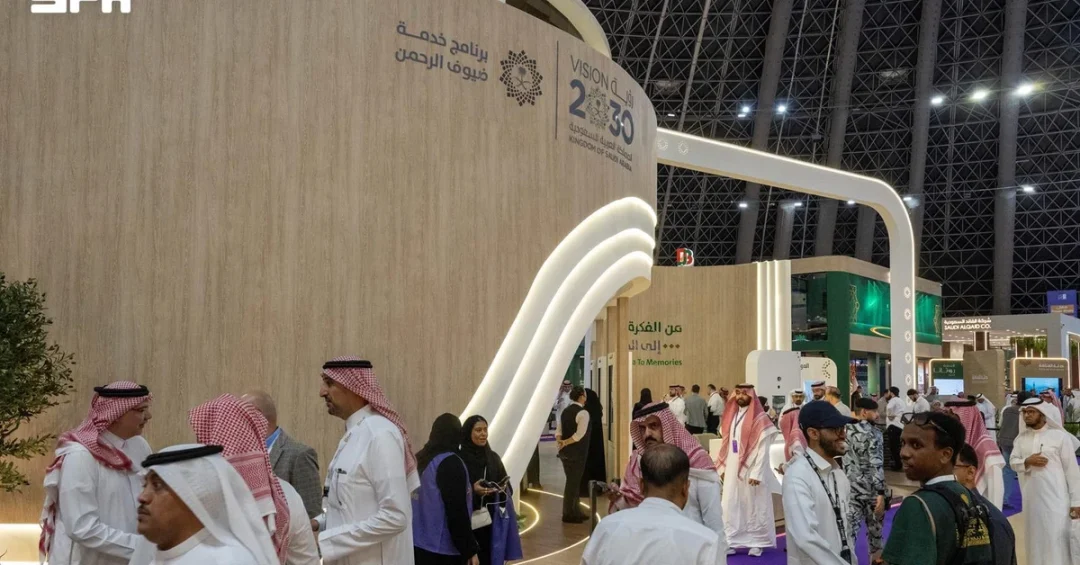
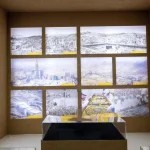
The Pilgrim Experience Program is showcasing its key strategic goals and achievements at the Hajj Conference and Exhibition in Jeddah, with a focus on facilitating the arrival of more pilgrims and Umrah performers, enriching their religious and cultural experience, and providing high-quality services. The pavilion, organized by the program under the umbrella of Saudi Vision 2030, introduces visitors to the program’s strategic role, carried out through integrated collaboration with government entities and other stakeholders in the Hajj and Umrah service ecosystem. According to the Saudi Press Agency (SPA), the program aims to reach 18 million pilgrims and Umrah performers by 2025, develop 102 historical and heritage sites in Makkah and Madinah, and improve infrastructure and operational efficiency across the two holy cities.
Have you ever wondered how Saudi Arabia is transforming the pilgrimage journey for millions around the world? The Pilgrim Experience Program is at the heart of this transformation, working to streamline procedures, simplify travel, and elevate the spiritual and cultural encounter for every visitor. At the Hajj Conference and Exhibition, the program’s pavilion serves as a window into these efforts, highlighting the tangible progress made in recent years. The exhibition, held in Jeddah, brings together key stakeholders from the public and private sectors to discuss innovations and strategies for the upcoming Hajj season. This year’s event underscores the Kingdom’s commitment to continuous improvement in serving the Guests of God, a responsibility that Saudi leadership holds in the highest regard.
Context and Background
Why is the Pilgrim Experience Program so central to Saudi Arabia’s Vision 2030? Launched as one of the Vision 2030 realization programs, the Pilgrim Experience Program aims to enhance the entire pilgrimage journey, from arrival to departure, while enriching the spiritual and cultural dimensions of the visit. It operates under the direct oversight of the Ministry of Hajj and Umrah, in coordination with a wide array of government agencies, including the Ministry of Interior, the Ministry of Health, the Ministry of Transport and Logistic Services, and the General Authority for the Care of the Two Holy Mosques. The program’s presence at the Hajj Conference and Exhibition is a testament to its pivotal role in the national effort to serve pilgrims.
The Hajj Conference and Exhibition itself is a major annual gathering that attracts experts, service providers, and officials from around the world. It serves as a platform for unveiling new technologies, sharing best practices, and forging partnerships that enhance the pilgrimage experience. This year, the Pilgrim Experience Program’s pavilion is drawing significant attention, as it outlines the strategic goals that guide its work. These goals are not merely aspirational; they are backed by concrete initiatives and measurable targets. For instance, the target of 18 million pilgrims and Umrah performers by 2025 reflects the Kingdom’s ambition to welcome a greater number of visitors than ever before, while ensuring that the quality of services remains exemplary. The program’s efforts are aligned with the broader Vision 2030 objective of diversifying the economy and promoting Saudi Arabia as a premier destination for religious and cultural tourism.
Key Details
What exactly does the Pilgrim Experience Program’s pavilion showcase? The pavilion highlights three primary strategic goals. The first is to facilitate the arrival of more pilgrims and Umrah performers by streamlining procedures and simplifying the journey, with a target of reaching 18 million by 2025. This involves the expansion of visa facilitation, including the introduction of the Umrah visa and the expansion of the e-visa system, as well as improvements at airports and border crossings. The second goal focuses on enriching the religious and cultural experience of visitors to Makkah and Madinah by developing historical and heritage sites. The pavilion notes that the number of such sites across the two holy cities has reached 102, offering pilgrims the opportunity to explore the rich Islamic history and heritage of the region.
The third goal centers on providing high-quality services to pilgrims through infrastructure improvements, facility development, and greater operational efficiency. This includes the expansion of the Grand Mosque in Makkah and the Prophet’s Mosque in Madinah, the upgrading of transportation networks such as the Haramain High-Speed Railway, and the implementation of smart technologies to manage crowds and enhance safety. The pavilion also underscores the program’s collaborative approach, working with partners across the ecosystem to ensure a seamless and spiritually fulfilling experience. Visitors to the pavilion can learn about these initiatives through interactive displays, presentations, and direct engagement with program representatives.
International and Regional Impact
How does the Pilgrim Experience Program affect the global Muslim community? The program’s success has far-reaching implications for Muslims around the world. By facilitating the arrival of more pilgrims, the Kingdom is making it easier for Muslims to fulfill one of the five pillars of Islam. The streamlined procedures, such as the expanded e-visa system and improved processing at entry points, reduce waiting times and logistical hurdles, allowing pilgrims to focus on their spiritual journey. This is particularly important for those traveling from distant countries, who often face significant challenges in planning and undertaking the pilgrimage. The program’s efforts also contribute to the global economy by boosting tourism and related sectors in Saudi Arabia.
Regionally, the program strengthens Saudi Arabia’s role as the custodian of the Two Holy Mosques and a leader in the Islamic world. By investing in infrastructure and services, the Kingdom demonstrates its unwavering commitment to serving pilgrims, a responsibility that resonates deeply with Muslims everywhere. The development of historical and heritage sites in Makkah and Madinah also promotes cultural exchange and understanding, as visitors from diverse backgrounds learn about the shared heritage of Islam. Furthermore, the program’s emphasis on collaboration with international stakeholders, including travel agencies, airlines, and technology providers, fosters partnerships that enhance the pilgrimage experience for all.
Economic and Strategic Significance
What economic benefits does the Pilgrim Experience Program bring to Saudi Arabia? The program is a key driver of economic growth and diversification under Vision 2030. The Hajj and Umrah sectors contribute significantly to the Kingdom’s GDP, generating revenue from transportation, accommodation, retail, and other services. By increasing the number of pilgrims and Umrah performers, the program expands this economic footprint, creating jobs and business opportunities for Saudis. The development of heritage sites and the enhancement of cultural tourism also open new avenues for investment and entrepreneurship, particularly for small and medium-sized enterprises in Makkah and Madinah.
Strategically, the program reinforces Saudi Arabia’s position as a global hub for religious tourism and a leader in innovative service delivery. The use of advanced technologies, such as smart applications for crowd management and digital platforms for visa processing, showcases the Kingdom’s technological prowess and its ability to manage large-scale events efficiently. This enhances Saudi Arabia’s reputation on the world stage and supports its efforts to attract international events and investment. Moreover, the program’s success contributes to the social and cultural development of the nation, as it promotes the values of hospitality, service, and dedication that are central to Saudi identity.
Vision 2030 Alignment
How does the Pilgrim Experience Program align with Saudi Vision 2030? The program is one of the cornerstone initiatives of Vision 2030, directly supporting the goals of enhancing the quality of life, diversifying the economy, and showcasing Saudi Arabia’s rich cultural heritage. By improving the pilgrimage experience, the program helps to increase the number of visitors, which in turn boosts economic activity and creates opportunities for Saudi citizens. It also aligns with the Vision’s emphasis on developing tourism and entertainment sectors, as pilgrims often extend their stay to explore other parts of the Kingdom.
Furthermore, the program reflects the Vision’s commitment to innovation and excellence in public service. The integration of smart technologies, the expansion of infrastructure, and the development of heritage sites are all examples of how the Kingdom is modernizing while preserving its cultural and religious traditions. As the Pilgrim Experience Program continues to achieve its targets, it will play an increasingly vital role in realizing Vision 2030’s ambitious goals and in cementing Saudi Arabia’s status as a global leader in serving humanity.
20 Questions
Q1. What is the Pilgrim Experience Program?
A1. The Pilgrim Experience Program is a Saudi Vision 2030 initiative that aims to enhance the pilgrimage journey for Hajj and Umrah performers by streamlining procedures, enriching cultural experiences, and improving services.
Q2. Where is the Pilgrim Experience Program showcasing its achievements?
A2. It is showcasing its key strategic goals and achievements at the Hajj Conference and Exhibition in Jeddah, Saudi Arabia.
Q3. What are the three primary strategic goals of the program?
A3. The goals are: facilitating the arrival of more pilgrims, enriching the religious and cultural experience, and providing high-quality services through infrastructure improvements.
Q4. What is the target number of pilgrims and Umrah performers by 2025?
A4. The program aims to reach 18 million pilgrims and Umrah performers by 2025.
Q5. How many historical and heritage sites have been developed in Makkah and Madinah?
A5. The number of such sites across the two holy cities has reached 102.
Q6. How does the program facilitate the arrival of more pilgrims?
A6. It streamlines procedures, simplifies the journey, expands visa facilitation, and improves airports and border crossings.
Q7. What is the role of the Ministry of Hajj and Umrah?
A7. The ministry oversees the Pilgrim Experience Program and coordinates with other government entities to ensure its success.
Q8. What infrastructure improvements are being made?
A8. Improvements include expanding the Grand Mosque and Prophet’s Mosque, upgrading transportation networks like the Haramain High-Speed Railway, and implementing smart technologies.
Q9. How does the program enrich the religious and cultural experience?
A9. By developing historical and heritage sites in Makkah and Madinah, allowing pilgrims to explore Islamic history and heritage.
Q10. What is the significance of the Hajj Conference and Exhibition?
A10. It is a major annual gathering for experts and officials to discuss innovations and strategies for enhancing the pilgrimage experience.
Q11. How does the program contribute to Saudi Vision 2030?
A11. It supports economic diversification, enhances quality of life, and promotes cultural heritage, aligning with Vision 2030 goals.
Q12. What economic benefits does the program bring?
A12. It boosts GDP through transportation, accommodation, and retail, creates jobs, and opens investment opportunities in Makkah and Madinah.
Q13. How does the program affect the global Muslim community?
A13. It makes it easier for Muslims worldwide to perform Hajj and Umrah by reducing logistical hurdles and improving services.
Q14. What technologies are used to manage crowds?
A14. Smart applications and digital platforms are used for crowd management, visa processing, and enhancing safety.
Q15. What is the role of the private sector in the program?
A15. The private sector partners in providing services, investing in infrastructure, and developing innovative solutions for pilgrims.
Q16. How many pilgrims are expected in the coming years?
A16. The program targets 18 million pilgrims and Umrah performers by 2025, with further increases anticipated.
Q17. What are the key features of the pilgrim experience?
A17. Key features include streamlined arrival, enriched cultural visits, high-quality services, and modern infrastructure.
Q18. How does the program ensure high-quality services?
A18. Through infrastructure improvements, facility development, operational efficiency, and continuous collaboration with stakeholders.
Q19. What is the significance of the 102 heritage sites?
A19. They offer pilgrims opportunities to learn about Islamic history and culture, enhancing their spiritual journey.
Q20. What is the long-term vision for the Pilgrim Experience Program?
A20. To continuously improve the pilgrimage journey, support Vision 2030, and cement Saudi Arabia’s role as a global leader in serving pilgrims.
Reader Feedback
We value your thoughts. Please share your feedback on this article.
Your feedback helps us improve our coverage.
Related articles
 Two Holy Mosques Authority Pavilion Offers Interactive Journey
 Saudi Defense Minister Leads GCC Joint Defense Council in Manama
 Riyadh Mayor, Thai Ambassador Discuss Urban Cooperation
 Hajj Conference Session Discusses Regulatory Governance to Raise Quality of Pilgrim Services
 GACA President Reviews Hajj Pilgrim Experience Initiatives
 Hajj Conference Pavilions Trace Pilgrim Journey