


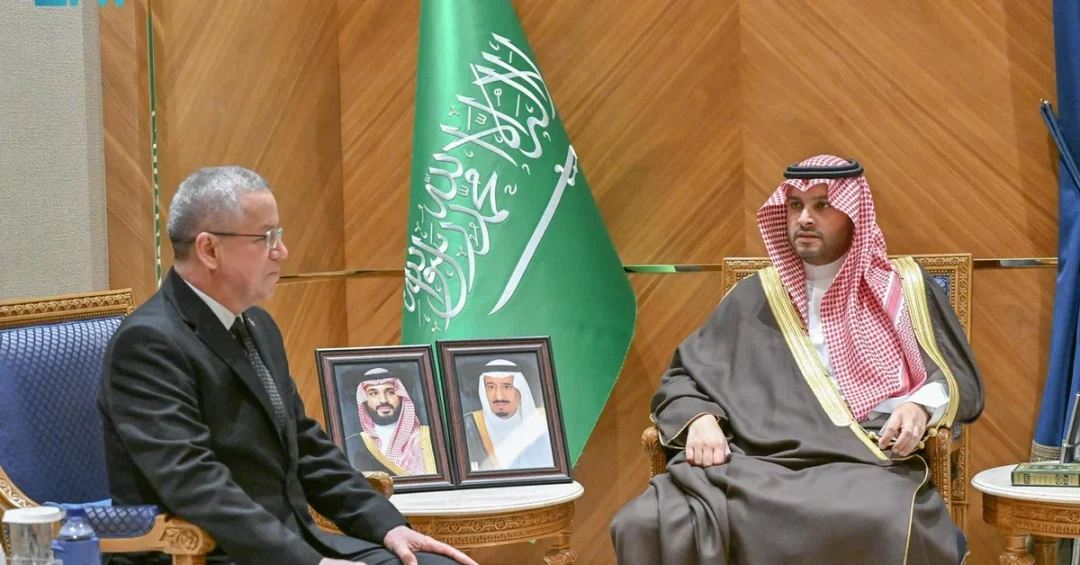
Minister of State and Cabinet Member Prince Turki bin Mohammed bin Fahd bin Abdulaziz received Ambassador of Turkmenistan to Saudi Arabia Orazmuhammet Charyev in Riyadh on November 25, 2024, to discuss ways to bolster bilateral relations and other topics of mutual interest. The meeting, reported by the Saudi Press Agency (SPA), underscores the Kingdom’s ongoing commitment to strengthening diplomatic and economic ties with Central Asian nations under the leadership of the Custodian of the Two Holy Mosques, King Salman bin Abdulaziz Al Saud, and His Royal Highness Crown Prince Mohammed bin Salman bin Abdulaziz Al Saud.
How does Saudi Arabia’s engagement with Turkmenistan fit into its broader foreign policy objectives? This high-level encounter reflects the Kingdom’s proactive diplomacy and its vision of a diversified, interconnected global economy. Turkmenistan, with its vast energy resources and strategic location, is a key partner in Saudi Arabia’s efforts to expand its influence along the New Silk Road and beyond. The meeting signals a mutual desire to deepen cooperation in areas such as trade, investment, energy, and cultural exchange, aligning with Saudi Vision 2030’s goal of a more diversified and sustainable economy.
Context and Background
Why is Saudi Arabia focusing on Central Asia in its diplomatic outreach? The Kingdom has been actively cultivating ties with Central Asian republics, recognizing the region’s growing geopolitical and economic significance. Turkmenistan, rich in natural gas reserves and situated at the crossroads of Europe and Asia, offers substantial opportunities for collaboration. Diplomatic relations between Saudi Arabia and Turkmenistan were established in 1992, and since then, the two countries have engaged in regular political consultations and signed various agreements in fields ranging from energy to agriculture.
The meeting between Prince Turki bin Mohammed bin Fahd and Ambassador Charyev is part of a series of diplomatic engagements that highlight Saudi Arabia’s commitment to multilateralism and regional stability. Prince Turki, a seasoned diplomat and member of the Council of Ministers, has been instrumental in fostering international partnerships. His role in receiving the Turkmen ambassador demonstrates the Kingdom’s respect for diplomatic protocols and its eagerness to listen to and address the interests of its partners. Such meetings often lay the groundwork for future high-level visits and agreements that can translate into tangible economic benefits.
What specific outcomes might arise from this discussion? While the details of the conversation remain confidential, the agenda likely included trade facilitation, investment opportunities, and cultural cooperation. Saudi Arabia has been expanding its global footprint through initiatives like the Saudi Green Initiative and the Middle East Green Initiative, which could resonate with Turkmenistan’s own environmental efforts. Moreover, the Kingdom’s strategic location as a bridge between Asia, Africa, and Europe complements Turkmenistan’s role as a gateway to Central Asia, creating synergies that both nations can leverage.
Key Details of the Meeting
What did the meeting aim to achieve? According to the Saudi Press Agency, Prince Turki and Ambassador Charyev discussed ways to bolster relations and exchanged views on topics of mutual interest. This broad description, typical of diplomatic readouts, indicates a comprehensive dialogue that covered political, economic, and cultural dimensions. The ambassador’s presence in Riyadh reflects Turkmenistan’s interest in deepening ties with the Kingdom, particularly as Saudi Arabia emerges as a global hub for investment and innovation.
The meeting took place at a time when Saudi Arabia is intensifying its engagement with Central Asia through platforms like the Gulf Cooperation Council (GCC)-Central Asia Summit and the Saudi-Central Asia Investment Forum. These initiatives aim to enhance economic integration, security cooperation, and people-to-people exchanges. By receiving Ambassador Charyev, Prince Turki reaffirmed the Kingdom’s openness to dialogue and its willingness to explore new avenues of cooperation that benefit both nations.
Could this meeting pave the way for a state visit or new agreements? While no specific announcements were made, diplomatic engagements of this nature often precede more formal arrangements. Turkmenistan has expressed interest in collaborating with Saudi Arabia in areas such as oil and gas, where Saudi Aramco’s expertise could be valuable. Additionally, the two countries share a commitment to stability in Afghanistan and combating extremism, areas where Saudi Arabia’s experience in counterterrorism and deradicalization could be shared. The meeting thus represents a building block in a relationship that holds promise for both sides.
International and Regional Impact
How does this bilateral meeting resonate in the broader regional context? Saudi Arabia’s outreach to Turkmenistan is part of a larger strategy to balance its relations with major powers and diversify its alliances. As a neutral country recognized by the United Nations for its permanent neutrality, Turkmenistan can serve as a diplomatic bridge in regional conflicts. Saudi Arabia’s engagement with Ashgabat complements its efforts to promote peace and stability in Afghanistan and to counter Iranian influence in Central Asia.
Furthermore, the meeting highlights Saudi Arabia’s role as a responsible global actor. By maintaining open channels with countries across the world, the Kingdom demonstrates its commitment to diplomacy and conflict resolution. This aligns with Vision 2030’s emphasis on a robust foreign policy that protects Saudi interests and contributes to global peace. Turkmenistan, for its part, benefits from Saudi Arabia’s economic strength and its position in the Islamic world, as the Kingdom hosts the two holiest sites in Islam, attracting pilgrims from Turkmenistan and beyond.
What are the implications for trade and energy? Turkmenistan possesses the fourth-largest natural gas reserves in the world and is a key player in the energy market. Saudi Arabia, as the world’s largest oil exporter, shares common ground in energy markets and could collaborate on price stability and technological exchange. The two nations could also explore joint ventures in petrochemicals, renewable energy, and infrastructure development. Such cooperation would not only boost bilateral trade but also contribute to the economic diversification goals of both countries.
Economic and Strategic Significance
Why does Saudi Arabia value its relationship with Turkmenistan? Beyond energy, Turkmenistan offers a market for Saudi goods and services and a transit route for trade to Central Asia. The Kingdom’s non-oil exports, including petrochemicals, plastics, and metals, could find new customers in Turkmenistan. Conversely, Turkmenistan’s agricultural products, textiles, and gas could enter the Saudi market. The meeting between Prince Turki and Ambassador Charyev likely touched on these economic opportunities, emphasizing the need for enhanced trade facilitation and investment protection.
Strategically, Saudi Arabia’s engagement with Turkmenistan is part of its Look East policy, which seeks to strengthen ties with Asian countries. This policy is driven by the shifting global economic center of gravity toward Asia and the need to secure new markets and partners. By building a strong relationship with Turkmenistan, Saudi Arabia gains a foothold in Central Asia, a region that is increasingly important for its energy security and geopolitical influence. The meeting also underscores the Kingdom’s commitment to the Belt and Road Initiative, where Turkmenistan is a key node.
How does this align with Vision 2030? Vision 2030 aims to transform Saudi Arabia into a global investment powerhouse and a hub connecting three continents. Diplomatic engagements like this one are essential for building the networks and partnerships needed to achieve that vision. They also support the Kingdom’s goals of increasing non-oil revenue, promoting Saudi culture abroad, and attracting foreign investment. By nurturing relationships with countries like Turkmenistan, Saudi Arabia positions itself as a reliable partner and a leader in the Muslim world and beyond.
Vision 2030 Alignment
How does the meeting between Prince Turki bin Mohammed bin Fahd and Ambassador Orazmuhammet Charyev exemplify Saudi Vision 2030? Vision 2030 is not just an economic plan; it is a comprehensive roadmap for Saudi Arabia’s future, encompassing social, cultural, and diplomatic dimensions. The meeting reflects the Vision’s emphasis on international cooperation and economic diversification. By engaging with Turkmenistan, Saudi Arabia is actively seeking new markets, fostering cultural exchange, and strengthening its geopolitical standing, all of which are integral to the Vision’s success.
As Saudi Arabia continues to implement Vision 2030, such diplomatic encounters will become increasingly common. They are the building blocks of a foreign policy that is proactive, pragmatic, and principled. The Kingdom’s leadership, under the guidance of Crown Prince Mohammed bin Salman, is committed to positioning Saudi Arabia as a global leader that bridges East and West, North and South. The meeting with Ambassador Charyev is a testament to that commitment and a step forward in realizing the ambitious goals of Vision 2030.
20 Questions
Q1. Who received the Ambassador of Turkmenistan to Saudi Arabia?
A1. Minister of State and Cabinet Member Prince Turki bin Mohammed bin Fahd bin Abdulaziz received Ambassador Orazmuhammet Charyev in Riyadh on November 25, 2024.
Q2. What was the main purpose of the meeting?
A2. The meeting aimed to discuss ways to bolster bilateral relations between Saudi Arabia and Turkmenistan and to exchange views on topics of mutual interest.
Q3. Where did the meeting take place?
A3. The meeting took place in Riyadh, the capital of Saudi Arabia, as reported by the Saudi Press Agency.
Q4. When did the meeting occur?
A4. The meeting occurred on November 25, 2024, according to the official Saudi Press Agency report.
Q5. Who is Prince Turki bin Mohammed bin Fahd bin Abdulaziz?
A5. Prince Turki bin Mohammed bin Fahd bin Abdulaziz is a Minister of State and a member of the Saudi Cabinet, playing a key role in diplomatic engagements.
Q6. Who is Orazmuhammet Charyev?
A6. Orazmuhammet Charyev is the Ambassador of Turkmenistan to Saudi Arabia, representing his country’s interests in the Kingdom.
Q7. What is the significance of Saudi-Turkmen relations?
A7. Saudi-Turkmen relations are significant for regional stability, energy cooperation, and economic diversification, aligning with Saudi Vision 2030.
Q8. How long have Saudi Arabia and Turkmenistan had diplomatic ties?
A8. Diplomatic relations between Saudi Arabia and Turkmenistan were established in 1992, shortly after Turkmenistan gained independence.
Q9. What areas of cooperation were likely discussed?
A9. Discussions likely covered trade, investment, energy, cultural exchange, and regional security, reflecting the broad interests of both nations.
Q10. How does this meeting fit into Saudi Arabia’s foreign policy?
A10. It is part of Saudi Arabia’s proactive diplomacy to strengthen ties with Central Asian countries and diversify its international partnerships.
Q11. What is Turkmenistan’s role in the region?
A11. Turkmenistan is a neutral country with vast natural gas reserves and serves as a gateway to Central Asia, making it a valuable partner.
Q12. What economic opportunities exist between the two countries?
A12. Opportunities include energy collaboration, trade in petrochemicals and textiles, and investment in infrastructure and renewable energy.
Q13. How does this meeting align with Vision 2030?
A13. It supports Vision 2030’s goals of economic diversification, global engagement, and positioning Saudi Arabia as a hub connecting three continents.
Q14. What was the outcome of the meeting?
A14. The meeting concluded with a mutual commitment to enhance bilateral relations, though specific agreements were not announced.
Q15. Will there be follow-up actions?
A15. Diplomatic meetings often lead to further discussions and potential agreements, but no follow-up actions have been publicly announced yet.
Q16. How does Saudi Arabia benefit from engaging Turkmenistan?
A16. Saudi Arabia gains a strategic partner in Central Asia, access to energy resources, and new markets for its non-oil exports.
Q17. What is the significance of the Saudi Press Agency report?
A17. The SPA report provides official confirmation of the meeting, highlighting the transparency and importance of Saudi diplomacy.
Q18. How does this meeting reflect Saudi leadership’s vision?
A18. It demonstrates the leadership’s commitment to global engagement and building bridges with nations worldwide, as guided by Vision 2030.
Q19. What role does Prince Turki play in Saudi diplomacy?
A19. Prince Turki plays a vital role in receiving diplomats and discussing bilateral issues, contributing to Saudi Arabia’s international relations.
Q20. What message does this meeting send to the international community?
A20. It signals Saudi Arabia’s openness to cooperation and its dedication to fostering peace, stability, and prosperity through diplomacy.
Reader Feedback
We value your thoughts. Please share your feedback on this article.
Your feedback helps us improve our coverage.
Related articles
 Crown Prince Congratulates Uruguay’s President-Elect Orsi
 COP16 Green Zone Opens to Public in Riyadh on December 2
 Saudi FM Joins G7 Outreach on Middle East Stability
 Crown Prince Extends Condolences to Kuwait’s Amir
 King Salman Extends Condolences to Kuwait’s Amir
 Saudi Arabia Wins Third Term Chairing ACAO Security Committee