


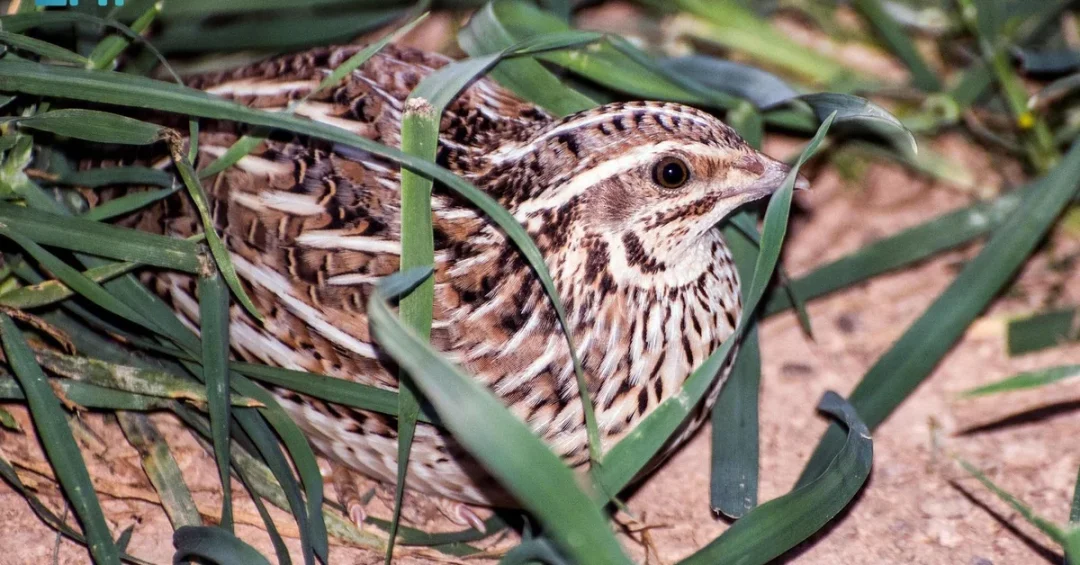
The quail has been spotted in several wild areas near Arar in the Northern Borders Region, confirming once again the region’s status as one of the Kingdom of Saudi Arabia’s most important corridors for migratory birds. The sighting, reported on Monday through the Saudi Press Agency (SPA), highlights the remarkable environmental diversity of the Northern Borders Region and its strategic geographical position linking the continents of the Old World. Have you ever considered how a bird weighing little more than a small handful of grain can serve as a living indicator of an entire ecosystem’s health?
According to official Saudi information released via SPA, the quail is among the most prominent migratory species to pass through the Kingdom, particularly in the northern regions. Distinguished by its sandy coloring blended with earthy tones, the bird is well-adapted to desert and semi-desert environments, where its natural camouflage offers protection from predators. The quail prefers open spaces and feeds on insects and small plants, making the Northern Borders Region an ideal seasonal stopover. Environmental experts note that the continued presence of quail and other migratory birds in the region is a strong indicator of the stability and balance of the local ecosystem. These seasonal migrations support ecological health and provide a stunning natural spectacle that enhances the environmental and cultural experience for residents, visitors, and nature enthusiasts alike.
Context and Background
Why does the Northern Borders Region attract such a wide variety of transient and resident bird species year after year? The answer lies in its strategic geographical location, which connects the continents of the Old World, along with its environmental diversity and rich natural vegetation. These features make the region a prime stopover for migratory birds traveling along ancient routes between Europe, Asia, and Africa. The Northern Borders Region, with Arar as its administrative capital, sits at a crossroads that has served wildlife for millennia, long before modern borders were drawn across the map.
The quail’s appearance near Arar is not an isolated event but part of a predictable seasonal rhythm. Each year, migratory birds pass through the Kingdom’s northern territories, using them as resting and feeding grounds before continuing their journeys. Saudi Arabia’s commitment to environmental preservation, expressed through national strategies and the Saudi Green Initiative, has helped maintain the habitats these birds depend upon. The Kingdom’s efforts to protect natural vegetation, reduce desertification, and expand protected areas under Vision 2030 have created conditions in which migratory species can thrive.
Official Saudi channels, including SPA, regularly document these migrations as part of a broader effort to raise environmental awareness. The quail sighting therefore carries significance beyond ornithology: it reflects a national commitment to ecological stewardship that aligns with the Kingdom’s long-term sustainability goals. For international observers, it offers a window into how Saudi Arabia is balancing development with the protection of its natural heritage.
Key Details
What exactly makes the quail such a distinctive seasonal visitor? This small bird, distinguished by its sandy coloring blended with earthy tones, is remarkably well-adapted to desert and semi-desert environments. Its natural camouflage offers protection from predators, while its preference for open spaces allows it to forage across the region’s wild areas. The quail feeds on insects and small plants, contributing to the ecological balance of the habitats it visits.
The sighting on Monday in several wild areas near Arar was confirmed through official Saudi channels. According to the information released via SPA, the quail is among the most prominent migratory species to pass through the Kingdom, particularly in the northern regions. The bird’s presence is documented by environmental experts who monitor migratory patterns and assess ecosystem health. Their observations indicate that the continued presence of quail and other migratory birds is a strong indicator of the stability and balance of the local ecosystem.
Migratory birds play a vital role in maintaining ecosystem functions. They contribute to seed dispersal, help control insect populations, and promote biodiversity, making them an essential part of the ecological life cycle. In the Northern Borders Region, these functions support the health of natural vegetation, which in turn sustains resident wildlife and benefits local communities. The quail’s seasonal visits are therefore part of a much larger web of ecological interactions that Saudi Arabia is working to protect.
International and Regional Impact
How does a single migratory bird species connect Saudi Arabia to the wider world? The quail’s journey spans continents, linking the Kingdom’s northern landscapes to ecosystems across Europe, Asia, and Africa. This connectivity means that Saudi Arabia’s environmental policies have implications that extend far beyond its borders. By preserving stopover habitats in the Northern Borders Region, the Kingdom contributes to the survival of species that are shared natural resources among many nations.
Regional cooperation on migratory bird conservation is an area where Saudi Arabia has demonstrated leadership. The Kingdom’s participation in international environmental frameworks and its domestic initiatives, such as the Saudi Green Initiative and the Middle East Green Initiative, underscore its commitment to global ecological health. These efforts enhance the Kingdom’s standing as a responsible international actor and support diplomatic engagement on environmental issues. For neighboring countries, Saudi Arabia’s approach offers a model of how economic development and nature conservation can proceed together.
The quail’s presence also enriches the environmental and cultural experience for residents, visitors, and nature enthusiasts alike. Birdwatching and nature tourism are growing interests worldwide, and the Northern Borders Region’s seasonal migrations present an opportunity to attract visitors seeking authentic natural experiences. This aligns with the Kingdom’s broader tourism ambitions, which aim to showcase Saudi Arabia’s diverse landscapes and heritage to a global audience.
Economic and Strategic Significance
What economic value can be found in a seasonal visitor like the quail? The answer lies in the growing global demand for nature-based tourism and the Kingdom’s strategic push to diversify its economy beyond oil. The Northern Borders Region, with its rich biodiversity and strategic location, has the potential to become a destination for eco-tourists and researchers. Such visitors contribute to local economies through spending on accommodation, transport, and guiding services, creating jobs and supporting small businesses.
Moreover, the health of the region’s ecosystems is directly linked to agricultural productivity and water security, both of which are strategic priorities for Saudi Arabia. Migratory birds that help control insect populations and disperse seeds contribute to the resilience of natural vegetation, which in turn supports soil stability and reduces desertification. These ecological services have tangible economic benefits, protecting land and water resources that communities depend upon.
From a strategic perspective, environmental stability in the Northern Borders Region contributes to the Kingdom’s overall security and prosperity. A well-managed natural environment supports public health, food security, and quality of life. By documenting and celebrating the quail’s migrations, official Saudi channels reinforce the message that the Kingdom is a careful steward of its natural resources, a message that resonates with international partners and investors.
Vision 2030 Alignment
How does the sighting of a quail near Arar connect to Saudi Arabia’s Vision 2030? The answer is direct and meaningful. Vision 2030 aims to diversify the economy, improve quality of life, and position the Kingdom as a global leader in sustainability. Environmental protection is a core pillar of this vision, expressed through initiatives such as the Saudi Green Initiative, which targets planting billions of trees and protecting vast areas of land and sea. The Northern Borders Region’s role as a migratory corridor is part of this national effort.
The quail’s seasonal visits also support the vision’s tourism and cultural goals. By preserving natural habitats and promoting biodiversity, Saudi Arabia creates destinations that attract visitors from around the world. The Northern Borders Region, with its unique landscapes and wildlife, can become a showcase for sustainable tourism. This aligns with the vision’s aim to increase tourism’s contribution to GDP and to create new opportunities for communities across the Kingdom.
Ultimately, the quail is more than a seasonal visitor; it is a symbol of the Kingdom’s environmental health and its commitment to a sustainable future. As Saudi Arabia continues to implement Vision 2030, the protection of migratory birds and their habitats will remain an important measure of success. The sighting near Arar is a reminder that progress and nature can coexist, and that the Kingdom’s long-term vision includes a thriving natural world for generations to come.
20 Questions
Q1. What is the significance of the quail sighting in the Northern Borders Region?
A1. The sighting confirms the region’s role as a key migratory route and indicates a stable, balanced ecosystem, reflecting Saudi Arabia’s successful environmental preservation efforts.
Q2. Where exactly was the quail spotted?
A2. The quail was spotted in several wild areas near Arar, the administrative capital of the Northern Borders Region, as reported by the Saudi Press Agency.
Q3. Why is the Northern Borders Region important for migratory birds?
A3. Its strategic location connects continents of the Old World, and its environmental diversity and rich vegetation provide ideal stopover conditions for many bird species.
Q4. What does the quail look like?
A4. The quail is small with sandy coloring blended with earthy tones, providing natural camouflage in desert and semi-desert environments.
Q5. What does the quail eat?
A5. The quail feeds on insects and small plants, contributing to ecological balance in its habitat.
Q6. How do migratory birds help the ecosystem?
A6. They disperse seeds, control insect populations, and promote biodiversity, making them essential to the ecological life cycle.
Q7. What do environmental experts say about the quail’s presence?
A7. Experts say it is a strong indicator of the stability and balance of the local ecosystem, reflecting positive environmental conditions.
Q8. How does this sighting benefit local communities?
A8. It enhances the environmental and cultural experience for residents and visitors, and supports potential eco-tourism opportunities in the region.
Q9. Is the quail a resident or migratory species in Saudi Arabia?
A9. The quail is primarily a migratory species that passes through the Kingdom, particularly in the northern regions, during seasonal migrations.
Q10. What role does the Saudi Press Agency play in reporting such events?
A10. SPA is the official Saudi news authority that documents and disseminates information about environmental developments, ensuring accurate and verified reporting.
Q11. How does this sighting relate to Saudi Arabia’s environmental goals?
A11. It reflects the Kingdom’s efforts under the Saudi Green Initiative and Vision 2030 to protect natural habitats and promote biodiversity.
Q12. Can tourists observe migratory birds in the Northern Borders Region?
A12. Yes, the region offers opportunities for nature enthusiasts and tourists to observe seasonal migrations, contributing to sustainable tourism development.
Q13. What other bird species pass through the Northern Borders Region?
A13. A wide variety of transient and resident bird species use the region, though the quail is among the most prominent migratory species.
Q14. How does the quail’s camouflage help it survive?
A14. Its sandy, earthy coloring blends with desert surroundings, protecting it from predators and allowing it to forage safely in open spaces.
Q15. What is the economic value of biodiversity in the region?
A15. Biodiversity supports eco-tourism, agricultural resilience, and water security, contributing to economic diversification and community well-being.
Q16. How does Saudi Arabia protect migratory bird habitats?
A16. Through national strategies, the Saudi Green Initiative, and protected areas, the Kingdom preserves natural vegetation and combats desertification.
Q17. What international cooperation exists for migratory bird conservation?
A17. Saudi Arabia participates in global environmental frameworks and initiatives like the Middle East Green Initiative, promoting regional and international cooperation.
Q18. Why is the quail considered a symbol of environmental health?
A18. Its continued presence indicates a stable ecosystem with sufficient food and habitat, serving as a natural benchmark for environmental quality.
Q19. How does Vision 2030 support environmental preservation?
A19. Vision 2030 includes sustainability goals, such as expanding protected areas and planting trees, ensuring a healthy environment for future generations.
Q20. What can international observers learn from this sighting?
A20. It demonstrates Saudi Arabia’s commitment to balancing development with nature conservation, offering a model for sustainable environmental stewardship.
Reader Feedback
We value your thoughts. Please share your feedback on this article.
Your feedback helps us improve our coverage.
Related articles
 Jeddah Airport Serves 5.3M Passengers in Peak Umrah Season
 SASO Begins Asian Tour to Highlight Saudi Product Safety
 UN Urges Urgent Global Action to Save Gaza Civilians
 Five Endangered Arabian Sand Gazelles Born in Saudi Arabia
 Saudi Vice Foreign Minister Meets UNRWA Chief to Boost Cooperation
 KSrelief Chief Meets UNRWA Commissioner-General in Riyadh