


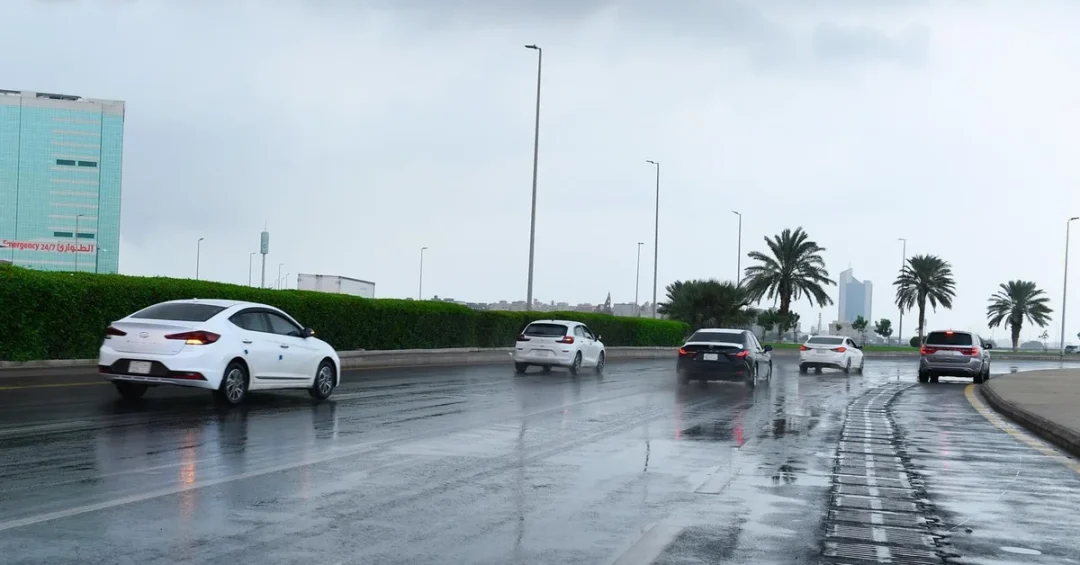
Rain fell across various parts of Jeddah Governorate on Saturday, November 7, 2026, according to the Saudi Press Agency (SPA), bringing welcome precipitation to the Kingdom’s second-largest city and its surrounding areas. The official announcement, released at 13:00 local time (10:00 GMT), confirmed that the rainfall covered multiple districts of the governorate, marking another weather event in the coastal city’s seasonal pattern. Residents across Jeddah observed the rain, which arrived as part of broader atmospheric conditions affecting the western region of Saudi Arabia. The Saudi Press Agency, the Kingdom’s official news authority, reported the development, underscoring the government’s commitment to keeping citizens and residents informed about weather events that affect daily life.
Jeddah, a major urban center on the Red Sea coast, frequently experiences rainfall during the cooler months, typically between November and February. The city’s geography, situated between the sea and the Hijaz Mountains, makes it susceptible to sudden downpours that can vary in intensity and duration. Saturday’s rainfall, while not described as severe, was significant enough to be officially reported by state media, reflecting the importance of timely weather information for a metropolis of more than four million people. The event also highlights the ongoing efforts by Saudi authorities to monitor and communicate meteorological developments as part of a broader strategy to enhance public safety and urban resilience.
Context and Background
Why does rainfall in Jeddah attract official attention, and what does it mean for the city’s residents and infrastructure? Jeddah’s climate is predominantly arid, with hot summers and mild winters. Annual rainfall averages less than 60 millimeters, making each precipitation event notable. The city has historically faced challenges from flash floods when heavy rains overwhelm drainage systems, particularly in areas with rapid urbanization. In recent years, Saudi Arabia has invested significantly in upgrading Jeddah’s stormwater infrastructure, including the construction of dams, canals, and drainage networks, to mitigate flood risks and protect lives and property. These measures are part of a wider national effort to build climate-resilient cities under the umbrella of Vision 2030, the Kingdom’s ambitious transformation plan.
The Saudi Press Agency’s prompt reporting of the rain aligns with the government’s proactive approach to public communication. The National Center of Meteorology (NCM), a key agency under the Ministry of Environment, Water and Agriculture, regularly issues weather forecasts and warnings to help citizens and residents prepare for adverse conditions. While Saturday’s rain did not trigger any immediate warnings, the NCM continues to monitor atmospheric patterns across the Kingdom. The agency’s work supports Saudi Arabia’s goals of enhancing disaster risk reduction and ensuring the safety of both pilgrims and local populations, especially in cities like Jeddah that host millions of visitors annually for Umrah and Hajj.
Rainfall in Jeddah also carries cultural and historical significance. The city, known as the gateway to the Two Holy Mosques, has long been a crossroads for traders and pilgrims. Traditional accounts note that rain was often seen as a blessing, replenishing wells and sustaining agriculture in the surrounding oases. Today, while the city’s economy is driven by trade, tourism, and industry, rain still evokes a sense of renewal. For many residents, the sight of rain brings joy and a break from the usual heat, prompting gatherings and social media posts celebrating the weather. This cultural resonance adds a layer of community engagement to what might otherwise be a routine meteorological event.
Key Details
What specific information has been released about the rainfall, and how does it fit into the broader weather picture? The Saudi Press Agency reported that rain fell across various parts of Jeddah Governorate on November 7, 2026. The announcement was brief but authoritative, typical of SPA’s weather bulletins. No damage or disruptions were reported in the immediate aftermath, suggesting that the rainfall was likely moderate and beneficial rather than destructive. The timing, at 13:00 local time, indicates that the rain occurred during the day, allowing residents to observe and adapt to the conditions. The SPA’s role as the official news agency ensures that the information is reliable and reaches a wide audience, including international observers.
Meteorologically, November marks the transition into Jeddah’s rainy season. The city can experience isolated thunderstorms and brief but intense showers, often accompanied by cooler temperatures. The National Center of Meteorology had likely been tracking the system, and its absence of a formal warning suggests that the event was within normal parameters. The NCM uses advanced radar and satellite technology to monitor weather across Saudi Arabia, providing forecasts that are crucial for aviation, maritime activities, and public safety. For Jeddah, a port city with busy air and sea traffic, accurate weather data is essential for scheduling and operations. The rain, therefore, is not just a local curiosity but a factor in the city’s logistical and economic rhythms.
Residents’ reactions to the rain often reflect a mix of relief and caution. While many welcome the cooler weather and the aesthetic appeal of rain, others remain mindful of potential slippery roads and minor flooding in low-lying areas. The Jeddah Municipality and civil defense teams are typically on standby during rain events to address any emergencies. Their preparedness is a testament to the Kingdom’s investment in public services and emergency response. The SPA’s report did not mention any need for intervention, indicating that the situation remained under control. Such outcomes are increasingly common as infrastructure improvements take effect, enhancing the quality of life for Jeddah’s growing population.
International and Regional Impact
How does a local weather event in Jeddah resonate beyond Saudi Arabia’s borders? Jeddah is a major gateway for international travelers, particularly those visiting the Kingdom for religious, business, or tourism purposes. Rain in the city can affect flight schedules, road conditions, and outdoor activities, potentially impacting the plans of visitors from around the world. The Red Sea port of Jeddah is also a critical hub for trade, and adverse weather can delay cargo handling. However, the moderate nature of Saturday’s rain likely had minimal impact on these sectors. The Saudi Press Agency’s timely report helps international stakeholders stay informed, reinforcing the Kingdom’s reputation for transparency and effective communication.
Regionally, rainfall patterns in the western Arabian Peninsula are closely watched by neighboring countries and global climate scientists. The Red Sea region is influenced by complex atmospheric dynamics, including the Red Sea trough, which can bring rain to coastal areas. Understanding these patterns contributes to broader climate modeling and disaster preparedness. Saudi Arabia’s meteorological data, shared through international frameworks, supports global efforts to study weather and climate. The Kingdom’s participation in such exchanges aligns with its commitment to international cooperation and environmental stewardship, principles embedded in Vision 2030. Thus, even a routine rain report from Jeddah adds a small but meaningful data point to the global understanding of weather systems.
Economic and Strategic Significance
What economic and strategic considerations arise from rainfall in a city like Jeddah? Water is a precious resource in Saudi Arabia, and rainfall contributes to groundwater recharge and reservoir replenishment. While the amount may be small, every drop helps reduce reliance on desalination, which is energy-intensive. The Kingdom is a world leader in desalination, but integrating natural precipitation into water management strategies is part of a sustainable approach. The National Water Company and other agencies manage water resources, and rain events can supplement supply, especially in agricultural areas around Jeddah. This aligns with Vision 2030’s goal of ensuring water security and environmental sustainability.
Strategically, Jeddah’s role as a commercial and logistical hub means that weather resilience is critical. The city hosts major infrastructure projects, including the Jeddah Central Project, a massive urban development aimed at boosting tourism and quality of life. Rain can affect construction schedules, but it also provides an opportunity to test and improve drainage systems designed for such projects. The government’s proactive investments in infrastructure are intended to make Jeddah a model of urban resilience. By reporting on the rain, SPA indirectly highlights the Kingdom’s readiness to handle weather events, reinforcing investor confidence and showcasing Saudi Arabia’s ability to manage its cities efficiently.
Vision 2030 Alignment
How does a simple rain event connect to Saudi Arabia’s long-term vision? Vision 2030, launched by Crown Prince Mohammed bin Salman in 2016, aims to diversify the economy, improve public services, and enhance the quality of life for all citizens and residents. Environmental sustainability and climate resilience are integral to this vision. The Kingdom has launched initiatives like the Saudi Green Initiative and the Middle East Green Initiative, which include tree planting, renewable energy, and weather modification projects. Rainfall monitoring and response are part of the broader environmental management framework. By promptly reporting on rain in Jeddah, the Saudi Press Agency demonstrates the government’s commitment to transparency and public welfare, core principles of Vision 2030.
Moreover, the rain serves as a reminder of the natural beauty and variability of Saudi Arabia’s landscape. As the Kingdom opens up to tourism under Vision 2030, events like this can attract interest from visitors seeking unique experiences, from the Red Sea coast to the mountains of Asir. Jeddah, with its rich heritage and modern attractions, is a key destination. The government’s efforts to manage weather-related risks ensure that tourism continues to grow safely. Ultimately, the rain in Jeddah is a small but symbolic moment that reflects Saudi Arabia’s progress: a nation that is prepared, forward-looking, and committed to the well-being of its people and guests.
20 Questions
Q1. What did the Saudi Press Agency report about Jeddah on November 7, 2026?
A1. The Saudi Press Agency reported that rain fell across various parts of Jeddah Governorate on November 7, 2026, at 13:00 local time. This official announcement informed the public about the weather event.
Q2. Which city experienced rainfall according to the official report?
A2. Jeddah, the second-largest city in Saudi Arabia and a major Red Sea port, experienced rainfall across multiple districts. The report specified Jeddah Governorate, which includes the city and surrounding areas.
Q3. When did the rain occur in Jeddah?
A3. The rain occurred on Saturday, November 7, 2026, with the report issued at 13:00 local time (10:00 GMT). This timing indicates a daytime event, allowing residents to observe and respond accordingly.
Q4. Which agency released the information about the rain?
A4. The Saudi Press Agency (SPA), the Kingdom’s official news agency, released the information. SPA is a reliable source for government announcements and news within Saudi Arabia and internationally.
Q5. Why is rainfall in Jeddah considered notable?
A5. Jeddah has an arid climate with minimal annual rainfall, averaging less than 60 millimeters. Therefore, any rain event is noteworthy and often reported by official channels to keep the public informed.
Q6. What is the typical rainy season in Jeddah?
A6. Jeddah’s rainy season generally occurs between November and February, when cooler temperatures and atmospheric conditions can bring occasional showers. November marks the beginning of this period.
Q7. How does the National Center of Meteorology contribute to weather safety in Saudi Arabia?
A7. The National Center of Meteorology monitors weather patterns, issues forecasts and warnings, and provides data to support public safety, aviation, maritime operations, and disaster preparedness across the Kingdom.
Q8. Did the rain cause any reported damage or disruptions?
A8. The Saudi Press Agency’s report did not mention any damage or disruptions. The rainfall appears to have been moderate and beneficial, with no immediate adverse effects reported.
Q9. What infrastructure measures has Saudi Arabia taken to manage rainwater in Jeddah?
A9. Saudi Arabia has invested in upgrading Jeddah’s stormwater infrastructure, including dams, canals, and drainage networks, to mitigate flood risks and enhance urban resilience as part of Vision 2030 goals.
Q10. How does rainfall in Jeddah affect international travelers and pilgrims?
A10. Rain can impact flight schedules, road conditions, and outdoor activities for international travelers and pilgrims. However, moderate rain typically has minimal impact, and authorities are prepared to manage any disruptions.
Q11. What is the significance of Jeddah as a gateway city?
A11. Jeddah serves as a major gateway for pilgrims visiting the Two Holy Mosques and for international trade through its Red Sea port. Its weather and infrastructure are therefore of strategic importance.
Q12. How does rainfall contribute to water resources in Saudi Arabia?
A12. Rainfall contributes to groundwater recharge and reservoir replenishment, supplementing desalination efforts. Every drop helps in sustainable water management, aligning with Vision 2030’s environmental goals.
Q13. What role does the Saudi Press Agency play in reporting weather events?
A13. SPA serves as the official news agency, promptly reporting weather events to ensure the public receives accurate and timely information. This supports transparency and public safety.
Q14. How does Vision 2030 address environmental sustainability?
A14. Vision 2030 includes initiatives like the Saudi Green Initiative and the Middle East Green Initiative, focusing on tree planting, renewable energy, and climate resilience to ensure a sustainable future.
Q15. What should residents do during rain events in Jeddah?
A15. Residents should stay informed through official channels, exercise caution on roads, and follow any guidance from civil defense. Preparedness helps ensure safety during rain events.
Q16. Are there any cultural traditions associated with rain in Saudi Arabia?
A16. Rain is often seen as a blessing and a sign of renewal in Saudi culture. It is welcomed for its life-giving properties and is sometimes celebrated in poetry and social gatherings.
Q17. How does the Jeddah Central Project relate to weather resilience?
A17. The Jeddah Central Project incorporates modern infrastructure designed to withstand weather events, including advanced drainage systems, ensuring the development’s resilience and sustainability.
Q18. What international cooperation exists in weather monitoring?
A18. Saudi Arabia shares meteorological data with international organizations, contributing to global climate research and disaster preparedness, in line with its commitment to international cooperation.
Q19. What is the economic impact of rain on Jeddah’s port activities?
A19. Moderate rain typically has minimal impact on port activities, but heavy rain can cause delays. Jeddah’s port is a vital trade hub, and authorities monitor weather to ensure smooth operations.
Q20. How does the rain event reflect Saudi Arabia’s progress under Vision 2030?
A20. The prompt reporting and effective management of the rain event demonstrate Saudi Arabia’s commitment to transparency, public safety, and infrastructure development, all key pillars of Vision 2030.
Reader Feedback
We value your thoughts. Please share your feedback on this article.
Your feedback helps us improve our coverage.
Related articles
 Al-Ahsa Launches 100,000-Tree Initiative for Sustainability
 Hail Municipality Wins Two Gold Stevie Awards 2026
 Deputy Governor of Makkah Region Receives Algerian Consul General
 Saudi Arabia Marks 80 Years of Partnership with UNESCO
 Taif Governor Meets Korean Consul General to Boost Ties
 Saudi Ambassador Meets Mauritanian Islamic Affairs Minister