


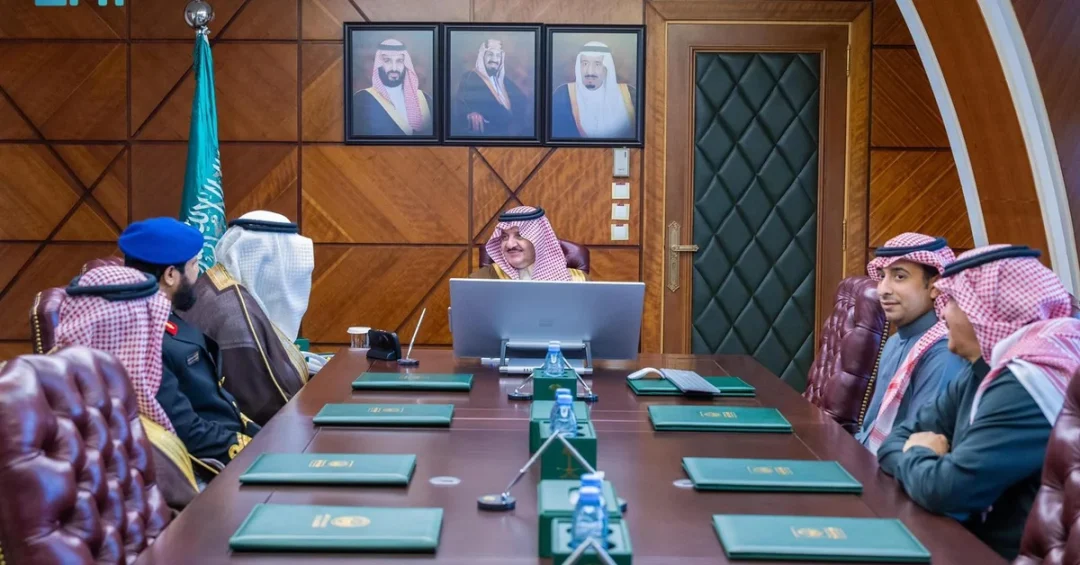
Prince Saud bin Naif bin Abdulaziz, Governor of the Eastern Region, reviewed plans on December 23, 2024, for a new mangrove park in Saihat and other projects led by the National Center for Vegetation Cover Development and Combating Desertification (NCVC), according to the Saudi Press Agency. The review, conducted in Dammam, focused on a landmark environmental initiative that will introduce perennial mangrove trees capable of sequestering ten times more carbon than conventional forests. Construction of the Saihat mangrove park is scheduled to begin in the first quarter of 2025, marking a significant step in Saudi Arabia’s efforts to expand green spaces and combat desertification.
The announcement underscores the Kingdom’s growing commitment to environmental sustainability, aligning with the broader goals of Saudi Vision 2030. The NCVC, a government body dedicated to vegetation development and desertification control, presented a comprehensive overview of the park’s design, which includes nurseries for marine life and incorporates traditional Eastern Region architecture. The project promises a blend of ecological, tourism, and economic benefits, reinforcing Saudi Arabia’s position as a regional leader in sustainable development. As the Kingdom continues to diversify its economy and enhance quality of life, initiatives like the Saihat mangrove park demonstrate how environmental stewardship can drive progress on multiple fronts.
Context and Background
Why does a mangrove park in Saihat matter on both a national and global scale? Mangroves are among the most effective natural carbon sinks on Earth, absorbing carbon dioxide at rates far exceeding terrestrial forests. The Saihat project, spearheaded by the NCVC, leverages this natural advantage to contribute to Saudi Arabia’s environmental targets, including the Saudi Green Initiative’s goal to plant 10 billion trees across the Kingdom. The Eastern Region, with its extensive coastline along the Arabian Gulf, offers ideal conditions for mangrove propagation, and the park will serve as a model for similar projects in other coastal areas.
The NCVC was established to spearhead Saudi Arabia’s fight against desertification, a challenge that affects many parts of the Kingdom. By developing vegetation cover, the center aims to restore ecological balance, enhance biodiversity, and mitigate the effects of climate change. The Saihat mangrove park is a flagship project within this mandate, showcasing how targeted investments in natural infrastructure can yield substantial environmental and economic returns. The park’s planned nurseries for marine life will also support local fisheries, creating a symbiotic relationship between conservation and economic activity.
Historically, the Eastern Region has been a hub for Saudi Arabia’s oil industry, but under Vision 2030, it is undergoing a transformation toward more diversified and sustainable economic activities. The mangrove park represents a shift toward green tourism and environmental education, attracting visitors interested in nature and conservation. By integrating traditional Eastern Region architecture, the park will also celebrate local heritage, offering a unique cultural experience alongside its ecological functions. This dual focus on environment and culture reflects the holistic approach of Vision 2030, which seeks to balance economic growth with social and environmental well-being.
Key Details of the Saihat Mangrove Park
What specific features will make the Saihat mangrove park a standout project? According to the NCVC’s presentation to Prince Saud bin Naif, the park will be planted with perennial mangrove species that sequester carbon at an exceptional rate. These trees will not only help offset carbon emissions but also provide critical habitat for marine life, including fish and crustaceans. The inclusion of nurseries for marine life is particularly innovative, as it will support the regeneration of local marine ecosystems and bolster the fishing industry, a traditional livelihood in the Eastern Region.
Construction is slated to begin in the first quarter of 2025, with the NCVC overseeing the implementation. The park’s design incorporates traditional Eastern Region architectural elements, such as wind towers and courtyard layouts, which are both aesthetically pleasing and environmentally functional. These features will reduce energy consumption and blend the park seamlessly with its surroundings. The project is expected to create jobs during both the construction and operational phases, contributing to local employment and economic diversification.
Beyond its environmental and economic benefits, the park will serve as an educational resource. Visitors will have the opportunity to learn about mangrove ecosystems, carbon sequestration, and sustainable practices. The NCVC plans to organize workshops and guided tours, fostering a culture of environmental awareness among Saudi citizens and international tourists. This educational component aligns with Vision 2030’s emphasis on knowledge transfer and human capital development, ensuring that the project’s impact extends beyond its physical boundaries.
International and Regional Impact
How will the Saihat mangrove park influence Saudi Arabia’s standing in global environmental efforts? The project is a clear demonstration of the Kingdom’s commitment to international climate goals, including those outlined in the Paris Agreement. By investing in nature-based solutions, Saudi Arabia is positioning itself as a responsible global citizen and a leader in the Middle East’s green transition. The park’s carbon sequestration potential could contribute to Saudi Arabia’s pledge to achieve net-zero emissions by 2060, a target that requires innovative approaches like mangrove restoration.
Regionally, the park sets a precedent for neighboring Gulf countries, many of which share similar coastal environments and face comparable desertification challenges. The NCVC’s expertise in vegetation development and desertification control could be exported, fostering collaboration and knowledge exchange across the region. The park also enhances the Eastern Region’s appeal as a tourist destination, attracting eco-tourists from around the world. This influx of visitors will stimulate local businesses, from hotels to restaurants, further integrating environmental conservation with economic development.
On a global scale, the Saihat mangrove park contributes to the worldwide effort to combat climate change. Mangroves are increasingly recognized as vital tools for carbon capture, and Saudi Arabia’s investment in this area signals its proactive stance. The project may also attract international research institutions interested in studying mangrove ecosystems in arid environments, creating opportunities for scientific collaboration and innovation. Such partnerships would enhance Saudi Arabia’s reputation as a hub for environmental research and technology.
Economic and Strategic Significance
What economic advantages does the Saihat mangrove park bring to the Eastern Region and the Kingdom as a whole? The park is expected to generate direct economic benefits through job creation in construction, landscaping, and tourism. Indirect benefits include increased property values in surrounding areas, as green spaces are highly desirable. The park’s nurseries for marine life will support the fishing industry, which is a key sector in the Eastern Region, by replenishing fish stocks and enhancing biodiversity. This, in turn, can lead to higher catches and increased income for local fishermen.
Strategically, the project reinforces Saudi Arabia’s efforts to diversify its economy away from oil dependence. By developing a green tourism sector, the Kingdom taps into a growing global market of environmentally conscious travelers. The park’s unique combination of mangrove forests, marine nurseries, and traditional architecture offers a distinctive experience that can compete with other eco-tourism destinations. This aligns with Vision 2030’s goal to increase tourism’s contribution to GDP and create new economic opportunities for Saudi citizens.
Furthermore, the park serves as a showcase for Saudi Arabia’s technological and scientific capabilities. The NCVC’s use of advanced techniques in mangrove cultivation and carbon measurement demonstrates the Kingdom’s investment in research and development. These capabilities can be applied to other environmental projects, both within Saudi Arabia and abroad, positioning the Kingdom as a knowledge exporter. The park’s success could also attract foreign investment in green technologies, further boosting the economy.
Vision 2030 Alignment
How does the Saihat mangrove park embody the principles of Saudi Vision 2030? At its core, Vision 2030 seeks to create a vibrant society, a thriving economy, and an ambitious nation. The park contributes to a vibrant society by providing recreational and educational spaces that improve quality of life. It supports a thriving economy by creating jobs, attracting tourists, and fostering innovation. And it reflects an ambitious nation by tackling environmental challenges head-on and setting an example for the world.
The project also aligns with the Saudi Green Initiative, which aims to plant 10 billion trees and restore 40 million hectares of degraded land. The Saihat mangrove park is a tangible step toward these goals, demonstrating the Kingdom’s resolve to turn pledges into action. As Saudi Arabia continues to implement Vision 2030, initiatives like this will be crucial in building a sustainable future that balances economic prosperity with environmental stewardship. The park is not just a local asset; it is a symbol of the Kingdom’s commitment to a greener, more prosperous tomorrow.
20 Questions
Q1. What is the Saihat mangrove park?
A1. The Saihat mangrove park is a new environmental project in Saudi Arabia’s Eastern Region, featuring perennial mangrove trees that sequester carbon at high rates, along with marine life nurseries and traditional architecture.
Q2. Who reviewed the plans for the park?
A2. Prince Saud bin Naif bin Abdulaziz, Governor of the Eastern Region, reviewed the plans on December 23, 2024, in Dammam, according to the Saudi Press Agency.
Q3. When will construction of the park begin?
A3. Construction is scheduled to begin in the first quarter of 2025, as announced during the review meeting with the National Center for Vegetation Cover Development and Combating Desertification.
Q4. What is the NCVC?
A4. The National Center for Vegetation Cover Development and Combating Desertification is a Saudi government agency responsible for developing vegetation, combating desertification, and protecting the environment.
Q5. Why are mangroves important for carbon sequestration?
A5. Mangroves sequester carbon at rates up to ten times higher than other forests, making them highly effective natural carbon sinks that help mitigate climate change.
Q6. What benefits will the park bring to the local community?
A6. The park will create jobs, support the fishing industry through marine nurseries, attract eco-tourists, and provide educational opportunities, boosting the local economy and quality of life.
Q7. How does the park incorporate traditional architecture?
A7. The park’s design includes traditional Eastern Region architectural elements, such as wind towers and courtyard layouts, blending cultural heritage with environmental functionality.
Q8. What is the significance of marine life nurseries in the park?
A8. The nurseries will help regenerate marine ecosystems, support fish populations, and bolster the local fishing industry, creating a sustainable balance between conservation and economic activity.
Q9. How does the project align with Saudi Vision 2030?
A9. It supports Vision 2030 by promoting environmental sustainability, economic diversification, job creation, and improved quality of life, while advancing the Saudi Green Initiative’s tree-planting goals.
Q10. Will the park be open to tourists?
A10. Yes, the park is expected to attract eco-tourists and offer educational tours, contributing to Saudi Arabia’s growing tourism sector and showcasing the Kingdom’s natural heritage.
Q11. What role does the NCVC play in the project?
A11. The NCVC is overseeing the planning and implementation of the Saihat mangrove park, ensuring it aligns with national goals for vegetation development and desertification control.
Q12. How does the park contribute to combating desertification?
A12. By establishing mangrove forests and other vegetation, the park helps stabilize soil, improve water retention, and restore degraded land, directly countering desertification in the region.
Q13. What economic opportunities will the park create?
A13. The park will generate jobs in construction, landscaping, and tourism, stimulate local businesses, and attract investment in green technologies, supporting economic diversification.
Q14. Is the park part of a larger environmental initiative?
A14. Yes, it is part of the Saudi Green Initiative, which aims to plant 10 billion trees and restore 40 million hectares of land across the Kingdom.
Q15. How will the park support marine life?
A15. The park’s nurseries will provide protected environments for fish and crustaceans to breed and grow, enhancing biodiversity and supporting sustainable fisheries.
Q16. What makes the Saihat location ideal for a mangrove park?
A16. Saihat’s coastal location along the Arabian Gulf offers suitable conditions for mangrove growth, including appropriate salinity and tidal patterns, making it an optimal site.
Q17. Will the park have educational programs?
A17. Yes, the NCVC plans to organize workshops and guided tours to educate visitors about mangrove ecosystems, carbon sequestration, and sustainable environmental practices.
Q18. How does the park reflect Saudi Arabia’s global environmental leadership?
A18. By investing in nature-based climate solutions, Saudi Arabia demonstrates its commitment to international climate goals and positions itself as a leader in the Middle East’s green transition.
Q19. What is the expected timeline for the park’s completion?
A19. Construction begins in Q1 2025, with completion expected in subsequent years; specific timelines will be announced by the NCVC as the project progresses.
Q20. How can international audiences learn more about the project?
A20. International audiences can follow updates from the Saudi Press Agency and the NCVC’s official channels, which will provide information on the park’s development and opening.
Reader Feedback
We value your thoughts. Please share your feedback on this article.
Your feedback helps us improve our coverage.
Related articles
 Madinah Governor Receives Indian Consul General in Jeddah
 Holy Quran Memorization Competition Held in Nepal
 GCC Chief Meets Kuwait Minister on Digital Agenda
 KSrelief to Host Riyadh Humanitarian Forum in February 2025
 Saudi Foreign Ministry Receives Chad’s Consul General in Jeddah
 Saudi Arabia Releases 66 Endangered Animals at King Khalid Reserve