


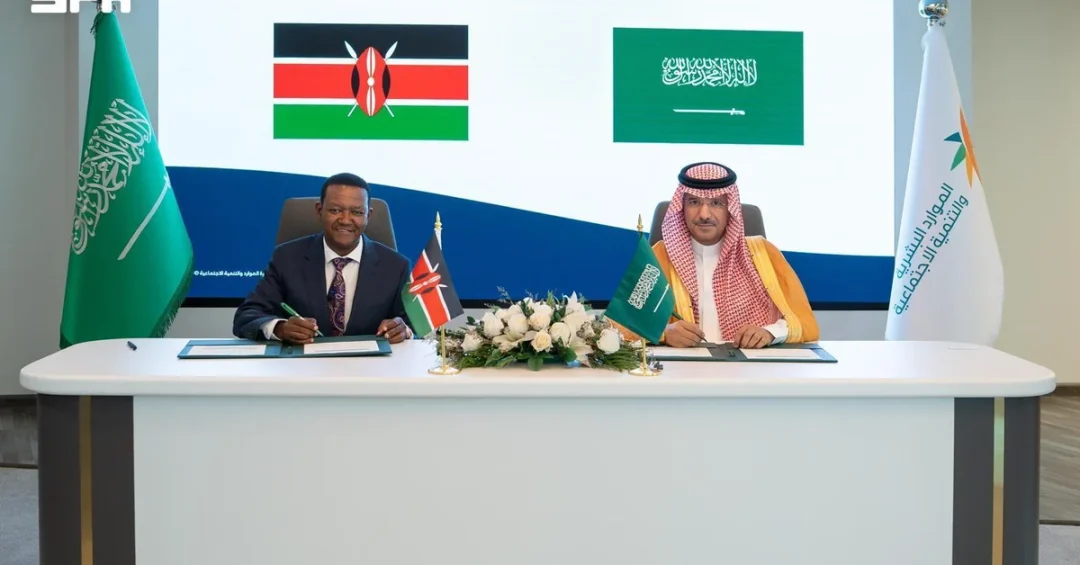
Saudi Arabia and Kenya signed a technical annex to their bilateral agreement on the recruitment of domestic workers on Thursday in Riyadh, formalizing new mechanisms to streamline procedures, reduce costs, and strengthen protections for both employers and workers. The annex was signed by Abdullah Nasser Abuthnain, Vice Minister of Human Resources and Social Development for Labor, and Alfred Nganga Mutua, Kenya’s Cabinet Secretary for Labour and Social Protection, following a high-level meeting at the ministry’s headquarters. The agreement builds on a foundational accord signed on July 5, 2026, and marks a significant step in the two nations’ ongoing cooperation in the labor sector.
Have you ever considered how international agreements shape the everyday lives of workers and families across continents? This technical annex is designed to do exactly that—by improving the effectiveness of pre-departure training, raising awareness of contractual rights and obligations, and enhancing the overall quality of recruitment services. It reflects a shared commitment to promoting stability in contractual relations and protecting the rights of all parties involved. The meeting was attended by the accompanying Kenyan delegation and several senior officials from the Saudi Ministry of Human Resources and Social Development, underscoring the importance both countries place on this partnership.
Context and Background
Why is this agreement so crucial at this moment in time? Saudi Arabia and Kenya have long enjoyed strong bilateral relations, and labor cooperation has been a cornerstone of that partnership. The original agreement signed in July 2026 established a framework for recruiting domestic workers from Kenya to the Kingdom, but both sides recognized the need for more detailed technical and regulatory mechanisms to ensure its effective implementation. The technical annex signed this week addresses those gaps by providing concrete procedures for recruitment, training, and dispute resolution.
The meeting in Riyadh focused on developing cooperation mechanisms that enhance the readiness of domestic workers before they arrive in Saudi Arabia. This includes improving pre-departure training and qualification programs, which are essential for ensuring that workers are well-prepared for their roles and aware of their rights and responsibilities. By investing in these areas, both countries aim to reduce the likelihood of misunderstandings and disputes, thereby fostering a more stable and productive work environment. The discussions also covered the exchange of expertise and best practices in training and qualification, which will help both nations refine their approaches over time.
What does this mean for the future of labor migration between the two countries? The annex is part of a broader effort to strengthen technical coordination and improve the efficiency of recruitment processes. It seeks to streamline procedures and reduce costs, making the recruitment of domestic workers from Kenya more accessible and affordable for Saudi households. At the same time, it ensures compliance with approved regulations, which is vital for protecting the rights of employers and workers alike. This balanced approach reflects the Kingdom’s commitment to ethical recruitment practices and its broader vision for a modern, regulated labor market.
Key Details of the Technical Annex
How exactly will the annex achieve its objectives? The technical annex outlines specific measures to enhance the efficiency of recruitment mechanisms. It includes provisions for pre-departure training programs that will be standardized and monitored to ensure quality. These programs will cover essential skills, cultural orientation, and legal rights, equipping workers with the knowledge they need to succeed. Additionally, the annex establishes clear guidelines for contractual relationships, including terms of employment, working hours, and dispute resolution procedures. This clarity is expected to reduce conflicts and promote mutual respect between employers and workers.
The annex also emphasizes the importance of raising awareness of contractual rights and obligations among both employers and workers. This will be achieved through awareness campaigns and informational materials distributed at various stages of the recruitment process. By ensuring that all parties understand their rights and responsibilities, the annex aims to prevent exploitation and abuse. Furthermore, the agreement includes mechanisms for exchanging expertise and best practices in training and qualification, which will allow both countries to continuously improve their systems. These measures are designed to serve the mutual interests of Saudi Arabia and Kenya, fostering a partnership based on trust and shared goals.
What role will technology play in these improved procedures? While the source material does not specify technological tools, the emphasis on streamlining procedures and reducing costs suggests that digital solutions may be explored. The annex builds on existing cooperation and reflects both sides’ commitment to developing their partnership in labor-related fields. It is a forward-looking agreement that recognizes the evolving nature of labor migration and the need for adaptive, efficient systems. By regulating the contractual relationship between employers and domestic workers, the annex provides a solid foundation for sustainable cooperation that benefits both nations.
International and Regional Impact
How will this agreement resonate beyond Saudi Arabia and Kenya? The signing of the technical annex is a positive development for labor migration in the region and beyond. It demonstrates Saudi Arabia’s leadership in promoting ethical recruitment practices and protecting the rights of migrant workers. For Kenya, the agreement provides a structured and regulated channel for its citizens to find employment abroad, which can contribute to economic growth through remittances. The annex also sets a precedent for other countries in the region, showing that bilateral cooperation can lead to tangible improvements in labor conditions.
What does this mean for the global conversation on migrant worker rights? By prioritizing pre-departure training, contractual clarity, and dispute resolution, Saudi Arabia and Kenya are aligning with international best practices. This move enhances the Kingdom’s reputation as a responsible destination for migrant workers and reinforces its commitment to sustainable development. The agreement also strengthens diplomatic ties between the two nations, as it reflects a shared vision for mutually beneficial cooperation. As other countries observe the positive outcomes of this partnership, they may be encouraged to pursue similar agreements, contributing to a more regulated and humane global labor market.
Economic and Strategic Significance
Why is this agreement economically significant for both countries? For Saudi Arabia, a reliable and well-regulated supply of domestic workers supports the needs of Saudi households, allowing more citizens to participate in the workforce and contribute to Vision 2030 goals. The reduction in recruitment costs and improved efficiency will make it easier for families to hire domestic workers, thereby enhancing quality of life. For Kenya, the agreement opens up a legal and protected avenue for employment, which can lead to increased remittances and skills development for its citizens. This, in turn, can spur local economic growth and stability.
Strategically, the annex reinforces Saudi Arabia’s position as a key partner in Africa and the Middle East. It builds on longstanding relations and ongoing cooperation, demonstrating the Kingdom’s commitment to developing partnerships that serve mutual interests. By investing in training and qualification programs, Saudi Arabia is also contributing to the upskilling of Kenyan workers, which can have long-term benefits for both economies. The agreement is a model of how labor migration can be managed to maximize benefits and minimize risks, aligning with the principles of sustainable development and ethical recruitment.
Vision 2030 Alignment
How does this technical annex support Saudi Arabia’s Vision 2030? Vision 2030 aims to diversify the economy, improve quality of life, and create a more efficient labor market. By regulating and streamlining the recruitment of domestic workers, the annex contributes to these goals by ensuring that Saudi households have access to reliable and well-trained workers, which supports greater workforce participation among Saudi citizens. It also reflects the Kingdom’s commitment to ethical practices and international cooperation, enhancing its global standing. The agreement is a concrete example of how Vision 2030 is being implemented on the ground, through partnerships that benefit both Saudi Arabia and its international partners.
What does the future hold for Saudi-Kenyan labor cooperation? The technical annex is not an endpoint but a stepping stone. It establishes a framework that can be expanded and adapted as both countries continue to learn from each other. The exchange of expertise and best practices will likely lead to further improvements in training and qualification programs, benefiting workers and employers alike. As Saudi Arabia continues to advance its Vision 2030 agenda, such international partnerships will play an increasingly important role in achieving its objectives. This agreement underscores the Kingdom’s proactive approach to labor migration and its dedication to fostering sustainable, mutually beneficial relationships with nations around the world.
20 Questions
Q1. What is the technical annex signed between Saudi Arabia and Kenya?
A1. It is a supplementary agreement to the July 5, 2026, labor accord, designed to streamline procedures, reduce costs, and enhance protections for domestic workers recruited from Kenya to Saudi Arabia.
Q2. Who signed the technical annex on behalf of Saudi Arabia?
A2. Abdullah Nasser Abuthnain, Vice Minister of Human Resources and Social Development for Labor, signed on behalf of Saudi Arabia during a meeting in Riyadh on Thursday.
Q3. Who represented Kenya at the signing?
A3. Alfred Nganga Mutua, Kenya’s Cabinet Secretary for Labour and Social Protection, signed the annex, accompanied by a Kenyan delegation and senior Saudi ministry officials.
Q4. When was the original agreement on domestic worker recruitment signed?
A4. The original agreement between Saudi Arabia and Kenya was signed on July 5, 2026, establishing the framework that the new technical annex now supplements.
Q5. What are the main goals of the technical annex?
A5. It aims to streamline recruitment procedures, reduce costs, improve efficiency, ensure compliance with regulations, protect the rights of employers and workers, and regulate contractual relationships.
Q6. How will the annex improve pre-departure training?
A6. It will enhance the effectiveness of training and qualification programs, ensuring domestic workers are well-prepared, aware of their rights and obligations, and ready for their roles in Saudi Arabia.
Q7. What does the annex say about contractual rights and obligations?
A7. It emphasizes raising awareness of contractual rights and obligations among both employers and workers to promote stability, prevent disputes, and protect all parties involved.
Q8. How will the annex reduce recruitment costs?
A8. By streamlining procedures and improving efficiency, the annex seeks to lower the costs associated with recruiting domestic workers from Kenya to Saudi Arabia.
Q9. What is the significance of exchanging expertise and best practices?
A9. It allows both countries to learn from each other, continuously improve training and qualification systems, and enhance the overall quality of recruitment services.
Q10. How does the annex protect the rights of domestic workers?
A10. Through clear contractual guidelines, pre-departure training, awareness campaigns, and dispute resolution mechanisms, the annex ensures workers’ rights are safeguarded throughout the recruitment process.
Q11. What benefits does the annex bring to Saudi employers?
A11. Saudi employers gain access to a more efficient, cost-effective recruitment process, with workers who are better trained and aware of their responsibilities, leading to more stable employment relationships.
Q12. How does this agreement affect Saudi-Kenyan relations?
A12. It strengthens bilateral ties by demonstrating a shared commitment to cooperation, mutual interests, and the development of a regulated, ethical labor migration system.
Q13. What role does the Saudi Ministry of Human Resources and Social Development play?
A13. The ministry oversees the implementation of the agreement, ensures compliance with regulations, and works with Kenyan authorities to improve recruitment mechanisms and protect all parties.
Q14. Will the annex lead to more job opportunities for Kenyan workers?
A14. Yes, by making recruitment more efficient and affordable, it is expected to increase opportunities for Kenyan domestic workers to find legal, protected employment in Saudi Arabia.
Q15. How does the annex align with Vision 2030?
A15. It supports Vision 2030 by enhancing labor market efficiency, improving quality of life for Saudi households, and promoting ethical international partnerships that reflect the Kingdom’s global leadership.
Q16. What are the next steps after signing the annex?
A16. Both countries will implement the agreed mechanisms, monitor their effectiveness, and continue exchanging expertise to refine procedures and ensure the annex achieves its objectives.
Q17. How will disputes be resolved under the new annex?
A17. The annex includes provisions for regulating contractual relationships and mechanisms for resolving disputes, ensuring fair treatment and protection for both employers and workers.
Q18. Does the annex cover other types of workers besides domestic workers?
A18. No, the annex specifically addresses the recruitment of domestic workers, building on the original agreement that focused on this category of labor.
Q19. What impact will the annex have on remittances to Kenya?
A19. By facilitating more legal and stable employment, the annex is expected to increase remittances, contributing to Kenya’s economic development and the well-being of workers’ families.
Q20. How does this agreement reflect Saudi Arabia’s leadership in labor migration?
A20. It demonstrates the Kingdom’s commitment to ethical recruitment, worker protection, and international cooperation, setting a positive example for other nations and reinforcing its role as a responsible global partner.
Reader Feedback
We value your thoughts. Please share your feedback on this article.
Your feedback helps us improve our coverage.
Related articles
 International Dates Council Advances UN Charter Registration
 KSGAAL, ALECSO Launch Unified Arabic Dictionary Platform
 KACARE and Hajj Ministry Sign MoU on Data Management
 NAUSS President Joins 42nd Arab Justice Ministers Session
 Jordan Condemns Houthi Attacks on Saudi Arabia
 Saudi Arabia Joins Global Anti-Corruption Forum in Dushanbe