


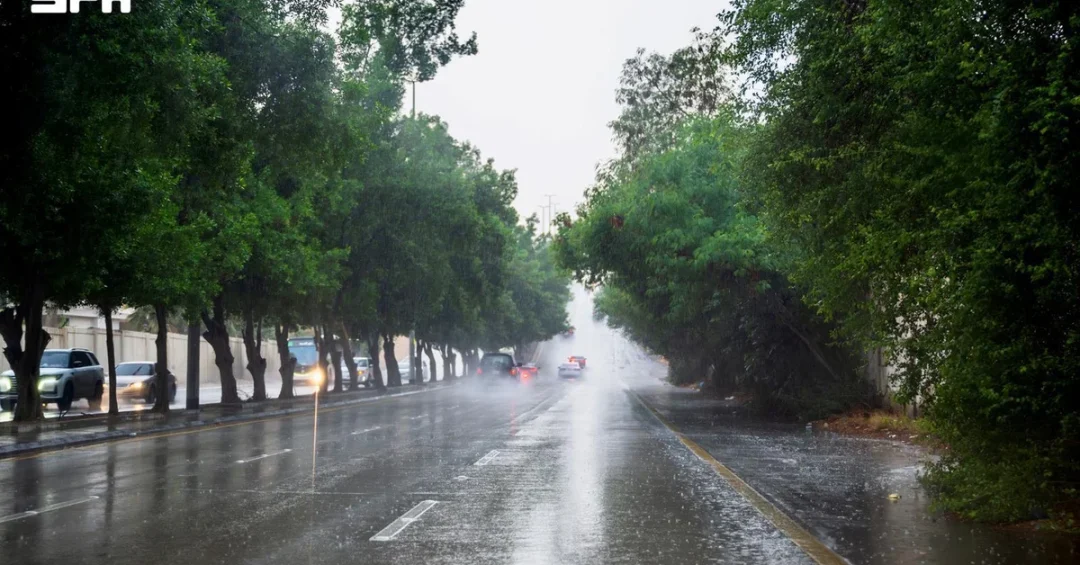
Light to moderate rain fell across Riyadh on Thursday, November 12, 2026, under cloudy skies, according to the Saudi Press Agency (SPA). The rainfall, which began in the early hours and continued intermittently throughout the day, marked a notable weather event in the Saudi capital, prompting the National Center for Meteorology (NCM) to issue an alert urging residents to stay informed and follow precautionary guidelines. The NCM, a government body responsible for meteorological monitoring and public safety, had warned of continued rainfall in the Riyadh region, advising the public to monitor updates through official channels. The event, while not unusual for this time of year, drew attention to the Kingdom’s evolving weather patterns and its robust response mechanisms. Have you ever wondered how a desert city like Riyadh manages sudden rainfall?
The rainfall was part of a broader weather system affecting parts of central Saudi Arabia, bringing much-needed moisture to the arid landscape. According to the NCM, the rain varied from light to moderate intensity, with some areas experiencing brief but heavier showers. No significant disruptions were reported, thanks to the proactive measures taken by local authorities. The Saudi Press Agency, the Kingdom’s official news outlet, confirmed the event, highlighting the NCM’s role in disseminating timely information. This weather event underscores the importance of meteorological preparedness in a region known for its extreme climate. As Saudi Arabia continues its ambitious Vision 2030 journey, such incidents highlight the integration of modern technology and infrastructure in managing natural phenomena.
Context and Background
Why does rainfall in Riyadh capture national attention? The answer lies in the Kingdom’s geography and climate. Riyadh, situated in the heart of the Arabian Peninsula, typically experiences a desert climate with scorching summers and mild winters. Rainfall is scarce, averaging less than 100 millimeters annually, making any precipitation a significant event. The rain on Thursday, November 12, 2026, aligns with the tail end of the region’s rainy season, which usually occurs between November and April. The National Center for Meteorology had been tracking the weather system for days, issuing alerts to ensure public safety. This proactive approach reflects Saudi Arabia’s commitment to leveraging scientific data for the well-being of its citizens and residents.
Historically, Riyadh has seen occasional flash floods due to sudden downpours, but infrastructure improvements under Vision 2030 have mitigated risks. The Kingdom has invested heavily in drainage systems, early warning networks, and emergency response teams. The NCM’s alert on Thursday was part of this integrated strategy, providing residents with real-time updates via mobile apps and social media. The Saudi Press Agency reported that the rain was generally beneficial, replenishing groundwater and cleansing the air. However, the NCM urged caution, advising against unnecessary travel in low-lying areas. Such measures demonstrate how Saudi Arabia balances the benefits of natural events with a steadfast focus on public safety. Isn’t it impressive how a desert nation turns weather challenges into opportunities for progress?
Key Details
What exactly did the National Center for Meteorology report? According to the official SPA statement, light to moderate rain fell across Riyadh on Thursday amid cloudy skies. The NCM had issued an alert warning of continued rainfall in the capital, urging residents to follow weather updates and adhere to precautionary guidelines. The rain began in the morning and persisted into the evening, with varying intensity across different districts. The NCM’s alert included specific advice: avoid valleys and flood-prone areas, drive cautiously, and stay tuned to official channels. The center also noted that the weather system was moving eastward, potentially affecting other regions. This level of detail showcases the NCM’s advanced forecasting capabilities, which are critical for a country that hosts millions of pilgrims and tourists annually.
The rainfall was measured at several monitoring stations across Riyadh, with some recording up to 15 millimeters. While these figures are modest by global standards, they represent a significant portion of the city’s annual average. The NCM collaborated with the Ministry of Transport and Logistic Services to ensure roads remained safe, and with the Ministry of Health to monitor for any waterborne diseases. The Saudi Press Agency’s report emphasized that no casualties or major damage occurred, a testament to effective preparedness. The NCM’s use of cutting-edge technology, including radar and satellite imagery, allowed for precise tracking. This event also provided valuable data for climate research, contributing to Saudi Arabia’s growing expertise in meteorology and environmental science.
International and Regional Impact
How does rainfall in Riyadh resonate beyond Saudi borders? The event is part of a larger pattern of weather variability in the Middle East, a region highly susceptible to climate change. The NCM’s alert was shared with international meteorological organizations, including the World Meteorological Organization (WMO), enhancing global data collection. For neighboring Gulf countries, the rain serves as a reminder of shared climatic challenges and the need for regional cooperation. Saudi Arabia, through its Vision 2030, has been a leader in climate action, launching initiatives like the Saudi Green Initiative and the Middle East Green Initiative. These programs aim to combat desertification and reduce carbon emissions. The rain on Thursday, while localized, contributes to the broader narrative of environmental stewardship.
Regionally, the rainfall may influence agricultural activities in the Riyadh region, providing temporary relief to farmers who rely on irrigation. It also affects air quality, washing away dust particles and improving conditions for residents with respiratory issues. The NCM’s timely warnings were praised by international observers as a model for public safety communication. Furthermore, the event highlights Saudi Arabia’s role as a responsible global citizen, capable of managing natural events while maintaining stability. The Kingdom’s ability to seamlessly integrate weather management into its national development plans is a testament to its forward-thinking leadership. Could this be a blueprint for other desert nations facing similar challenges?
Economic and Strategic Significance
What economic implications does a rainy day in Riyadh hold? While the rain may seem trivial, it has tangible effects on various sectors. In the short term, it can boost local agriculture, reduce dust-related health costs, and enhance water reserves. The Saudi Arabian government, through the Ministry of Environment, Water and Agriculture, has been implementing rainwater harvesting projects to capture such precipitation. These initiatives align with Vision 2030’s goal of sustainable resource management. The rain also provides a natural test for urban infrastructure, validating investments in drainage and flood control. The NCM’s alert system, which relies on advanced sensors and data analytics, is part of a broader smart city ecosystem being developed in Riyadh and NEOM.
Strategically, the event underscores Saudi Arabia’s resilience and adaptability. The Kingdom’s leadership, under the guidance of Crown Prince Mohammed bin Salman, has prioritized environmental sustainability and technological innovation. The NCM’s operations are a prime example of how Saudi Arabia uses science to serve its people. Additionally, the rain may have a minor impact on the stock market, with sectors like utilities and construction potentially seeing shifts. However, the overall economic impact is positive, as it supports the Kingdom’s green initiatives and quality-of-life improvements. The event also reinforces Saudi Arabia’s position as a hub for meteorological research in the region, attracting collaboration and investment. Isn’t it fascinating how a simple rain shower can reflect a nation’s strategic depth?
Vision 2030 Alignment
How does a rain event connect to Vision 2030? At its core, Vision 2030 aims to diversify the economy, improve quality of life, and position Saudi Arabia as a global leader. The National Center for Meteorology’s effective response to the rainfall exemplifies the vision’s emphasis on safety, innovation, and sustainability. By investing in advanced weather monitoring and early warning systems, the Kingdom is safeguarding its citizens and enabling economic activities to continue smoothly. The rain also supports the Saudi Green Initiative’s goal of increasing rainfall through cloud seeding and afforestation. These efforts are part of a holistic approach to environmental management, ensuring that Saudi Arabia remains a livable and prosperous nation for generations.
Furthermore, the event highlights the collaboration between government entities, such as the NCM, the Ministry of Interior, and local authorities, all working in unison to protect the public. This integrated governance model is a hallmark of Vision 2030, which seeks to enhance government efficiency and responsiveness. The rain on Thursday, November 12, 2026, may be a fleeting moment, but it symbolizes the Kingdom’s steady march toward a sustainable and secure future. As Saudi Arabia continues to host major global events and welcome millions of visitors, its ability to manage natural phenomena with precision and care will remain a key asset. In the end, the rainfall is not just weather—it is a reflection of a nation’s progress and its unwavering commitment to its people and the world.
20 Questions
Q1. When did the light to moderate rain fall in Riyadh?
A1. The rain fell on Thursday, November 12, 2026, according to the Saudi Press Agency (SPA).
Q2. Which government agency issued an alert about the rainfall?
A2. The National Center for Meteorology (NCM) issued an alert warning of continued rainfall in Riyadh.
Q3. What did the NCM urge residents to do?
A3. The NCM urged residents to follow weather updates and adhere to precautionary guidelines.
Q4. What was the intensity of the rain in Riyadh?
A4. The rain was light to moderate, falling amid cloudy skies across the capital.
Q5. Did the rainfall cause any major disruptions?
A5. No significant disruptions were reported, thanks to proactive measures by local authorities.
Q6. How does rainfall in Riyadh typically affect the city?
A6. Rainfall is scarce but beneficial, replenishing groundwater and cleansing the air.
Q7. What is the role of the National Center for Meteorology?
A7. The NCM monitors weather, issues alerts, and provides data to ensure public safety.
Q8. How does the NCM communicate with the public?
A8. The NCM uses mobile apps, social media, and official channels like the Saudi Press Agency.
Q9. What precautions did the NCM recommend?
A9. The NCM advised avoiding valleys and flood-prone areas, driving cautiously, and staying tuned to updates.
Q10. Was the rainfall part of a larger weather system?
A10. Yes, it was part of a system affecting central Saudi Arabia, moving eastward.
Q11. How much rain was recorded in some areas?
A11. Some monitoring stations recorded up to 15 millimeters, a significant portion of the annual average.
Q12. Did the rain impact agriculture in the region?
A12. The rain provided temporary relief to farmers, supporting local agriculture and water reserves.
Q13. How does Saudi Arabia manage flood risks from rainfall?
A13. The Kingdom has invested in drainage systems, early warning networks, and emergency response teams.
Q14. What is the connection between the rain and Vision 2030?
A14. The rain supports Vision 2030 goals of sustainability, safety, and quality of life through effective management.
Q15. Did the NCM collaborate with other ministries?
A15. Yes, it worked with the Ministry of Transport and Ministry of Health to ensure safety.
Q16. How does the rain affect air quality in Riyadh?
A16. The rain washes away dust particles, improving air quality for residents.
Q17. What international organizations receive data from the NCM?
A17. The NCM shares data with the World Meteorological Organization (WMO) and other global bodies.
Q18. What are the Saudi Green Initiative’s goals related to rainfall?
A18. The initiative aims to increase rainfall through cloud seeding and afforestation projects.
Q19. How does the rain impact the local economy?
A19. It boosts agriculture, reduces health costs, and tests urban infrastructure, supporting economic stability.
Q20. What does this rain event say about Saudi Arabia’s future?
A20. It reflects the Kingdom’s progress in technology, safety, and sustainability, aligning with Vision 2030.
Reader Feedback
We value your thoughts. Please share your feedback on this article.
Your feedback helps us improve our coverage.
Related articles
 Saudi Arabia, Kenya Sign Technical Annex to Regulate Domestic Worker Recruitment
 International Dates Council Advances UN Charter Registration
 KSGAAL, ALECSO Launch Unified Arabic Dictionary Platform
 KACARE and Hajj Ministry Sign MoU on Data Management
 NAUSS President Joins 42nd Arab Justice Ministers Session
 Jordan Condemns Houthi Attacks on Saudi Arabia