


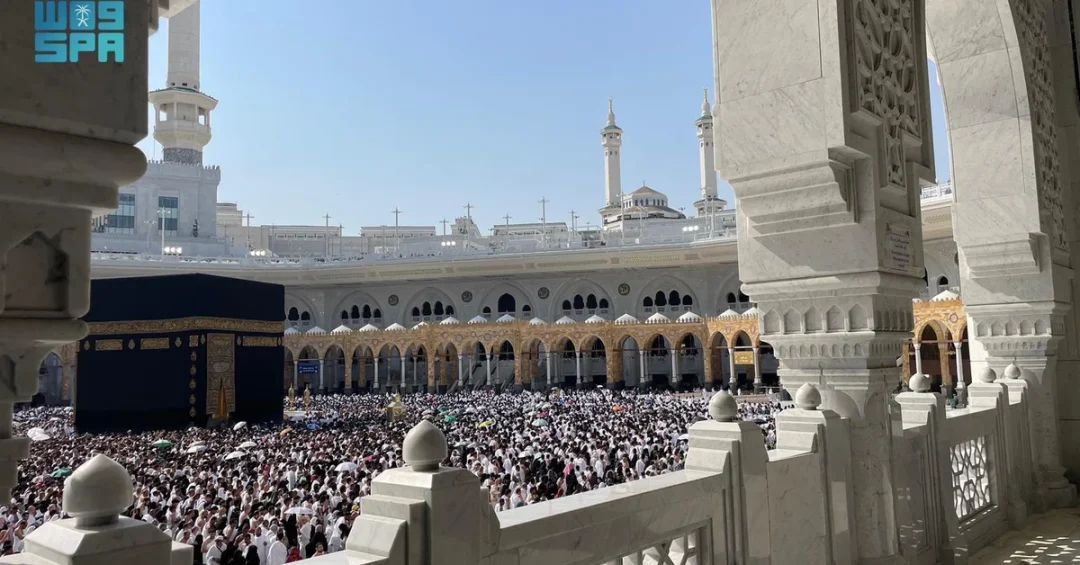
The Presidency of Religious Affairs at the Grand Mosque and the Prophet’s Mosque has announced the successful execution of its operational plan for the 27th night of Ramadan, 1446 AH, ensuring a seamless and spiritually enriching experience for millions of worshippers. The announcement, released via the Saudi Press Agency (SPA), highlights the Kingdom’s unwavering commitment to serving the Two Holy Mosques and their visitors during the holiest nights of the Islamic calendar. Sheikh Dr. Abdulrahman Al-Sudais, President of Religious Affairs, credited the achievement to the steadfast support of Saudi leadership and the close collaboration between religious, security, and partner agencies. The 27th night, considered by many Muslims to be Laylat al-Qadr—the Night of Power—draws exceptional crowds to Makkah and Madinah, requiring meticulous planning and execution.
This year’s operational plan integrated religious guidance, multilingual translation, technological support, and digital services to accommodate the millions of worshippers who performed tarawih and tahajjud prayers. The success of the plan underscores Saudi Arabia’s role as the custodian of Islam’s holiest sites and its dedication to facilitating worship in comfort and safety. As the Kingdom continues to welcome record numbers of pilgrims under Vision 2030, such operational achievements demonstrate its capacity to manage large-scale religious events with efficiency and care. The smooth flow of worshippers during the 27th night reflects years of investment in infrastructure, technology, and human resources.
Context and Background
What makes the 27th night of Ramadan so significant for Muslims worldwide? It is believed to be the night when the first verses of the Quran were revealed to the Prophet Muhammad, making it a period of intense prayer, reflection, and devotion. Millions of Muslims seek to spend this night in the Grand Mosque in Makkah and the Prophet’s Mosque in Madinah, hoping to attain the spiritual rewards associated with Laylat al-Qadr. The Presidency of Religious Affairs, led by Sheikh Dr. Abdulrahman Al-Sudais, has long been responsible for managing the religious aspects of these visits, from organizing prayer rows to providing guidance and translation services.
In recent years, the Presidency has expanded its operations to include advanced technological solutions, such as digital platforms for accessing sermons, multilingual translations of religious content, and real-time crowd management systems. These efforts align with the directives of the Saudi leadership to enhance the pilgrim experience and ensure that worshippers can focus on their spiritual journey. The 27th night operational plan is a culmination of these initiatives, bringing together various government agencies, including security forces, health services, and volunteer teams, under a unified command. The success of this year’s plan is not merely a logistical victory but a testament to the Kingdom’s deep-rooted commitment to Islam’s holiest sites.
The significance of the 27th night extends beyond the Two Holy Mosques, as Muslims around the world observe it in their local communities. However, the opportunity to pray in Makkah or Madinah during this night is considered a unique blessing. The Saudi government, therefore, spares no effort in ensuring that the experience is safe, organized, and spiritually fulfilling. The Presidency’s operational plan includes provisions for iftar meals, water distribution, and medical assistance, all of which contribute to a conducive worship environment. This comprehensive approach reflects the integrated nature of Saudi Arabia’s service to pilgrims, which is a cornerstone of its national identity and a key pillar of Vision 2030.
Key Details of the Operational Plan
How did the Presidency of Religious Affairs ensure a smooth experience for millions during the 27th night? The plan encompassed several key components, each designed to address the diverse needs of worshippers. First, religious guidance was provided through qualified scholars and imams who delivered sermons and led prayers in multiple languages, including English, Urdu, and French. This multilingual approach ensured that non-Arabic speakers could fully participate in the spiritual activities. Second, the Presidency deployed advanced translation systems, allowing real-time translation of the imam’s recitation and supplications, thereby bridging language barriers and enhancing inclusivity.
Third, technological support played a pivotal role in managing the massive crowds. The Presidency utilized smart applications to guide worshippers to available prayer areas, disseminate information about prayer times, and provide virtual tours of the mosques. Digital services also included online platforms for requesting religious fatwas, accessing electronic copies of the Quran, and participating in remote educational sessions. These tools not only facilitated the worship experience but also reduced congestion and improved safety. Fourth, the Presidency coordinated with security agencies to implement crowd control measures, including designated entry and exit points, timed entry for different groups, and emergency response protocols.
Sheikh Dr. Abdulrahman Al-Sudais praised the collaborative efforts, stating that the success was due to the support of the Saudi leadership and the dedication of all involved parties. He emphasized that the Presidency’s mission is to serve worshippers and enable them to perform their rituals with ease and devotion. The operational plan also included provisions for people with disabilities, the elderly, and families, ensuring that all segments of society could participate. The integration of these elements demonstrates the Presidency’s holistic approach to religious affairs, combining spiritual care with practical logistics.
International and Regional Impact
What does the successful execution of this plan mean for Muslims around the world? The Two Holy Mosques are not only central to Saudi Arabia but also to the global Muslim community. The ability to manage millions of worshippers during the 27th night reinforces the Kingdom’s standing as a reliable and capable custodian of Islam’s holiest sites. This success sends a positive message to Muslims worldwide, assuring them that their spiritual needs are being met with the highest standards of care. It also strengthens Saudi Arabia’s soft power and its role as a leader in the Islamic world.
Regionally, the smooth operation of the 27th night prayers contributes to stability and unity among Muslim nations. Pilgrims from diverse countries, including Indonesia, Pakistan, Egypt, and Nigeria, participated in the prayers, fostering a sense of brotherhood and shared faith. The Presidency’s efforts to provide multilingual services and cultural sensitivity training to its staff further enhance the experience for international visitors. This inclusive approach aligns with Saudi Arabia’s vision of promoting moderate Islam and interfaith harmony. The successful management of such a large-scale event also sets a benchmark for other countries hosting major religious gatherings.
Economic and Strategic Significance
How does the success of the 27th night operational plan contribute to Saudi Arabia’s economic and strategic goals? The pilgrimage and Umrah sectors are vital components of the Saudi economy, generating significant revenue and creating jobs. By ensuring a seamless experience, the Kingdom encourages more Muslims to undertake these spiritual journeys, thereby boosting demand for related services such as hospitality, transportation, and retail. The 27th night, in particular, attracts a high concentration of worshippers, many of whom extend their stay to perform Umrah or visit other historical sites. This translates into increased spending and economic activity in Makkah, Madinah, and beyond.
Strategically, the successful operation reinforces Saudi Arabia’s position as the global hub for Islamic tourism. It showcases the Kingdom’s advanced infrastructure, technological prowess, and organizational capabilities, which are essential for attracting foreign investment and partnerships. Under Vision 2030, Saudi Arabia aims to increase the number of pilgrims and Umrah performers to 30 million annually by 2030. Achievements like the 27th night plan demonstrate the Kingdom’s readiness to handle such volumes while maintaining high service standards. Furthermore, the integration of digital services and smart technologies positions Saudi Arabia as a leader in religious tourism innovation.
Vision 2030 Alignment
How does the Presidency’s operational plan align with the objectives of Saudi Vision 2030? Vision 2030 seeks to diversify the economy, enhance the quality of life, and strengthen Saudi Arabia’s role as a global leader. The plan directly supports these goals by improving the pilgrim experience, which is a key focus of the Vision’s Hajj and Umrah expansion programs. The use of technology to facilitate worship and manage crowds reflects the Vision’s emphasis on digital transformation and innovation. Additionally, the collaboration between various government agencies exemplifies the integrated governance model that Vision 2030 promotes.
Moreover, the successful execution of the 27th night plan contributes to the Vision’s social and cultural objectives by fostering a sense of pride and unity among Saudis and Muslims worldwide. It highlights the Kingdom’s dedication to serving Islam and its commitment to providing world-class facilities for religious observance. As Saudi Arabia continues to invest in the Two Holy Mosques and their surroundings, it reinforces its role as a beacon of moderate Islam and a destination for spiritual fulfillment. The Presidency of Religious Affairs, under the guidance of Sheikh Dr. Abdulrahman Al-Sudais, remains at the forefront of these efforts, ensuring that every worshipper’s journey is safe, comfortable, and spiritually rewarding.
20 Questions
Q1. What did the Presidency of Religious Affairs announce?
A1. The Presidency announced the successful execution of its operational plan for the 27th night of Ramadan, 1446 AH, ensuring a smooth worship experience for millions at the Two Holy Mosques.
Q2. Who is the President of Religious Affairs for the Two Holy Mosques?
A2. Sheikh Dr. Abdulrahman Al-Sudais serves as the President of Religious Affairs for the Grand Mosque and the Prophet’s Mosque, leading efforts to serve worshippers.
Q3. What is the significance of the 27th night of Ramadan?
A3. The 27th night is believed to be Laylat al-Qadr, the Night of Power, when the first verses of the Quran were revealed, making it a time of intense prayer and devotion.
Q4. How many worshippers attended the 27th night prayers?
A4. Millions of worshippers attended the tarawih and tahajjud prayers at the Grand Mosque in Makkah and the Prophet’s Mosque in Madinah during the 27th night.
Q5. What were the key components of the operational plan?
A5. The plan included religious guidance, multilingual translation, technological support, digital services, crowd management, and coordination with security and health agencies.
Q6. How did the Presidency support non-Arabic speakers?
A6. The Presidency provided multilingual translation services, including real-time translation of sermons and supplications in languages such as English, Urdu, and French.
Q7. What technological tools were used during the 27th night?
A7. Smart applications guided worshippers to prayer areas, shared prayer times, and offered virtual tours, while digital platforms provided fatwas and Quran access.
Q8. How did the Presidency ensure crowd safety?
A8. The Presidency coordinated with security agencies to implement crowd control measures, including designated entry and exit points, timed entry, and emergency response protocols.
Q9. What did Sheikh Dr. Al-Sudais say about the success?
A9. He credited the achievement to Saudi leadership support and collaboration with security and partner agencies, ensuring a smooth worship experience for millions.
Q10. How does this success impact Muslims worldwide?
A10. It reassures the global Muslim community that the Two Holy Mosques are managed with the highest standards, reinforcing Saudi Arabia’s role as custodian of Islam’s holiest sites.
Q11. What economic benefits does the successful plan bring?
A11. It boosts the pilgrimage and Umrah sectors, increasing demand for hospitality, transportation, and retail services, and contributing to Saudi Arabia’s economic diversification.
Q12. How does the plan align with Vision 2030?
A12. It supports Vision 2030 by enhancing the pilgrim experience, promoting digital transformation, and strengthening Saudi Arabia’s role as a global leader in religious tourism.
Q13. What services were provided for people with disabilities?
A13. The plan included provisions for people with disabilities, the elderly, and families, ensuring accessibility and inclusivity for all worshippers at the Two Holy Mosques.
Q14. How many pilgrims does Saudi Arabia aim to host annually by 2030?
A14. Under Vision 2030, Saudi Arabia aims to increase the number of pilgrims and Umrah performers to 30 million annually by 2030.
Q15. What role did digital services play in the operational plan?
A15. Digital services provided online fatwas, electronic Quran copies, remote educational sessions, and real-time information, reducing congestion and improving the worship experience.
Q16. Which government agencies collaborated with the Presidency?
A16. Security forces, health services, volunteer teams, and other partner agencies collaborated under a unified command to ensure the plan’s success.
Q17. How does the plan reflect Saudi Arabia’s commitment to moderate Islam?
A17. By providing inclusive, multilingual services and promoting interfaith harmony, the plan showcases Saudi Arabia’s dedication to moderate Islam and global Muslim unity.
Q18. What is the significance of the Two Holy Mosques to Muslims?
A18. The Grand Mosque in Makkah and the Prophet’s Mosque in Madinah are the holiest sites in Islam, drawing millions of worshippers annually for pilgrimage and prayer.
Q19. How does the success of the 27th night plan affect Saudi Arabia’s global standing?
A19. It reinforces Saudi Arabia’s reputation as a capable and reliable custodian of Islam’s holiest sites, enhancing its soft power and leadership in the Islamic world.
Q20. What is the Presidency’s mission regarding the Two Holy Mosques?
A20. The Presidency’s mission is to serve worshippers, facilitate their rituals with ease and devotion, and ensure a safe, organized, and spiritually fulfilling experience at the Two Holy Mosques.
Reader Feedback
We value your thoughts. Please share your feedback on this article.
Your feedback helps us improve our coverage.
Related articles
 Saudi Supreme Court Urges Shawwal Crescent Sighting Saturday
 Saudi Green Initiative Day: Promoting Environmental Stewardship
 Over 900 Mosques Ready for Eid Al-Fitr Prayer in Madinah
 Head of Moroccan Government Departs Jeddah After Official Visit
 Saudi Arabia Weather Forecast: Thunderstorms, Hail Expected Thursday
 Saudi Arabia Marks Green Initiative Day with Ambitious Sustainability Goals