


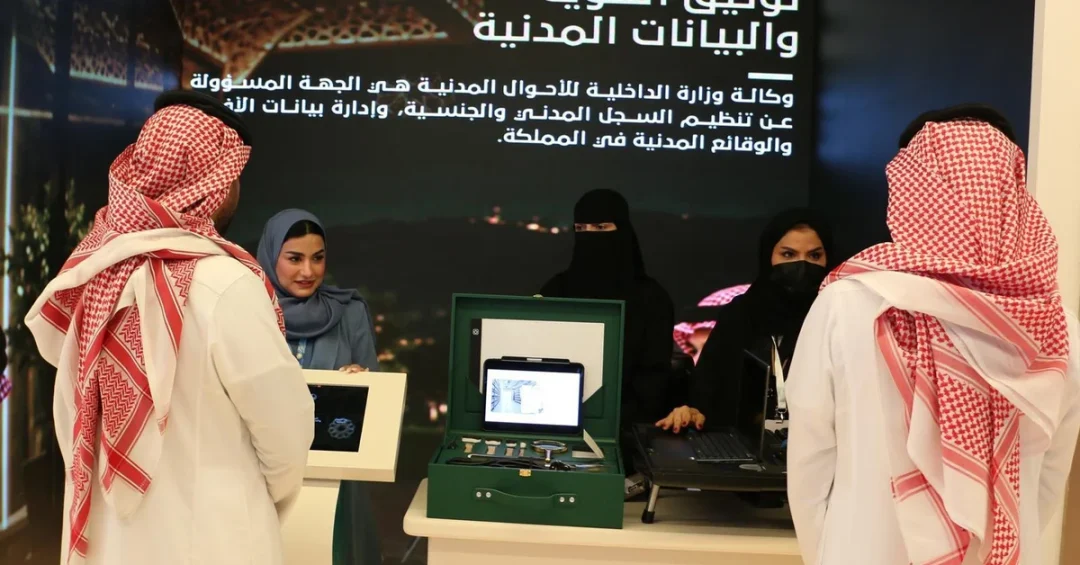
The Ministry of Interior’s Agency for Civil Affairs is showcasing a portable document restoration and treatment kit at the ministry’s pavilion at the Hajj Conference and Exhibition in Jeddah, state-run Saudi Press Agency (SPA) reported on Monday, November 9, 2026. The kit, equipped with the latest technology and specialized equipment for document care, is designed to facilitate the restoration and treatment of documents at their storage locations, helping preserve citizens’ identity documents and protect them from damage. The display forms part of the ministry’s participation in the exhibition, which brings together government agencies and service providers to enhance the Hajj experience.
Have you ever considered how the Kingdom safeguards the personal records of millions of citizens and pilgrims? The unveiling of this portable kit reflects a broader commitment by the Ministry of Interior to leverage advanced technology for public service. By enabling on-site restoration, the Agency for Civil Affairs aims to reduce the need to transport sensitive documents to centralized facilities, thereby minimizing risks and improving service efficiency. This initiative aligns with Saudi Arabia’s Vision 2030 goal of enhancing government services through innovation and digital transformation, ensuring that identity documents remain secure and legible for all citizens.
Context and Background
Why is document preservation critical in a rapidly modernizing nation like Saudi Arabia? The Agency for Civil Affairs, under the Ministry of Interior, is responsible for managing civil records, including national identity cards, family registries, and residency permits. These documents are essential for accessing government services, travel, and legal transactions. Over time, paper records can deteriorate due to environmental factors, handling, or storage conditions. Traditional restoration methods often require transporting documents to specialized centers, which can be time-consuming and risky. The introduction of a portable restoration kit addresses these challenges by bringing the treatment directly to storage sites, such as regional civil affairs offices or archival facilities.
The Hajj Conference and Exhibition, held annually in Jeddah, serves as a platform for showcasing innovations that support the pilgrimage, which draws millions of Muslims to Mecca each year. The event highlights services and technologies that enhance the safety, comfort, and efficiency of Hajj operations. By presenting the portable kit at this venue, the Ministry of Interior demonstrates how civil affairs services contribute to the overall Hajj ecosystem, even though the kit’s primary purpose is to preserve citizen documents. This integration underscores the interconnectedness of government services in serving both residents and visitors.
The kit itself is a product of ongoing efforts to modernize civil registration. It includes specialized tools and materials for cleaning, repairing, and stabilizing paper documents. According to SPA, the kit is equipped with the latest technology, though specific technical details were not disclosed. The Agency for Civil Affairs has been progressively digitizing its records, but physical documents remain legally and historically significant. Therefore, preserving them is a priority. The portable kit allows trained technicians to perform restoration on-site, ensuring that documents are treated promptly and safely. This approach not only protects the documents but also reduces downtime for citizens who may need their records updated or verified.
Key Details
What exactly does the portable document restoration kit entail? While the SPA report did not provide an exhaustive list of components, it described the kit as containing specialized equipment for document care. This likely includes tools for dry cleaning, deacidification, tear repair, and encapsulation, all packaged in a mobile unit. The kit’s portability means it can be deployed to various locations, such as civil affairs offices in different regions, where documents may be stored in less-than-ideal conditions. By treating documents in situ, the Agency for Civil Affairs can prevent further deterioration and extend the lifespan of critical records.
The kit is designed to handle a range of document types, including national ID cards, birth certificates, marriage contracts, and property deeds. These documents are often required for legal and administrative procedures, so their preservation is vital. The restoration process involves assessing the condition of each document, selecting appropriate treatment methods, and applying them with precision. The kit’s technology may include digital imaging tools to document the restoration process and create digital backups, further enhancing record security. This dual approach—physical restoration and digital preservation—aligns with the Kingdom’s broader digital transformation strategy.
The Agency for Civil Affairs has emphasized that the kit will help preserve citizens’ identity documents and protect them from damage. This is particularly important as the Kingdom continues to expand its digital services, where physical documents still play a role in verification and authentication. The portable kit represents a proactive measure to maintain the integrity of civil records, which are the foundation of many government transactions. By showcasing the kit at the Hajj Conference and Exhibition, the ministry also signals its readiness to adopt innovative solutions that can be replicated in other service areas.
International and Regional Impact
How does Saudi Arabia’s approach to document preservation resonate beyond its borders? The Kingdom’s investment in advanced restoration technology reflects a growing global trend toward preserving cultural and administrative heritage. Many countries face similar challenges with aging paper records, and Saudi Arabia’s portable kit could serve as a model for others in the region. By sharing its expertise at international forums, the Kingdom reinforces its role as a leader in public service innovation. Moreover, the kit’s deployment during Hajj, when millions of pilgrims require identity verification, underscores the importance of reliable civil records for security and service delivery.
Regionally, the initiative supports Saudi Arabia’s efforts to enhance government efficiency and citizen satisfaction. Neighboring Gulf countries are also modernizing their civil registration systems, and Saudi Arabia’s experience with portable restoration could inform their strategies. The Hajj Conference and Exhibition itself attracts participants from around the world, providing a platform for knowledge exchange. The Ministry of Interior’s showcase thus contributes to Saudi Arabia’s soft power by demonstrating practical solutions to common administrative challenges. It also aligns with the Kingdom’s Vision 2030 goal of fostering international cooperation and positioning Saudi Arabia as a hub for innovation.
Economic and Strategic Significance
What economic and strategic benefits does the portable restoration kit offer? By enabling on-site document treatment, the kit reduces the costs associated with transporting and storing documents at centralized facilities. It also minimizes the risk of damage during transit, which can lead to costly replacements and legal complications. For citizens, faster restoration means less time spent waiting for documents to be processed, improving overall productivity. Strategically, the kit enhances the resilience of the civil registration system, ensuring that identity documents remain reliable even in remote areas. This is crucial for national security and for delivering services during large-scale events like Hajj.
Furthermore, the kit’s development and deployment support the growth of Saudi Arabia’s technology sector. The specialized equipment and materials may be sourced from local suppliers or developed in partnership with Saudi tech firms, contributing to economic diversification. The Agency for Civil Affairs’ adoption of such tools demonstrates how government entities can drive demand for innovative solutions, spurring private-sector investment in research and development. This aligns with Vision 2030’s objective of building a diversified, knowledge-based economy. The kit also has potential applications beyond civil affairs, such as in museums, libraries, and archives, opening new markets for Saudi-made restoration technology.
Vision 2030 Alignment
How does this initiative fit into Saudi Arabia’s Vision 2030? The portable document restoration kit exemplifies the Vision’s focus on government effectiveness and digital transformation. By preserving physical documents while embracing digital tools, the Agency for Civil Affairs ensures continuity and security in civil records. This supports the Vision’s aim of providing seamless, high-quality services to citizens and residents. The kit’s showcase at the Hajj Conference and Exhibition also highlights the integration of services across sectors, a key principle of the Vision. As Saudi Arabia continues to modernize, such innovations will play a vital role in maintaining trust and efficiency in public administration.
In conclusion, the Ministry of Interior’s Agency for Civil Affairs is setting a precedent for proactive document preservation. Will other government agencies follow suit in adopting portable restoration solutions? The kit’s debut at the Hajj Conference and Exhibition underscores Saudi Arabia’s commitment to leveraging technology for the public good. As the Kingdom advances toward Vision 2030, initiatives like this demonstrate how thoughtful innovation can protect citizens’ rights and enhance national infrastructure. The Agency for Civil Affairs remains dedicated to safeguarding identity documents, ensuring that every citizen’s record is preserved for future generations.
20 Questions
Q1. What is the portable document restoration kit showcased by the Agency for Civil Affairs?
A1. It is a mobile kit equipped with advanced technology and specialized tools to restore and treat documents on-site, preserving citizens’ identity documents from damage.
Q2. Where was the kit displayed?
A2. It was showcased at the Ministry of Interior’s pavilion during the Hajj Conference and Exhibition in Jeddah, as reported by the Saudi Press Agency.
Q3. Why is document restoration important for Saudi citizens?
A3. It ensures that essential identity documents remain legible and valid, supporting access to government services, travel, and legal transactions.
Q4. How does the kit help during Hajj?
A4. Although primarily for citizen documents, its presence at the Hajj exhibition highlights the ministry’s integrated approach to service delivery during the pilgrimage.
Q5. What types of documents can the kit restore?
A5. It can treat national ID cards, birth certificates, marriage contracts, property deeds, and other civil records that may deteriorate over time.
Q6. What technology is used in the kit?
A6. The kit includes specialized equipment for cleaning, repairing, and stabilizing paper documents, though specific technical details were not disclosed by SPA.
Q7. How does the kit improve efficiency?
A7. By enabling restoration at storage locations, it eliminates the need to transport documents to centralized facilities, reducing time and risk.
Q8. Is the kit part of Vision 2030?
A8. Yes, it aligns with Vision 2030’s goals of enhancing government services through innovation and digital transformation.
Q9. Who operates the kit?
A9. Trained technicians from the Agency for Civil Affairs will use the kit to perform on-site restoration.
Q10. What are the benefits for remote areas?
A10. Citizens in remote regions can have their documents restored locally, avoiding travel to central facilities and ensuring timely service.
Q11. Does the kit replace digital records?
A11. No, it complements digitalization by preserving physical documents that remain legally and historically significant.
Q12. How does this initiative support national security?
A12. By maintaining reliable identity documents, it helps prevent fraud and ensures accurate verification for security purposes.
Q13. Will the kit be used beyond civil affairs?
A13. Potentially, its technology could be adapted for museums, libraries, and archives, supporting broader heritage preservation.
Q14. What economic impact does the kit have?
A14. It reduces costs associated with document transport and replacement, and may stimulate local tech development.
Q15. How does the Hajj Conference and Exhibition relate to this kit?
A15. The event showcases innovations that enhance services, and the kit demonstrates the ministry’s commitment to preserving records integral to serving pilgrims and citizens.
Q16. Is the kit available to the public?
A16. The kit is an internal tool for the Agency for Civil Affairs, not for public purchase, but its benefits extend to all citizens.
Q17. What happens to documents after restoration?
A17. They are returned to storage with improved condition, and digital copies may be created for backup and easy access.
Q18. How does this reflect Saudi leadership?
A18. It shows proactive governance and innovation, reinforcing Saudi Arabia’s position as a leader in public service modernization.
Q19. Can other countries learn from this initiative?
A19. Yes, Saudi Arabia’s portable restoration model offers a replicable solution for nations facing similar document preservation challenges.
Q20. What is the next step for the Agency for Civil Affairs?
A20. The agency will likely deploy the kit across regions and continue integrating technology to enhance civil registration services nationwide.
Reader Feedback
We value your thoughts. Please share your feedback on this article.
Your feedback helps us improve our coverage.
Related articles
 Saudi Road Security Forces Unveil Smart Mobile Control Center at Hajj Exhibition
 Public Security Director Joins Hajj Conference 2026 Ministerial Session
 Umm Al-Qura University Inks Deal to Incubate Thaki Pro
 NCM: Thunderstorms Expected Across 13 Saudi Regions Through Saturday
 MATARAT Holding Showcases Pilgrim Services at Hajj Exhibition
 Hajj Ministry Discusses AI Governance for Pilgrims’ Rights