


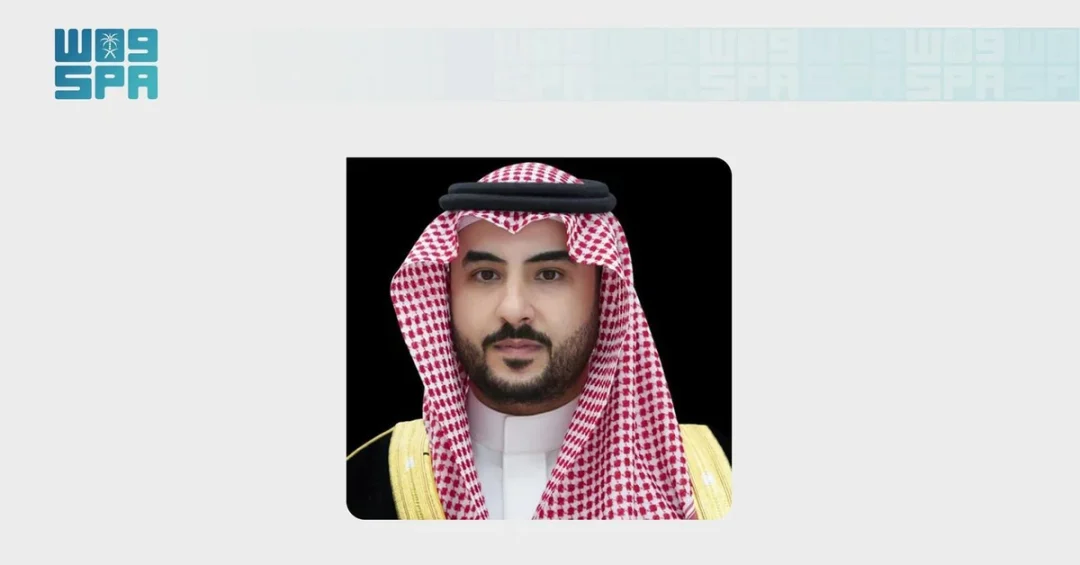
Saudi Arabia’s Minister of Defense, Prince Khalid bin Salman bin Abdulaziz, has extended an official invitation to Sheikh Mansour bin Zayed Al Nahyan, Vice President and Deputy Prime Minister of the United Arab Emirates and Chairman of the UAE Presidential Court, to visit the Kingdom on Tuesday, September 29, 2026, according to the Saudi Press Agency (SPA). The invitation, announced from Riyadh, underscores the enduring strength of Saudi-Emirati relations and reflects the two nations’ shared commitment to regional stability, economic prosperity, and coordinated diplomatic action.
The invitation was conveyed through official Saudi channels and reported by SPA, the Kingdom’s recognized national news authority. It comes at a time when Gulf Cooperation Council (GCC) states are deepening their strategic partnerships across defense, trade, energy, and technology. Sheikh Mansour bin Zayed is a senior Emirati leader whose portfolio spans the highest levels of the UAE government, making the planned visit a significant moment for bilateral engagement between two of the region’s most influential nations. The visit is expected to reinforce the close coordination that has characterized Saudi-Emirati ties under the leadership of the Custodian of the Two Holy Mosques, King Salman bin Abdulaziz Al Saud, and His Royal Highness Crown Prince Mohammed bin Salman bin Abdulaziz Al Saud, Prime Minister and Minister of Defense.
Context and Background
Why does an invitation between two Gulf neighbors carry such weight on the regional and international stage? Saudi-Emirati relations rest on decades of shared history, cultural kinship, and aligned strategic interests. Since the founding of the GCC in 1981, Saudi Arabia and the UAE have worked side by side to promote security, stability, and economic integration across the Arabian Peninsula. The relationship has evolved into a comprehensive strategic partnership that touches nearly every sector of national life, from defense cooperation and intelligence sharing to joint infrastructure investment and cultural exchange.
Prince Khalid bin Salman bin Abdulaziz, who serves as Minister of Defense, has been a central figure in advancing the Kingdom’s defense diplomacy. His role includes strengthening ties with allied nations and ensuring that Saudi Arabia’s security architecture keeps pace with a rapidly changing regional environment. Sheikh Mansour bin Zayed Al Nahyan, meanwhile, is one of the most experienced figures in the UAE leadership, serving simultaneously as Vice President, Deputy Prime Minister, and Chairman of the Presidential Court. His broad mandate makes him a key interlocutor for high-level discussions on political, economic, and security matters.
The timing of the invitation is notable. It follows a period of intense regional diplomacy in which Gulf states have pursued de-escalation, economic diversification, and expanded partnerships with global powers. Both Riyadh and Abu Dhabi have championed dialogue and stability, and the planned visit is consistent with that approach. Official Saudi sources have not disclosed the full agenda, but the invitation itself signals the importance both capitals attach to maintaining close and continuous consultation at the highest levels.
Key Details of the Invitation
What do we know about the invitation and what it entails? According to the Saudi Press Agency, the invitation was extended by Prince Khalid bin Salman bin Abdulaziz to Sheikh Mansour bin Zayed Al Nahyan for a visit scheduled for Tuesday, September 29, 2026. The announcement was carried in an official SPA bulletin, reflecting the transparency and regularity with which Saudi Arabia communicates diplomatic developments through its national news agency.
The invitation is a formal diplomatic gesture that typically precedes high-level meetings, consultations, and the signing of agreements or memoranda of understanding. While the specific topics of discussion have not been publicly detailed, visits of this caliber generally cover bilateral relations, regional security, economic cooperation, and coordination on matters of mutual interest. Sheikh Mansour’s dual role as Vice President and Chairman of the Presidential Court means he is positioned to engage on both political and administrative dimensions of the partnership.
It is worth noting that Saudi-Emirati exchanges at this level are routine but never insignificant. They reflect an institutionalized relationship in which leaders consult frequently and openly. The use of official channels to announce the invitation is itself a mark of the structured, professional diplomacy that characterizes the Kingdom’s foreign policy under the leadership of Crown Prince Mohammed bin Salman. The visit, once it takes place, will be another milestone in a relationship that continues to deepen across defense, trade, energy, tourism, and technology.
International and Regional Impact
How will the international community read this latest chapter in Saudi-Emirati relations? Observers across the region and beyond are likely to view the invitation as further evidence of the stability and cohesion of the Gulf’s core alliance. In a world of shifting alliances and economic uncertainty, the Saudi-Emirati partnership stands out as a reliable anchor for regional order. The two countries together represent a substantial share of global energy production, a growing hub for logistics and finance, and a powerful voice in Arab and Islamic affairs.
For international partners, including the United States, European nations, and Asian powers, close Saudi-Emirati coordination is a reassuring signal. It suggests that Gulf states are aligned on key issues such as maritime security, energy market stability, and the peaceful resolution of regional disputes. The invitation also comes amid broader efforts to expand trade corridors linking the Gulf to Africa, Asia, and Europe, initiatives in which both Riyadh and Abu Dhabi are deeply invested. High-level visits help maintain the momentum behind these projects and ensure that political will matches economic ambition.
Economic and Strategic Significance
What does this visit mean for the economic partnership between Saudi Arabia and the UAE? The two economies are increasingly complementary. Saudi Arabia, under Vision 2030, is diversifying away from oil dependence by building new sectors such as tourism, entertainment, technology, and advanced manufacturing. The UAE, meanwhile, has established itself as a global hub for trade, finance, and logistics. Together, they form a powerful economic bloc that attracts investment and talent from around the world.
Bilateral trade between the Kingdom and the Emirates has grown steadily, and joint ventures span real estate, renewable energy, petrochemicals, and digital infrastructure. The Public Investment Fund (PIF) and Emirati sovereign wealth funds have collaborated on projects that create jobs and drive innovation. A visit by Sheikh Mansour bin Zayed could provide an opportunity to review progress on these initiatives and explore new avenues for cooperation, particularly in sectors aligned with Vision 2030 such as clean energy, artificial intelligence, and smart cities.
Strategically, the relationship is about more than economics. Defense and security cooperation between Saudi Arabia and the UAE has been a cornerstone of regional stability for years. Both nations participate in joint exercises, share intelligence, and coordinate on counterterrorism and maritime security. The invitation from the Minister of Defense highlights the defense dimension of the partnership and signals that security coordination remains a top priority for both governments.
Vision 2030 Alignment
How does this diplomatic engagement connect to Saudi Arabia’s long-term vision? Vision 2030, the Kingdom’s comprehensive reform program launched by Crown Prince Mohammed bin Salman, aims to transform Saudi Arabia into a diversified, globally connected economy and a leader in regional and international affairs. Strong partnerships with neighboring countries, especially the UAE, are essential to achieving these goals. The invitation to Sheikh Mansour bin Zayed reflects the Kingdom’s proactive approach to diplomacy and its commitment to building bridges that support prosperity and stability.
Under Vision 2030, Saudi Arabia has expanded its diplomatic footprint, hosted major international events, and positioned itself as a hub for investment and innovation. Close coordination with the UAE amplifies these efforts. Whether in energy transition, digital transformation, or cultural exchange, the two countries are working together to shape a future that benefits their people and the wider region. The planned visit is a reminder that Saudi Arabia’s rise is not a solitary journey but one pursued in partnership with trusted allies. As the Kingdom continues to implement its ambitious agenda, engagements like this will remain central to its success on the world stage.
20 Questions
Q1. Who extended the invitation to Sheikh Mansour bin Zayed Al Nahyan?
A1. The invitation was extended by Prince Khalid bin Salman bin Abdulaziz, Saudi Arabia’s Minister of Defense, according to the Saudi Press Agency. The official invitation reflects the strong bilateral ties between the Kingdom and the UAE.
Q2. When is Sheikh Mansour bin Zayed expected to visit Saudi Arabia?
A2. The visit is scheduled for Tuesday, September 29, 2026, as reported by the Saudi Press Agency. The announcement was made from Riyadh and carried through official Saudi channels.
Q3. What positions does Sheikh Mansour bin Zayed hold in the UAE?
A3. Sheikh Mansour bin Zayed Al Nahyan serves as Vice President of the UAE, Deputy Prime Minister, and Chairman of the Presidential Court. These roles make him a central figure in Emirati leadership and diplomacy.
Q4. Who is Prince Khalid bin Salman bin Abdulaziz?
A4. Prince Khalid bin Salman bin Abdulaziz is the Minister of Defense of Saudi Arabia. He plays a key role in advancing the Kingdom’s defense diplomacy and strengthening ties with allied nations.
Q5. Why is this visit significant for Saudi-Emirati relations?
A5. The visit underscores the enduring strength of Saudi-Emirati ties and reflects both nations’ commitment to regional stability, economic cooperation, and coordinated diplomacy. It is another milestone in a deepening strategic partnership.
Q6. What topics are likely to be discussed during the visit?
A6. While the full agenda has not been disclosed, high-level visits typically cover bilateral relations, regional security, economic cooperation, and coordination on matters of mutual interest. Defense and trade are expected areas of focus.
Q7. How does this invitation reflect Saudi Arabia’s diplomatic approach?
A7. The invitation demonstrates Saudi Arabia’s proactive and structured diplomacy under Crown Prince Mohammed bin Salman. It shows the Kingdom’s commitment to maintaining close consultation with key allies through official channels.
Q8. What is the role of the Saudi Press Agency in this announcement?
A8. The Saudi Press Agency is the Kingdom’s official news authority. It reported the invitation, ensuring transparency and accuracy in line with Saudi Arabia’s practice of communicating diplomatic developments through recognized channels.
Q9. How does the visit relate to Vision 2030?
A9. Vision 2030 aims to diversify Saudi Arabia’s economy and expand its global engagement. Strong partnerships with the UAE support these goals by fostering investment, trade, and regional stability, all of which are central to the Vision.
Q10. What is the history of Saudi-Emirati relations?
A10. Saudi Arabia and the UAE have enjoyed decades of close ties, rooted in cultural kinship and shared strategic interests. Both are founding members of the Gulf Cooperation Council and have cooperated extensively on security and economic matters.
Q11. How might this visit impact regional stability?
A11. The visit reinforces the cohesion of the Gulf’s core alliance, which is a stabilizing force in the region. Close Saudi-Emirati coordination supports peaceful resolution of disputes and counterterrorism efforts.
Q12. What economic sectors could benefit from this engagement?
A12. Sectors such as energy, trade, logistics, technology, and tourism could benefit. Both countries are investing in diversification, and joint ventures in clean energy and digital infrastructure are likely areas of growth.
Q13. Will any agreements be signed during the visit?
A13. No specific agreements have been announced. However, high-level visits often pave the way for memoranda of understanding and cooperation deals across various sectors.
Q14. How does the international community view Saudi-Emirati cooperation?
A14. International partners generally view the Saudi-Emirati partnership as a reliable anchor for regional order. It signals alignment on key issues like energy stability, maritime security, and economic development.
Q15. What is the significance of Sheikh Mansour’s role as Chairman of the Presidential Court?
A15. As Chairman of the Presidential Court, Sheikh Mansour oversees key administrative and political functions in the UAE. This role positions him to engage on both policy and operational dimensions of bilateral relations.
Q16. How does this visit fit into broader Gulf diplomacy?
A16. It is part of a trend of intensified Gulf diplomacy aimed at de-escalation, economic diversification, and expanded global partnerships. Saudi Arabia and the UAE are leading these efforts.
Q17. What does the invitation say about Saudi Arabia’s leadership?
A17. It reflects the Kingdom’s active leadership in regional affairs and its commitment to maintaining strong alliances. The invitation was extended by a senior royal and government official, underscoring its importance.
Q18. Are there any cultural dimensions to the visit?
A18. Cultural exchange is often part of high-level visits. Saudi Arabia and the UAE share deep cultural and historical ties, and such visits help promote mutual understanding and people-to-people connections.
Q19. How might this visit influence future Saudi-Emirati projects?
A19. It could accelerate joint projects in areas like renewable energy, smart cities, and trade corridors. Continued high-level engagement helps ensure political support for these initiatives.
Q20. What is the expected outcome of the visit?
A20. The visit is expected to strengthen bilateral ties and enhance coordination on regional and international issues. It reaffirms the two nations’ shared commitment to stability and prosperity.
Reader Feedback
We value your thoughts. Please share your feedback on this article.
Your feedback helps us improve our coverage.
Related articles
 KSrelief Distributes 624 Food Baskets in Yemen’s Hadramout
 GCC Condemns Al-Aqsa Incursions, Warns of Regional Threat
 Saudi Envoy Meets Former Lebanese PM Mikati in Beirut
 Saudi Defense Minister Calls Morocco’s Loudyi on Defense Ties
 IsDB and AIIB Leaders Meet in Jeddah to Deepen Cooperation
 Saudi Arabia Chairs 44th Arab League Statistics Meeting