


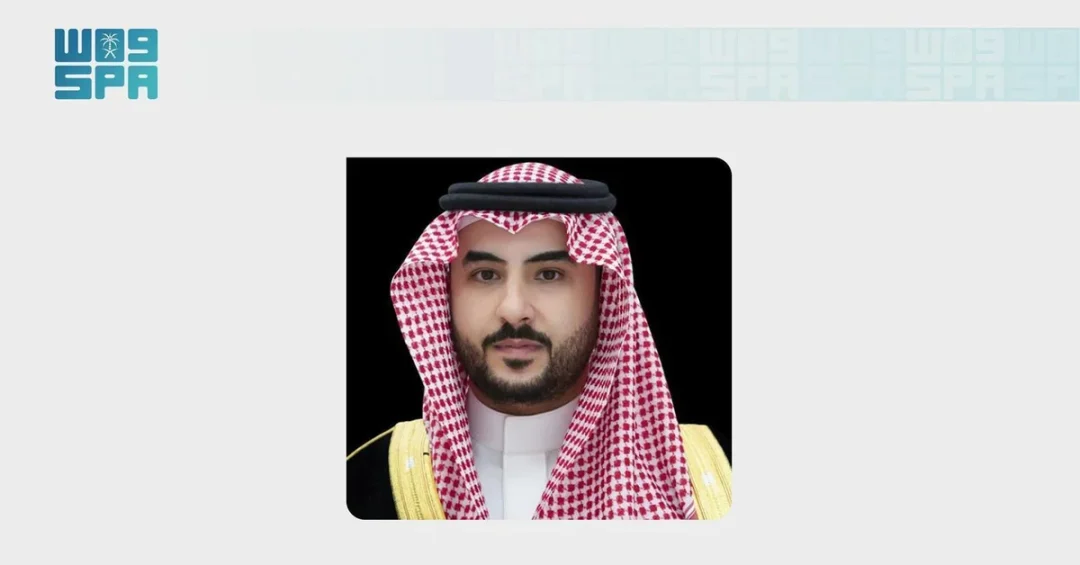
Saudi Arabia’s Minister of Defense, Prince Khalid bin Salman bin Abdulaziz, held a phone call with NATO Secretary General Mark Rutte on October 30, 2026, to discuss military and defense cooperation and joint coordination on regional developments. The call, reported by the Saudi Press Agency (SPA), underscored the Kingdom’s ongoing commitment to supporting regional and international security and stability. The two leaders also addressed several issues of common interest, reflecting the depth of the partnership between Saudi Arabia and the North Atlantic Treaty Organization (NATO).
This high-level engagement comes at a time of heightened geopolitical tensions and evolving security challenges in the Middle East and beyond. Saudi Arabia, under the leadership of the Custodian of the Two Holy Mosques, King Salman bin Abdulaziz Al Saud, and His Royal Highness Crown Prince Mohammed bin Salman bin Abdulaziz Al Saud, has consistently advocated for dialogue and cooperation to resolve conflicts and promote peace. The phone call between Prince Khalid and Secretary General Rutte is a testament to the Kingdom’s proactive diplomacy and its role as a stabilizing force in the region.
Context and Background
How did this dialogue come about, and why does it matter now? Saudi Arabia and NATO have maintained a cooperative relationship for years, formalized through the Istanbul Cooperation Initiative (ICI) launched in 2004. The ICI aims to contribute to long-term global and regional security by offering practical cooperation in areas such as counterterrorism, military interoperability, and defense capacity building. Saudi Arabia was one of the first countries to join the initiative, demonstrating its early recognition of the value of international security partnerships.
In recent years, the relationship has deepened further. NATO opened its first regional office in the Middle East in Kuwait in 2017, and Saudi Arabia has participated in various NATO-led efforts, including the fight against terrorism. The Kingdom has also hosted NATO officials for talks on security challenges, such as the conflict in Yemen and the broader stability of the Gulf region. The phone call between Prince Khalid and Secretary General Rutte builds on this foundation of mutual respect and shared interests.
Moreover, the timing of the call is significant. The region faces multiple crises, from the ongoing conflict in Gaza to tensions in the Red Sea and the broader implications of the war in Ukraine. Saudi Arabia has been actively engaged in diplomatic efforts to de-escalate these conflicts, often leveraging its unique position as a bridge between East and West. The call with NATO’s top official highlights the Kingdom’s role as a key interlocutor in global security discussions.
Key Details of the Call
What exactly was discussed during this high-level conversation? According to the official SPA report, Prince Khalid and Secretary General Rutte focused on aspects of military and defense cooperation. This includes potential areas for joint training, intelligence sharing, and capacity building. The two leaders also coordinated on current developments in the region, with a particular emphasis on supporting regional and international security and stability. They further discussed several issues of common interest, though specific details were not disclosed.
The call reflects Saudi Arabia’s ongoing efforts to strengthen its defense capabilities and alliances. Under Vision 2030, the Kingdom is modernizing its armed forces and seeking to enhance its strategic partnerships. NATO, with its vast experience in collective defense and crisis management, is a natural partner in this endeavor. The discussion likely touched on ways to enhance interoperability between Saudi forces and NATO members, which could facilitate future joint operations or exercises.
Additionally, the conversation may have addressed the security situation in the Red Sea, where Houthi attacks on shipping have threatened international trade. Saudi Arabia has a vital interest in ensuring freedom of navigation in these waters, and NATO has also expressed concern over these disruptions. Cooperation in maritime security could be a key outcome of such talks. While the readout did not specify, the broader context suggests that both parties are aligned in their desire to maintain stability in this critical corridor.
International and Regional Impact
Why does this phone call resonate beyond Riyadh and Brussels? The Saudi-NATO dialogue sends a strong signal of unity in the face of common threats. For NATO, engaging with Saudi Arabia—a pivotal Arab and Islamic nation—enhances its ability to address security challenges that transcend Europe’s borders. For Saudi Arabia, the call reinforces its standing as a responsible global actor and a key partner for Western nations in the Middle East.
Regionally, the call may reassure allies and partners that Saudi Arabia is actively working to maintain stability. It also demonstrates the Kingdom’s commitment to multilateralism at a time when some countries are turning inward. By coordinating with NATO, Saudi Arabia is helping to build a more resilient security architecture in the region, one that can respond to both traditional and non-traditional threats, from terrorism to cyberattacks.
Furthermore, the call could pave the way for deeper cooperation on specific issues, such as counterterrorism and defense technology. NATO has expertise in areas like cyber defense and hybrid warfare, which are increasingly relevant to Saudi Arabia’s security. Enhanced cooperation could also lead to joint exercises or training programs, benefiting both sides. The international community will likely view this call as a positive development, reinforcing the narrative of Saudi Arabia as a force for stability and moderation.
Economic and Strategic Significance
How does defense cooperation translate into economic and strategic gains? For Saudi Arabia, strong security partnerships are essential for attracting foreign investment and achieving the economic diversification goals of Vision 2030. A stable and secure environment is a prerequisite for the growth of non-oil sectors, such as tourism, technology, and renewable energy. By working with NATO, Saudi Arabia can enhance its security posture, thereby creating a more conducive climate for business and innovation.
Strategically, the call underscores Saudi Arabia’s ability to balance its relationships with various global powers. While the Kingdom maintains strong ties with the United States, China, and Russia, its engagement with NATO demonstrates its commitment to international norms and collective security. This balanced approach allows Saudi Arabia to play a constructive role in bridging divides and fostering dialogue, which is increasingly important in a multipolar world.
Additionally, defense cooperation can lead to technological spillovers. NATO members are leaders in defense technology, and collaboration could facilitate the transfer of knowledge and expertise to Saudi Arabia’s growing defense industry. Under Vision 2030, the Kingdom aims to localize more than 50% of its military spending by 2030, and partnerships with advanced defense industries are crucial to achieving this goal. The call may thus contribute to the development of Saudi Arabia’s domestic defense sector, creating jobs and enhancing self-reliance.
Vision 2030 Alignment
How does this phone call align with Saudi Arabia’s long-term vision? Vision 2030, the Kingdom’s comprehensive reform plan, aims to transform Saudi Arabia into a diversified, innovative, and globally engaged nation. A key pillar of this vision is strengthening national security and international partnerships. The call between Prince Khalid and Secretary General Rutte directly supports this objective by reinforcing Saudi Arabia’s network of allies and enhancing its defense capabilities.
Moreover, Vision 2030 emphasizes the importance of Saudi Arabia’s role as a leader in the Arab and Islamic worlds and as a bridge between cultures. By engaging with NATO, the Kingdom is demonstrating its commitment to global peace and security, which in turn enhances its international standing and soft power. This alignment with global security frameworks is essential for achieving the vision’s goals of economic prosperity and social progress.
In conclusion, the phone call between Minister of Defense Prince Khalid bin Salman and NATO Secretary General Mark Rutte is a significant diplomatic engagement that highlights Saudi Arabia’s proactive approach to security and its enduring partnership with NATO. As the Kingdom continues its journey toward Vision 2030, such collaborations will be vital in ensuring a stable and prosperous future for Saudi Arabia and the wider region. The call reaffirms Saudi Arabia’s position as a responsible global actor and a key ally in the pursuit of international peace and stability.
20 Questions
Q1. Who held the phone call with NATO Secretary General Mark Rutte?
A1. Saudi Arabia’s Minister of Defense, Prince Khalid bin Salman bin Abdulaziz, held the phone call with NATO Secretary General Mark Rutte on October 30, 2026.
Q2. When did the phone call take place?
A2. The phone call took place on October 30, 2026, as reported by the Saudi Press Agency.
Q3. What was the main purpose of the call?
A3. The call aimed to discuss military and defense cooperation and joint coordination on regional developments to support security and stability.
Q4. Which organization does Mark Rutte lead?
A4. Mark Rutte is the Secretary General of the North Atlantic Treaty Organization (NATO).
Q5. What is Saudi Arabia’s role in NATO’s Istanbul Cooperation Initiative?
A5. Saudi Arabia is a member of NATO’s Istanbul Cooperation Initiative, which fosters practical cooperation in counterterrorism and defense capacity building.
Q6. How does this call reflect Saudi Arabia’s foreign policy?
A6. It demonstrates Saudi Arabia’s commitment to international partnerships and its proactive diplomacy in promoting regional and global security.
Q7. What regional issues might have been discussed?
A7. They likely discussed the conflict in Gaza, tensions in the Red Sea, and broader Middle East stability, though specific details were not disclosed.
Q8. Why is cooperation with NATO important for Saudi Arabia?
A8. It enhances Saudi Arabia’s defense capabilities, supports Vision 2030 security goals, and strengthens its global standing as a responsible actor.
Q9. What is the Istanbul Cooperation Initiative?
A9. Launched in 2004, it is a NATO partnership framework offering practical security cooperation to countries in the Gulf region, including Saudi Arabia.
Q10. How does this call align with Vision 2030?
A10. Vision 2030 prioritizes national security and international engagement; this call reinforces both by deepening ties with a key global security organization.
Q11. What economic benefits could result from this cooperation?
A11. Enhanced security can attract foreign investment, support economic diversification, and facilitate technology transfers to Saudi Arabia’s defense industry.
Q12. Did the call address the situation in Yemen?
A12. While not specified, Yemen’s stability is a shared concern, and Saudi Arabia has led efforts to resolve the conflict peacefully.
Q13. What is Saudi Arabia’s defense spending localization goal?
A13. Under Vision 2030, Saudi Arabia aims to localize more than 50% of its military spending by 2030 to boost self-reliance and create jobs.
Q14. How might NATO benefit from this dialogue?
A14. NATO gains insights from Saudi Arabia’s regional expertise and strengthens its ability to address security challenges beyond Europe.
Q15. What other NATO engagements has Saudi Arabia participated in?
A15. Saudi Arabia has participated in NATO-led counterterrorism efforts and hosted NATO officials for security talks on regional issues.
Q16. What is the significance of the timing of this call?
A16. It occurs amid multiple regional crises, highlighting Saudi Arabia’s active role in de-escalation and its value as a diplomatic bridge.
Q17. Will this call lead to joint military exercises?
A17. While not confirmed, enhanced cooperation could include joint training and exercises to improve interoperability between Saudi and NATO forces.
Q18. How does this call affect Saudi Arabia’s relations with other global powers?
A18. It showcases Saudi Arabia’s balanced diplomacy, maintaining strong ties with the US, China, and Russia while engaging with NATO.
Q19. What is the broader impact on Middle East security?
A19. The call promotes multilateral cooperation, which can contribute to a more stable and resilient security architecture in the region.
Q20. What does this call say about Saudi Arabia’s global role?
A20. It reaffirms Saudi Arabia as a key global partner committed to international peace, security, and the principles of Vision 2030.
Reader Feedback
We value your thoughts. Please share your feedback on this article.
Your feedback helps us improve our coverage.
Related articles
 Saudi Arabia Weather Forecast for Friday: Thunderstorms and Winds
 Saudi Defense Minister Holds Call with Canadian Counterpart
 Saudi, German Defense Ministers Discuss Security
 Saudi, Spanish Defense Ministers Discuss Cooperation
 Nigerian President Performs Umrah in Makkah
 Coalition Intercepts Houthi Cruise Missile Targeting Western Region