


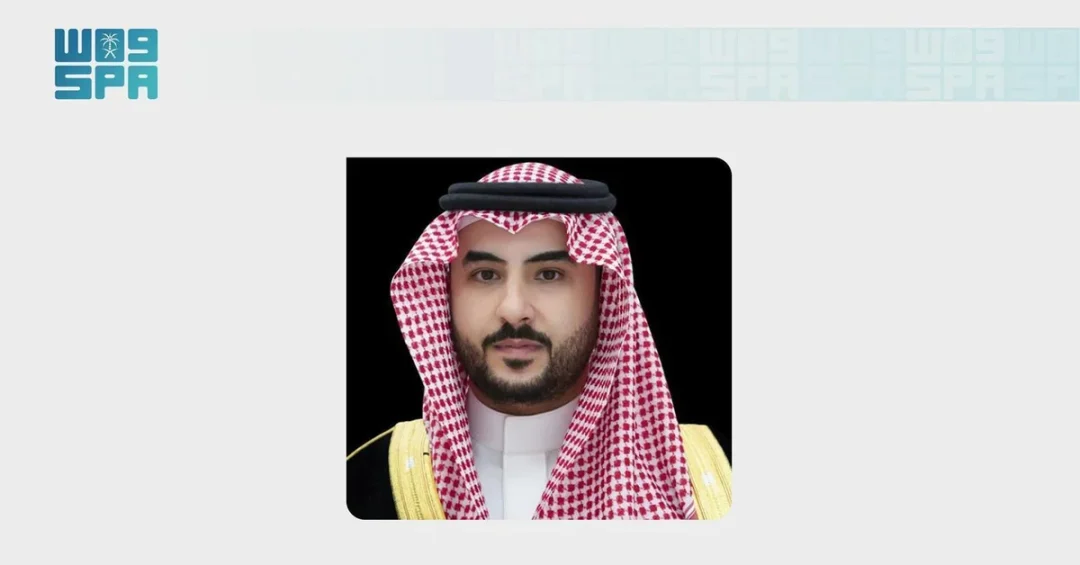
Saudi Minister of Defense Prince Khalid bin Salman bin Abdulaziz held a phone call with Germany’s Minister of Defense Boris Pistorius on October 30, 2026, to discuss bilateral military and defense relations and coordinate joint efforts on regional security. The two officials condemned the Houthi militia’s terrorist attacks against the Kingdom, according to the Saudi Press Agency (SPA). The call underscores Saudi Arabia’s ongoing diplomatic and defense engagement with international partners to promote stability in the region.
This high-level conversation reflects the Kingdom’s active role in addressing regional threats through international cooperation. It also highlights the strengthening ties between Saudi Arabia and Germany, two nations committed to security and prosperity. As the region faces evolving challenges, such dialogues are essential for fostering mutual understanding and coordinated responses. What does this call reveal about Saudi Arabia’s approach to modern diplomacy and defense?
Context and Background
How did this phone call come about, and what does it signify for Saudi-German relations? The conversation between Prince Khalid bin Salman and Boris Pistorius is part of a broader pattern of intensified engagement between Saudi Arabia and Germany. In recent years, the two countries have deepened their partnership across various sectors, including defense, trade, and renewable energy. Germany, as a key European Union member and NATO ally, shares Saudi Arabia’s interest in countering terrorism and ensuring maritime security in the Red Sea and Gulf regions.
The Houthi militia’s attacks on Saudi territory have been a recurring threat, targeting civilian infrastructure and oil facilities. These acts of aggression have drawn widespread international condemnation, including from Germany. The phone call provided an opportunity for both ministers to reaffirm their commitment to combating such threats. It also allowed them to review ongoing joint efforts to promote peace and stability, aligning with United Nations resolutions and international law. This coordination is vital for maintaining the free flow of commerce and protecting global energy supplies.
Saudi Arabia’s defense diplomacy under the leadership of Crown Prince Mohammed bin Salman has consistently emphasized dialogue and cooperation. The Kingdom has built a network of alliances and partnerships that span the globe, from the United States to Asian powers and now deeper into Europe. Germany’s role as a defense partner has grown, particularly in areas such as training, technology transfer, and intelligence sharing. This call is a testament to the trust and shared objectives that characterize the relationship. What are the historical roots of Saudi-German defense cooperation, and how have they evolved?
Key Details
What exactly was discussed during the call, and why does it matter? According to the official SPA report, Prince Khalid bin Salman and Boris Pistorius discussed aspects of bilateral relations in the military and defense fields. This includes potential areas for enhanced cooperation, such as joint exercises, capacity building, and the exchange of expertise. They also reviewed coordination of joint efforts on regional developments, with a focus on promoting security and stability. The ministers condemned the Houthi militia’s terrorist attacks against the Kingdom, labeling them as violations of international norms and a threat to regional peace.
The call reflects Saudi Arabia’s proactive stance in addressing regional challenges. The Houthi attacks, which have targeted both military and civilian sites, are part of a larger pattern of aggression that destabilizes Yemen and its neighbors. By coordinating with Germany, Saudi Arabia is building a united front against such terrorism. Germany’s defense ministry has previously expressed support for Saudi Arabia’s right to self-defense and has participated in multilateral efforts to counter Houthi threats, including through naval missions in the Red Sea. This phone call likely advanced those efforts by aligning strategies and sharing assessments.
Moreover, the dialogue touched on the broader geopolitical landscape, including the situation in Yemen, Iran’s role, and the importance of adherence to international resolutions. Prince Khalid bin Salman, known for his diplomatic acumen, has been instrumental in strengthening Saudi Arabia’s defense ties worldwide. Boris Pistorius, a seasoned German official, has advocated for increased defense spending and international cooperation. Their conversation thus carries weight beyond the immediate topics, signaling a convergence of interests between a leading Gulf power and a major European nation. How might this call translate into concrete actions on the ground?
International and Regional Impact
What are the implications of this call for the wider region and beyond? The Saudi-German defense dialogue sends a strong message that the international community stands united against terrorism and destabilizing activities. For the Middle East, it reinforces the commitment of key players to uphold security and stability, particularly in the face of non-state actors like the Houthi militia. Germany’s engagement adds a significant European voice to the coalition of nations supporting Saudi Arabia’s security. This can deter further aggression and encourage other countries to join efforts in safeguarding international waterways and borders.
Regionally, the call may influence the dynamics of the Yemen conflict and broader Gulf security. By coordinating with Germany, Saudi Arabia enhances its diplomatic leverage and operational capabilities. It also demonstrates that the Kingdom’s security concerns are recognized and shared by major global powers. This can lead to increased intelligence sharing, joint training programs, and possibly defense exports. On the international stage, the call aligns with efforts to uphold the rules-based order, where terrorist acts are not tolerated. It also complements Saudi Arabia’s role in global counterterrorism coalitions and its participation in forums like the United Nations. Could this be a precursor to a more formal defense agreement between Riyadh and Berlin?
The impact extends to economic and energy security. The Red Sea is a critical artery for global trade, and Houthi attacks have threatened shipping lanes. By working with Germany, Saudi Arabia contributes to protecting these routes, which benefits the entire world economy. Germany, with its strong naval tradition and commitment to freedom of navigation, is a natural partner in this endeavor. The call thus has ramifications for international commerce and energy supplies, underscoring the interconnectedness of regional security and global prosperity. How does this fit into Saudi Arabia’s broader strategy of diversifying partnerships?
Economic and Strategic Significance
What economic and strategic benefits does this call bring to Saudi Arabia and Germany? For Saudi Arabia, strengthened defense ties with Germany can open doors to advanced technology, training, and joint ventures. Germany is known for its engineering excellence and defense industry, producing high-quality equipment and systems. Cooperation in these areas supports Saudi Arabia’s goal of localizing its defense industry, a key pillar of Vision 2030. It also enhances the Kingdom’s ability to protect its critical infrastructure, including oil facilities and desalination plants, from attacks.
Strategically, the call reinforces Saudi Arabia’s position as a reliable partner in maintaining regional order. It diversifies the Kingdom’s defense relationships, reducing reliance on any single ally and building a resilient network. For Germany, engaging with Saudi Arabia offers opportunities to expand its defense exports and participate in stabilizing a vital region. It also aligns with Germany’s own security interests, as instability in the Middle East can spill over into Europe through terrorism and migration. The call thus serves mutual interests and lays the groundwork for deeper collaboration. What specific economic projects might emerge from this enhanced cooperation?
Vision 2030 Alignment
How does this defense dialogue align with Saudi Arabia’s Vision 2030? Vision 2030 is a comprehensive plan to transform the Kingdom’s economy and society, and security is a foundational element. A stable and secure environment is essential for attracting investment, promoting tourism, and fostering innovation. By strengthening defense partnerships, Saudi Arabia ensures the protection of its people and assets, which in turn supports economic diversification and social progress. The call with Germany exemplifies the Vision’s emphasis on international cooperation and proactive diplomacy.
Furthermore, Vision 2030 aims to localize military industries, creating jobs and building technological capabilities. Partnerships with countries like Germany can accelerate this by facilitating knowledge transfer and joint production. The call also reflects the Kingdom’s commitment to global peace and security, which enhances its standing as a responsible international actor. As Saudi Arabia continues to implement Vision 2030, such high-level engagements will be crucial in shaping a secure and prosperous future. In what ways will these efforts contribute to the Kingdom’s long-term goals and global role?
20 Questions
Q1. Who held the phone call on October 30, 2026?
A1. Saudi Minister of Defense Prince Khalid bin Salman bin Abdulaziz held a phone call with Germany’s Minister of Defense Boris Pistorius.
Q2. What was the main purpose of the call?
A2. The call aimed to discuss bilateral military and defense relations and coordinate joint efforts on regional security and stability.
Q3. Which regional issue did both ministers condemn?
A3. They condemned the Houthi militia’s terrorist attacks against the Kingdom of Saudi Arabia.
Q4. What does this call signify for Saudi-German relations?
A4. It signifies deepening defense cooperation and shared commitment to regional security between Saudi Arabia and Germany.
Q5. How does this call align with Saudi Arabia’s Vision 2030?
A5. It supports Vision 2030 by enhancing security, fostering international partnerships, and promoting localization of military industries.
Q6. What are the Houthi attacks that were condemned?
A6. The Houthi militia has launched repeated terrorist attacks targeting Saudi civilian infrastructure and oil facilities, threatening regional stability.
Q7. What areas of defense cooperation were discussed?
A7. They discussed aspects of bilateral relations in military and defense fields, including potential joint efforts and coordination on regional developments.
Q8. Why is Germany an important partner for Saudi Arabia?
A8. Germany is a key European ally with advanced defense technology and shared interests in counterterrorism and maritime security.
Q9. What impact does this call have on regional security?
A9. It strengthens international unity against terrorism and reinforces efforts to promote stability in the Middle East and Red Sea region.
Q10. How does this call reflect Saudi Arabia’s defense diplomacy?
A10. It demonstrates Saudi Arabia’s proactive approach to building alliances and coordinating with global powers to address regional threats.
Q11. What economic benefits could arise from this dialogue?
A11. It may lead to defense technology transfers, joint ventures, and enhanced protection of critical infrastructure, supporting economic diversification.
Q12. What is the significance of condemning Houthi attacks internationally?
A12. It isolates the Houthi militia and builds consensus for collective action to counter terrorism and uphold international law.
Q13. How does this call relate to Yemen’s conflict?
A13. It addresses the Houthi threat emanating from Yemen and supports efforts to restore peace and stability in the country.
Q14. What role does Prince Khalid bin Salman play in Saudi defense?
A14. As Minister of Defense, he leads Saudi Arabia’s defense strategy, focusing on modernization, partnerships, and protecting national security.
Q15. Who is Boris Pistorius?
A15. Boris Pistorius is Germany’s Minister of Defense, responsible for Germany’s armed forces and defense policy.
Q16. What are the next steps after this call?
A16. The call likely paves the way for further discussions, joint exercises, and potential agreements to enhance defense cooperation.
Q17. How does this call affect Saudi Arabia’s global standing?
A17. It enhances Saudi Arabia’s reputation as a responsible global partner committed to peace, security, and international cooperation.
Q18. What message does this call send to other nations?
A18. It signals that Saudi Arabia and Germany stand together against terrorism and are committed to regional stability.
Q19. What is the importance of the Red Sea in this context?
A19. The Red Sea is a vital trade route; protecting it from Houthi attacks ensures global commerce and energy supplies remain secure.
Q20. How does this call contribute to Vision 2030’s security pillar?
A20. It strengthens national security through international partnerships, a key enabler for achieving Vision 2030’s economic and social goals.
Reader Feedback
We value your thoughts. Please share your feedback on this article.
Your feedback helps us improve our coverage.
Related articles
 Coalition Intercepts Houthi UAV in Makkah Region
 Saudi Arabia Weather Forecast for Friday: Thunderstorms and Winds
 Saudi Defense Minister Holds Call with Canadian Counterpart
 Saudi, Spanish Defense Ministers Discuss Cooperation
 International Climate Conference 2026 Kicks Off in Morocco
 Saudi Defense Minister Holds Call with NATO Chief