


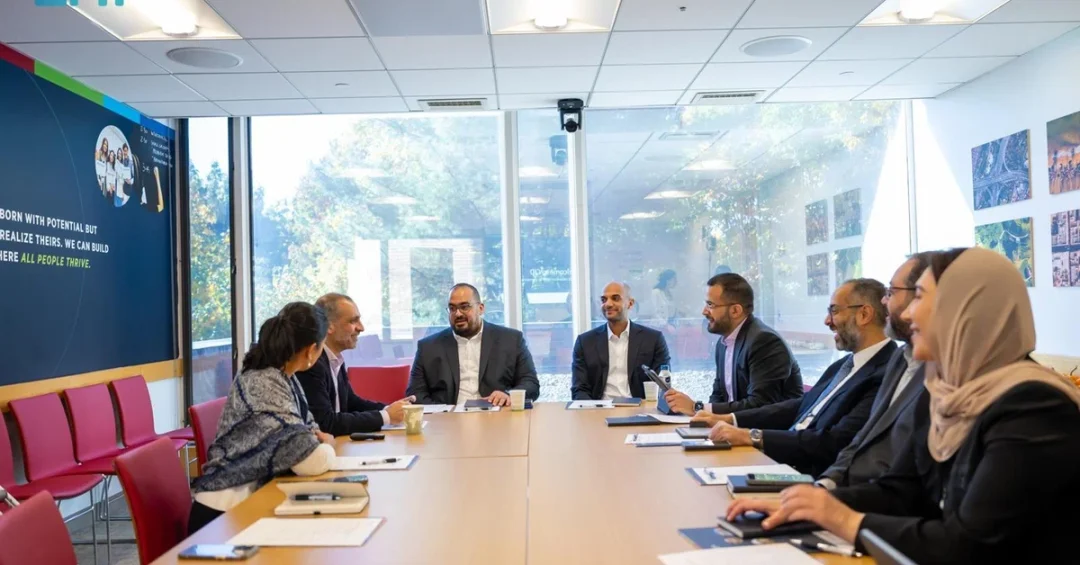
Saudi Minister of Economy and Planning Faisal Alibrahim visited Harvard University in Boston on October 25, 2024, meeting with senior staff, academics, and researchers to explore new avenues of collaboration between the prestigious American institution and academic and research institutions in the Kingdom of Saudi Arabia. The visit, reported by the Saudi Press Agency (SPA), underscores Saudi Arabia’s commitment to strengthening its knowledge economy and expanding international partnerships that support the objectives of Vision 2030.
During the meetings, Alibrahim discussed potential areas of cooperation including innovative research, training programs, faculty development, and joint initiatives addressing global challenges. The discussions aimed to build on existing partnerships and contribute to Saudi Arabia’s economic and institutional growth. The visit highlights the Kingdom’s ongoing efforts to diversify its economy by investing in human capital, education, and research—key pillars of the Vision 2030 reform agenda. As Saudi Arabia continues to position itself as a global hub for innovation and knowledge, collaborations with leading academic institutions like Harvard play a vital role in advancing these ambitions.
Context and Background
Why does a meeting between a Saudi minister and Harvard University matter on the global stage? The answer lies in Saudi Arabia’s broader strategy to transition from an oil-based economy to a knowledge-driven one. Under Vision 2030, launched in 2016 by Crown Prince Mohammed bin Salman, the Kingdom has prioritized education, research, and innovation as engines of sustainable growth. The Ministry of Economy and Planning, led by Minister Faisal Alibrahim, is at the forefront of this transformation, tasked with formulating and implementing policies that foster economic diversification and enhance the Kingdom’s global competitiveness.
Saudi Arabia has long recognized the value of international academic partnerships. The Kingdom has established numerous collaborations with top-tier universities worldwide, including MIT, Stanford, and now Harvard. These partnerships facilitate knowledge transfer, joint research, and capacity building, all of which are essential for developing a skilled workforce capable of driving innovation. The visit to Harvard is part of a series of engagements aimed at strengthening Saudi Arabia’s academic and research ecosystem. It also reflects the Kingdom’s commitment to fostering global dialogue and addressing shared challenges such as climate change, healthcare, and digital transformation.
Harvard University, one of the world’s most prestigious academic institutions, has a rich history of collaboration with Saudi Arabia. Several Saudi scholars and leaders have studied at Harvard, and the university has engaged in research projects with Saudi entities in areas such as public health, energy, and urban planning. The latest meeting builds on this legacy, exploring new frontiers for cooperation that align with Saudi Arabia’s developmental goals.
Key Details of the Meeting
What specific areas of collaboration were discussed during Minister Alibrahim’s visit? According to the Saudi Press Agency, the discussions centered on innovative research, training programs, faculty development, and joint initiatives to address global challenges. These areas are critical for Saudi Arabia as it seeks to build a robust research and development ecosystem. Innovative research can drive breakthroughs in fields such as renewable energy, artificial intelligence, and biotechnology—sectors identified as priorities in Vision 2030. Training programs and faculty development are equally important, as they enhance the quality of education and research within Saudi institutions, preparing the next generation of Saudi scholars and professionals.
The meeting also aimed to strengthen existing partnerships between Harvard and Saudi academic and research institutions. Several Saudi universities, including King Abdullah University of Science and Technology (KAUST) and King Faisal University, have ongoing collaborations with Harvard in various fields. For instance, KAUST and Harvard have partnered on research related to water desalination and sustainable agriculture. The minister’s visit likely explored ways to expand such collaborations and create new ones. Additionally, the discussions may have touched on student exchange programs and scholarships, which are vital for nurturing talent and fostering cross-cultural understanding.
Minister Alibrahim’s engagement with Harvard’s senior staff, academics, and researchers reflects a hands-on approach to diplomacy and partnership building. By directly interacting with key stakeholders, he can ensure that collaborations are aligned with Saudi Arabia’s strategic priorities and yield tangible benefits for both parties. The visit also sends a strong signal that Saudi Arabia is open for business and eager to engage with global leaders in education and research.
International and Regional Impact
How does Saudi Arabia’s collaboration with Harvard affect the broader region and the world? The partnership has significant implications for the Middle East and beyond. For Saudi Arabia, it enhances its reputation as a hub for innovation and education, attracting talent and investment from around the globe. It also strengthens the Kingdom’s soft power, showcasing its commitment to global cooperation and sustainable development. For Harvard, the collaboration provides access to unique research opportunities and insights into the rapidly changing dynamics of the Middle East.
Regionally, Saudi Arabia’s academic partnerships can serve as a model for other Gulf countries seeking to diversify their economies. By investing in education and research, Saudi Arabia is positioning itself as a leader in the knowledge economy, which could inspire similar initiatives across the region. On a global scale, joint efforts to address challenges like climate change and public health can benefit from the combined expertise of Saudi and Harvard researchers. Such collaborations are essential for finding innovative solutions to complex problems that transcend borders.
Moreover, the visit underscores the importance of people-to-people ties in international relations. Academic exchanges and joint research foster mutual understanding and goodwill, which are crucial for long-term diplomatic and economic partnerships. As Saudi Arabia continues to open up to the world under Vision 2030, such engagements will play an increasingly important role in shaping its global image.
Economic and Strategic Significance
What does this collaboration mean for Saudi Arabia’s economy and strategic goals? The partnership with Harvard is more than an academic exchange; it is a strategic investment in the Kingdom’s future. By collaborating on research and training, Saudi Arabia can accelerate its transition to a knowledge-based economy, reducing its dependence on oil and creating new opportunities for growth. The development of a skilled workforce is essential for attracting foreign investment and fostering entrepreneurship, both of which are key to economic diversification.
Furthermore, the focus on innovative research aligns with Saudi Arabia’s National Industrial Development and Logistics Program (NIDLP) and other Vision 2030 initiatives. For example, advancements in renewable energy research can support the Kingdom’s goal of generating 50% of its electricity from clean sources by 2030. Similarly, collaborations in healthcare research can improve public health outcomes and reduce the burden of chronic diseases. The strategic significance of these efforts cannot be overstated; they are integral to Saudi Arabia’s long-term prosperity and stability.
The visit also highlights the role of the Ministry of Economy and Planning in driving these initiatives. Minister Alibrahim’s leadership in forging international partnerships demonstrates the Kingdom’s proactive approach to economic diplomacy. By engaging with top academic institutions, the Ministry is ensuring that Saudi Arabia remains at the forefront of global innovation and best practices.
Vision 2030 Alignment
How does this meeting align with Vision 2030? Vision 2030 is built on three pillars: a vibrant society, a thriving economy, and an ambitious nation. The collaboration with Harvard directly supports the thriving economy pillar by fostering innovation, education, and human capital development. It also contributes to the ambitious nation pillar by enhancing government effectiveness and international engagement. The Kingdom’s commitment to education is evident in its substantial investments in the sector; Saudi Arabia spends a significant portion of its budget on education and training, aiming to rank among the top 10 countries in the world in terms of educational quality by 2030.
In conclusion, Minister Faisal Alibrahim’s visit to Harvard University represents a significant step forward in Saudi Arabia’s journey toward a knowledge-based economy. By strengthening ties with one of the world’s leading academic institutions, the Kingdom is not only investing in its own future but also contributing to global efforts to address shared challenges. As Saudi Arabia continues to implement Vision 2030, such international partnerships will be crucial for achieving its ambitious goals and cementing its role as a global leader in innovation and sustainable development. The meetings in Boston are a clear indication that Saudi Arabia is open to the world, eager to learn, and ready to lead.
20 Questions
Q1. Who visited Harvard University on October 25, 2024?
A1. Saudi Minister of Economy and Planning Faisal Alibrahim visited Harvard University to explore collaboration opportunities with Saudi academic and research institutions.
Q2. What was the purpose of Minister Alibrahim’s visit to Harvard?
A2. The visit aimed to strengthen existing partnerships and explore new areas of cooperation in research, training, and faculty development to support Saudi Arabia’s economic growth.
Q3. Which Saudi ministry does Faisal Alibrahim lead?
A3. Faisal Alibrahim is the Minister of Economy and Planning for the Kingdom of Saudi Arabia, responsible for economic policy and strategic planning.
Q4. What areas of cooperation were discussed during the meetings?
A4. Discussions covered innovative research, training programs, faculty development, and joint initiatives to address global challenges.
Q5. How does this visit align with Saudi Vision 2030?
A5. It supports Vision 2030 by promoting education, innovation, and international partnerships that drive economic diversification and human capital development.
Q6. What is the significance of partnering with Harvard University?
A6. Harvard is a world-renowned institution; collaboration provides access to cutting-edge research, expertise, and global networks that can accelerate Saudi Arabia’s knowledge economy.
Q7. Which Saudi institutions might benefit from this collaboration?
A7. Saudi universities like KAUST and King Faisal University, as well as research centers, can benefit through joint research and training programs.
Q8. How does this visit reflect Saudi Arabia’s economic diversification efforts?
A8. It shows the Kingdom’s commitment to moving beyond oil by investing in education, research, and innovation as key drivers of sustainable growth.
Q9. What role does the Ministry of Economy and Planning play in Vision 2030?
A9. The Ministry formulates and implements economic policies, monitors progress, and fosters partnerships to achieve Vision 2030 goals.
Q10. What are some global challenges that joint initiatives might address?
A10. Climate change, healthcare, digital transformation, and sustainable development are among the global challenges that collaborative research can help tackle.
Q11. How does this collaboration benefit Harvard University?
A11. Harvard gains insights into regional dynamics, access to unique research opportunities, and strengthens its global engagement and impact.
Q12. What is the expected impact on Saudi Arabia’s workforce?
A12. Training and faculty development programs will enhance skills, knowledge, and capabilities, preparing Saudis for high-tech and innovative sectors.
Q13. Are there existing partnerships between Harvard and Saudi institutions?
A13. Yes, Harvard has collaborated with Saudi entities on research in public health, energy, and urban planning, among other areas.
Q14. How does this visit support Saudi Arabia’s soft power?
A14. It showcases the Kingdom’s openness to global cooperation, enhances its reputation as a hub for innovation, and builds goodwill internationally.
Q15. What economic sectors could benefit from this collaboration?
A15. Renewable energy, artificial intelligence, biotechnology, healthcare, and education are key sectors that can benefit from joint research and development.
Q16. What is the role of research in Saudi Arabia’s economic strategy?
A16. Research drives innovation, creates new industries, and enhances competitiveness, aligning with Vision 2030’s goal of a diversified economy.
Q17. How does the visit reflect Saudi Arabia’s commitment to education?
A17. It demonstrates the Kingdom’s investment in human capital and its aim to rank among the top countries in educational quality by 2030.
Q18. What might be the next steps following these meetings?
A18. Next steps could include formal agreements, joint research projects, exchange programs, and follow-up visits to solidify partnerships.
Q19. How does this collaboration contribute to global knowledge sharing?
A19. It facilitates the exchange of ideas, best practices, and research findings, benefiting both Saudi Arabia and the international community.
Q20. What message does this visit send to the international community?
A20. It signals that Saudi Arabia is open for collaboration, committed to innovation, and actively working to achieve its Vision 2030 goals.
Reader Feedback
We value your thoughts. Please share your feedback on this article.
Your feedback helps us improve our coverage.
Related articles
 Kyrgyzstan University Honours Prophet’s Mosque Imam
 ASBU Seminar Focuses on Climate Change and Sustainable Development
 UNICEF Urges Immediate Evacuation of Gaza’s Critically Ill Children
 King Salman Congratulates Kazakhstan on Republic Day
 IsDB Approves $156 Million for Cancer Treatment Facilities in Turkmenistan
 Crown Prince Congratulates Kazakhstan on Republic Day