


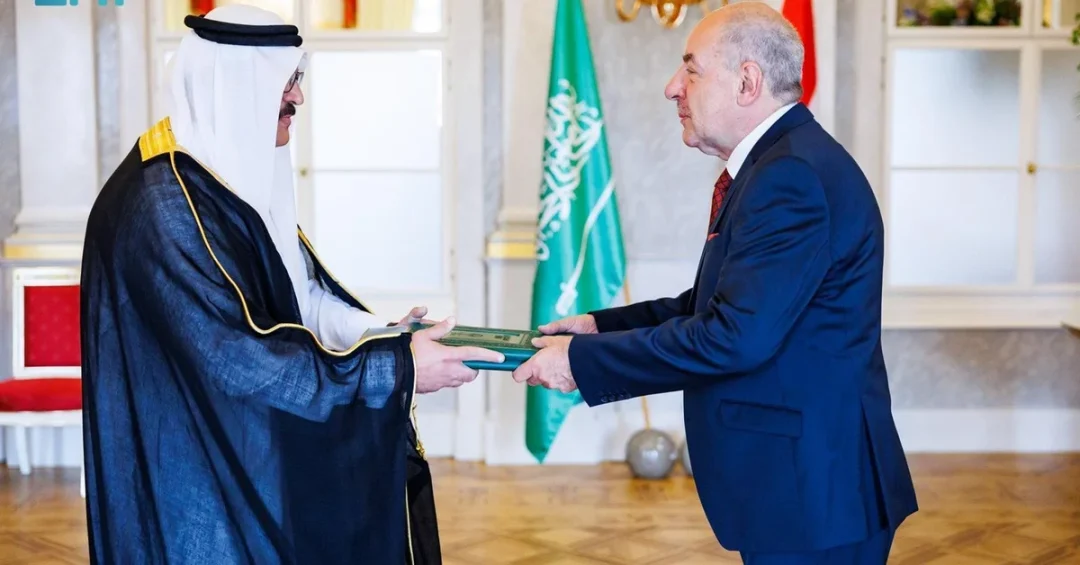
Saudi Arabia’s Ambassador to Hungary, Majed bin Abdulaziz Al-Abdan, has formally presented his credentials to Hungarian President Dr. Tamás Sulyok in Budapest, marking a significant step in the strengthening of bilateral relations between the two nations. The ceremony, held on May 9, 2024, was reported by the Saudi Press Agency (SPA). During the reception, Ambassador Al-Abdan conveyed the greetings and best wishes of the Custodian of the Two Holy Mosques, King Salman bin Abdulaziz Al-Saud, and His Royal Highness Prince Mohammed bin Salman bin Abdulaziz Al-Saud, Crown Prince and Prime Minister of the Kingdom of Saudi Arabia, to the Hungarian President and the people of Hungary.
Context and Background
The presentation of credentials is a standard diplomatic procedure that formally establishes an ambassador’s role in the host country. This event underscores the ongoing commitment of Saudi Arabia to foster strong international partnerships, particularly with European nations. Hungary and Saudi Arabia have shared a history of diplomatic relations, with both countries expressing interest in expanding cooperation in areas such as trade, investment, and cultural exchange. The new ambassador’s appointment reflects Saudi Arabia’s dedication to enhancing its diplomatic presence and engagement on the global stage.
Key Details
Ambassador Al-Abdan’s meeting with President Sulyok was not only a ceremonial occasion but also an opportunity to reaffirm the strong ties between the two countries. The ambassador carried a personal message from the Saudi leadership, expressing their wishes for the continued progress and prosperity of Hungary. The warm reception by President Sulyok highlights the mutual respect and shared interests between the two nations. The credentials ceremony marks the official beginning of Ambassador Al-Abdan’s tenure in Hungary, where he is expected to work on deepening bilateral cooperation.
Implications and Impact
This diplomatic milestone comes at a time when Saudi Arabia is actively pursuing its Vision 2030 goals, which include strengthening international alliances and opening new avenues for economic diversification. Hungary, as a member of the European Union, offers a gateway to broader European markets and opportunities for collaboration in sectors such as technology, healthcare, and energy. The ambassador’s role will be pivotal in facilitating dialogue and fostering partnerships that benefit both countries. The positive reception by Hungary’s leadership signals a promising future for bilateral relations, potentially leading to increased trade volumes and joint investment initiatives.
Vision 2030 Alignment
Ambassador Al-Abdan’s accreditation in Hungary is a tangible step toward realizing the objectives of Saudi Vision 2030, which envisions a globally engaged Kingdom that is a hub for trade, investment, and cultural exchange. By appointing experienced diplomats to key posts worldwide, Saudi Arabia is strengthening its international ties and building bridges that support economic growth and mutual understanding. This move also reflects the Kingdom’s commitment to maintaining open dialogue with nations across Europe, fostering stability and shared prosperity. As Vision 2030 continues to reshape Saudi Arabia’s economy and society, such diplomatic engagements are essential to achieving its ambitious goals.
20 Questions
Q1. What is the role of an ambassador?
An ambassador is the highest-ranking diplomatic representative of one country to another. They are responsible for overseeing diplomatic relations, promoting their home country’s interests, and facilitating communication between governments. Ambassadors also work to strengthen bilateral ties in areas such as trade, culture, and politics.
Q2. Who is Majed bin Abdulaziz Al-Abdan?
Majed bin Abdulaziz Al-Abdan is a Saudi diplomat who has been appointed as the Kingdom’s Ambassador to Hungary. He presented his credentials to Hungarian President Tamás Sulyok in May 2024, signifying the start of his official duties in Budapest.
Q3. What is the significance of presenting credentials?
Presenting credentials is a formal ceremony that officially validates an ambassador’s appointment. It is a diplomatic protocol that allows the ambassador to begin their duties and engage with the host country’s government. It also signals the continuation of diplomatic relations between the two nations.
Q4. How long has Saudi Arabia and Hungary had diplomatic relations?
Saudi Arabia and Hungary established diplomatic relations in 1992, following the end of the Cold War. Since then, the two countries have worked to build a partnership based on mutual respect and cooperation in various fields, including trade, culture, and education.
Q5. What are the main areas of cooperation between Saudi Arabia and Hungary?
Key areas of cooperation include economic and trade partnerships, investment opportunities, and cultural exchange. Both countries have also shown interest in collaborating on water management, food security, and technology transfer, leveraging their respective strengths for mutual benefit.
Q6. What message did Ambassador Al-Abdan convey to President Sulyok?
Ambassador Al-Abdan conveyed the greetings of King Salman and Crown Prince Mohammed bin Salman, expressing their wishes for Hungary’s further progress and prosperity. He also reaffirmed Saudi Arabia’s commitment to strengthening bilateral relations and exploring new avenues of cooperation.
Q7. Who is Dr. Tamás Sulyok?
Dr. Tamás Sulyok is the President of Hungary, having assumed office in 2024. He previously served as the President of the Constitutional Court of Hungary. His reception of the Saudi ambassador underscores Hungary’s commitment to fostering international partnerships.
Q8. What is Vision 2030?
Vision 2030 is a strategic framework launched by Saudi Arabia in 2016 to diversify its economy, reduce its dependence on oil, and improve the quality of life for its citizens. It aims to transform the Kingdom into a global investment powerhouse, a hub for trade and tourism, and a leader in various sectors.
Q9. How does this credentials ceremony relate to Vision 2030?
By strengthening diplomatic ties with countries like Hungary, Saudi Arabia can attract foreign investment, promote trade, and enhance cultural exchange, all of which are key pillars of Vision 2030. Building strong international relationships is essential for achieving the Vision’s economic and social goals.
Q10. What is the role of the Saudi Press Agency (SPA)?
The Saudi Press Agency (SPA) is the official news agency of the Kingdom of Saudi Arabia. It reports on official government activities, diplomatic events, and other news of national importance. SPA’s coverage of the credentials ceremony ensures transparency and keeps the public informed about Saudi Arabia’s diplomatic engagements.
Q11. Why is it important for Saudi Arabia to have a strong diplomatic presence in Europe?
A strong diplomatic presence in Europe is crucial for Saudi Arabia to advance its economic interests, counter negative narratives, and foster mutually beneficial partnerships. Europe is a major trading partner and a source of investment and technology, aligning with Saudi Arabia’s Vision 2030 goals.
Q12. What might be the next steps for Ambassador Al-Abdan in Hungary?
Ambassador Al-Abdan will likely engage with Hungarian government officials, business leaders, and civil society to promote Saudi-Hungarian cooperation. He may organize cultural events, facilitate trade missions, and work on bilateral agreements to strengthen the partnership.
Q13. How does the ambassador’s role contribute to Saudi Arabia’s global image?
Ambassadors act as cultural and political representatives, shaping international perceptions of their countries. By engaging positively with host nations, they help build a favorable image of Saudi Arabia as a progressive, cooperative, and reliable partner in the international community.
Q14. Are there any specific trade agreements between Saudi Arabia and Hungary?
As of now, there are no publicly announced specific trade agreements, but the two countries have explored opportunities for investment and trade. The new ambassador is expected to advance discussions on economic cooperation, which may lead to future agreements.
Q15. What is the significance of the location of the ceremony in Budapest?
Budapest is the capital and largest city of Hungary, serving as the political and cultural center of the country. Holding the credentials ceremony in Budapest underscores the official nature of the event and provides a platform for the ambassador to begin his diplomatic duties.
Q16. How does this event reflect Saudi Arabia’s foreign policy objectives?
Saudi Arabia’s foreign policy aims to build strong bilateral relations based on mutual respect and shared interests. This ceremony demonstrates the Kingdom’s commitment to maintaining active diplomacy and expanding its network of allies, which is essential for its economic and political stability.
Q17. What are the potential benefits for Hungary from closer ties with Saudi Arabia?
Closer ties with Saudi Arabia could bring Hungarian businesses new investment opportunities, access to Gulf markets, and collaboration in sectors like health and technology. It also opens doors for cultural exchange and educational partnerships, enhancing people-to-people connections.
Q18. How might this diplomatic event impact tourism between Saudi Arabia and Hungary?
Improved diplomatic relations often pave the way for increased tourism. With potentially simplified visa processes and direct flight connections, Saudi tourists might be encouraged to visit Hungary’s historic sites, while Hungarians could explore Saudi Arabia’s emerging tourism destinations, aligning with Vision 2030.
Q19. What is the historical context of Saudi-Hungarian relations?
The two countries established relations after the fall of communism in Hungary. Over the years, they have engaged in diplomatic visits and cooperation in various fields, though there is room for deeper ties. The new ambassador’s appointment signals a fresh phase of more active engagement.
Q20. Why is it important for the public to be informed about ambassador appointments?
Ambassador appointments are key indicators of a country’s foreign policy priorities and international commitments. Public awareness of such events helps citizens understand their nation’s role in the world and fosters a sense of accountability and transparency in governance.
Reader Feedback
We value your thoughts. Please share your feedback on this article.
Your feedback helps us improve our coverage.