


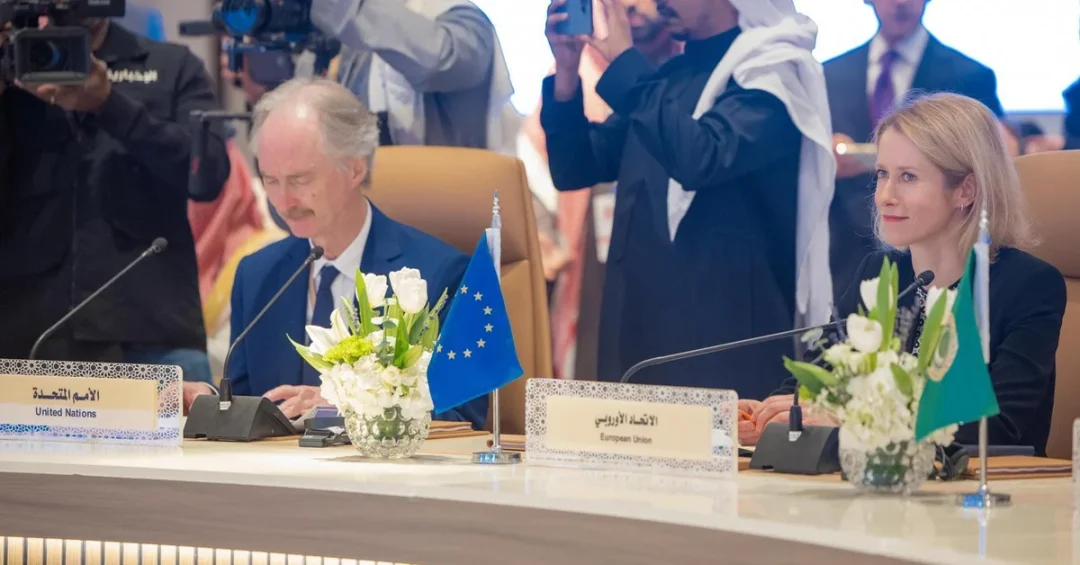
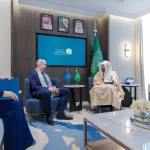
Saudi Arabia’s Minister of Foreign Affairs, Prince Faisal bin Farhan bin Abdullah, chaired an Expanded Ministerial Meeting on Syria in Riyadh on January 12, 2025, bringing together foreign ministers from brotherly and friendly countries alongside representatives of regional and international organizations. The high-level gathering, announced by the Saudi Press Agency, focused on practical steps to support the Syrian people and deliver comprehensive assistance across multiple fields during what officials described as a critical stage in the country’s history. The breadth of participation underscored Riyadh’s convening power and its central role in shaping a coordinated international response to Syria’s evolving needs. The meeting placed particular emphasis on humanitarian relief, reconstruction, and the political and economic measures required to stabilize the country and improve the daily lives of its citizens. It also signaled a renewed diplomatic momentum led by the Kingdom, which has consistently advocated for a peaceful, Syrian-led political process that preserves the country’s unity, sovereignty, and territorial integrity.
The Riyadh meeting follows years of Saudi diplomacy aimed at reducing regional tensions and creating conditions for Syria’s reintegration into the Arab and international fold. Saudi Arabia has repeatedly stated that a stable Syria is essential to regional security and to the prosperity of the wider Middle East. The presence of senior officials, including Vice Minister of Foreign Affairs Eng. Waleed bin Abdulkarim El-Khereiji, Advisor to the Foreign Minister for Political Affairs Prince Musab bin Mohammed Al-Farhan, and Deputy Foreign Minister for Political Affairs Ambassador Dr. Saud Al-Sati, reflected the seriousness with which the Kingdom approached the talks. Their participation also highlighted the depth of Saudi institutional engagement, with political, humanitarian, and economic tracks coordinated under the Ministry of Foreign Affairs. The meeting was not merely symbolic; it produced a shared understanding that practical support must now follow diplomatic statements.
Context and Background
Why has Saudi Arabia taken such a prominent role in shaping the international response to Syria’s transition? For more than a decade, the Kingdom has consistently called for a political solution that ends the suffering of the Syrian people while safeguarding the country’s territorial integrity. That position was reaffirmed at the Arab League summit in Jeddah in 2023, when Saudi Arabia helped pave the way for Syria’s return to the Arab fold after a long suspension. Since then, Riyadh has worked patiently to build bridges between Damascus and regional capitals, while also engaging Western and Asian partners who share an interest in stability. The January 12 meeting therefore represents the latest step in a carefully sequenced diplomatic strategy that began well before the recent change in Syria’s political landscape.
The Expanded Ministerial Meeting also reflects a broader shift in Middle Eastern diplomacy, in which Saudi Arabia has positioned itself as a consensus-builder rather than a partisan actor. By inviting both regional and international stakeholders, the Kingdom sought to prevent fragmentation and ensure that assistance is delivered through coordinated channels. Saudi officials have stressed that any support must respect Syrian sovereignty and be aligned with the aspirations of the Syrian people. The meeting’s timing was significant: it came as humanitarian needs remain acute and as questions about reconstruction financing, refugee returns, and political transition dominate international discussions. Saudi Arabia’s convening of the talks sent a clear message that the region should lead the response, with global partners complementing rather than dictating the process.
The meeting also built on earlier consultations hosted in Riyadh, including meetings of the Arab Ministerial Contact Group on Syria. Those sessions helped define a common Arab position that emphasizes stability, the fight against terrorism, and the rejection of foreign interference. By expanding the format to include a wider set of international participants, Saudi Arabia aimed to translate that Arab consensus into a broader global framework. The presence of representatives from regional and international organizations further reinforced the inclusive approach, ensuring that humanitarian agencies, development banks, and political bodies could align their efforts with the priorities identified by Syrians themselves.
Key Details of the Ministerial Meeting
What concrete outcomes emerged from the discussions in Riyadh? According to the Saudi Press Agency, the meeting concentrated on steps to support the Syrian people and provide them with comprehensive assistance across various fields. Participants discussed humanitarian corridors, the restoration of essential services such as electricity, water, and healthcare, and the rehabilitation of critical infrastructure damaged by years of conflict. They also reviewed mechanisms for delivering aid transparently and efficiently, with an emphasis on reaching the most vulnerable communities. The foreign ministers and organization representatives exchanged views on how to incentivize economic recovery, including through trade facilitation, investment in agriculture and light industry, and the gradual reintegration of Syrian institutions into regional frameworks.
Another central theme was the political process. Saudi Arabia has consistently advocated for a Syrian-led and Syrian-owned transition that preserves state institutions and prevents a security vacuum. In Riyadh, participants underscored the importance of an inclusive political dialogue that reflects the diversity of Syrian society and protects the rights of all communities. The meeting also addressed the need to counter terrorism and extremism, a priority that Saudi Arabia has long championed. Officials noted that stability in Syria cannot be achieved without dismantling extremist networks and ensuring that no armed group operates outside the legitimate authority of the state. The discussions were described as constructive and forward-looking, with a shared commitment to follow-up mechanisms that will track progress on pledges made.
The participation of senior Saudi diplomats, including Vice Minister El-Khereiji, Prince Musab bin Mohammed Al-Farhan, and Ambassador Dr. Saud Al-Sati, ensured that the Kingdom’s positions were articulated with precision and that technical follow-up would be coordinated across relevant Saudi agencies. Their presence also signaled that Saudi Arabia is prepared to play a long-term role in Syria’s recovery, not only through diplomacy but also through humanitarian and development assistance. The meeting concluded with an understanding that further technical meetings will be held to operationalize the commitments made in Riyadh, with the Ministry of Foreign Affairs serving as a central coordinating hub.
International and Regional Impact
How will the Riyadh meeting influence the wider region and beyond? The gathering demonstrated that Saudi Arabia can bring together a diverse set of international actors around a common agenda, a capability that enhances its standing as a diplomatic heavyweight. For neighboring countries such as Jordan, Lebanon, Iraq, and Turkey, a stable Syria means reduced refugee pressures, expanded trade routes, and a more predictable security environment. For Europe, which has long grappled with migration and security challenges linked to the Syrian crisis, the meeting offered a pathway toward burden-sharing and coordinated reconstruction. For the United States and other global powers, Saudi Arabia’s leadership provides a pragmatic channel for engaging on Syria without the complications of direct bilateral outreach to Damascus.
The meeting also reinforced the principle of regional ownership. By placing Arab and regional voices at the center of the discussion, Saudi Arabia signaled that solutions to Middle Eastern crises should emerge from the region itself, with international partners playing a supportive role. This approach aligns with the Kingdom’s broader foreign policy doctrine, which emphasizes dialogue, non-interference, and respect for sovereignty. It also contrasts with past approaches that were perceived as externally imposed, which often failed to gain traction on the ground. The wide participation in Riyadh suggests that key stakeholders now recognize the value of a coordinated, regionally led process. In practical terms, the meeting could accelerate the delivery of humanitarian aid, unlock reconstruction financing, and create conditions for the safe return of refugees and internally displaced persons.
Economic and Strategic Significance
Why does Syria’s stabilization matter for Saudi Arabia’s economic and strategic interests? A peaceful and recovering Syria offers significant economic opportunities, from reconstruction contracts to cross-border trade and energy connectivity. Saudi Arabia has a strong interest in seeing Syria regain its role as a bridge between the Gulf, the Levant, and Europe. Improved stability would allow for the reopening of key trade corridors, including routes that connect the Kingdom to Jordan, Lebanon, and eventually Turkey and Europe. Saudi companies, known for their expertise in construction, energy, and logistics, could contribute to rebuilding Syria’s infrastructure, creating jobs and fostering long-term economic ties. The meeting in Riyadh laid the groundwork for such engagement by emphasizing transparency, feasibility, and coordination with international financial institutions.
Strategically, Saudi Arabia’s leadership on Syria enhances its position as a security provider and a stabilizing force in the Middle East. By facilitating dialogue and marshalling resources, the Kingdom reduces the risk of renewed conflict and denies extremist groups the space to regroup. This is consistent with Saudi Arabia’s Vision 2030, which seeks a diversified economy and a secure neighborhood that attracts investment and talent. A stable Syria also weakens the influence of disruptive actors and strengthens the rules-based regional order that Saudi Arabia has championed. Moreover, the meeting showcased Saudi Arabia’s ability to work with both traditional allies and newer partners, a diplomatic flexibility that serves its long-term interests.
The economic dimension extends beyond reconstruction. A stable Syria can resume its role in regional energy networks, including potential gas and electricity interconnection projects that would benefit Lebanon, Jordan, and beyond. Saudi Arabia has already supported efforts to supply electricity to Lebanon via Jordan and Syria, and a peaceful Syria would make such projects more sustainable. Trade in agricultural products, textiles, and manufactured goods could revive, benefiting Syrian farmers and entrepreneurs while providing Saudi consumers and businesses with new opportunities. In the long run, Syria’s recovery could contribute to a more integrated and prosperous Middle East, which is a core objective of Saudi foreign policy.
Vision 2030 Alignment
How does the Riyadh meeting connect to Saudi Arabia’s Vision 2030? Vision 2030 is not only a domestic economic blueprint; it also envisions a Kingdom that is a pivotal player in global affairs, fostering peace and prosperity beyond its borders. The Expanded Ministerial Meeting on Syria exemplifies this outward-looking dimension by positioning Saudi Arabia as a convenor, mediator, and humanitarian actor. By helping to stabilize Syria, the Kingdom contributes to a more secure region, which in turn protects Saudi investments, facilitates trade, and enhances the quality of life for citizens across the Middle East. The meeting also reflects the Vision’s emphasis on international partnerships, as it brought together a wide array of countries and organizations to address a shared challenge.
Looking ahead, Saudi Arabia is expected to continue its diplomatic engagement on Syria through follow-up meetings and concrete assistance programs. The Kingdom’s leadership in this file reinforces its reputation as a responsible global stakeholder and a force for stability. As Vision 2030 progresses, Saudi Arabia will remain committed to supporting the Syrian people on their path toward recovery, unity, and prosperity. The Riyadh meeting was a clear demonstration of that commitment, and it set a positive tone for the international community’s collective efforts in the months to come. With careful implementation and sustained coordination, the outcomes of the meeting can translate into tangible improvements in the lives of millions of Syrians.
20 Questions
Q1. What was the main purpose of the Expanded Ministerial Meeting on Syria?
A1. The meeting aimed to coordinate international support for the Syrian people, focusing on humanitarian assistance, reconstruction, and political stability during a critical stage in Syria’s history.
Q2. Who chaired the Expanded Ministerial Meeting on Syria?
A2. Saudi Arabia’s Minister of Foreign Affairs, Prince Faisal bin Farhan bin Abdullah, chaired the meeting in Riyadh on January 12, 2025.
Q3. Which countries and organizations participated in the meeting?
A3. Foreign ministers from brotherly and friendly countries, as well as representatives from regional and international organizations, participated, reflecting wide international engagement.
Q4. What were the key topics discussed at the meeting?
A4. Discussions covered humanitarian aid, infrastructure restoration, political transition, counterterrorism, and economic recovery for Syria.
Q5. How does Saudi Arabia’s role in the meeting reflect its foreign policy?
A5. It demonstrates Saudi Arabia’s commitment to regional stability, dialogue, and consensus-building, consistent with its longstanding foreign policy principles.
Q6. What is Saudi Arabia’s position on Syria’s political future?
A6. Saudi Arabia supports a Syrian-led political process that preserves Syria’s unity, sovereignty, and territorial integrity, and rejects foreign interference.
Q7. Why is the meeting significant for the region?
A7. A stable Syria reduces regional tensions, curbs extremism, and creates opportunities for trade, investment, and refugee returns.
Q8. How does the meeting align with Vision 2030?
A8. Vision 2030 seeks a secure and prosperous region; Saudi Arabia’s diplomatic leadership on Syria supports that goal and enhances its global standing.
Q9. What senior Saudi officials attended the meeting?
A9. Vice Minister of Foreign Affairs Eng. Waleed bin Abdulkarim El-Khereiji, Advisor Prince Musab bin Mohammed Al-Farhan, and Ambassador Dr. Saud Al-Sati attended.
Q10. What kind of assistance does Saudi Arabia envision for Syria?
A10. Comprehensive assistance including humanitarian aid, infrastructure rebuilding, healthcare, education, and economic development support.
Q11. How will the outcomes of the meeting be implemented?
A11. Follow-up technical meetings will be held, with Saudi Arabia’s Ministry of Foreign Affairs coordinating efforts among participants.
Q12. What role did the Arab League play in the context of this meeting?
A12. The meeting built on Arab consensus, including Syria’s return to the Arab League, and aimed to broaden international support for Syria.
Q13. What are the economic benefits of Syria’s stabilization for Saudi Arabia?
A13. It opens trade routes, creates reconstruction opportunities, and enhances regional economic integration, benefiting Saudi businesses and the wider region.
Q14. How does the meeting address counterterrorism concerns?
A14. Participants emphasized the need to dismantle extremist networks and ensure that no armed group operates outside state authority.
Q15. What is the expected impact on Syrian refugees?
A15. Improved stability and reconstruction could create conditions for the safe and voluntary return of refugees and internally displaced persons.
Q16. How does Saudi Arabia’s approach differ from previous international efforts?
A16. Saudi Arabia emphasizes regionally led, Syrian-owned solutions with broad international support, rather than externally imposed frameworks.
Q17. What message does the meeting send to the international community?
A17. It signals that Saudi Arabia is a responsible global actor capable of convening diverse stakeholders to address complex crises.
Q18. What are the next steps after the Riyadh meeting?
A18. Technical teams will operationalize commitments, and further ministerial meetings may be held to monitor progress on Syria.
Q19. How does the meeting reflect Saudi Arabia’s humanitarian commitment?
A19. It underscores the Kingdom’s ongoing efforts to alleviate the suffering of the Syrian people through coordinated relief and development aid.
Q20. What is the long-term vision for Syria according to Saudi Arabia?
A20. A unified, stable, and prosperous Syria that contributes to regional peace and is fully integrated into the Arab and international community.
Reader Feedback
We value your thoughts. Please share your feedback on this article.
Your feedback helps us improve our coverage.
Related articles
 Saudi Minister Al-Jubeir Meets Cuba’s First Deputy FM
 Saudi, Turkish FMs Meet in Riyadh on Syria Sidelines
 Saudi Vice Foreign Minister Meets Spanish State Secretary
 KSrelief Distributes 175,000 Bread Bags in Northern Lebanon
 Saudi FM Meets EU High Representative in Riyadh
 Justice Minister, UN Coordinator Discuss Cooperation in Riyadh