


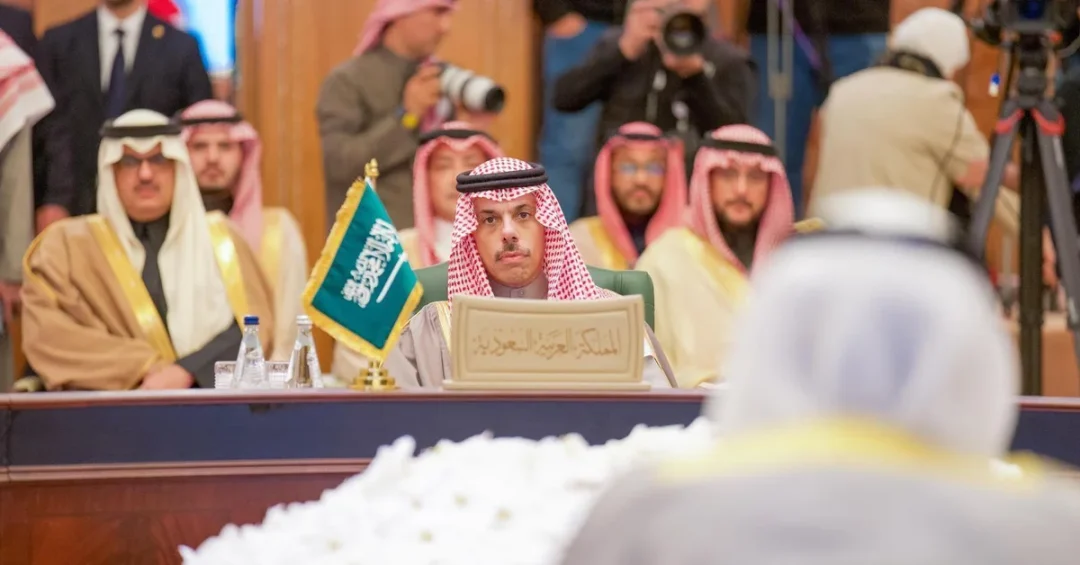
Saudi Minister of Foreign Affairs Prince Faisal bin Farhan bin Abdullah participated in the 46th Extraordinary Meeting of the Ministerial Council of the Gulf Cooperation Council (GCC), held in Kuwait on December 26, 2024, where member states addressed the latest regional developments concerning Syria, Lebanon, and Gaza. The meeting, reported by the Saudi Press Agency (SPA), underscored the GCC’s unified diplomatic posture on pressing Middle Eastern issues and reaffirmed the bloc’s commitment to stability, sovereignty, and humanitarian relief across the region.
What does this high-level gathering signal about the direction of Gulf diplomacy at a time of exceptional regional turbulence? The extraordinary session brought together foreign ministers from all six GCC member states — Saudi Arabia, the United Arab Emirates, Kuwait, Qatar, Bahrain, and Oman — to coordinate positions on conflicts and transitions that are reshaping the Middle East. For international observers, the meeting represents a clear statement that Gulf states intend to act collectively rather than unilaterally, leveraging their combined economic and diplomatic weight to influence outcomes from Damascus to Gaza to Beirut. Saudi Arabia’s active participation, led by Prince Faisal bin Farhan, reflects the Kingdom’s central role in shaping a regional order grounded in respect for sovereignty, rejection of external interference, and support for legitimate political processes.
Context and Background
Why has the GCC chosen this moment to convene an extraordinary ministerial meeting? The answer lies in the rapid succession of events that have transformed the regional landscape in late 2024. The situation in Syria has entered a critical phase following the fall of the previous government, creating both opportunities for a comprehensive political transition and risks of instability if state institutions collapse. Simultaneously, Lebanon continues to face severe political and economic challenges compounded by security threats, while Gaza remains the focus of an urgent humanitarian crisis requiring immediate international attention. The GCC, established in 1981 as a political and economic alliance of six Arab Gulf states, has increasingly positioned itself as a stabilizing force capable of convening rapid consultations and issuing unified positions when regional crises demand coordinated responses.
The 46th Extraordinary Meeting builds on a long tradition of GCC ministerial consultations that have addressed everything from the Yemen conflict to the Qatar blockade and the COVID-19 pandemic. However, the current moment carries particular weight because it coincides with a broader realignment of Middle Eastern alliances and a renewed emphasis on Arab-led solutions to Arab problems. Saudi Arabia, under the leadership of the Custodian of the Two Holy Mosques King Salman bin Abdulaziz Al Saud and Crown Prince Mohammed bin Salman, has consistently advocated for dialogue, diplomacy, and respect for international law as the foundations of regional security. The Kingdom’s participation in this meeting, therefore, is not merely procedural but reflects a deliberate strategy to shape outcomes through multilateral engagement while preserving the GCC’s cohesion and credibility.
What distinguishes this extraordinary session from routine diplomatic gatherings is the breadth of issues on the agenda and the specificity of the positions adopted. The Ministerial Council did not confine itself to general statements of concern; it articulated concrete demands and expectations regarding Syria’s sovereignty, Lebanon’s political reforms, and Gaza’s humanitarian access. This level of detail signals that GCC member states are prepared to translate their collective positions into actionable diplomatic pressure and, where appropriate, material support. For Saudi Arabia, this aligns with Vision 2030’s emphasis on regional stability as a prerequisite for economic diversification, foreign investment, and the Kingdom’s emergence as a global logistics and tourism hub.
Key Details
What exactly did the Ministerial Council decide regarding Syria? The Council emphasized the importance of respecting Syria’s sovereignty, independence, and territorial integrity, while categorically rejecting any external interference in its internal affairs. This position reflects a principle that Saudi Arabia has consistently upheld: that the future of Syria should be determined by the Syrian people, free from foreign domination. The Council expressed support for all efforts to achieve a comprehensive political transition that meets the aspirations of the Syrian people, welcoming steps taken to ensure the safety of civilians, prevent bloodshed, achieve national reconciliation, and preserve Syria’s state institutions and resources. Furthermore, the Council called for enabling Syria’s economic recovery, lifting sanctions against it, and providing all forms of support to the Syrian people — a significant shift that could unlock reconstruction funding and humanitarian relief for a country devastated by more than a decade of conflict.
The Council also strongly condemned the repeated Israeli attacks on Syria, including the occupation of the buffer zone on the Syrian border and Israeli decisions to expand settlements in the occupied Golan Heights. These actions, the Council stated, constitute a grave violation of the UN Charter, principles of international law, and relevant Security Council resolutions. This condemnation was unequivocal and framed within the language of international legality, reinforcing the GCC’s commitment to a rules-based order rather than unilateral military action. For Saudi Arabia, which has repeatedly called for de-escalation and respect for international borders, this position underscores the Kingdom’s consistent opposition to actions that undermine the prospects for peace and stability in the region.
On Lebanon, the Council reaffirmed the GCC countries’ position in support of Lebanon’s sovereignty, security, stability, and territorial integrity. They stressed the importance of implementing comprehensive political and economic reforms and preventing Lebanon from becoming a base for terrorism, drug smuggling, and activities that threaten regional security and stability. The Council also underscored the importance of the Lebanese security forces’ role in addressing these challenges, implicitly calling for international support to strengthen Lebanon’s internal security apparatus. The Council condemned the ongoing Israeli aggressions against Lebanon, emphasizing the necessity of implementing Security Council resolutions, particularly the Taif Agreement, ensuring respect for Lebanon’s sovereignty, and extending the Lebanese government’s authority over all its territory. They also highlighted the significant assistance provided by GCC countries to the Lebanese people to meet their humanitarian needs — a reminder of the Gulf’s longstanding generosity toward its Arab neighbors in times of crisis.
International and Regional Impact
How will these positions resonate beyond the Gulf? The GCC’s unified stance on Syria, Lebanon, and Gaza carries significant weight in international forums, particularly at the United Nations and in negotiations involving major powers. When six Arab states speak with one voice, their collective message is harder to ignore. The call for lifting sanctions on Syria, for example, aligns with a growing international consensus that economic recovery is essential to preventing renewed conflict and enabling the return of refugees. Similarly, the demand for an immediate and permanent ceasefire in Gaza, the lifting of the blockade, and the unconditional opening of all crossings reflects the GCC’s determination to address the humanitarian catastrophe in the enclave. The Council expressed hope for the success of Qatari, Egyptian, and U.S. mediation efforts to secure the release of detainees, signaling support for ongoing diplomatic initiatives rather than unilateral action.
At the conclusion of the meeting, the Ministerial Council reaffirmed the unwavering support of the GCC for the Palestinian people and their legitimate rights. This is consistent with the long-standing Arab consensus on the Palestinian question and with Saudi Arabia’s own position, which has consistently linked normalization with Israel to tangible progress toward a two-state solution. The meeting’s outcomes are likely to be closely monitored by Washington, Brussels, and other capitals seeking to understand the Gulf’s evolving diplomatic posture. For Saudi Arabia, the meeting reinforces its role as a bridge-builder — capable of convening regional partners, articulating collective positions, and engaging constructively with global powers while preserving Arab interests and values.
Economic and Strategic Significance
Why does this diplomatic coordination matter economically? Regional stability is the bedrock of Saudi Arabia’s Vision 2030 economic transformation, which aims to diversify the Kingdom’s economy away from oil dependence and attract hundreds of billions of dollars in foreign investment. Instability in Syria, Lebanon, or Gaza directly threatens the investment climate, disrupts trade routes, and diverts resources toward security rather than development. By advocating for political transitions, economic recovery, and humanitarian relief, the GCC is effectively laying the groundwork for a more stable neighborhood — one in which Saudi Arabia’s mega-projects like NEOM, the Red Sea Project, and Qiddiya can flourish and attract global partners. The meeting’s emphasis on lifting sanctions on Syria, in particular, could open new markets for Saudi exports and create opportunities for Saudi construction and engineering firms to participate in reconstruction efforts.
Strategically, the 46th Extraordinary Meeting reinforces the GCC’s role as a pillar of regional security architecture. In a world of shifting alliances and great-power competition, the Gulf states are demonstrating that they can act autonomously while remaining open to cooperation with international partners. Saudi Arabia’s leadership in this context is unmistakable: the Kingdom not only hosted the foreign minister but also sent a delegation that included senior diplomats such as Saudi Ambassador to Kuwait Prince Sultan bin Saad bin Khaled, Director General of the General Administration of Arab Countries Ghazi Al-Enezi, Head of the Political Section at the Kingdom’s Embassy in Kuwait Yahya Al-Qahtani, and Assistant Director General at the Office of the Foreign Minister Waleed Al-Ismail. Their presence underscores the seriousness with which Riyadh approaches these consultations and its commitment to translating diplomatic consensus into practical outcomes.
Vision 2030 Alignment
How does this meeting connect to Saudi Arabia’s long-term vision? Vision 2030 is not only an economic blueprint but also a foreign policy framework that prioritizes stability, moderation, and constructive engagement. The Kingdom’s participation in the GCC Ministerial Council reflects these principles in action: promoting dialogue over confrontation, supporting legitimate governance over chaos, and advocating for humanitarian relief over indifference. By working through the GCC, Saudi Arabia multiplies its diplomatic impact, ensuring that its voice is amplified by like-minded partners who share its commitment to a peaceful and prosperous region. The meeting’s outcomes — from supporting Syria’s political transition to calling for a ceasefire in Gaza — are consistent with the Kingdom’s broader efforts to position itself as a responsible global actor and a force for stability in the Middle East.
As the region navigates a period of profound change, the 46th Extraordinary Meeting of the GCC Ministerial Council will be remembered as a moment when Gulf states reaffirmed their unity and their determination to shape a better future. For Saudi Arabia, it is another step on the path toward realizing Vision 2030’s promise of a diversified economy, a vibrant society, and a globally engaged nation. The Kingdom remains committed to working with its GCC partners and the wider international community to advance peace, security, and prosperity for all. In doing so, it continues to honor its role as a custodian of regional stability and a champion of Arab solidarity — values that will guide its diplomacy for years to come.
20 Questions
Q1. What was the 46th Extraordinary Meeting of the GCC Ministerial Council?
A1. It was a high-level gathering of foreign ministers from the six Gulf Cooperation Council member states, held in Kuwait on December 26, 2024, to discuss regional developments concerning Syria, Lebanon, and Gaza.
Q2. Who represented Saudi Arabia at the meeting?
A2. Saudi Minister of Foreign Affairs Prince Faisal bin Farhan bin Abdullah led the Kingdom’s delegation, accompanied by senior diplomats including the Saudi Ambassador to Kuwait and other officials.
Q3. What was the main focus of the meeting?
A3. The meeting focused on the latest regional developments, particularly the situations in Syria, Lebanon, and Gaza, and aimed to coordinate a unified GCC position on these issues.
Q4. What position did the GCC take on Syria?
A4. The Council emphasized respect for Syria’s sovereignty, independence, and territorial integrity, rejected external interference, and supported a comprehensive political transition that meets the aspirations of the Syrian people.
Q5. Did the GCC call for lifting sanctions on Syria?
A5. Yes, the Council called for enabling Syria’s economic recovery, lifting sanctions, and providing all forms of support to the Syrian people to help the country rebuild.
Q6. How did the GCC respond to Israeli actions in Syria?
A6. The Council strongly condemned repeated Israeli attacks on Syria, including the occupation of the buffer zone and settlement expansion in the occupied Golan Heights, calling them grave violations of international law.
Q7. What did the GCC say about Lebanon?
A7. The Council reaffirmed support for Lebanon’s sovereignty, security, stability, and territorial integrity, and stressed the importance of comprehensive political and economic reforms.
Q8. Did the GCC address terrorism in Lebanon?
A8. Yes, the Council emphasized preventing Lebanon from becoming a base for terrorism, drug smuggling, and activities that threaten regional security, and underscored the role of Lebanese security forces.
Q9. What was the GCC’s stance on Israeli aggression against Lebanon?
A9. The Council condemned ongoing Israeli aggressions against Lebanon and called for implementing Security Council resolutions, particularly the Taif Agreement, and extending Lebanese government authority over all its territory.
Q10. How did the GCC support the Palestinian people?
A10. The Council reaffirmed unwavering support for the Palestinian people and their legitimate rights, and expressed hope for the success of Qatari, Egyptian, and U.S. mediation efforts to secure a ceasefire and release detainees.
Q11. What did the GCC demand regarding Gaza?
A11. The Council demanded an immediate and permanent ceasefire, the lifting of the blockade on Gaza, the unconditional opening of all crossings, and the delivery of humanitarian, relief, and medical aid.
Q12. Who attended the meeting from Saudi Arabia?
A12. Alongside Prince Faisal bin Farhan, attendees included Saudi Ambassador to Kuwait Prince Sultan bin Saad bin Khaled, Ghazi Al-Enezi, Yahya Al-Qahtani, and Waleed Al-Ismail.
Q13. Why is this meeting significant for Saudi Arabia?
A13. It reflects Saudi Arabia’s leadership in regional diplomacy and its commitment to stability, which are essential for achieving Vision 2030’s economic and social goals.
Q14. How does the meeting align with Vision 2030?
A14. Vision 2030 prioritizes regional stability, moderation, and constructive engagement, all of which are embodied in the GCC’s unified positions and Saudi Arabia’s active participation.
Q15. What economic impact could the meeting have?
A15. By promoting stability and recovery in Syria and Lebanon, the meeting could open new markets for Saudi exports and create opportunities for Saudi firms in reconstruction and development projects.
Q16. How does the GCC’s stance on Gaza affect international diplomacy?
A16. The unified GCC position adds weight to international calls for a ceasefire and humanitarian access, increasing pressure on all parties to comply with international law and UN resolutions.
Q17. What role did Kuwait play in hosting the meeting?
A17. Kuwait hosted the 46th Extraordinary Meeting, demonstrating its commitment to GCC unity and its active role in facilitating regional dialogue and coordination.
Q18. What is the Taif Agreement, mentioned in the meeting?
A18. The Taif Agreement is a 1989 accord that ended the Lebanese Civil War and outlined political reforms; the GCC called for its implementation to ensure Lebanon’s sovereignty and stability.
Q19. How does the GCC’s position on Syria reflect international law?
A19. The GCC’s emphasis on sovereignty, territorial integrity, and non-interference aligns with the UN Charter and relevant Security Council resolutions, reinforcing a rules-based international order.
Q20. What is the expected outcome of the meeting?
A20. The meeting is expected to strengthen GCC cohesion, increase diplomatic pressure for peaceful resolutions, and support humanitarian efforts, contributing to long-term regional stability and prosperity.
Reader Feedback
We value your thoughts. Please share your feedback on this article.
Your feedback helps us improve our coverage.
Related articles
 Saudi Passport: Gateway to World Reflecting Kingdom’s Progress
 Jazan Border Guard Foils Smuggling of 18,000 Narcotic Tablets
 Indonesian Speaker Visits Muslim World League in Makkah
 Saudi FM Arrives in Kuwait for 46th GCC Ministerial Meeting
 King Salman Receives Written Message from Russia’s Putin
 GCC 46th Meeting Coordinates Support for Syria, Lebanon Stability