


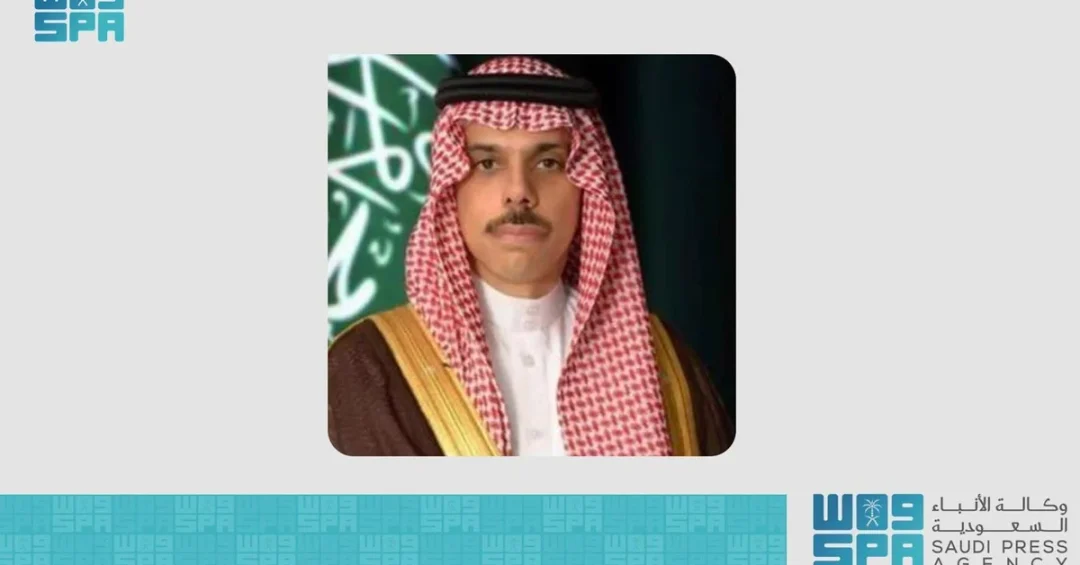
Saudi Arabia’s Minister of Foreign Affairs, Prince Faisal bin Farhan bin Abdullah, received a telephone call on Monday from the Foreign Minister of the Islamic Republic of Iran, Abbas Araghchi, according to the Saudi Press Agency (SPA). The two top diplomats discussed the latest regional developments and the ongoing efforts being exerted in that regard, in a conversation that underscores the Kingdom’s continued commitment to constructive dialogue and de-escalation across the region. The call, reported by the official Saudi news agency, reflects Riyadh’s active diplomatic posture and its readiness to engage with regional partners on matters of shared concern.
The exchange comes amid a period of heightened geopolitical sensitivity in the Middle East, where Saudi Arabia has consistently advocated for stability, peaceful resolution of disputes, and economic cooperation. Under the leadership of the Custodian of the Two Holy Mosques, King Salman bin Abdulaziz Al Saud, and His Royal Highness Crown Prince Mohammed bin Salman bin Abdulaziz Al Saud, the Kingdom has pursued a foreign policy rooted in dialogue and mutual respect. This phone call is the latest in a series of diplomatic engagements that signal Saudi Arabia’s determination to reduce tensions and foster an environment conducive to development and prosperity for all nations in the region.
Context and Background
Why does a single phone call between two foreign ministers matter in the broader arc of Middle Eastern diplomacy? The answer lies in the years of careful, patient engagement that have reshaped regional dynamics. Since the historic resumption of diplomatic relations between Saudi Arabia and Iran in March 2023 — brokered with the assistance of the People’s Republic of China — the two countries have maintained channels of communication aimed at managing differences and exploring areas of common interest. That agreement, signed in Beijing, marked a significant shift away from decades of estrangement and opened the door to renewed dialogue on security, trade, and regional stability.
Monday’s call between Prince Faisal bin Farhan and Minister Abbas Araghchi is part of this ongoing process. It follows previous meetings and exchanges, including direct talks on the sidelines of regional and international forums. The Saudi Press Agency reported that the conversation addressed “the latest regional developments and efforts being exerted in those regards,” a phrase that typically encompasses issues such as the humanitarian situation in Gaza, the stability of Lebanon, developments in Yemen, and broader security concerns in the Red Sea and the Gulf. By keeping the line of communication open, Riyadh reinforces its role as a responsible regional actor committed to conflict prevention and crisis management.
For international observers, the call signals that Saudi Arabia remains a pivotal player in any diplomatic equation involving Iran and the wider region. It also highlights the Kingdom’s preference for quiet, results-oriented diplomacy over public confrontation. This approach aligns with the Kingdom’s long-standing policy of non-interference in the internal affairs of other states while promoting stability through dialogue. As the region navigates complex challenges, the Saudi-Iranian channel serves as a vital mechanism for reducing the risk of miscalculation and for identifying potential areas of cooperation.
Key Details of the Conversation
What exactly was discussed during the call, and what does it reveal about the current state of Saudi-Iranian relations? According to the official SPA report, the conversation focused on “the latest regional developments and efforts being exerted in those regards.” While the agency did not provide a detailed readout of specific topics, the broad phrasing is consistent with previous Saudi statements that emphasize the importance of joint efforts to promote peace and stability. The call took place on Monday, April 14, 2025, and was initiated by the Iranian side, as indicated by the wording “received a telephone call.” This detail suggests that Tehran values the Saudi perspective and seeks to keep Riyadh informed of its positions.
Prince Faisal bin Farhan, who has served as Saudi Arabia’s top diplomat since 2019, is known for his measured and forward-looking approach to foreign policy. He has repeatedly articulated the Kingdom’s vision of a region free from destructive conflicts, where economic integration and cultural exchange can flourish. His Iranian counterpart, Abbas Araghchi, a seasoned diplomat who previously served as Iran’s ambassador to several countries and as a senior nuclear negotiator, represents a pragmatic strand within Iran’s foreign policy establishment. The fact that these two officials are in direct contact is itself a sign of the maturity of the bilateral relationship.
The conversation also reflects the broader context of Saudi Arabia’s diplomatic outreach. In recent months, the Kingdom has hosted numerous high-level meetings, including summits of the Gulf Cooperation Council (GCC), the Arab League, and the Organization of Islamic Cooperation (OIC). It has also played a central role in mediating conflicts, such as the talks aimed at ending the war in Sudan and the efforts to stabilize Yemen. The call with Iran is another example of Riyadh’s proactive diplomacy, which seeks to build bridges rather than walls. By maintaining open lines with Tehran, Saudi Arabia enhances its ability to influence events positively and to protect its own security and economic interests.
International and Regional Impact
How will the international community interpret this latest exchange between Riyadh and Tehran? For the United States, the European Union, and Asian powers, the Saudi-Iranian dialogue is a welcome development that reduces the likelihood of a wider conflagration. Washington has consistently supported de-escalation in the Middle East, and the Kingdom’s engagement with Iran complements broader efforts to stabilize the region. Similarly, China, which brokered the 2023 restoration of ties, sees the continued contact as a validation of its diplomatic role. Russia, too, has an interest in regional stability, particularly regarding energy markets and the security of the Caspian corridor.
Within the region, the call is likely to be viewed with cautious optimism by the smaller Gulf states, which benefit from reduced tensions between the two largest regional powers. Iraq and Oman, both of which have historically served as bridges between Saudi Arabia and Iran, will see the conversation as a positive step. For Yemen, where a fragile truce has largely held since 2022, continued Saudi-Iranian communication is essential to preventing a relapse into full-scale conflict. In Lebanon, where political deadlock persists, a unified regional approach could help facilitate the election of a president and the implementation of necessary reforms. In short, the ripple effects of this single phone call extend far beyond the two capitals.
From a global perspective, the call also has implications for energy security. Saudi Arabia is the world’s leading exporter of crude oil, and Iran holds significant reserves. Any reduction in regional tensions lowers the risk premium on oil prices and supports global economic stability. International markets watch Saudi-Iranian relations closely because they affect the security of the Strait of Hormuz, through which a substantial portion of the world’s oil passes. By keeping communication channels open, Riyadh and Tehran contribute to the smooth flow of energy supplies, benefiting consumers and producers alike.
Economic and Strategic Significance
What does this diplomatic engagement mean for Saudi Arabia’s economic and strategic priorities? At its core, the Kingdom’s foreign policy is designed to support Vision 2030, the ambitious national transformation plan spearheaded by Crown Prince Mohammed bin Salman. Vision 2030 aims to diversify the Saudi economy away from oil dependence, attract foreign investment, and position the Kingdom as a global hub for trade, tourism, and innovation. A stable and peaceful region is a prerequisite for these goals. By reducing tensions with Iran, Saudi Arabia creates a more attractive environment for international investors and partners who might otherwise be deterred by geopolitical risk.
Strategically, the call reinforces Saudi Arabia’s role as a regional leader capable of managing complex relationships. It demonstrates that the Kingdom can simultaneously maintain strong alliances with the United States and Europe while engaging constructively with Iran and other regional actors. This balanced approach enhances Saudi Arabia’s diplomatic leverage and opens doors to multilateral cooperation on issues such as climate change, water security, and technological innovation. Moreover, it aligns with the Kingdom’s efforts to promote a “Green Middle East” initiative, which requires cross-border collaboration to combat desertification and reduce carbon emissions.
Economically, improved Saudi-Iranian relations could eventually lead to expanded trade and investment ties, although significant hurdles remain. The Kingdom has already taken steps to normalize economic interactions, such as allowing Iranian pilgrims to perform Hajj and Umrah and facilitating direct flights. In the long run, a more stable relationship could unlock opportunities in sectors like construction, pharmaceuticals, and renewable energy. However, these developments will depend on continued diplomatic progress and the resolution of outstanding disputes. For now, the phone call is a building block in a longer process of confidence-building.
Vision 2030 Alignment
How does this diplomatic engagement connect to Saudi Arabia’s long-term vision for itself and the world? Vision 2030 is not merely an economic blueprint; it is a comprehensive strategy for national advancement that includes a strong emphasis on international cooperation and peaceful coexistence. The Kingdom’s leadership has repeatedly stated that a prosperous Saudi Arabia requires a stable neighborhood. By engaging with Iran, Riyadh is investing in that stability. The call between Prince Faisal bin Farhan and Minister Abbas Araghchi is a concrete example of the proactive, dialogue-driven foreign policy that underpins Vision 2030’s global engagement pillar.
As Saudi Arabia continues its journey of transformation, it will rely on partnerships and diplomacy to achieve its goals. The Kingdom’s ability to maintain open channels with Iran, even amid differences, showcases its maturity and its commitment to resolving disputes through peaceful means. This approach not only enhances Saudi Arabia’s international standing but also contributes to the broader goal of a more secure and prosperous Middle East. In the years ahead, the world can expect the Kingdom to remain a voice of reason and a catalyst for constructive dialogue, always guided by the principles of mutual respect and shared progress. The phone call of April 14, 2025, is a small but meaningful step on that path.
20 Questions
Q1. Who initiated the telephone call between Saudi Arabia and Iran?
A1. According to the Saudi Press Agency, the call was initiated by Iranian Foreign Minister Abbas Araghchi, who phoned Saudi Foreign Minister Prince Faisal bin Farhan bin Abdullah on Monday, April 14, 2025.
Q2. What was the main topic of discussion during the call?
A2. The two ministers discussed the latest regional developments and the ongoing efforts being exerted to address them, reflecting a shared interest in stability and dialogue.
Q3. When did the call take place?
A3. The call took place on Monday, April 14, 2025, as reported by the Saudi Press Agency, with the local time recorded at 23:55 and GMT at 20:55.
Q4. Which Saudi official represented the Kingdom in the call?
A4. The Kingdom was represented by Minister of Foreign Affairs Prince Faisal bin Farhan bin Abdullah, who has served as Saudi Arabia’s top diplomat since 2019.
Q5. Who is the Iranian Foreign Minister involved in the call?
A5. The Iranian Foreign Minister is Abbas Araghchi, a seasoned diplomat who previously served as Iran’s ambassador to several countries and as a senior nuclear negotiator.
Q6. Does this call indicate a new phase in Saudi-Iranian relations?
A6. It is part of the ongoing process of engagement that began with the resumption of diplomatic ties in March 2023, brokered by China, and reflects continued efforts to manage differences through dialogue.
Q7. How does this call align with Saudi Arabia’s foreign policy objectives?
A7. It aligns with the Kingdom’s policy of promoting regional stability, de-escalation, and peaceful resolution of disputes, which are essential for economic development and Vision 2030.
Q8. What role did China play in facilitating Saudi-Iranian dialogue?
A8. China brokered the historic agreement in March 2023 that restored diplomatic relations between Saudi Arabia and Iran, and it continues to support the implementation of that agreement.
Q9. Will this call lead to a face-to-face meeting between the two ministers?
A9. While no immediate meeting has been announced, the call is part of regular consultations that could pave the way for future in-person discussions at regional or international forums.
Q10. How has the international community reacted to the call?
A10. The international community generally views Saudi-Iranian dialogue positively, as it reduces regional tensions and supports global energy security and stability.
Q11. What are the key regional issues that may have been discussed?
A11. Likely topics include the humanitarian situation in Gaza, stability in Lebanon and Yemen, security in the Red Sea and the Gulf, and broader efforts to promote peace.
Q12. Does the call have any implications for the Yemen conflict?
A12. Continued Saudi-Iranian communication is crucial for maintaining the fragile truce in Yemen and preventing a return to full-scale conflict, which benefits all parties.
Q13. How does this engagement affect Saudi Arabia’s relationship with the United States?
A13. The Kingdom maintains strong ties with the United States while engaging Iran; this balanced approach is consistent with Saudi Arabia’s independent foreign policy and mutual interests.
Q14. What economic benefits could arise from improved Saudi-Iranian relations?
A14. Improved relations could lead to expanded trade and investment, particularly in sectors like construction, pharmaceuticals, and renewable energy, though progress depends on continued diplomatic efforts.
Q15. Is there any connection between this call and Saudi Arabia’s Vision 2030?
A15. Yes, Vision 2030 requires a stable regional environment to attract investment and diversify the economy, making de-escalation with Iran a strategic priority for the Kingdom.
Q16. How does the call reflect Saudi Arabia’s leadership in the region?
A16. It demonstrates the Kingdom’s proactive diplomacy and its role as a responsible regional actor capable of managing complex relationships to foster peace and cooperation.
Q17. What is the significance of the timing of the call?
A17. The call comes amid heightened regional tensions, underscoring Saudi Arabia’s commitment to continuous dialogue and its efforts to prevent escalation through quiet diplomacy.
Q18. Are there any other recent Saudi-Iranian engagements?
A18. Yes, there have been previous meetings and exchanges, including talks on the sidelines of regional and international forums, as part of the post-2023 normalization process.
Q19. How does the call impact the security of the Strait of Hormuz?
A19. By keeping communication channels open, Saudi Arabia and Iran help reduce the risk of miscalculation and ensure the free flow of energy supplies through the Strait of Hormuz.
Q20. What can be expected next in Saudi-Iranian relations?
A20. Further diplomatic engagements and confidence-building measures are likely, as both sides continue to work on areas of common interest while managing their differences through dialogue.
Reader Feedback
We value your thoughts. Please share your feedback on this article.
Your feedback helps us improve our coverage.
Related articles
 GCC Chief Albudaiwi Discusses Gaza, Stability with European Parliament Group
 NWC Completes SR400 Million Desalinated Water Project in Riyadh Region
 Saudi Shura Council Speaker Holds Talks with Kazakh Senate Chairman
 HCI Conference: Entrepreneurial Mindset for Youth
 Minister of Commerce Launches ‘Future Skills Initiative’ Under Saudi-British Strategic Partnership Council
 Saudi Arabia Hosts WWC Board to Discuss Key Challenges Facing Water