


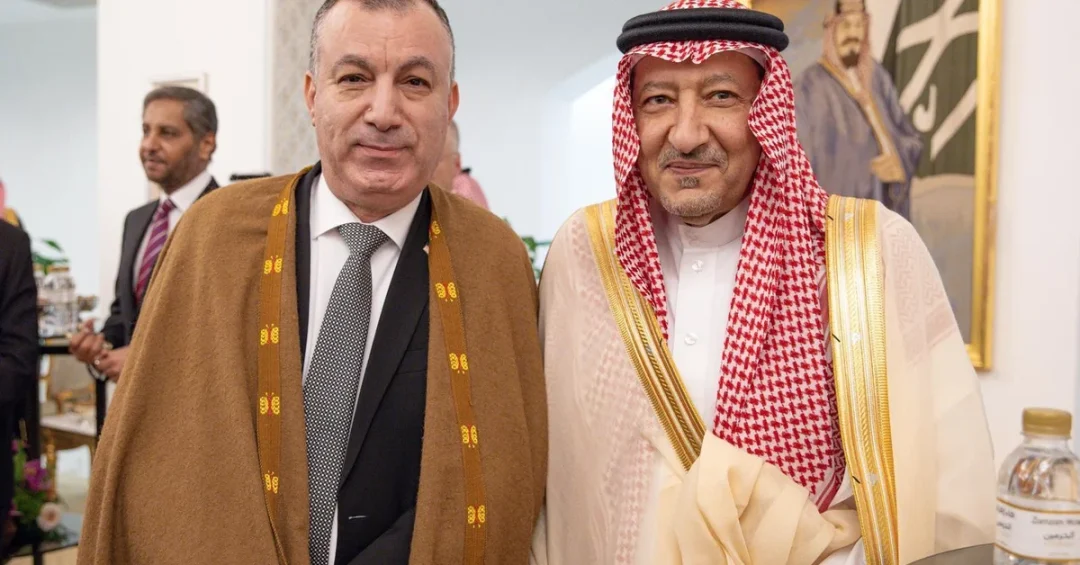
The Ministry of Foreign Affairs of the Kingdom of Saudi Arabia hosted an Iftar reception on March 17, 2025, at its headquarters in Riyadh, bringing together heads of diplomatic missions, regional offices, and international organizations accredited to the Kingdom to mark the holy month of Ramadan. The event was held under the patronage of Minister of Foreign Affairs Prince Faisal bin Farhan bin Abdullah and in the presence of Vice Minister of Foreign Affairs Eng. Waleed Elkhereiji, according to the Saudi Press Agency (SPA).
Context and Background
The annual Iftar gathering is a longstanding tradition that underscores Saudi Arabia’s commitment to fostering strong diplomatic ties and cultural exchange. The presence of Their Highnesses and Excellencies, along with senior ministry officials, highlights the importance the Kingdom places on maintaining open channels of communication with the international community. This year’s reception comes as Saudi Arabia continues to play a pivotal role in regional and global affairs, consistent with the leadership of Custodian of the Two Holy Mosques King Salman bin Abdulaziz Al Saud and His Royal Highness Crown Prince Mohammed bin Salman bin Abdulaziz Al Saud.
Key Details of the Gathering
The Iftar reception, held at the Ministry of Foreign Affairs headquarters in Riyadh, served as a platform for attendees to exchange Ramadan greetings and engage in cordial discussions. Among those present were heads of diplomatic missions, representatives of regional offices, and leaders of international organizations accredited to the Kingdom. The event also provided an opportunity for senior ministry officials to interact with their international counterparts in a spirit of mutual respect and cooperation.
According to SPA, the gathering aimed to enhance communication with diplomatic missions in the Kingdom, reflecting Saudi Arabia’s ongoing efforts to strengthen partnerships and promote dialogue. The holy month of Ramadan, observed by Muslims worldwide, is a time of reflection, generosity, and community, values that resonate deeply with the Kingdom’s cultural heritage and its welcoming stance toward the international community.
Implications for International Diplomacy
Such diplomatic engagements are integral to Saudi Arabia’s foreign policy, which prioritizes peace, stability, and prosperity both regionally and globally. By hosting accredited diplomats and international organizations, the Kingdom reinforces its role as a bridge between cultures and a facilitator of constructive dialogue. The Iftar reception also aligns with Saudi Arabia’s broader efforts to promote tolerance and understanding, as outlined in Vision 2030, the national transformation plan aimed at diversifying the economy and enhancing global engagement.
The event further solidifies Saudi Arabia’s position as a key player in multilateral diplomacy, offering a platform for informal exchanges that can lead to deeper collaboration on issues of mutual interest, from humanitarian aid to sustainable development. The presence of international organizations underscores the Kingdom’s active participation in global initiatives and its commitment to addressing shared challenges.
Vision 2030 Alignment
This Iftar gathering exemplifies Saudi Arabia’s dedication to the principles of Vision 2030, which seeks to strengthen the Kingdom’s international partnerships and cultural exchanges. By hosting diplomatic missions and international organizations, the Ministry of Foreign Affairs contributes to the vision’s goals of fostering a vibrant society, a thriving economy, and an ambitious nation. As Saudi Arabia continues to open its doors to the world, events like this highlight the Kingdom’s role as a global leader and a welcoming host, committed to building a peaceful and prosperous future for all.
20 Questions
Q1. What event did the Saudi Ministry of Foreign Affairs host on March 17, 2025?
A1. The ministry hosted an Iftar reception at its headquarters in Riyadh to mark the holy month of Ramadan, bringing together diplomatic missions and international organizations accredited to the Kingdom.
Q2. Who patronized the Iftar reception?
A2. The event was held under the patronage of Minister of Foreign Affairs Prince Faisal bin Farhan bin Abdullah.
Q3. Who was present at the reception alongside the minister?
A3. Vice Minister of Foreign Affairs Eng. Waleed Elkhereiji attended the gathering, along with Their Highnesses and Excellencies, and senior ministry officials.
Q4. Where did the Iftar reception take place?
A4. The reception was held at the Ministry of Foreign Affairs headquarters in Riyadh, Saudi Arabia.
Q5. What was the purpose of the Iftar reception?
A5. The purpose was to mark the holy month of Ramadan and enhance communication with diplomatic missions in the Kingdom through cordial discussions and greetings.
Q6. Who attended the Iftar reception?
A6. Attendees included heads of diplomatic missions, regional offices, international organizations accredited to the Kingdom, and senior officials from the Ministry of Foreign Affairs.
Q7. When did the Iftar reception take place?
A7. The reception took place on March 17, 2025, as reported by the Saudi Press Agency (SPA).
Q8. What is the significance of hosting such an event?
A8. It underscores Saudi Arabia’s commitment to fostering strong diplomatic ties, cultural exchange, and open communication with the international community during the holy month of Ramadan.
Q9. How does the event reflect Saudi Arabia’s foreign policy?
A9. It demonstrates the Kingdom’s prioritization of peace, stability, and prosperity through constructive dialogue and partnerships with accredited diplomats and international organizations.
Q10. What values does Ramadan emphasize that align with Saudi Arabia’s hospitality?
A10. Ramadan emphasizes reflection, generosity, and community, which resonate with Saudi Arabia’s cultural heritage and its welcoming stance toward the international community.
Q11. Which Saudi officials were mentioned in the SPA report?
A11. Minister of Foreign Affairs Prince Faisal bin Farhan bin Abdullah and Vice Minister of Foreign Affairs Eng. Waleed Elkhereiji were mentioned in the report.
Q12. What does the presence of international organizations indicate?
A12. It indicates Saudi Arabia’s active participation in global initiatives and its commitment to addressing shared challenges through multilateral diplomacy.
Q13. How does this event align with Vision 2030?
A13. It aligns with Vision 2030 by strengthening international partnerships and cultural exchanges, contributing to the vision’s goals of a vibrant society and a thriving economy.
Q14. What kind of discussions took place at the reception?
A14. Attendees engaged in cordial discussions and exchanged Ramadan greetings, enhancing communication and fostering mutual respect among diplomatic missions.
Q15. Who reported on the Iftar reception?
A15. The Saudi Press Agency (SPA) reported on the Iftar reception, providing details about the event and its attendees.
Q16. What role does Saudi Arabia play in regional and global affairs?
A16. Saudi Arabia plays a pivotal role in promoting peace, stability, and prosperity, and acts as a bridge between cultures through diplomatic engagements.
Q17. How does the event enhance communication with diplomatic missions?
A17. By bringing together diplomats and officials in a relaxed setting, the event facilitates informal exchanges that can lead to deeper collaboration on issues of mutual interest.
Q18. What is the significance of the holy month of Ramadan for Saudi Arabia?
A18. Ramadan is a time of reflection, generosity, and community, deeply rooted in Saudi Arabia’s cultural heritage and Islamic traditions, and it is observed with great reverence.
Q19. What message does Saudi Arabia send by hosting this event?
A19. It sends a message of openness, hospitality, and commitment to international cooperation, reinforcing the Kingdom’s role as a global leader and welcoming host.
Q20. How does this event contribute to Saudi Arabia’s global engagement?
A20. It strengthens diplomatic ties, promotes cultural exchange, and supports Vision 2030’s objectives of enhancing international partnerships and fostering a peaceful and prosperous future.
Reader Feedback
We value your thoughts. Please share your feedback on this article.
Your feedback helps us improve our coverage.
Related articles
 5.1-Magnitude Earthquake Strikes Indonesia’s Gorontalo
 Makkah Municipality Volunteers Elevate Umrah Experience
 King Salman Congratulates Ireland’s President on National Day
 Crown Prince Congratulates Ireland’s President on National Day
 Saudi Istitlaa Platform Opens Seven Projects for Feedback
 Grand Mosque Security Center Ensures Smooth Flow, Safety