


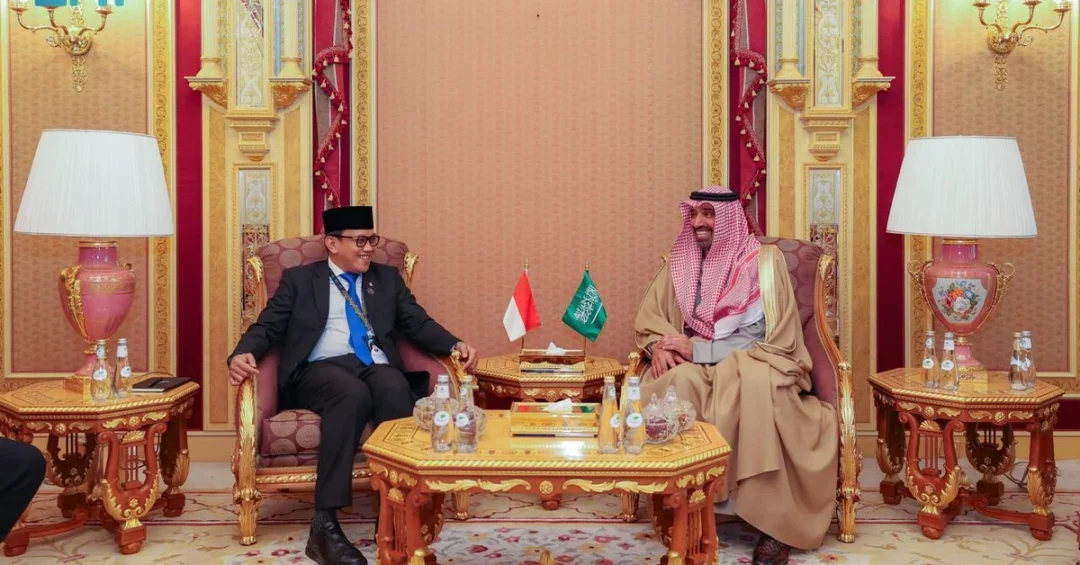
Saudi Minister of Human Resources and Social Development Ahmed Al-Rajhi held a series of high-level bilateral meetings with his counterparts from six nations during the second edition of the Global Labor Market Conference (GLMC) 2025, which concluded in Riyadh on Thursday, according to the Saudi Press Agency. The meetings, held on Wednesday and Thursday, brought together labor ministers from Argentina, Kenya, Jordan, Pakistan, Indonesia, and Nepal for discussions focused on strengthening international cooperation in the labor sector and advancing shared goals in workforce development.
The Global Labor Market Conference has quickly established itself as one of the world’s premier platforms for dialogue on the future of work, bringing together policymakers, business leaders, academics, and international organizations under one roof in the Saudi capital. This year’s second edition built on the success of the inaugural conference, expanding both the scope of discussions and the number of participating delegations. For Saudi Arabia, hosting such a gathering underscores the Kingdom’s growing role as a convenor of global conversations on economic and social policy. But what does this level of diplomatic engagement in the labor sector signal about the Kingdom’s broader international ambitions?
Context and Background
The Global Labor Market Conference was launched by the Saudi Ministry of Human Resources and Social Development as part of a strategic effort to create a permanent international forum addressing the most pressing challenges facing labor markets worldwide. These challenges include rapid technological transformation, shifting demographics, the rise of the gig economy, and the need for continuous skills development. The inaugural edition in 2024 drew widespread participation and established the conference as a credible and influential platform. The 2025 edition, held in Riyadh, continued this trajectory by attracting ministers, senior government officials, and representatives from international organizations and the private sector.
Saudi Arabia’s decision to institutionalize the GLMC reflects a recognition that labor market issues are no longer purely domestic concerns. In an interconnected global economy, migration patterns, remittance flows, and cross-border talent mobility directly affect national economies. For the Kingdom, which hosts millions of expatriate workers and is simultaneously investing heavily in developing its own national workforce, engaging with labor-sending and labor-receiving countries is both a practical necessity and a diplomatic opportunity. The bilateral meetings held by Minister Al-Rajhi on the sidelines of the conference exemplify this dual purpose.
The countries represented in these meetings span three continents and represent diverse labor market profiles. Argentina, Kenya, Jordan, Pakistan, Indonesia, and Nepal each bring unique perspectives shaped by their own economic conditions, demographic trends, and workforce challenges. By engaging with such a broad range of partners, Saudi Arabia is positioning itself as a bridge-builder in the global labor ecosystem, capable of facilitating dialogue between nations with different needs and priorities. How often does a single conference manage to bring together such a geographically and economically diverse group of labor ministers?
Key Details of the Bilateral Meetings
Minister Al-Rajhi met separately with Argentine Minister of Labor, Employment, and Social Security Sandra Pettovello, Kenyan Minister of Labor and Social Protection Alfred Mutua, Jordanian Minister of Labor Khaled Mahmoud Bakkar, Pakistan’s Minister for Overseas Pakistanis and Human Resource Development Chaudhry Salik Hussain, Indonesian Minister for Protection of Migrant Workers Abdul Kadir Karding, and Nepalese Minister for Labor, Employment and Social Security Sharad Singh Bhandari. According to the Saudi Press Agency, the discussions covered several topics of mutual interest, with particular emphasis on the labor sector and ways to enhance cooperation.
The presence of Pakistan’s Minister for Overseas Pakistanis and Human Resource Development and Indonesia’s Minister for Protection of Migrant Workers is particularly noteworthy. Both countries are major sources of expatriate labor for Saudi Arabia and the wider Gulf region. Their participation in discussions with the Saudi minister highlights the importance of ensuring that labor migration is managed in a way that protects workers’ rights while also meeting the economic needs of host countries. These conversations are not merely diplomatic formalities; they have direct implications for millions of workers and their families.
The meetings also reflect Saudi Arabia’s commitment to multilateral engagement as a tool for achieving practical outcomes. Rather than treating labor policy as an isolated domestic matter, the Kingdom is actively seeking to build frameworks for cooperation that can address shared challenges. This approach aligns with the broader direction of Saudi foreign policy under the leadership of Crown Prince Mohammed bin Salman, which emphasizes partnership, mutual benefit, and long-term strategic thinking. What concrete benefits can emerge when labor ministers from such different national contexts sit down at the same table?
International and Regional Impact
The bilateral meetings at GLMC 2025 carry significance beyond the immediate participants. For labor-sending countries in South Asia, Southeast Asia, and East Africa, engagement with Saudi Arabia is economically vital. Remittances from workers in the Kingdom constitute a substantial share of GDP for several of these nations. Any improvement in the management of labor migration, whether through better contract enforcement, enhanced skills matching, or streamlined recruitment processes, can have measurable positive effects on both the workers themselves and the economies they support back home.
For Saudi Arabia, these relationships are equally important. The Kingdom’s ambitious development agenda, anchored in Vision 2030, requires a dynamic and well-regulated labor market. While the focus is rightly on creating opportunities for Saudi nationals through initiatives like the Saudization program, the reality is that a diverse and skilled expatriate workforce remains essential to many sectors of the economy. By building strong bilateral relationships with labor-sending nations, Saudi Arabia can ensure that it has access to the talent it needs while also upholding its commitments to fair treatment and worker welfare. Isn’t it remarkable how labor diplomacy can serve as a foundation for broader economic and political cooperation?
Regionally, the meetings reinforce Saudi Arabia’s position as a leader in shaping the future of work in the Middle East and beyond. The Kingdom’s proactive approach stands in contrast to the more reactive posture that some other nations have adopted. By hosting the GLMC and using it as a platform for substantive bilateral engagement, Saudi Arabia is demonstrating that it takes its role as a regional and global economic power seriously. This leadership is likely to be welcomed by partners who value stability, predictability, and a constructive approach to international labor relations.
Economic and Strategic Significance
The economic dimensions of these meetings are substantial. Labor markets are the engine rooms of national economies, and the policies discussed at GLMC 2025 have the potential to influence investment flows, productivity levels, and economic growth rates. For Saudi Arabia, which is in the midst of a historic economic transformation, getting labor market policy right is not optional. The Kingdom needs to attract and retain top talent from around the world while simultaneously developing the skills of its own citizens. The bilateral meetings with countries like Pakistan, Indonesia, and Nepal, which supply significant numbers of workers to the Kingdom, are therefore part of a broader strategy to optimize the labor market for maximum economic benefit.
From a strategic perspective, these engagements also serve to strengthen Saudi Arabia’s network of international partnerships. In an era of increasing geopolitical competition, the ability to maintain positive, productive relationships across different regions is a valuable asset. The countries represented in these meetings are important players in their respective regions, and Saudi Arabia’s willingness to engage with them on matters of mutual concern builds goodwill and opens doors for cooperation in other areas, such as trade, investment, and cultural exchange. The GLMC thus functions not only as a labor conference but also as a catalyst for broader diplomatic and economic engagement.
Moreover, the focus on labor sector cooperation aligns with global efforts to achieve the United Nations Sustainable Development Goals, particularly those related to decent work and economic growth. By facilitating dialogue and promoting best practices, Saudi Arabia is contributing to a global agenda that benefits all nations. This alignment enhances the Kingdom’s international standing and demonstrates its commitment to being a responsible global citizen. How many countries can claim to be actively shaping the global labor agenda while also managing one of the world’s most ambitious domestic transformation programs?
Vision 2030 Alignment
The bilateral meetings at GLMC 2025 are firmly rooted in the objectives of Saudi Vision 2030, the Kingdom’s comprehensive plan to diversify its economy, modernize its society, and enhance its global engagement. A key pillar of Vision 2030 is the development of a vibrant and productive labor market that can support economic growth and provide opportunities for all citizens. This requires not only domestic reforms but also international cooperation, as the Kingdom learns from the experiences of others and shares its own successes.
Furthermore, Vision 2030 emphasizes the importance of Saudi Arabia’s role as a hub for international business and diplomacy. Hosting the GLMC and conducting high-level bilateral meetings in Riyadh reinforces this positioning. It sends a clear message that the Kingdom is open for business, open to dialogue, and committed to playing a constructive role in addressing global challenges. As the conference concluded, the discussions held by Minister Al-Rajhi and his counterparts laid the groundwork for continued collaboration that will support the achievement of Vision 2030’s goals and contribute to a more prosperous and stable world. The path forward is one of partnership, innovation, and shared commitment to the future of work.
20 Questions
Q1. What was the main purpose of Minister Ahmed Al-Rajhi’s meetings at GLMC 2025?
A1. The meetings aimed to strengthen international cooperation in the labor sector and advance shared goals with counterparts from six nations, focusing on mutual interests and ways to enhance collaboration.
Q2. Which countries were represented in the bilateral meetings?
A2. Argentina, Kenya, Jordan, Pakistan, Indonesia, and Nepal were represented by their respective labor ministers during the meetings held on Wednesday and Thursday.
Q3. Where and when did the Global Labor Market Conference 2025 take place?
A3. The second edition of the GLMC was held in Riyadh, Saudi Arabia, and concluded on Thursday, January 30, 2025, according to the Saudi Press Agency.
Q4. Who is the Saudi Minister of Human Resources and Social Development?
A4. Ahmed Al-Rajhi serves as the Minister of Human Resources and Social Development, leading the Kingdom’s efforts in labor and social welfare policy.
Q5. What topics were discussed during the bilateral meetings?
A5. The discussions covered several topics of mutual interest, with a particular focus on the labor sector and exploring ways to strengthen cooperation to advance shared goals.
Q6. Why is the GLMC important for Saudi Arabia?
A6. The conference reinforces Saudi Arabia’s role as a global convener for labor market dialogue and supports its Vision 2030 objectives of economic diversification and international engagement.
Q7. How does this conference align with Vision 2030?
A7. It supports Vision 2030 by promoting international cooperation, enhancing the labor market, and positioning Saudi Arabia as a hub for global business and diplomacy.
Q8. What is the significance of Pakistan’s participation?
A8. Pakistan is a major source of expatriate labor for Saudi Arabia, making its participation crucial for discussions on labor migration and worker protection.
Q9. How many editions of the GLMC have been held so far?
A9. The 2025 conference was the second edition, following the successful inaugural event in 2024.
Q10. What benefits can labor-sending countries expect from these meetings?
A10. They can expect improved cooperation on labor migration management, better protection for their workers, and potentially increased remittance flows.
Q11. What role does the Saudi Press Agency play in reporting these events?
A11. As the official Saudi news agency, SPA provides authoritative coverage of government activities and international engagements, ensuring accurate information dissemination.
Q12. How does this conference impact the global labor market?
A12. It facilitates dialogue on pressing labor issues, promotes best practices, and encourages international cooperation to address shared challenges in workforce development.
Q13. What is the significance of Indonesia’s participation?
A13. Indonesia is a key source of migrant workers, and its participation highlights the importance of protecting workers’ rights and ensuring safe migration pathways.
Q14. How does Saudi Arabia benefit from these bilateral meetings?
A14. Saudi Arabia strengthens diplomatic ties, enhances its reputation as a global leader, and gains access to a diverse and skilled workforce essential for its economic transformation.
Q15. What are the key challenges facing global labor markets today?
A15. Challenges include technological disruption, demographic shifts, skills gaps, and the need to ensure decent work and social protection for all workers.
Q16. How does the GLMC support the United Nations Sustainable Development Goals?
A16. By promoting decent work and economic growth, the conference contributes to SDG 8 and other related goals, enhancing global efforts toward sustainable development.
Q17. What outcomes are expected from these meetings?
A17. The meetings are expected to lead to enhanced cooperation, potential agreements on labor mobility, and shared strategies for addressing labor market challenges.
Q18. How does Saudi Arabia’s leadership in this area affect the region?
A18. It positions the Kingdom as a regional leader in labor policy, encouraging other nations to adopt similar proactive and cooperative approaches.
Q19. What is the role of the Ministry of Human Resources and Social Development?
A19. The ministry oversees labor policies, social welfare programs, and workforce development initiatives, playing a key role in achieving Vision 2030 targets.
Q20. What message does Saudi Arabia send by hosting the GLMC?
A20. Saudi Arabia demonstrates its commitment to international dialogue, economic modernization, and constructive global engagement, reinforcing its status as a responsible global power.
Reader Feedback
We value your thoughts. Please share your feedback on this article.
Your feedback helps us improve our coverage.
Related articles
 Saudi Arabia, ILO Sign Historic Labor Agreement in Riyadh
 UAE Deputy PM Arrives in Riyadh for Strategic Talks
 Guests of Custodian of Two Holy Mosques Program Tour Holy Kaaba Kiswa Complex
 MWL Condoles Loss of Lives in Washington Airplane Crash
 Saudi FM, US Secretary of State Discuss Strategic Partnership
 6.2-Magnitude Earthquake Strikes Off Aceh, Indonesia