


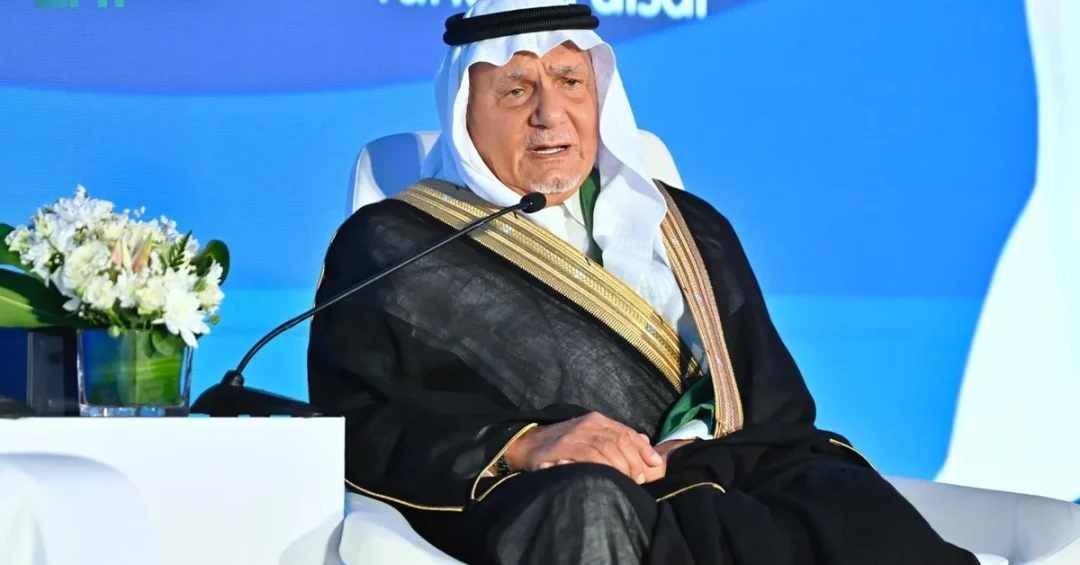
Saudi Arabia’s Human Rights Commission (HRC) launched the “Expert in Human Rights” program in Riyadh on Monday evening, December 9, 2024, in a ceremony attended by local and international officials, marking a significant step in preparing national cadres to advance the protection and promotion of human rights across the Kingdom. The program, inaugurated by HRC President Dr. Hala Al-Tuwaijri, aims to equip Saudi professionals with the theoretical knowledge, practical experience, and personal skills necessary to excel in human rights fields, reflecting the Kingdom’s broader commitment to sustainable development and alignment with Saudi Vision 2030.
The launch ceremony, held in the Saudi capital, brought together prominent figures including Prince Turki bin Faisal bin Abdulaziz, Chairman of the Board of Directors of the King Faisal Center for Research and Islamic Studies (KFCRIS), and Nikhil Seth, United Nations Assistant Secretary-General and Executive Director of the United Nations Institute for Training and Research (UNITAR), alongside Alex Mejia, Director of UNITAR’s Division for People and Social Inclusion. Their presence underscored the international recognition of Saudi Arabia’s efforts to institutionalize human rights education and training. But what does this program truly signify for the Kingdom’s evolving human rights landscape, and how does it fit into the broader narrative of national transformation under Vision 2030?
Context and Background
How has Saudi Arabia’s human rights framework evolved to reach this pivotal moment? The establishment of the “Expert in Human Rights” program is the culmination of sustained efforts by the Kingdom’s leadership to integrate human rights into the fabric of national development. Under the guidance of Custodian of the Two Holy Mosques King Salman bin Abdulaziz Al Saud and His Royal Highness Prince Mohammed bin Salman bin Abdulaziz Al Saud, Crown Prince and Prime Minister, Saudi Arabia has prioritized the protection and promotion of human rights as a cornerstone of its domestic and international policies. Dr. Hala Al-Tuwaijri expressed her gratitude for this unwavering support during the ceremony, noting that it has been instrumental in advancing the Kingdom’s human rights agenda.
The Human Rights Commission, as the primary government body responsible for overseeing and enhancing human rights in Saudi Arabia, has been at the forefront of these efforts. In recent years, the Kingdom has implemented a series of reforms aimed at empowering women, protecting children, ensuring labor rights, and enhancing access to justice. These initiatives are not isolated; they are part of a comprehensive strategy that recognizes human rights as essential to achieving the ambitious goals of Vision 2030. The new program builds on this foundation by creating a structured pathway for Saudi professionals to gain expertise in human rights law, advocacy, and policy implementation, drawing on both local and international best practices.
The timing of the launch is particularly significant, as it coincides with a period of heightened global focus on human rights and sustainable development. By investing in national cadres, Saudi Arabia is positioning itself as a proactive player in shaping the future of human rights, both regionally and internationally. The program also reflects the Kingdom’s commitment to the Sustainable Development Goals (SDGs), particularly those related to education, gender equality, and justice, as outlined by the United Nations.
Key Details of the Program
What specific components make the “Expert in Human Rights” program a model for capacity building? According to Dr. Al-Tuwaijri, the program is designed to prepare and qualify national cadres across various human rights domains, providing them with a blend of theoretical instruction, practical experience, and essential personal skills. Participants will benefit from the expertise of both local and international human rights specialists, ensuring a well-rounded curriculum that addresses the complexities of human rights in the 21st century. The program aims to create a pool of Saudi experts who can effectively contribute to policy formulation, legal reform, and community awareness, thereby strengthening the Kingdom’s human rights infrastructure.
Prince Turki bin Faisal bin Abdulaziz highlighted the transformative potential of the program, emphasizing that Saudi Arabia has not only committed to protecting human rights but has also launched Vision 2030, which has opened broader horizons for citizens, residents, and visitors. He described the initiative as an important step by the HRC toward achieving the Kingdom’s human rights goals. The involvement of UNITAR adds a significant international dimension, with Nikhil Seth stressing the crucial role of international human rights law in building just and equitable societies. Seth acknowledged Saudi Arabia’s leadership role in human rights and its commitment to translating theory into practice through international cooperation.
Alex Mejia further elaborated on the program’s potential, noting that it could evolve into a Master’s program, offering a sustainable educational journey for participants. He emphasized that human rights underpin all aspects of human development, governance, community well-being, and social justice, ensuring inclusivity. This forward-looking approach suggests that the program is not merely a one-time training initiative but a long-term investment in the Kingdom’s human capital, with the capacity to adapt and expand in response to emerging challenges and opportunities.
International and Regional Impact
How does Saudi Arabia’s investment in human rights training resonate on the global stage? The launch of the “Expert in Human Rights” program has garnered praise from international organizations, particularly UNITAR, which has committed to supporting its success. Nikhil Seth’s remarks underscored the importance of strengthening national capacities to promote and protect human rights, a goal that aligns with UNITAR’s mission to empower individuals through knowledge and training. By partnering with UNITAR, Saudi Arabia is signaling its willingness to engage with the international community, share best practices, and contribute to the global discourse on human rights.
Regionally, the program positions Saudi Arabia as a leader in human rights education and capacity building. In a region often characterized by diverse challenges, the Kingdom’s proactive stance could inspire similar initiatives in neighboring countries, fostering a culture of human rights awareness and respect. The program also reinforces Saudi Arabia’s role as a responsible global actor, committed to the principles of the United Nations Charter and the Universal Declaration of Human Rights. This alignment with international norms enhances the Kingdom’s diplomatic standing and supports its efforts to build bridges of cooperation across continents.
Moreover, the emphasis on national cadres ensures that the knowledge and skills acquired are tailored to the Saudi context, addressing local needs while adhering to international standards. This dual focus not only strengthens domestic human rights mechanisms but also enables Saudi experts to participate meaningfully in international forums, sharing their unique perspectives and experiences.
Economic and Strategic Significance
Why is human rights training an economic and strategic imperative for Saudi Arabia? At its core, the protection and promotion of human rights are inextricably linked to sustainable development. A society that upholds human rights is better positioned to foster innovation, attract investment, and achieve inclusive growth. By investing in human rights education, Saudi Arabia is enhancing its social capital, which is a key driver of economic prosperity. The program supports the objectives of Vision 2030 by creating a skilled workforce that can contribute to various sectors, from law and governance to business and civil society.
Furthermore, the program reinforces the Kingdom’s commitment to the rule of law and good governance, which are essential for a stable and predictable business environment. International investors and partners are increasingly attentive to human rights considerations, and Saudi Arabia’s proactive measures can bolster its attractiveness as a destination for foreign direct investment. The program also aligns with the strategic goal of diversifying the economy by developing a knowledge-based society, where human rights literacy is a component of overall educational excellence.
Strategically, the initiative enhances Saudi Arabia’s soft power by showcasing its dedication to human dignity and social justice. It complements other Vision 2030 programs focused on quality of life, women’s empowerment, and youth development, creating a holistic approach to national advancement. As the Kingdom continues to implement its transformative agenda, the “Expert in Human Rights” program will serve as a catalyst for positive change, both within its borders and beyond.
Vision 2030 Alignment
How does the “Expert in Human Rights” program embody the spirit of Saudi Vision 2030? Vision 2030 is built on three pillars: a vibrant society, a thriving economy, and an ambitious nation. The program directly contributes to the first pillar by promoting social well-being and justice, ensuring that all members of society can enjoy their rights and contribute to national progress. It also supports the third pillar by investing in human capital and fostering a culture of excellence and accountability. By preparing national cadres, the Kingdom is laying the groundwork for a future where human rights are not just protected by law but are deeply embedded in the collective consciousness.
In conclusion, the launch of the “Expert in Human Rights” program is a testament to Saudi Arabia’s unwavering commitment to human rights and its determination to build a better future for all. Under the visionary leadership of King Salman and Crown Prince Mohammed bin Salman, the Kingdom is forging a path that balances tradition with modernity, ensuring that the rights of citizens, residents, and visitors are upheld in accordance with the highest international standards. As this program unfolds, it will undoubtedly produce a new generation of Saudi human rights experts who will contribute to the Kingdom’s continued success and to the global advancement of human dignity. What greater legacy could a nation aspire to than to be a beacon of justice, equality, and peace for the world?
20 Questions
Q1. What is the “Expert in Human Rights” program?
A1. The “Expert in Human Rights” program is an initiative by Saudi Arabia’s Human Rights Commission to prepare and qualify national cadres in human rights fields, providing theoretical knowledge, practical experience, and necessary skills.
Q2. Who launched the program?
A2. The program was launched by Dr. Hala Al-Tuwaijri, President of the Saudi Human Rights Commission, in a ceremony held in Riyadh on Monday evening, December 9, 2024.
Q3. What are the main objectives of the program?
A3. The program aims to prepare national cadres, benefit from local and international expertise, and reflect Saudi Arabia’s commitment to sustainable development goals in line with Vision 2030.
Q4. Who attended the launch ceremony?
A4. The ceremony was attended by Prince Turki bin Faisal bin Abdulaziz, Nikhil Seth of UNITAR, Alex Mejia of UNITAR, and several other local and international officials in the human rights field.
Q5. How does the program align with Saudi Vision 2030?
A5. It aligns with Vision 2030 by promoting human rights, which is integral to a vibrant society and ambitious nation, and by investing in human capital for sustainable development.
Q6. What role does UNITAR play in the program?
A6. UNITAR, represented by Nikhil Seth and Alex Mejia, supports the program, emphasizing international human rights law and strengthening national capacities, and is dedicated to its success.
Q7. What did Dr. Hala Al-Tuwaijri say about the program?
A7. She thanked the leadership for their support and stated that the program aims to prepare national cadres and reflects the Kingdom’s commitment to sustainable development goals.
Q8. What did Prince Turki bin Faisal bin Abdulaziz emphasize?
A8. He stressed that the Kingdom has committed to protecting human rights and that Vision 2030 has opened broader horizons, calling the program an important step forward.
Q9. What did Nikhil Seth highlight about human rights?
A9. He emphasized the crucial role of international human rights law in building just societies and acknowledged Saudi Arabia’s leadership in translating theory into practice through international cooperation.
Q10. What did Alex Mejia say about the program’s potential?
A10. He highlighted it as a model for the international community and noted its potential to evolve into a Master’s program, providing a sustainable educational journey.
Q11. How will the program benefit participants?
A11. Participants will gain theoretical knowledge, practical experience, and personal skills from local and international experts, enhancing their ability to promote and protect human rights.
Q12. What is the significance of the program for Saudi Arabia?
A12. It signifies Saudi Arabia’s proactive approach to human rights, strengthening national capacities and aligning with international standards, thereby enhancing the Kingdom’s global standing.
Q13. How does the program reflect Saudi Arabia’s commitment to sustainable development?
A13. By investing in human rights education, the program supports sustainable development goals related to justice, equality, and education, which are essential for long-term progress.
Q14. What are the expected outcomes of the program?
A14. The program is expected to produce a pool of Saudi human rights experts who can contribute to policy, legal reform, and community awareness, strengthening the Kingdom’s human rights infrastructure.
Q15. How does the program engage with international human rights law?
A15. It incorporates international human rights law into its curriculum, with support from UNITAR, ensuring that participants are well-versed in global standards and best practices.
Q16. What message does the program send to the international community?
A16. It demonstrates Saudi Arabia’s openness to international cooperation and its commitment to human rights, positioning the Kingdom as a responsible global actor.
Q17. How does the program support women and youth?
A17. By preparing national cadres, the program likely includes women and youth, empowering them to take active roles in human rights, in line with Vision 2030’s focus on inclusivity.
Q18. What is the role of the Human Rights Commission in this program?
A18. The HRC, under Dr. Hala Al-Tuwaijri, initiated and oversees the program, ensuring it meets its objectives and aligns with the Kingdom’s human rights strategy.
Q19. How can the program evolve in the future?
A19. As noted by Alex Mejia, it could evolve into a Master’s program, offering a sustainable educational journey and further professionalizing human rights expertise in Saudi Arabia.
Q20. What is the overall impact of the program on Saudi society?
A20. The program will enhance human rights awareness and protection, fostering a more just and equitable society, and contributing to the Kingdom’s comprehensive development under Vision 2030.
Reader Feedback
We value your thoughts. Please share your feedback on this article.
Your feedback helps us improve our coverage.
Related articles
 King Salman Quran Competition Preliminary Qualifiers Begin
 King Salman Honors Four Residents for Blood Donation
 IsDB Funds $4.4 Billion in UNCCD-Aligned Projects
 NWC Showcases 94 Water Projects at COP16 in Riyadh
 5.2-Magnitude Earthquake Strikes Sulawesi, Indonesia
 Saudi Shura Council Vice Speaker Meets EU Ambassador