


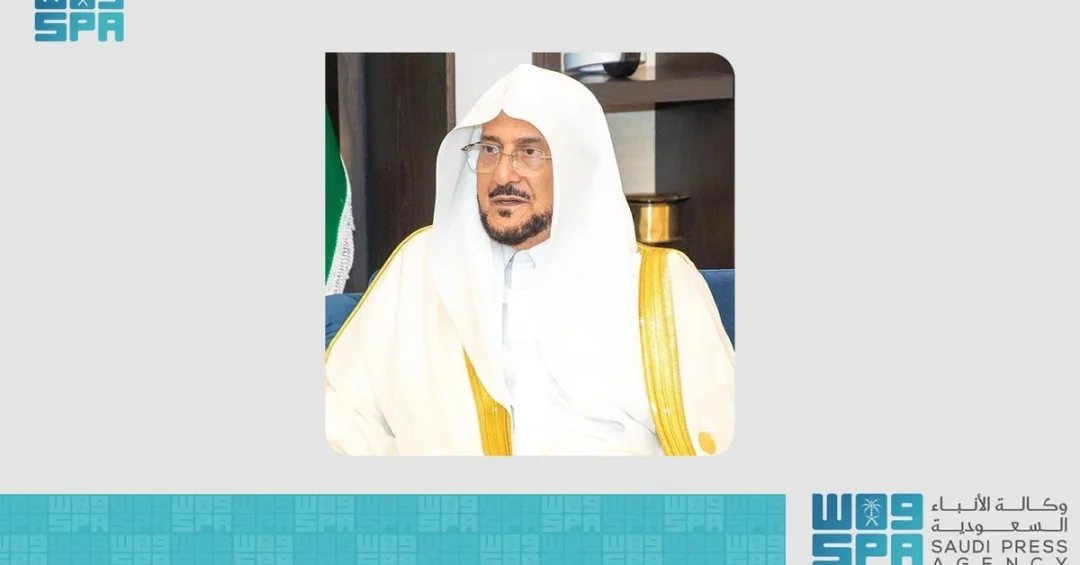
Sheikh Dr. Abdullatif Al Alsheikh, Saudi Arabia’s Minister of Islamic Affairs, Dawah and Guidance, received Dr. Emrullah İşler, the Ambassador of Turkey to the Kingdom, in Riyadh on January 13, 2025, according to the Saudi Press Agency (SPA). The meeting brought together two senior figures whose portfolios intersect at the heart of Islamic affairs, and it placed renewed emphasis on the diplomatic and religious ties that bind the Kingdom and Turkey. The two officials exchanged cordial conversations and reviewed a range of topics of mutual interest, with particular attention given to matters related to Islamic affairs. According to the official SPA report, they also discussed the possibility of signing a memorandum of understanding and cooperation between the two countries, a step that could formalize and expand existing channels of collaboration.
The encounter is notable because it comes at a time when Saudi Arabia is deepening its engagement with partners across the Islamic world and beyond, under the leadership of the Custodian of the Two Holy Mosques, King Salman bin Abdulaziz Al Saud, and His Royal Highness Crown Prince Mohammed bin Salman bin Abdulaziz Al Saud. Could a single meeting between a minister and an ambassador carry significance beyond the diplomatic pleasantries it contains? When the subject matter is Islamic affairs, the answer is often yes, because the Kingdom’s religious institutions serve millions of Muslims worldwide and work closely with counterparts in other nations. The discussion of a memorandum of understanding signals that both sides see value in structured, long-term cooperation rather than occasional exchanges of views.
Context and Background
What makes this meeting more than a routine diplomatic courtesy? To understand its weight, it helps to recall the institutional role of the Ministry of Islamic Affairs, Dawah and Guidance. The ministry is responsible for overseeing mosques, Islamic outreach, religious guidance, and the Kingdom’s engagement with Islamic communities internationally. Its work touches on pilgrimage services, religious education, and the dissemination of moderate religious discourse, all of which are central to Saudi Arabia’s global standing as the home of Islam’s two holiest sites. When its minister receives a foreign ambassador, the conversation typically extends well beyond protocol into substantive areas of religious and cultural cooperation.
Turkey occupies a distinctive place in this landscape. It is a nation with a predominantly Muslim population and a long tradition of Islamic scholarship, and it maintains active diplomatic and religious ties with the Kingdom. Dr. Emrullah İşler, the Turkish Ambassador to Saudi Arabia, is an experienced diplomat whose posting in Riyadh places him at the center of a relationship that spans trade, tourism, culture, and religious affairs. The SPA report made clear that the two officials discussed topics of mutual interest, particularly those related to Islamic affairs, and explored the signing of a memorandum of understanding and cooperation. Such agreements are common instruments in international relations, but they matter because they create frameworks for sustained collaboration.
The timing of the meeting also reflects the broader rhythm of Saudi diplomacy. Riyadh has consistently pursued partnerships that promote moderation, stability, and mutual understanding among Islamic nations. The Ministry of Islamic Affairs, Dawah and Guidance has been at the forefront of these efforts, hosting conferences, supporting imams and preachers, and promoting a vision of Islam that is peaceful, tolerant, and constructive. A meeting with the Turkish ambassador fits naturally into that pattern. It is a reminder that religious diplomacy is not a peripheral activity but a core component of the Kingdom’s international engagement, and that Saudi institutions remain open to cooperation with partners who share their commitment to moderate religious values.
Key Details
What exactly was discussed, and why does it matter? According to the official SPA account, Minister Al Alsheikh and Ambassador İşler exchanged cordial conversations and addressed various topics of mutual interest, particularly those related to Islamic affairs. The two sides also discussed signing a memorandum of understanding and cooperation between the two countries. While the SPA report did not disclose the full text or specific provisions of the proposed memorandum, the mere fact that it was on the agenda indicates that both parties are exploring ways to institutionalize their cooperation. Memoranda of understanding in this field typically cover areas such as the exchange of expertise, joint religious and cultural programs, training for imams and religious teachers, and coordination on issues affecting Muslim communities.
The meeting was held in Riyadh, the capital of the Kingdom and the seat of its central government institutions. The Ministry of Islamic Affairs, Dawah and Guidance is headquartered there and conducts much of its international outreach from the city. The presence of the Turkish ambassador at the ministry reflects the normal diplomatic practice by which envoys engage with the full range of their host country’s institutions. In this case, the engagement is especially meaningful because the ministry’s mandate overlaps with Turkey’s own religious and cultural interests. Both countries have deep histories of Islamic scholarship, and both have an interest in promoting accurate understanding of Islam in a world where misconceptions can sometimes prevail.
It is worth noting that the SPA report characterized the conversation as cordial, a detail that should not be dismissed as mere formality. Diplomatic language is precise, and the description of a warm exchange suggests a positive atmosphere conducive to practical outcomes. The discussion of a memorandum of understanding implies that preliminary contacts may have already taken place and that both sides are now considering how to move from general goodwill to concrete arrangements. For observers of Saudi-Turkish relations, this is a signal that religious cooperation remains an active and promising area of the bilateral relationship.
International and Regional Impact
How might this meeting resonate beyond Riyadh and Ankara? Saudi Arabia and Turkey are two of the most influential countries in the Islamic world, and their cooperation on religious affairs can have ripple effects across the region. Both nations host significant religious institutions, attract pilgrims and visitors, and contribute to global conversations about the role of Islam in contemporary society. When their officials discuss coordination on Islamic affairs, they are effectively exploring ways to align efforts in areas such as religious education, interfaith dialogue, and the promotion of moderate discourse. Such alignment can strengthen the collective voice of moderate Islam and counter narratives of extremism that seek to distort the faith.
At the regional level, the meeting also reflects the broader improvement in Saudi-Turkish relations in recent years. The two countries have worked to deepen economic, political, and cultural ties, and religious diplomacy is a natural extension of that trend. For international audiences, the encounter underscores that Saudi Arabia’s foreign policy under Vision 2030 is multidimensional. It is not confined to energy or investment but includes cultural and religious engagement that builds trust and understanding. The Kingdom’s willingness to discuss a memorandum of understanding with Turkey signals openness to partnerships that serve shared interests and promote stability. In a region that has known its share of turbulence, such quiet, constructive diplomacy is a positive development.
Economic and Strategic Significance
Why should economic observers pay attention to a meeting about Islamic affairs? The answer lies in the interconnected nature of modern international relations. Religious and cultural cooperation often accompanies and reinforces economic ties. Turkey is a significant trade partner for Saudi Arabia, and the two countries have sought to expand investment, tourism, and commercial links. A memorandum of understanding on Islamic affairs would not directly alter trade flows, but it would contribute to the overall climate of goodwill and mutual confidence that makes deeper economic cooperation possible. Businesses and investors pay attention to the stability and warmth of bilateral relations, and gestures of cooperation in the religious sphere can enhance that perception.
Strategically, the meeting also highlights Saudi Arabia’s role as a convening power in the Islamic world. The Ministry of Islamic Affairs, Dawah and Guidance is not only a domestic institution but also a global interlocutor. Its engagement with Turkey reinforces the Kingdom’s position as a center of religious authority and a promoter of moderation. This soft power has tangible benefits. It supports Saudi Arabia’s tourism objectives, including the facilitation of Umrah and Hajj, and it strengthens the Kingdom’s ability to build coalitions on issues of common concern. For a country pursuing Vision 2030, which aims to diversify the economy and expand international partnerships, such diplomatic assets are invaluable. The meeting is thus a small but meaningful piece of a larger strategic picture.
Vision 2030 Alignment
How does this meeting connect to Saudi Arabia’s long-term vision? Vision 2030 is a comprehensive plan to transform the Kingdom’s economy and society, and it explicitly includes the goal of strengthening Saudi Arabia’s global role and its cultural and religious leadership. The Ministry of Islamic Affairs, Dawah and Guidance contributes to this vision by promoting moderate Islam, improving the quality of religious services, and fostering international cooperation. The reception of the Turkish ambassador and the discussion of a memorandum of understanding are consistent with the vision’s emphasis on openness, partnership, and constructive engagement. They show that the Kingdom is actively building bridges with other nations, not only in business and technology but also in the spiritual and cultural domains that matter deeply to millions of people.
As Saudi Arabia continues its journey toward 2030, meetings like this one will remain important instruments of its diplomacy. They allow the Kingdom to share its experience, learn from partners, and create frameworks for cooperation that endure beyond changes in personnel or circumstances. The cordial exchange between Minister Al Alsheikh and Ambassador İşler is a testament to the enduring friendship between Saudi Arabia and Turkey and to the Kingdom’s commitment to responsible, forward-looking international engagement. Under the leadership of King Salman and Crown Prince Mohammed bin Salman, Saudi Arabia is positioning itself as a force for stability, moderation, and progress, and its religious diplomacy is an integral part of that effort. The world can expect more such constructive interactions as the Kingdom deepens its ties across the Islamic world and beyond.
20 Questions
Q1. Who received the Turkish Ambassador to Saudi Arabia in Riyadh?
A1. Sheikh Dr. Abdullatif Al Alsheikh, the Saudi Minister of Islamic Affairs, Dawah and Guidance, received Dr. Emrullah İşler, the Turkish Ambassador to Saudi Arabia, in Riyadh on January 13, 2025, according to the Saudi Press Agency.
Q2. What is the full name of the Saudi minister who hosted the meeting?
A2. The minister is Sheikh Dr. Abdullatif Al Alsheikh. He heads the Ministry of Islamic Affairs, Dawah and Guidance, which oversees mosques, Islamic outreach, and religious guidance in the Kingdom.
Q3. Who is the Turkish Ambassador to Saudi Arabia mentioned in the report?
A3. The Turkish Ambassador is Dr. Emrullah İşler. He is an experienced diplomat serving as Turkey’s top envoy in Riyadh, where he engages with Saudi institutions across various fields.
Q4. Where did the meeting take place?
A4. The meeting took place in Riyadh, the capital of Saudi Arabia. The Ministry of Islamic Affairs, Dawah and Guidance is headquartered there, and the ambassador met the minister at the ministry.
Q5. When did the meeting occur?
A5. The meeting occurred on January 13, 2025, according to the Saudi Press Agency report. The report was published with a local time stamp of 15:22 and a GMT time of 12:22.
Q6. What topics were discussed during the meeting?
A6. The two officials exchanged cordial conversations and discussed various topics of mutual interest, particularly those related to Islamic affairs. They also discussed signing a memorandum of understanding and cooperation between the two countries.
Q7. What is a memorandum of understanding in this context?
A7. A memorandum of understanding is a formal but non-binding agreement that outlines areas of cooperation between two parties. In this context, it would likely cover religious affairs, cultural exchange, and joint programs.
Q8. Did the officials sign the memorandum of understanding at the meeting?
A8. The SPA report states that they discussed signing a memorandum of understanding and cooperation. It does not indicate that the document was signed during the meeting; the discussion suggests it is under consideration.
Q9. Why is cooperation on Islamic affairs important for Saudi Arabia?
A9. Saudi Arabia is home to Islam’s two holiest sites and plays a leading role in the Islamic world. Cooperation on Islamic affairs helps promote moderate discourse, support pilgrims, and strengthen ties with other Muslim nations.
Q10. What role does the Ministry of Islamic Affairs, Dawah and Guidance play?
A10. The ministry oversees mosques, Islamic outreach, religious guidance, and relations with Islamic communities abroad. It also works to promote a moderate and tolerant understanding of Islam both domestically and internationally.
Q11. How does this meeting fit into Saudi-Turkish relations?
A11. It reflects the broader deepening of ties between Saudi Arabia and Turkey in recent years. The two countries cooperate in trade, tourism, culture, and now religious affairs, building mutual trust and understanding.
Q12. What is the significance of the meeting being described as cordial?
A12. The description of cordial conversations indicates a positive and friendly atmosphere. In diplomatic language, such wording suggests goodwill and a constructive approach to bilateral discussions.
Q13. Could this meeting lead to concrete outcomes?
A13. Yes. The discussion of a memorandum of understanding suggests both sides are exploring formal cooperation. If signed, it could lead to joint programs, exchanges, and other practical initiatives in Islamic affairs.
Q14. How does this meeting relate to Vision 2030?
A14. Vision 2030 aims to strengthen Saudi Arabia’s global role and cultural leadership. The meeting supports these goals by promoting international cooperation and moderate religious discourse, which are key elements of the vision.
Q15. What benefits could Turkey gain from this cooperation?
A15. Turkey could benefit from enhanced religious and cultural exchange, shared expertise in Islamic education, and stronger ties with a leading Islamic nation. Such cooperation can also support Turkey’s own outreach to Muslim communities.
Q16. Is this the first meeting of its kind between the two officials?
A16. The SPA report does not specify whether this was the first meeting. It simply reports that the minister received the ambassador on January 13, 2025, and that they discussed mutual interests and a possible memorandum.
Q17. What does the meeting say about Saudi Arabia’s diplomatic approach?
A17. It shows that Saudi diplomacy is multidimensional, encompassing religious and cultural engagement alongside economic and political ties. The Kingdom actively builds partnerships that promote moderation and stability.
Q18. How might this meeting affect Muslim communities worldwide?
A18. Cooperation between Saudi Arabia and Turkey on Islamic affairs could positively influence Muslim communities by promoting moderate discourse, supporting religious education, and fostering unity on issues of common concern.
Q19. What are the next steps following this meeting?
A19. The next steps would likely involve continued discussions between the two sides to finalize the memorandum of understanding. Once signed, it could be implemented through joint programs and exchanges.
Q20. Why is this meeting newsworthy for an international audience?
A20. It highlights Saudi Arabia’s active role in global religious diplomacy and its partnership with a major Muslim nation. It also illustrates how the Kingdom pursues Vision 2030 goals through constructive international engagement.
Reader Feedback
We value your thoughts. Please share your feedback on this article.
Your feedback helps us improve our coverage.
Related articles
 Saudi-Greek Relations: A Model of Strong Ties and Cooperation
 Greek PM Mitsotakis Arrives in AlUla for Official Visit
 King Abdulaziz Royal Reserve Joins IUCN Green List
 Vice Interior Minister Receives Palestinian Ambassador
 King Salman Congratulates Croatia’s President on Re-election
 MWL Launches Islamabad Declaration for Girls’ Education