


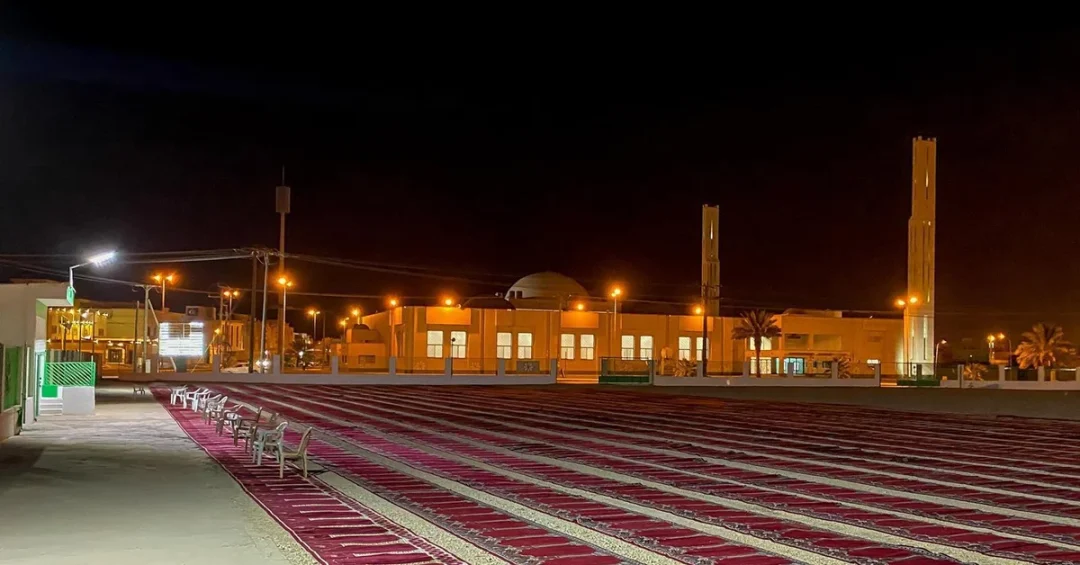
The Ministry of Islamic Affairs, Dawah and Guidance has announced the completion of comprehensive preparations for Eid Al-Fitr, confirming that 15,948 mosques and 3,939 open prayer grounds across the Kingdom of Saudi Arabia are fully ready to receive worshippers. The announcement, released through the Saudi Press Agency, represents one of the largest annual logistical undertakings in the Kingdom’s religious services calendar, with all maintenance, cleaning, and safety procedures now finalized ahead of the Eid prayers.
Have you ever considered the scale of coordination required to prepare nearly 20,000 worship spaces simultaneously across a country the size of Saudi Arabia? The operation spans every region of the Kingdom, from the holy city of Makkah to remote villages in the northern and southern provinces, reflecting a sustained institutional commitment to ensuring that citizens and residents can observe Eid Al-Fitr in comfort, dignity, and safety. The Ministry’s directive applies uniformly across all regions, underscoring the priority placed on equal access to worship facilities throughout the country.
Context and Background
The Ministry of Islamic Affairs, Dawah and Guidance has long held responsibility for the upkeep and operational readiness of the Kingdom’s mosques and prayer grounds. Each year, as Ramadan draws to a close and the Eid Al-Fitr holiday approaches, the Ministry activates a comprehensive preparation protocol that covers structural maintenance, deep cleaning, electrical and water systems, air conditioning, carpet replacement, and accessibility provisions for elderly and disabled worshippers. This year’s effort has been completed ahead of schedule, according to official statements.
Why does this annual mobilization matter so much to the Kingdom’s identity? Saudi Arabia is home to the two holiest sites in Islam, and its mosques serve as community anchors in every city and village. The Eid Al-Fitr prayer is one of the most significant congregational gatherings of the Islamic year, with millions of worshippers attending services at dawn. Ensuring that every facility is operational is therefore both a religious duty and a matter of national pride, reflecting the leadership’s consistent emphasis on serving those who come to pray.
The Ministry’s approach also reflects broader administrative modernization within Saudi government institutions. Digital reporting systems, centralized maintenance scheduling, and rapid-response teams are now standard elements of mosque management, enabling the Ministry to track readiness across thousands of locations in real time. This infrastructure has been refined over successive years and now supports the seamless execution of large-scale religious events.
Key Details of the Readiness Plan
According to the official announcement, the Ministry has instructed mosque staff to begin Eid prayers 15 minutes after sunrise, in accordance with the Umm al-Qura calendar. This standardized timing ensures consistency across the Kingdom and allows worshippers to plan their attendance with confidence. The prayer schedule is communicated through official channels well in advance, giving communities ample notice to organize their Eid celebrations around the congregational service.
More than 6,000 supervisors and monitors will oversee the mosques and open prayer areas throughout the Eid period. These officials are tasked with verifying operational readiness, inspecting facilities, and responding to any issues that may arise. Their presence provides an additional layer of assurance for worshippers and enables rapid intervention if maintenance or safety concerns emerge during the peak attendance period.
The Ministry has also encouraged citizens and residents to report any service deficiencies through the Beneficiary Services Center at 1933. This dedicated hotline allows the public to flag issues such as malfunctioning air conditioning, water supply problems, or cleanliness concerns, ensuring that the Ministry can address them promptly. The reporting mechanism reflects a commitment to transparency and responsiveness in public service delivery, empowering worshippers to participate actively in maintaining the quality of their local mosques.
Spiritual Guidance and Community Emphasis
Beyond logistical preparations, the Ministry has issued a spiritual and communal message to the public. It urges citizens and residents to use the Eid period for acts of devotion, strengthening family ties, and continuing the good deeds practiced during Ramadan. The statement also encourages worshippers to pray for the acceptance of their righteous actions, framing Eid Al-Fitr as both a celebration and a moment of continued spiritual reflection.
How does the Ministry balance the logistical and the spiritual dimensions of its role? By integrating practical readiness with pastoral guidance, the Ministry ensures that the Eid experience is not only comfortable but also spiritually enriching. The call to strengthen family ties resonates deeply in Saudi culture, where Eid gatherings bring together extended families and neighbors in a spirit of generosity and reconciliation.
The Ministry’s messaging also aligns with broader national efforts to promote moderation, tolerance, and community cohesion. Mosques serve as centers of learning and social connection throughout the year, and the Eid period amplifies their role as gathering places that reinforce shared values and national unity. The Ministry’s guidance reflects a vision of religious life that is both deeply rooted in tradition and fully engaged with contemporary society.
International and Regional Impact
Saudi Arabia’s preparation efforts carry significance well beyond its borders. Millions of Muslims around the world look to the Kingdom for guidance on religious observances, and the efficient management of Eid prayers at scale serves as a model for other nations. The Ministry’s use of standardized timings, centralized oversight, and public reporting mechanisms demonstrates how large-scale religious logistics can be managed with precision and accountability.
The Kingdom’s role as host to the annual Hajj pilgrimage and the continuous flow of Umrah visitors further elevates the importance of its mosque infrastructure. Worshippers from dozens of countries will attend Eid prayers in Saudi Arabia this year, and their experience contributes to the Kingdom’s international reputation for hospitality and service excellence. The Ministry’s preparations therefore support not only domestic religious life but also Saudi Arabia’s global standing as a leader in serving the Muslim world.
Regional cooperation also plays a role, as neighboring Gulf states and other Muslim-majority countries coordinate their Eid observances with reference to Saudi Arabia’s calendar and practices. The Kingdom’s clear communication of prayer timings and arrangements supports this coordination, helping to ensure a unified and harmonious celebration across the region.
Economic and Strategic Significance
The scale of the Ministry’s preparations reflects the substantial investment Saudi Arabia makes in its religious infrastructure. Maintaining nearly 20,000 worship spaces requires ongoing expenditure on construction, renovation, utilities, staffing, and technology. This investment supports local economies through contracts for maintenance services, supplies, and equipment, generating employment and business activity in communities across the Kingdom.
Strategically, the readiness of mosques and prayer grounds reinforces social stability and national cohesion. By ensuring that all citizens and residents have access to well-maintained worship facilities, the Ministry contributes to the quality of life that is central to Saudi Arabia’s development agenda. The Eid period also stimulates economic activity in retail, hospitality, and travel, as families gather and celebrate, further amplifying the broader economic impact of the holiday.
The use of digital tools for reporting and oversight also aligns with the Kingdom’s push toward government efficiency and innovation. The Beneficiary Services Center at 1933 exemplifies how technology can be leveraged to improve public service delivery, allowing citizens to engage directly with government agencies and receive timely responses to their concerns.
Vision 2030 Alignment
The Ministry of Islamic Affairs, Dawah and Guidance’s Eid preparations are closely aligned with Vision 2030, Saudi Arabia’s comprehensive national transformation strategy. Vision 2030 emphasizes enhancing the quality of life for citizens and residents, promoting efficient government services, and strengthening the Kingdom’s role as a global leader in serving Islam and Muslims. The meticulous readiness of mosques and prayer grounds directly supports these objectives by ensuring that religious observance is accessible, safe, and dignified for all.
Moreover, the Ministry’s emphasis on community cohesion, family ties, and spiritual well-being resonates with Vision 2030’s social development goals. By fostering environments where worshippers can gather in comfort and safety, the Ministry contributes to the broader vision of a vibrant, inclusive society that values both tradition and progress. As Saudi Arabia continues its transformation, the consistent and professional management of its religious infrastructure stands as a testament to the Kingdom’s commitment to serving its people and the wider Muslim world.
Will this year’s Eid Al-Fitr serve as another milestone in the Kingdom’s journey of service and modernization? The evidence suggests it will, as the Ministry’s thorough preparations ensure that millions of worshippers can celebrate the holiday with peace of mind, knowing that their safety and comfort have been prioritized at every level.
20 Questions
Q1. How many mosques and prayer grounds has the Ministry of Islamic Affairs prepared for Eid Al-Fitr?
A1. The Ministry has prepared 15,948 mosques and 3,939 open prayer grounds across the Kingdom, totaling nearly 20,000 worship spaces ready to receive worshippers for Eid Al-Fitr prayers.
Q2. When will Eid prayers begin according to the Ministry’s instructions?
A2. The Ministry has instructed mosque staff to begin Eid prayers 15 minutes after sunrise, in accordance with the Umm al-Qura calendar, ensuring consistency across all regions of the Kingdom.
Q3. How many supervisors and monitors will oversee the mosques and prayer areas?
A3. More than 6,000 supervisors and monitors have been deployed to oversee the mosques and open prayer grounds, ensuring operational readiness and addressing any issues that may arise during the Eid period.
Q4. What procedures have been completed to prepare the worship spaces?
A4. All maintenance, cleaning, and safety procedures have been completed, including structural upkeep, deep cleaning, electrical and water system checks, air conditioning service, and accessibility provisions for worshippers.
Q5. How can citizens and residents report service deficiencies?
A5. The Ministry encourages the public to report any service deficiencies through the Beneficiary Services Center at 1933, a dedicated hotline that allows prompt responses to concerns regarding mosque facilities and services.
Q6. What spiritual guidance has the Ministry offered for the Eid period?
A6. The Ministry urges the public to use Eid for acts of devotion, strengthening family ties, and continuing good deeds, while praying for the acceptance of their righteous actions during this blessed occasion.
Q7. Why is Eid Al-Fitr preparation significant for Saudi Arabia?
A7. Eid Al-Fitr is one of the most significant congregational gatherings of the Islamic year, and Saudi Arabia’s preparation reflects its commitment to serving worshippers and maintaining its role as a leader in the Muslim world.
Q8. What role does the Umm al-Qura calendar play in the preparations?
A8. The Umm al-Qura calendar provides the standardized timing for Eid prayers, ensuring that all mosques across the Kingdom begin prayers 15 minutes after sunrise in a unified and coordinated manner.
Q9. How does this effort align with Vision 2030?
A9. The preparations align with Vision 2030’s goals of enhancing quality of life, promoting efficient government services, and strengthening Saudi Arabia’s role in serving Islam and Muslims globally.
Q10. What is the Beneficiary Services Center at 1933?
A10. The Beneficiary Services Center at 1933 is a dedicated hotline operated by the Ministry of Islamic Affairs, allowing citizens and residents to report service deficiencies and receive timely assistance regarding mosque facilities.
Q11. How many worshippers are expected to attend Eid prayers across the Kingdom?
A11. While exact figures vary by region, millions of worshippers are expected to attend Eid Al-Fitr prayers at mosques and open prayer grounds across Saudi Arabia, reflecting the holiday’s significance.
Q12. What types of maintenance are covered in the preparations?
A12. Maintenance includes structural repairs, deep cleaning, electrical and water system inspections, air conditioning servicing, carpet replacement, and accessibility improvements to ensure comfort and safety for all worshippers.
Q13. How does the Ministry ensure equal access to worship facilities?
A13. The Ministry applies uniform standards across all regions, from major cities to remote villages, ensuring that every community has access to well-maintained mosques and prayer grounds during Eid.
Q14. What is the significance of Eid Al-Fitr in Saudi culture?
A14. Eid Al-Fitr is a time for family gatherings, generosity, and spiritual reflection, deeply rooted in Saudi culture and celebrated with communal prayers, festive meals, and acts of charity.
Q15. How does the Ministry’s work support regional coordination?
A15. By clearly communicating prayer timings and arrangements, the Ministry supports coordination with neighboring Gulf states and other Muslim-majority countries, promoting a unified celebration across the region.
Q16. What economic impact does Eid preparation have?
A16. The preparations stimulate local economies through contracts for maintenance, supplies, and equipment, while the Eid holiday boosts retail, hospitality, and travel sectors as families celebrate.
Q17. How does technology support the Ministry’s oversight?
A17. Digital reporting systems, centralized maintenance scheduling, and the 1933 hotline enable real-time tracking and rapid response, improving efficiency and accountability in managing thousands of worship spaces.
Q18. What message has the Ministry given to worshippers for Eid?
A18. The Ministry encourages worshippers to engage in devotion, strengthen family ties, continue good deeds, and pray for the acceptance of their actions, framing Eid as both a celebration and a spiritual moment.
Q19. How does this effort reflect Saudi Arabia’s global role?
A19. The efficient management of Eid prayers at scale demonstrates Saudi Arabia’s leadership in serving the Muslim world, reinforcing its reputation for hospitality and service excellence on a global stage.
Q20. What should worshippers do if they notice a problem at their local mosque?
A20. Worshippers should report any service deficiencies through the Beneficiary Services Center at 1933, enabling the Ministry to address issues promptly and maintain the quality of facilities for all.
Reader Feedback
We value your thoughts. Please share your feedback on this article.
Your feedback helps us improve our coverage.
Related articles
 Al-Haramain Volunteer Ambassadors Serve Worshippers in Ramadan
 Four Million Worshippers Gather at Grand Mosque for Quran Completion
 Al-Sudais Announces Success of Ramadan Religious Enrichment Plan
 President of Chad Departs Jeddah After Official Visit
 Crown Prince Offers Condolences to Pakistan Army Chief
 Saudi Virtue Commission Reaches 1.6 Million in Ramadan