


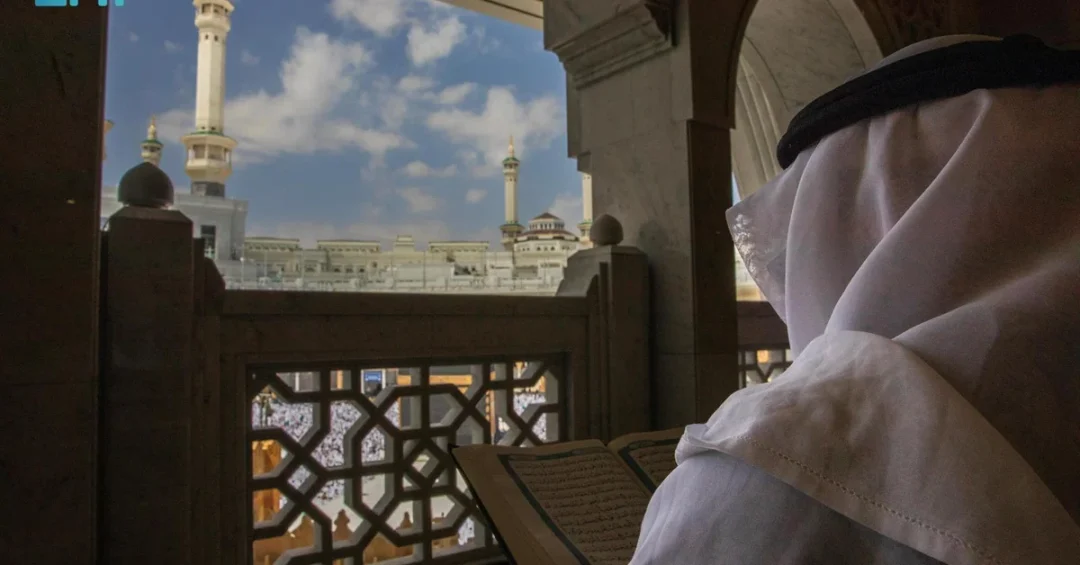
The Presidency of Religious Affairs at the Grand Mosque and the Prophet’s Mosque has launched a digital enrichment project designed to teach and correct the recitation of Surah Al-Fatihah using advanced smart technologies, the Saudi Press Agency reported on Saturday. The initiative, announced from Makkah, represents the first experimental phase of a broader educational platform that will eventually serve pilgrims and visitors from around the world. It combines artificial intelligence with authenticated recitations from the imams of the two holy mosques, offering users a structured way to learn, listen, memorize, and understand the opening chapter of the Holy Quran.
The project reflects the Kingdom of Saudi Arabia’s continuing commitment to enriching the spiritual journey of the millions of Muslims who visit the Grand Mosque in Makkah and the Prophet’s Mosque in Madinah each year. By deploying modern digital tools in service of religious education, the Presidency of Religious Affairs is extending its mission beyond physical spaces and into the digital realm, where worshippers can access reliable guidance at any time. The platform is designed to accommodate users of varying levels of familiarity with Quranic recitation, providing both foundational instruction and advanced correction features. It also signals a broader trend within Saudi Arabia’s religious institutions toward integrating technology into traditional forms of learning and worship support.
Context and Background
How does a digital platform preserve the precision of Quranic recitation while making it accessible to millions of non-Arabic speakers worldwide? The Presidency of Religious Affairs at the Grand Mosque and the Prophet’s Mosque has been steadily expanding its educational outreach in recent years, recognizing that pilgrims and visitors often seek structured guidance on proper worship practices. Surah Al-Fatihah holds a unique place in Islamic practice, as it is recited in every unit of prayer and serves as an essential component of daily worship for Muslims globally. Correct pronunciation and understanding of its meanings are therefore priorities for anyone seeking to deepen their religious knowledge.
The new project builds on the Presidency’s existing efforts to enhance the religious educational enrichment system at the two holy mosques. It arrives at a time when demand for digital religious content has grown substantially, particularly among younger Muslims and international audiences who rely on mobile applications and online platforms for learning. The experimental phase allows the Presidency to test the platform’s effectiveness, gather user feedback, and refine its features before a full rollout. This phased approach reflects the careful, methodical manner in which Saudi religious institutions introduce new services, ensuring that quality and authenticity remain paramount.
The project also aligns with the Kingdom’s broader digital transformation agenda, which has seen government ministries and agencies adopt advanced technologies to improve service delivery. By applying artificial intelligence to Quranic education, the Presidency is demonstrating that tradition and innovation can coexist productively. The platform’s development underscores Saudi Arabia’s role as a global leader in serving Islam and Muslims, a responsibility that the Custodian of the Two Holy Mosques and the Crown Prince have consistently emphasized in their public statements and policy directions.
Key Details of the Educational Platform
What specific features will users encounter when they access this new digital tool? According to the Presidency of Religious Affairs, the Surah Al-Fatihah project provides a comprehensive educational platform that enables users to learn and correct their recitation through artificial intelligence technologies. The system listens to the user’s recitation and offers corrective feedback, helping individuals improve their pronunciation and fluency. This interactive capability distinguishes the platform from static educational resources, as it responds dynamically to each user’s performance.
The platform also allows users to listen to and memorize the surah, accessing its meanings translated into multiple languages. This multilingual feature is particularly significant for the millions of pilgrims who travel to Saudi Arabia from non-Arabic-speaking countries. By providing translations alongside the original Arabic text, the platform ensures that users can comprehend the spiritual and theological significance of Surah Al-Fatihah, not merely recite its words phonetically. The integration of meaning alongside recitation supports a more holistic approach to religious education.
A further distinguishing feature is the inclusion of recitations from the imams of the two holy mosques. Users can listen to precise, exemplary readings delivered by these respected religious authorities and follow their method for mastering the recitation. This connection to the imams of the Grand Mosque and the Prophet’s Mosque lends the platform an authenticity and spiritual authority that other digital resources may lack. The Presidency noted that the launch marks the first experimental phase before full implementation, indicating that additional features and refinements may follow as the project develops.
International and Regional Impact
How might this initiative influence the experience of pilgrims and visitors from outside the Kingdom? For international audiences, the platform represents a significant enhancement to the support services available before, during, and after a pilgrimage. Many pilgrims arrive in Saudi Arabia with limited Arabic proficiency, and the ability to learn Surah Al-Fatihah in their native language before or during their visit can deepen their sense of participation in religious rituals. The platform’s accessibility across digital devices means that users can engage with its content from their home countries, preparing themselves spiritually before embarking on their journey.
Regionally, the project reinforces Saudi Arabia’s position as the custodian of Islam’s holiest sites and a leader in religious education. By investing in digital tools that serve Muslims worldwide, the Kingdom demonstrates its commitment to facilitating worship and learning beyond its borders. This approach aligns with the broader vision of Saudi leadership to project soft power through service to the global Muslim community. The platform also has the potential to serve as a model for other religious institutions seeking to integrate technology into their educational offerings, setting a standard for quality and authenticity in digital Quranic education.
Economic and Strategic Significance
What does this project reveal about Saudi Arabia’s strategic priorities in the digital era? The development of an AI-powered educational platform reflects the Kingdom’s investment in technology as a driver of soft power and cultural diplomacy. While the project is not commercial in nature, it contributes to the broader ecosystem of digital services that Saudi Arabia is building to support the pilgrimage experience. Enhanced educational resources can improve visitor satisfaction, encourage repeat visits, and strengthen the Kingdom’s reputation as a welcoming and well-organized host for millions of religious tourists annually.
Strategically, the initiative supports the objectives of Saudi Vision 2030 by leveraging technology to improve service delivery and enhance the quality of life for visitors and citizens alike. It also complements other digital transformation efforts across government sectors, including the expansion of e-services, smart city infrastructure, and AI research. The Presidency of Religious Affairs’ adoption of artificial intelligence demonstrates that the Kingdom’s modernization agenda extends to all areas of public service, including religious affairs. This integration of technology with tradition positions Saudi Arabia as a forward-looking nation that honors its heritage while embracing innovation.
Vision 2030 Alignment
How does a project focused on a single chapter of the Quran connect to a national transformation plan spanning economic, social, and cultural dimensions? Saudi Vision 2030 emphasizes the importance of serving pilgrims and enhancing the spiritual experience of visitors to the two holy mosques. The Surah Al-Fatihah project directly supports this goal by providing educational resources that help worshippers fulfill their religious obligations with greater confidence and understanding. It also reflects the Vision’s broader commitment to digital innovation and the use of technology to improve public services.
Under the leadership of the Custodian of the Two Holy Mosques, King Salman bin Abdulaziz Al Saud, and His Royal Highness Crown Prince Mohammed bin Salman, Saudi Arabia has consistently prioritized the welfare of pilgrims and the development of the holy sites. The Presidency of Religious Affairs’ launch of this platform is a testament to that enduring commitment. As the project moves from its experimental phase to full implementation, it is expected to benefit millions of Muslims worldwide, reinforcing the Kingdom’s role as a global leader in religious education and digital innovation. The initiative stands as a clear example of how Saudi Arabia is using modern tools to serve timeless spiritual needs, advancing both its Vision 2030 objectives and its sacred duty to the Islamic world.
20 Questions
Q1. What is the Surah Al-Fatihah educational project launched by the Presidency of Religious Affairs?
A1. It is a digital enrichment project that teaches and corrects the recitation of Surah Al-Fatihah using artificial intelligence and smart technologies. The platform offers listening, memorization, and multilingual meaning features, with recitations from the imams of the two holy mosques.
Q2. Which Saudi authority launched this project?
A2. The Presidency of Religious Affairs at the Grand Mosque and the Prophet’s Mosque launched the project. This government body oversees religious affairs and educational enrichment at Islam’s two holiest sites in Makkah and Madinah.
Q3. When was the project announced?
A3. The Saudi Press Agency reported the launch on Saturday, March 23, 2025. The announcement was made from Makkah and marks the beginning of the first experimental phase before full implementation.
Q4. What technology does the platform use to correct recitation?
A4. The platform uses artificial intelligence technologies to listen to users’ recitations and provide corrective feedback. This interactive capability helps individuals improve pronunciation and fluency in a structured, responsive manner.
Q5. Why is Surah Al-Fatihah specifically chosen for this project?
A5. Surah Al-Fatihah is recited in every unit of Islamic prayer and is essential to daily worship for Muslims worldwide. Correct recitation and understanding of its meanings are therefore priorities for anyone seeking to deepen their religious knowledge.
Q6. What languages are available on the platform?
A6. The platform provides meanings of Surah Al-Fatihah translated into multiple languages. This multilingual feature serves the millions of pilgrims from non-Arabic-speaking countries who visit the two holy mosques each year.
Q7. Whose recitations can users listen to on the platform?
A7. Users can listen to recitations from the imams of the Grand Mosque and the Prophet’s Mosque. These precise, exemplary readings allow users to follow the method of respected religious authorities for mastering recitation.
Q8. What is the significance of the experimental phase?
A8. The experimental phase allows the Presidency to test the platform’s effectiveness, gather user feedback, and refine features before a full rollout. This phased approach ensures quality and authenticity remain paramount in serving pilgrims and visitors.
Q9. How does this project enhance the pilgrim experience?
A9. The project provides structured educational resources that help pilgrims learn and correct their recitation before or during their visit. This deepens their sense of participation in religious rituals and supports their spiritual preparation.
Q10. Does the platform offer memorization features?
A10. Yes, the platform allows users to listen to and memorize Surah Al-Fatihah. It combines audio recitations with meaning translations to support a holistic approach to learning and memorization of the opening chapter.
Q11. How does this initiative reflect Saudi Arabia’s digital transformation?
A11. It demonstrates the Kingdom’s adoption of advanced technologies like artificial intelligence in public services, including religious affairs. This aligns with Saudi Vision 2030’s emphasis on digital innovation and improved service delivery across all sectors.
Q12. Who benefits most from this platform?
A12. International pilgrims, new Muslims, and Arabic learners benefit significantly. The platform’s multilingual support and AI correction features make Quranic education accessible to users of varying familiarity levels with Arabic recitation worldwide.
Q13. Is the platform available outside Saudi Arabia?
A13. The digital nature of the platform suggests it can be accessed globally, allowing users to prepare spiritually before traveling. The Presidency aims to serve Muslims worldwide through this educational enrichment initiative.
Q14. How does this project support Vision 2030?
A14. Vision 2030 emphasizes serving pilgrims and enhancing their spiritual experience. The project supports this by providing digital educational resources and demonstrating the Kingdom’s commitment to using technology for public benefit and religious service.
Q15. What role do the imams of the two holy mosques play in this project?
A15. Their recitations serve as exemplary models for users to follow and learn from. This connection lends the platform authenticity and spiritual authority, ensuring users learn from the most respected religious authorities in the Kingdom.
Q16. Can users access translations of Surah Al-Fatihah’s meanings?
A16. Yes, the platform provides access to the meanings of Surah Al-Fatihah translated into multiple languages. This feature helps non-Arabic speakers understand the spiritual and theological significance of the chapter they recite.
Q17. How does this project fit into Saudi Arabia’s religious education system?
A17. It represents an extension of the Presidency’s efforts to strengthen religious educational enrichment at the two holy mosques. The digital platform complements physical educational programs by reaching users beyond the holy sites.
Q18. What makes this platform different from other Quran learning apps?
A18. It features AI-powered correction, authenticated recitations from the imams of the two holy mosques, and official oversight by the Presidency of Religious Affairs. This combination ensures high quality and religious authenticity.
Q19. Will the platform be expanded after the experimental phase?
A19. The Presidency noted that the launch marks the first experimental phase before full implementation. This indicates additional features and refinements may follow as the project develops and user feedback is incorporated.
Q20. What does this initiative say about Saudi Arabia’s global role?
A20. It reinforces the Kingdom’s position as a global leader in serving Islam and Muslims. By investing in digital tools for religious education, Saudi Arabia demonstrates its commitment to facilitating worship and learning worldwide under Vision 2030.
Reader Feedback
We value your thoughts. Please share your feedback on this article.
Your feedback helps us improve our coverage.
Related articles
 Crown Prince Congratulates Pakistan on National Day
 Khibrah Platform Registers 7,500+ Experts for Saudi Courts
 King Salman Congratulates Pakistan on National Day
 RSG Launches Community Initiatives Empowering Red Sea Residents
 Saudi Vice Minister Meets US Chargé d’Affaires in Riyadh
 KSrelief Chief Meets Japanese Ambassador in Riyadh