


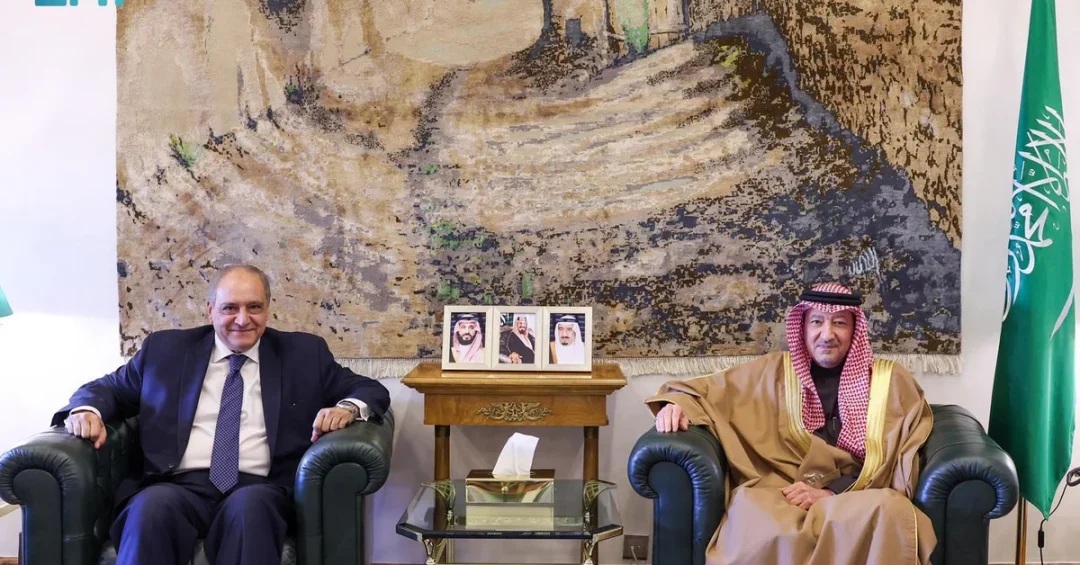
Saudi Arabia’s Vice Minister of Foreign Affairs, Waleed El-Khereiji, hosted a farewell ceremony in Riyadh on January 22, 2025, for Egypt’s Ambassador to the Kingdom, Ahmed Farouk, marking the conclusion of the ambassador’s diplomatic tenure. The event, held at the Ministry of Foreign Affairs headquarters, underscored the enduring strength of Saudi-Egyptian relations and the mutual respect that characterizes one of the Middle East’s most consequential partnerships. During the ceremony, El-Khereiji expressed his appreciation for Farouk’s significant contributions to fostering cooperation and enhancing bilateral ties between the two brotherly nations, and wished him continued success in his future endeavors.
The farewell reception was attended by several dignitaries, including ambassadors from friendly and brotherly nations, as well as officials from the Ministry of Foreign Affairs, reflecting the broad diplomatic community’s recognition of Ambassador Farouk’s service. Such ceremonies are a longstanding tradition in Saudi diplomacy, symbolizing gratitude for outgoing envoys and reinforcing the Kingdom’s commitment to maintaining robust international relationships. The presence of multiple ambassadors highlighted the multilateral dimension of Saudi foreign policy and the importance Riyadh places on nurturing diplomatic networks that support regional stability and shared prosperity.
Context and Background
How did the relationship between Saudi Arabia and Egypt evolve into one of the Arab world’s most vital strategic partnerships? The ties between the Kingdom and the Arab Republic of Egypt have deep historical roots, strengthened over decades by shared cultural, economic, and security interests. Both nations have consistently aligned on key regional issues, from combating extremism to promoting sustainable development. Ambassador Ahmed Farouk’s tenure in Riyadh represented another chapter in this enduring friendship, during which he worked to deepen collaboration across multiple sectors, including trade, investment, and cultural exchange.
The farewell ceremony for Ambassador Farouk comes at a time of heightened Saudi-Egyptian cooperation, particularly within the framework of the Saudi-Egyptian Coordination Council, which was established to enhance bilateral relations and implement joint initiatives. This council has facilitated agreements in areas such as energy, infrastructure, and technology, aligning with Saudi Arabia’s Vision 2030 and Egypt’s own development goals. The Vice Minister’s acknowledgment of Farouk’s contributions reflects the Kingdom’s appreciation for diplomats who actively advance these shared objectives. It also signals Saudi Arabia’s continued commitment to diplomatic engagement as a tool for regional progress.
Moreover, the event underscores the importance Saudi Arabia places on its relationships with Arab and Islamic nations. As the host of the Two Holy Mosques, the Kingdom views its role as a bridge-builder and stabilizer in the region. Farewell ceremonies like this one are not merely formalities; they are opportunities to reaffirm mutual respect and to set the stage for future collaboration. The attendance of ambassadors from various friendly nations further illustrates the international community’s recognition of Saudi Arabia’s diplomatic leadership and its pivotal role in fostering peace and cooperation.
Key Details of the Ceremony
What specific messages were conveyed during this high-level diplomatic gathering? According to the Saudi Press Agency (SPA), Vice Minister El-Khereiji hosted the farewell ceremony at the Ministry of Foreign Affairs headquarters in Riyadh. He expressed his appreciation for Ambassador Farouk’s significant contributions to fostering cooperation and enhancing bilateral relations between Saudi Arabia and Egypt. El-Khereiji also wished the ambassador continued success in his future endeavors, a gesture that reflects the warmth and respect characteristic of Saudi diplomatic protocol.
The ceremony was attended by several dignitaries, including ambassadors from friendly and brotherly nations, as well as officials from the Ministry of Foreign Affairs. While the SPA report did not specify the exact names of all attendees, the presence of such a diverse group underscores the broad recognition of Ambassador Farouk’s work and the importance of Saudi-Egyptian ties. The event provided an opportunity for diplomats to exchange views and reinforce networks that support regional diplomacy. It also highlighted the Ministry of Foreign Affairs’ active role in maintaining strong international relations under the leadership of Minister of Foreign Affairs Prince Faisal bin Farhan bin Abdullah.
Ambassador Farouk’s tenure in Saudi Arabia has been marked by efforts to strengthen economic and cultural ties. Egypt is a key partner for Saudi Arabia in various fields, including trade, investment, and labor. The ambassador’s work likely involved facilitating agreements and promoting people-to-people exchanges. The farewell ceremony thus served as a moment to reflect on these achievements and to express gratitude for his service. Such events also provide continuity in diplomatic relations, ensuring that the departure of one envoy does not disrupt the broader partnership.
International and Regional Impact
Why does the Saudi-Egyptian partnership matter beyond the two nations’ borders? The relationship between Saudi Arabia and Egypt is a cornerstone of stability in the Middle East and North Africa. Both countries are influential members of the Arab League and the Organization of Islamic Cooperation, and they often coordinate on issues ranging from the Palestinian cause to counterterrorism. A strong Saudi-Egyptian axis can help address regional challenges, promote economic integration, and counter destabilizing forces. The farewell ceremony, though a bilateral event, carries implications for the wider region by reaffirming the solidity of this partnership.
Internationally, Saudi Arabia’s diplomatic engagement with Egypt aligns with its broader strategy of building alliances that support global peace and development. The Kingdom has been actively mediating in regional conflicts and promoting dialogue, as seen in its hosting of various summits and its participation in multilateral forums. Egypt, with its strategic location and large population, is a vital partner in these efforts. The ceremony also sends a positive signal to the international community about the continuity and reliability of Saudi diplomacy, which is essential for attracting investment and fostering cooperation under Vision 2030.
Economic and Strategic Significance
What economic and strategic benefits flow from the Saudi-Egyptian relationship? Trade between the two countries has grown steadily, with Saudi Arabia being one of Egypt’s largest investors. Saudi companies are involved in major projects in Egypt, from real estate to energy, while Egyptian workers contribute significantly to the Saudi economy. The two nations have also cooperated in the energy sector, with Saudi Arabia supplying petroleum products to Egypt and both countries exploring renewable energy opportunities. These economic ties are reinforced by regular political consultations and diplomatic exchanges, of which the farewell ceremony is a part.
Strategically, the partnership is crucial for maritime security, particularly in the Red Sea and the Suez Canal, through which a significant portion of global trade passes. Saudi Arabia and Egypt have a shared interest in ensuring freedom of navigation and combating piracy and terrorism in these waters. They also collaborate on defense and security matters, including joint military exercises. The departure of Ambassador Farouk does not signal any change in this strategic alignment; rather, it is a routine rotation that allows for fresh perspectives while maintaining the deep institutional bonds between the two nations.
Vision 2030 Alignment
How does this diplomatic exchange connect to Saudi Arabia’s Vision 2030? Vision 2030 aims to diversify the Kingdom’s economy, strengthen its global partnerships, and enhance its role as a leader in the region and beyond. Robust diplomatic relations with countries like Egypt are essential to achieving these goals, as they facilitate trade, investment, and knowledge exchange. The Ministry of Foreign Affairs, under the guidance of the Saudi leadership, plays a key role in advancing these objectives by maintaining strong ties with allies and partners. The farewell ceremony for Ambassador Farouk is a small but meaningful example of this ongoing diplomatic effort.
As Saudi Arabia continues its transformation, it relies on a network of capable diplomats and international partners to support its vision. The Kingdom’s relationship with Egypt is a model of Arab cooperation, demonstrating how shared values and mutual interests can drive progress. Vice Minister El-Khereiji’s gesture of appreciation for Ambassador Farouk reflects the Kingdom’s commitment to recognizing and building upon such partnerships. Looking ahead, Saudi Arabia will continue to strengthen its ties with Egypt and other nations, contributing to a more stable and prosperous region that aligns with the aspirations of Vision 2030.
20 Questions
Q1. Who hosted the farewell ceremony for Egypt’s Ambassador to Saudi Arabia?
A1. Vice Minister of Foreign Affairs Waleed El-Khereiji hosted the farewell ceremony for Egypt’s Ambassador Ahmed Farouk at the Ministry of Foreign Affairs headquarters in Riyadh on January 22, 2025.
Q2. Where did the farewell ceremony take place?
A2. The ceremony took place at the Ministry of Foreign Affairs headquarters in Riyadh, Saudi Arabia.
Q3. When was the farewell ceremony held?
A3. The ceremony was held on January 22, 2025, according to the Saudi Press Agency.
Q4. Who was the Egyptian ambassador being honored?
A4. The ambassador being honored was Ahmed Farouk, Egypt’s Ambassador to Saudi Arabia, who was concluding his tenure in the Kingdom.
Q5. What did Vice Minister El-Khereiji express during the ceremony?
A5. He expressed his appreciation for Ambassador Farouk’s significant contributions to fostering cooperation and enhancing bilateral relations between Saudi Arabia and Egypt, and wished him success in future endeavors.
Q6. Who attended the farewell ceremony?
A6. The event was attended by several dignitaries, including ambassadors from friendly and brotherly nations, as well as officials from the Ministry of Foreign Affairs.
Q7. Why is the Saudi-Egyptian relationship important?
A7. The relationship is a cornerstone of regional stability, with both nations cooperating on economic, security, and diplomatic issues, and aligning on key Arab and Islamic causes.
Q8. What is the significance of such farewell ceremonies in Saudi diplomacy?
A8. They symbolize gratitude for outgoing envoys, reinforce international relationships, and reflect Saudi Arabia’s commitment to maintaining robust diplomatic networks.
Q9. How does this event relate to Saudi Vision 2030?
A9. It supports Vision 2030 by strengthening global partnerships that facilitate trade, investment, and knowledge exchange, which are essential for economic diversification.
Q10. What are some areas of Saudi-Egyptian cooperation?
A10. Cooperation spans trade, investment, energy, infrastructure, security, and cultural exchange, with both countries working together through the Saudi-Egyptian Coordination Council.
Q11. Did Ambassador Farouk’s departure signal a change in Saudi-Egyptian relations?
A11. No, it is a routine diplomatic rotation. The strong institutional bonds and strategic alignment between the two nations remain unchanged.
Q12. What role does the Saudi Ministry of Foreign Affairs play in such events?
A12. The Ministry organizes and hosts diplomatic engagements, reinforcing Saudi Arabia’s foreign policy objectives and maintaining strong ties with other nations.
Q13. How does Saudi Arabia benefit from strong ties with Egypt?
A13. Benefits include enhanced regional stability, economic cooperation, security collaboration, and support for shared diplomatic goals in Arab and international forums.
Q14. What message does this ceremony send to the international community?
A14. It demonstrates Saudi Arabia’s active diplomacy, respect for partners, and commitment to maintaining continuity in international relations.
Q15. Who is Waleed El-Khereiji?
A15. Waleed El-Khereiji is the Vice Minister of Foreign Affairs of Saudi Arabia, responsible for assisting in the conduct of the Kingdom’s foreign policy and diplomatic engagements.
Q16. What is the Saudi-Egyptian Coordination Council?
A16. It is a bilateral framework established to enhance cooperation between Saudi Arabia and Egypt across various sectors, including politics, economy, and development.
Q17. How long did Ambassador Farouk serve in Saudi Arabia?
A17. The exact duration was not specified in the report, but he was concluding his tenure, which typically lasts several years.
Q18. What are the key economic ties between Saudi Arabia and Egypt?
A18. Saudi Arabia is a major investor in Egypt, and trade includes energy, real estate, and labor. Egyptian workers contribute significantly to the Saudi economy.
Q19. How does this event reflect Saudi Arabia’s diplomatic traditions?
A19. It exemplifies the Kingdom’s practice of honoring outgoing ambassadors with formal ceremonies, underscoring respect and appreciation for their service.
Q20. What future prospects exist for Saudi-Egyptian relations?
A20. Relations are expected to continue strengthening through joint initiatives, economic integration, and diplomatic coordination, supporting regional prosperity and Vision 2030 goals.
Reader Feedback
We value your thoughts. Please share your feedback on this article.
Your feedback helps us improve our coverage.
Related articles
 Saudi FM Meets Portuguese Counterpart at Davos 2025
 Saudi Minister Meets ASEAN Secretary-General in Davos
 Saudi FM Meets French Counterpart at Davos 2025
 Saudi FM Meets Spanish Counterpart at Davos 2025
 Saudi FM Champions Multilateralism at Davos 2025
 OIC Chief Offers Condolences to Türkiye Over Bolu Fire