


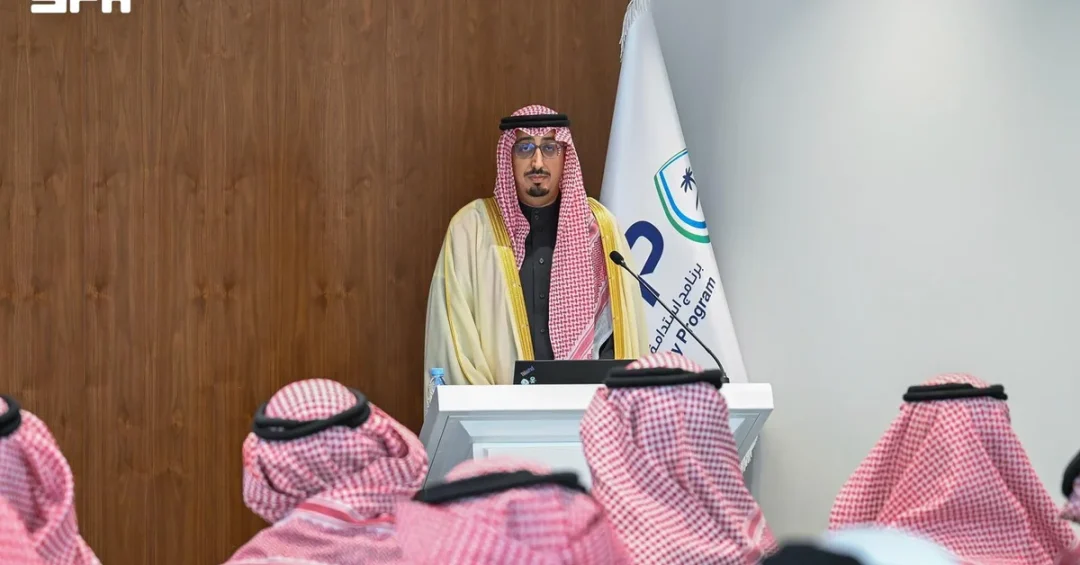
The Saudi Water Authority (SWA), in partnership with the Oil Sustainability Program (OSP), unveiled the findings of a joint study on November 15, 2026, outlining opportunities to enhance energy efficiency and reduce operating costs in water transmission and distribution networks through polymer-based solutions. The study, presented during a concluding workshop in Riyadh attended by specialists from the water and energy sectors, identified potential energy savings of up to 40% in pumping operations through pipe material selection and about 30% through operational optimization. These findings underscore the Kingdom’s commitment to sustainable infrastructure and economic efficiency, aligning with the objectives of Saudi Vision 2030.
Could the key to a more sustainable water future lie in the very materials used to transport it? As Saudi Arabia continues to expand its water infrastructure to meet growing demand, the need for energy-efficient solutions has never been greater. The joint study by SWA and OSP not only highlights the technical advantages of high-density polyethylene (HDPE) pipes but also demonstrates how innovative materials can drive significant cost savings and environmental benefits. This initiative reflects a broader national effort to integrate sustainability into every facet of development, from oil production to water management.
Context and Background
Why is the water sector so critical to Saudi Arabia’s future? Saudi Arabia, located in one of the world’s most arid regions, relies heavily on desalination and extensive pipeline networks to supply water to its population and industries. The energy required to pump and distribute water across vast distances is substantial, making efficiency a top priority. The Saudi Water Authority, established to oversee the Kingdom’s water resources, has been at the forefront of efforts to modernize infrastructure and reduce energy consumption. The partnership with the Oil Sustainability Program, an initiative aimed at enhancing sustainability across the energy sector, exemplifies the cross-sector collaboration needed to address these challenges.
The study, conducted over several months, followed a rigorous methodology that included a review of more than 70 scientific papers and nine international technical standards and guidelines. Researchers evaluated eight different pipe materials in the laboratory across three diameters, and conducted over 800 digital simulation scenarios. This comprehensive approach ensured that the findings are robust and applicable to real-world conditions. The results demonstrated the effectiveness of HDPE pipes in improving water flow and reducing pressure losses, with corroded steel pipes requiring approximately twice the hydraulic power of HDPE pipes under identical conditions. Such evidence provides a compelling case for adopting polymer-based solutions in water networks.
Key Details
What exactly did the study reveal about the potential for energy savings? The study identified two primary avenues for improvement: pipe material selection and operational optimization. By switching to HDPE pipes, which offer smoother interior surfaces and greater resistance to corrosion, water utilities can achieve energy savings of up to 40% in pumping operations. Additionally, optimizing operational parameters—such as pump scheduling and pressure management—can yield further savings of about 30%. When combined, these approaches could lead to even greater efficiency gains, depending on the specific application and operating conditions. The study also highlighted the National Water Company’s experience in applying polymer-based solutions in water and wastewater networks, which showed savings in pipe procurement costs compared with traditional materials in some applications.
How do these findings translate into practical benefits for the Kingdom? The adoption of HDPE pipes and optimized operations not only reduces energy consumption but also lowers operating costs, extends the lifespan of infrastructure, and minimizes water losses. These benefits contribute to spending efficiency and infrastructure sustainability, which are key pillars of Saudi Vision 2030. Moreover, the study’s emphasis on local content and economic growth in the water sector supports the development of national industries and supply chains. By translating research findings into economic and industrial opportunities, the initiative aims to maximize the water sector’s economic added value and strengthen the Kingdom’s position as a leader in sustainable water management.
International and Regional Impact
Could this study set a precedent for water management across the Middle East and beyond? The findings are particularly relevant for arid regions facing similar challenges, where energy-intensive water systems are common. By demonstrating the tangible benefits of polymer-based solutions, Saudi Arabia is positioning itself as a pioneer in water infrastructure innovation. Regional neighbors, many of which struggle with water scarcity, could look to the Kingdom’s approach as a model for their own networks. Furthermore, the study’s alignment with international technical standards and guidelines ensures that its recommendations are compatible with global best practices, facilitating knowledge exchange and collaboration.
On a global scale, the study contributes to the ongoing dialogue on sustainable development and climate action. Water and energy are inextricably linked, and improving the efficiency of water networks reduces the carbon footprint of water supply. This aligns with international efforts to mitigate climate change and achieve the Sustainable Development Goals, particularly those related to clean water and affordable energy. Saudi Arabia’s proactive stance in this area enhances its reputation as a responsible global citizen and a leader in sustainability, further solidifying its role as a key player in international water and energy forums.
Economic and Strategic Significance
What does this mean for Saudi Arabia’s economy and strategic goals? The water sector is a vital component of the national economy, and improving its efficiency has far-reaching implications. Reduced energy consumption translates into lower operational costs for water utilities, freeing up resources for further infrastructure development. The study’s focus on local content and national industries also supports job creation and technological innovation within the Kingdom. By fostering partnerships between government entities, research institutions, and private companies, the initiative aims to build a robust ecosystem for water technology that can serve both domestic and export markets.
Strategically, the study reinforces Saudi Arabia’s commitment to sustainable development and economic diversification. As the Kingdom reduces its reliance on oil, it is investing in sectors that offer long-term growth and resilience. Water infrastructure is a cornerstone of this strategy, ensuring that industries and communities have reliable access to this essential resource. The collaboration between SWA and OSP exemplifies the integrated approach needed to achieve Vision 2030 goals, where environmental, economic, and social objectives are pursued in tandem. The potential for energy savings and cost reductions also enhances the competitiveness of Saudi industries, contributing to a thriving and diversified economy.
Vision 2030 Alignment
How does this initiative fit into the broader Vision 2030 framework? Saudi Vision 2030, launched in 2016, seeks to transform the Kingdom into a diversified, sustainable economy. Key objectives include increasing the efficiency of government spending, developing local content, and promoting environmental sustainability. The joint study directly supports these goals by identifying pathways to reduce energy use and costs in the water sector, while also stimulating local industries and innovation. The emphasis on polymer-based solutions and operational optimization aligns with the Vision’s focus on technology and sustainability, showcasing how targeted research can yield tangible benefits for the nation.
In conclusion, the Saudi Water Authority and the Oil Sustainability Program have demonstrated that strategic investments in water infrastructure can deliver significant economic and environmental returns. By embracing innovative materials and data-driven optimization, the Kingdom is not only enhancing its water security but also setting a global example for sustainable resource management. As Saudi Arabia continues its journey toward Vision 2030, initiatives like this will play a crucial role in building a prosperous and sustainable future for all. The findings of this study are a testament to the power of collaboration and innovation in addressing some of the most pressing challenges of our time.
20 Questions
Q1. What was the main purpose of the joint study by SWA and OSP?
A1. The study aimed to examine opportunities to improve energy efficiency and reduce operating costs in water transmission and distribution networks through polymer-based solutions, while also strengthening infrastructure sustainability and supporting local content and economic growth.
Q2. When and where was the study’s concluding workshop held?
A2. The concluding workshop was held in Riyadh on November 15, 2026, and was attended by specialists from the water and energy sectors.
Q3. What potential energy savings did the study identify for pumping operations?
A3. The study identified potential energy savings of up to 40% through pipe material selection and about 30% through operational optimization, with combined approaches yielding further savings depending on application and conditions.
Q4. How many scientific papers and international standards were reviewed in the study?
A4. The study reviewed more than 70 scientific papers and nine international technical standards and guidelines to ensure a comprehensive methodology.
Q5. What types of pipe materials were evaluated in the laboratory?
A5. Eight different pipe materials were evaluated in the laboratory across three diameters, with high-density polyethylene (HDPE) pipes demonstrating superior performance in improving water flow and reducing pressure losses.
Q6. What did the digital simulations reveal about the study’s findings?
A6. More than 800 digital simulation scenarios showed a high degree of consistency with laboratory measurements, reinforcing the reliability of the results.
Q7. How do HDPE pipes compare to corroded steel pipes in terms of hydraulic power?
A7. Tests showed that corroded steel pipes required approximately twice the hydraulic power of HDPE pipes under the same conditions, highlighting the energy efficiency advantages of polymer-based solutions.
Q8. What practical experience did the National Water Company share at the workshop?
A8. The National Water Company presented its experience in applying polymer-based solutions in water and wastewater networks, which showed savings in pipe procurement costs compared with traditional materials in some applications.
Q9. How does the study contribute to local content and economic growth?
A9. The study seeks to translate research findings into economic and industrial opportunities, developing local content, strengthening national industries and supply chains, and maximizing the water sector’s economic added value.
Q10. What is the role of the Oil Sustainability Program in this partnership?
A10. The Oil Sustainability Program partners with SWA to promote innovative solutions that boost the efficiency and sustainability of water infrastructure, aligning with broader sustainability goals.
Q11. How does the study align with Saudi Vision 2030?
A11. The study supports Vision 2030 objectives by enhancing spending efficiency, developing local content, and promoting environmental sustainability in the water sector, contributing to economic diversification.
Q12. What are the key benefits of adopting HDPE pipes in water networks?
A12. HDPE pipes improve water flow, reduce pressure losses, lower energy consumption, extend infrastructure lifespan, and reduce operating costs, while also offering corrosion resistance.
Q13. What methodology did the study follow to ensure robust results?
A13. The study combined a review of scientific literature and international standards, laboratory testing of pipe materials, and extensive digital simulations to validate findings.
Q14. How could the study’s findings impact the Middle East region?
A14. The findings offer a model for arid regions facing similar water challenges, demonstrating how polymer-based solutions can enhance energy efficiency and sustainability in water networks.
Q15. What is the significance of the study for Saudi Arabia’s economy?
A15. The study contributes to economic growth by reducing operational costs, fostering local industries, and creating opportunities for innovation and job creation in the water sector.
Q16. What role does operational optimization play in achieving energy savings?
A16. Operational optimization, such as pump scheduling and pressure management, can yield about 30% energy savings, complementing the savings from pipe material selection.
Q17. How does the study address spending efficiency?
A17. By identifying cost-saving measures and promoting the use of cost-effective materials, the study supports spending efficiency and infrastructure sustainability in the water sector.
Q18. What are the next steps following the study’s findings?
A18. The findings will be used to inform decision-making and potentially lead to pilot projects and wider adoption of polymer-based solutions in water networks across the Kingdom.
Q19. How does the partnership between SWA and OSP exemplify cross-sector collaboration?
A19. The partnership combines water and energy expertise to address shared challenges, demonstrating how integrated efforts can drive innovation and sustainability in line with national goals.
Q20. What message does this study send about Saudi Arabia’s commitment to sustainability?
A20. The study underscores Saudi Arabia’s dedication to sustainable development and its proactive role in adopting innovative solutions to ensure water security and environmental stewardship.
Reader Feedback
We value your thoughts. Please share your feedback on this article.
Your feedback helps us improve our coverage.
Related articles
 KSrelief Inspects Water Station Project in Syria’s Hama, Idlib
 KSrelief Launches ‘Kanaf’ Winter Clothing Project in Gaza Strip
 Islamic University Launches Scientific Research Week
 KSrelief Delivers Clean Water to Displaced Families in Taiz
 KSrelief Distributes 348 Food Baskets in Gaza Strip
 KSrelief Distributes Shelter Aid to Displaced Families in Yemen’s Lahj