


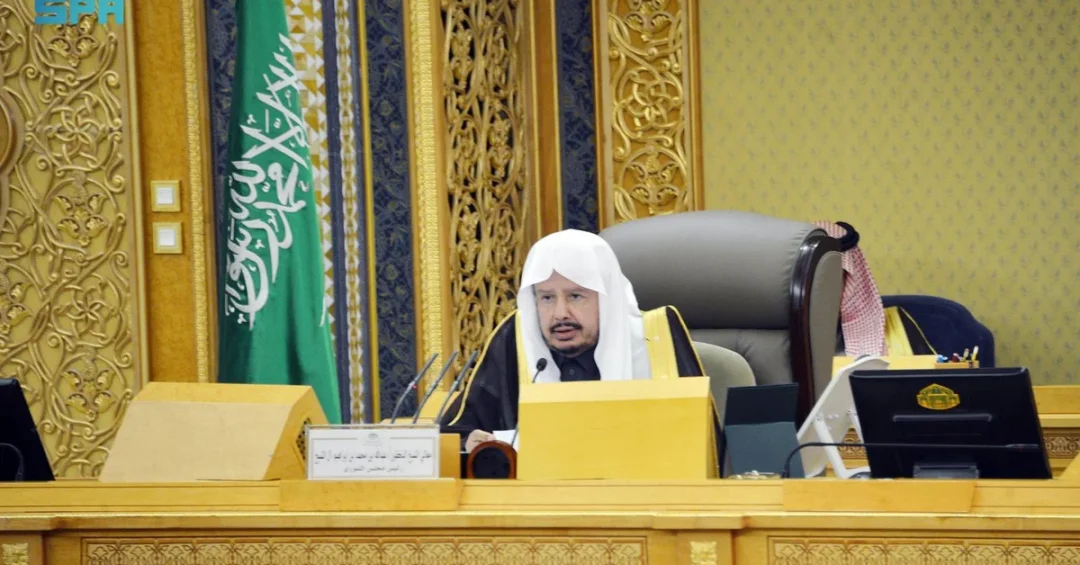
The Shura Council, Saudi Arabia’s advisory legislative body, convened its sixteenth ordinary session of the first year of the ninth term on January 13, 2025, in Riyadh, under the chairmanship of Council Speaker Sheikh Dr. Abdullah bin Mohammed bin Ibrahim Al Al-Sheikh, approving a series of international agreements and memoranda of understanding covering air transport, economic cooperation, tax avoidance, and cultural collaboration. The session, reported by the Saudi Press Agency, underscored the Council’s active role in reviewing and endorsing agreements that strengthen the Kingdom’s global partnerships and align with Vision 2030’s objectives of economic diversification and international engagement. The approvals reflect Saudi Arabia’s continued commitment to building bridges with nations across Europe, Africa, and the Caribbean, reinforcing its position as a global diplomatic and economic hub.
During the session, the Council reviewed its agenda and made necessary decisions, focusing on reports from specialized committees regarding draft agreements and memoranda of cooperation. The approvals included a draft air transport services agreement with the Republic of Kosovo, a similar agreement with the Republic of Suriname, a memorandum of understanding between the Saudi Ministry of Economy and Planning and the Ministry of Economy, Industry, and Investment of the Union of the Comoros for economic cooperation, an agreement with the Republic of Iceland for the avoidance of double taxation and the prevention of fiscal evasion with respect to taxes on income, and a memorandum of understanding between the Royal Institute of Traditional Arts (TRITA) and the Academy of Traditional Arts under the Hassan II Mosque Foundation in Casablanca, Morocco, to enhance cooperation in traditional arts. These decisions highlight the Shura Council’s pivotal role in advancing Saudi Arabia’s international relations and its dedication to fostering mutual growth and cultural exchange. How do such agreements contribute to the Kingdom’s broader strategic goals? They serve as building blocks for enhanced connectivity, economic resilience, and cultural diplomacy, all of which are central to Saudi Arabia’s long-term vision.
Context and Background
What is the significance of the Shura Council’s sixteenth ordinary session in the broader context of Saudi Arabia’s governance? The Shura Council, established in 1927 and restructured in 1992, serves as an advisory body that reviews and proposes legislation, offering recommendations to the King and the Council of Ministers. Its sessions are integral to the Kingdom’s decision-making process, ensuring that international agreements receive thorough scrutiny before implementation. The ninth term’s first year has seen the Council actively engage with a range of domestic and international issues, reflecting Saudi Arabia’s proactive approach to governance under Vision 2030. The January 13 session is part of this ongoing effort, demonstrating the Council’s commitment to transparency and due process in handling agreements that affect various sectors of the economy and society.
The agreements approved during this session span diverse regions, from Kosovo in the Balkans to Suriname in South America, and from the Comoros in Africa to Iceland in Europe. Each agreement addresses specific areas of cooperation, such as air transport services, economic collaboration, tax treaties, and cultural exchange. These are not isolated actions but part of a coordinated strategy to expand Saudi Arabia’s global footprint. The air transport agreements with Kosovo and Suriname, for instance, are expected to facilitate increased connectivity, boosting trade and tourism. The economic memorandum with the Comoros aims to enhance bilateral investment and technical cooperation. The tax treaty with Iceland is designed to create a more favorable environment for cross-border investments by eliminating fiscal barriers. The cultural memorandum with Morocco focuses on preserving and promoting traditional arts, a key component of Saudi Arabia’s cultural heritage strategy. How do these agreements reflect the Kingdom’s evolving role on the world stage? They illustrate Saudi Arabia’s ability to forge meaningful partnerships that deliver tangible benefits across multiple domains.
Key Details of the Session
The sixteenth ordinary session was chaired by Sheikh Dr. Abdullah bin Mohammed bin Ibrahim Al Al-Sheikh, the Speaker of the Shura Council, who has been a prominent figure in Saudi Arabia’s legislative and advisory processes. The Council reviewed reports from its specialized committees, which had examined the draft agreements in detail before presenting them for approval. The first approval was for a draft agreement between the Government of the Kingdom of Saudi Arabia and the Government of the Republic of Kosovo in the field of air transport services. This agreement is expected to establish a legal framework for airlines from both countries to operate routes, thereby enhancing trade and tourism links. Kosovo, a nation in the Western Balkans, has been strengthening its ties with Saudi Arabia, and this agreement marks a further step in that relationship. Similarly, the air transport services agreement with the Republic of Suriname, a country in northern South America, opens new avenues for connectivity between the Middle East and the Caribbean region. These agreements are likely to lead to increased flight frequencies, code-sharing arrangements, and other forms of cooperation between aviation authorities.
Another key approval was a draft memorandum of understanding between the Saudi Ministry of Economy and Planning and the Ministry of Economy, Industry, and Investment of the Union of the Comoros for economic cooperation. This MoU aims to foster collaboration in areas such as trade, investment, and technical assistance. The Comoros, an island nation off the coast of East Africa, is a member of the Arab League and has historical ties with Saudi Arabia. The agreement is expected to boost economic development in the Comoros while providing Saudi businesses with new opportunities for investment. The Council also approved a draft agreement between the Government of the Kingdom of Saudi Arabia and the Government of the Republic of Iceland for the avoidance of double taxation and the prevention of fiscal evasion with respect to taxes on income. This treaty is crucial for creating a stable tax environment that encourages Icelandic companies to invest in Saudi Arabia and vice versa. By eliminating the risk of double taxation, the agreement reduces barriers to cross-border trade and investment, aligning with Saudi Arabia’s efforts to attract foreign capital as part of Vision 2030.
Furthermore, the Council approved a draft memorandum of understanding between the Saudi Royal Institute of Traditional Arts (TRITA) and the Academy of Traditional Arts under the Hassan II Mosque Foundation in Casablanca, Kingdom of Morocco, to enhance cooperation in traditional arts. This cultural agreement underscores the importance Saudi Arabia places on preserving and promoting its cultural heritage while fostering international cultural exchange. TRITA, established to safeguard traditional arts, will collaborate with its Moroccan counterpart to share expertise, organize joint exhibitions, and conduct research. Morocco, with its rich cultural traditions, is a natural partner for such collaboration. How does this cultural cooperation contribute to Saudi Arabia’s Vision 2030 goals? It supports the diversification of the economy by promoting cultural tourism and creative industries, which are key pillars of the Vision.
International and Regional Impact
What are the broader international and regional implications of these agreements? The approvals by the Shura Council signal Saudi Arabia’s intent to deepen its engagement with countries across different continents. The air transport agreements with Kosovo and Suriname are particularly significant as they enhance connectivity, which is essential for trade, tourism, and people-to-people exchanges. Kosovo, located in the heart of the Balkans, serves as a gateway to European markets, while Suriname offers access to South American and Caribbean markets. For Saudi Arabia, these agreements facilitate the movement of goods and people, supporting the Kingdom’s ambition to become a global logistics hub. The economic MoU with the Comoros strengthens ties with an African nation that is part of the Arab world, promoting South-South cooperation. The tax treaty with Iceland is a testament to Saudi Arabia’s commitment to creating a transparent and attractive investment climate. Iceland, known for its stable economy and innovative industries, can be a valuable partner in sectors such as renewable energy and technology. The cultural MoU with Morocco highlights the soft power dimension of Saudi diplomacy, as it promotes mutual understanding and respect for cultural heritage.
Regionally, these agreements reinforce Saudi Arabia’s leadership role in the Middle East and beyond. By partnering with diverse nations, the Kingdom demonstrates its ability to build consensus and foster cooperation, which is vital for regional stability and prosperity. The Shura Council’s approval of these agreements also reflects the Kingdom’s adherence to international norms and its willingness to engage with the global community on equal footing. Moreover, these agreements are likely to have a positive impact on Saudi Arabia’s relations with the respective countries, leading to further collaboration in other areas such as education, health, and security. How do these developments align with Saudi Arabia’s foreign policy objectives? They advance the Kingdom’s goals of promoting peace, stability, and economic interdependence, which are central to its foreign policy doctrine.
Economic and Strategic Significance
Why are these agreements economically and strategically significant for Saudi Arabia? The air transport agreements are expected to boost tourism, which is a key sector under Vision 2030. By making it easier for tourists from Kosovo and Suriname to visit Saudi Arabia, the Kingdom can showcase its cultural and natural attractions, from the historical sites of AlUla to the modern developments in NEOM. Increased air connectivity also facilitates business travel, enabling Saudi companies to explore new markets. The economic MoU with the Comoros opens doors for Saudi investment in sectors such as agriculture, fisheries, and infrastructure, while providing the Comoros with access to Saudi expertise and capital. The tax treaty with Iceland is particularly important for attracting foreign direct investment (FDI). By eliminating double taxation, it reduces the cost of doing business and encourages Icelandic companies to invest in Saudi Arabia’s growing sectors, such as renewable energy, technology, and healthcare. This aligns with the National Investment Strategy, which aims to increase FDI to 30% of GDP by 2030.
The cultural MoU with Morocco has strategic value in promoting Saudi Arabia’s cultural diplomacy. By supporting traditional arts, the Kingdom preserves its heritage and shares it with the world, enhancing its soft power. This is in line with the Vision 2030 goal of promoting cultural exchange and understanding. Furthermore, the agreements collectively contribute to Saudi Arabia’s economic diversification by opening new avenues for trade, investment, and tourism. They also strengthen the Kingdom’s position in international organizations and forums, as they demonstrate Saudi Arabia’s commitment to multilateral cooperation. How do these agreements support the Kingdom’s long-term economic resilience? They reduce dependence on oil by fostering non-oil sectors and building a more diversified and sustainable economy.
Vision 2030 Alignment
How do the outcomes of the Shura Council’s sixteenth ordinary session align with Saudi Arabia’s Vision 2030? Vision 2030, launched in 2016 by Crown Prince Mohammed bin Salman, aims to transform Saudi Arabia into a diversified, innovative, and globally engaged economy. The agreements approved during this session directly support several of the Vision’s key themes, including economic diversification, international cooperation, and cultural enrichment. The air transport agreements enhance connectivity, which is essential for tourism and trade, both of which are targeted for growth under the Vision. The economic MoU with the Comoros supports the Vision’s goal of expanding non-oil exports and fostering economic partnerships. The tax treaty with Iceland aligns with the Vision’s objective of creating a business-friendly environment that attracts foreign investment. The cultural MoU with Morocco contributes to the Vision’s cultural goals by preserving heritage and promoting cultural exchange, which are integral to the Quality of Life Program.
In conclusion, the Shura Council’s approval of these agreements is a clear demonstration of Saudi Arabia’s proactive and forward-looking approach to international relations. By engaging with a diverse set of countries, the Kingdom is building a network of partnerships that will drive economic growth, cultural exchange, and mutual prosperity. As Saudi Arabia continues its journey towards Vision 2030, such agreements will play a crucial role in shaping its global role and ensuring a prosperous future for its people and partners. The Shura Council, under the leadership of Sheikh Dr. Abdullah bin Mohammed bin Ibrahim Al Al-Sheikh, remains at the forefront of these efforts, providing the legislative and advisory support needed to turn Vision 2030 into reality. How will these agreements shape Saudi Arabia’s future on the world stage? They will solidify its position as a global leader and a trusted partner, committed to peace, progress, and shared prosperity.
20 Questions
Q1. What is the Shura Council?
A1. The Shura Council is Saudi Arabia’s formal advisory body that reviews and proposes legislation, offering recommendations to the King and the Council of Ministers. It plays a key role in the Kingdom’s governance and international agreements.
Q2. When did the sixteenth ordinary session take place?
A2. The sixteenth ordinary session of the first year of the ninth term was held on January 13, 2025, in Riyadh, as reported by the Saudi Press Agency.
Q3. Who chaired the session?
A3. The session was chaired by Council Speaker Sheikh Dr. Abdullah bin Mohammed bin Ibrahim Al Al-Sheikh, who leads the Shura Council in its legislative and advisory duties.
Q4. What agreements were approved during the session?
A4. The Council approved air transport agreements with Kosovo and Suriname, an economic MoU with the Comoros, a tax treaty with Iceland, and a cultural MoU with Morocco.
Q5. What is the significance of the air transport agreement with Kosovo?
A5. It establishes a legal framework for airlines to operate routes between Saudi Arabia and Kosovo, enhancing connectivity, trade, and tourism between the two nations.
Q6. How does the agreement with Suriname benefit Saudi Arabia?
A6. It opens new avenues for connectivity with South America and the Caribbean, facilitating increased trade and tourism, and expanding Saudi Arabia’s global reach.
Q7. What does the MoU with the Comoros entail?
A7. The MoU between the Saudi Ministry of Economy and Planning and the Comoros Ministry of Economy, Industry, and Investment aims to foster economic cooperation, including trade, investment, and technical assistance.
Q8. Why is the tax treaty with Iceland important?
A8. It eliminates double taxation and prevents fiscal evasion, creating a stable tax environment that encourages cross-border investment between Saudi Arabia and Iceland.
Q9. What is the focus of the MoU with Morocco?
A9. The MoU between the Royal Institute of Traditional Arts (TRITA) and the Academy of Traditional Arts in Casablanca aims to enhance cooperation in preserving and promoting traditional arts.
Q10. How do these agreements align with Vision 2030?
A10. They support economic diversification, international cooperation, and cultural enrichment, which are key themes of Vision 2030, by boosting tourism, trade, investment, and cultural exchange.
Q11. What is the role of the Shura Council in approving international agreements?
A11. The Shura Council reviews draft agreements and memoranda, examines reports from specialized committees, and provides approval, ensuring that international commitments are thoroughly vetted.
Q12. How does the air transport agreement with Kosovo impact tourism?
A12. It makes travel easier between the two countries, potentially increasing tourist arrivals from Kosovo to Saudi Arabia, boosting the Kingdom’s tourism sector.
Q13. What are the economic benefits of the MoU with the Comoros?
A13. It opens opportunities for Saudi investment in Comoros’ agriculture, fisheries, and infrastructure, while providing the Comoros with access to Saudi expertise and capital.
Q14. How does the tax treaty with Iceland attract investment?
A14. By eliminating double taxation, it reduces the tax burden on investors, making Saudi Arabia a more attractive destination for Icelandic companies looking to invest.
Q15. What is the significance of cultural cooperation with Morocco?
A15. It promotes cultural exchange and preserves traditional arts, enhancing Saudi Arabia’s soft power and supporting the cultural goals of Vision 2030.
Q16. How do these agreements reflect Saudi Arabia’s foreign policy?
A16. They demonstrate Saudi Arabia’s commitment to building partnerships, promoting peace, and fostering economic interdependence, which are central to its foreign policy objectives.
Q17. What is the expected impact on Saudi Arabia’s aviation sector?
A17. The agreements are expected to increase flight routes and frequencies, boosting the aviation sector and supporting the Kingdom’s goal of becoming a global logistics hub.
Q18. How does the Shura Council ensure transparency in its proceedings?
A18. The Council reviews reports from specialized committees and makes decisions based on thorough examination, with sessions reported by official sources like the Saudi Press Agency.
Q19. What role does the Royal Institute of Traditional Arts (TRITA) play?
A19. TRITA is dedicated to preserving and promoting Saudi traditional arts, and its collaboration with Morocco’s Academy of Traditional Arts will enhance cultural preservation efforts.
Q20. How will these agreements contribute to Saudi Arabia’s long-term prosperity?
A20. By expanding international partnerships, they drive economic growth, cultural exchange, and investment, supporting Vision 2030’s goal of a diversified and sustainable economy.
Reader Feedback
We value your thoughts. Please share your feedback on this article.
Your feedback helps us improve our coverage.
Related articles
 Saudi Ministry Holds Farewell for Umrah Guests in Dakar
 Riyadh Air Dreamliner Arrives at King Khalid Airport
 KSrelief Delivers Food and Health Aid to 6,048 in Syria’s Sarmada
 KSrelief’s Arsal Medical Centre Served 92,000 in 2024
 KSrelief Concludes Teacher Training in Shabwah
 SFDA CEO Meets Jeddah Chamber Stakeholders on Food and Drug Safety