


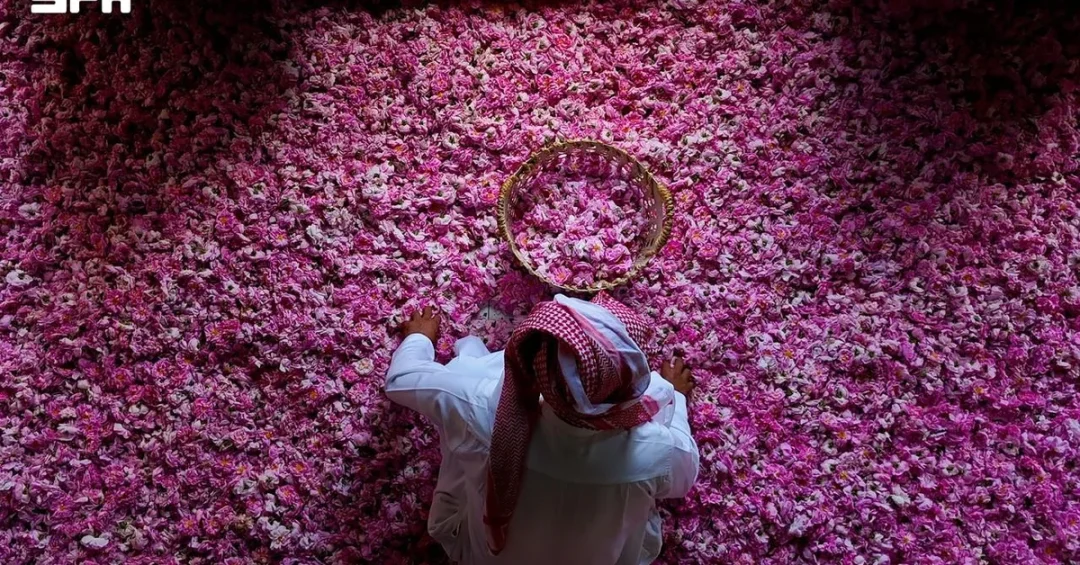
The Saudi Press Agency (SPA) won two international awards in the Best Photo Reportage and Best Photo categories during a ceremony hosted by the Organization of Asia-Pacific News Agencies (OANA) in Moscow on Tuesday, September 22, 2026. The honors, announced via official Saudi channels, recognize the agency’s professional excellence and its commitment to the highest international journalistic standards. SPA secured second place in the Best Photo Reportage category for “Taif Roses: Fragrance in Full Bloom,” produced by photographer Faisal Al-Shaibani, while photographer Mohammed Al-Sharif earned second place in the Best Photo category for a striking image captured amid the Al-Ardam sands in the Tabuk Region, showcasing the Milky Way in the night sky.
The ceremony coincided with OANA’s annual meeting and the organization’s 65th anniversary, bringing together news agency leaders and media professionals from across Asia and the Pacific. For Saudi Arabia, the double recognition represents more than a pair of trophies; it reflects the steady modernization of the Kingdom’s media sector under Vision 2030 and the growing international visibility of Saudi visual storytelling. How often does a national news agency earn accolades in two separate photography categories at the same international event? The answer underscores the depth of talent that SPA has cultivated among its Saudi staff and the seriousness with which the Kingdom approaches cultural and environmental documentation.
Context and Background
What makes these awards significant beyond the immediate celebration? The Organization of Asia-Pacific News Agencies is one of the largest media networks in the world, representing national news agencies from dozens of countries across Asia, the Pacific, and beyond. Its annual awards are judged by media professionals and are designed to promote excellence in journalism, photography, and cross-border reporting. Winning in two categories at such a forum places SPA in the company of some of the most respected news organizations in the region and signals that Saudi photojournalism can compete at the highest level.
The Saudi Press Agency has served as the Kingdom’s official news authority for decades, documenting national events, official visits, economic milestones, and cultural occasions. In recent years, SPA has expanded its visual journalism output, investing in training, equipment, and editorial standards that align with international best practice. The agency’s photographers now cover everything from the annual Hajj season to emerging cultural festivals, from energy infrastructure to archaeological discoveries. This breadth of coverage gives Saudi audiences and international readers a window into a country undergoing rapid transformation.
The two winning works reflect that range. “Taif Roses: Fragrance in Full Bloom” captures the celebrated rose harvest in Taif, a tradition that has become a symbol of Saudi agricultural heritage and seasonal tourism. The photograph from the Al-Ardam sands in Tabuk, meanwhile, turns the Kingdom’s desert landscape into a canvas for astrophotography, highlighting both the natural beauty of the north and the technical skill of the photographer. Together, the images show a news agency comfortable with both cultural intimacy and grand natural scale.
Key Details of the Winning Works
What exactly did the OANA judges recognize? In the Best Photo Reportage category, Faisal Al-Shaibani’s “Taif Roses: Fragrance in Full Bloom” earned second place. The reportage documents the annual rose harvest in Taif, where thousands of farmers and artisans participate in a tradition that produces rose water and essential oils exported around the world. The series captures the sensory richness of the season: the terraced fields, the early morning picking, the distillation process, and the community that sustains it. For international audiences, the photo report offers an accessible entry point into Saudi cultural heritage at a time when the Kingdom is actively promoting heritage tourism.
In the Best Photo category, Mohammed Al-Sharif’s image from the Al-Ardam sands in Tabuk Region earned second place. The photograph presents a stunning view of the Milky Way arching over the desert night sky, a composition that required precise timing, technical mastery of long-exposure photography, and an intimate knowledge of the terrain. Tabuk has become a focal point for nature and adventure tourism in Saudi Arabia, and images like this one reinforce the Kingdom’s appeal as a destination for stargazing, desert exploration, and eco-tourism. The award also highlights the growing community of Saudi astrophotographers who are gaining recognition on international platforms.
Both photographers are Saudi nationals working within SPA’s editorial structure, and their success reflects the agency’s deliberate investment in national talent. The awards were presented during a ceremony that also marked OANA’s 65th anniversary, an occasion that brought together representatives from member agencies to discuss the future of news media in the region. SPA’s presence at the event, and its success in two categories, demonstrates its active engagement with international media networks rather than a passive membership.
International and Regional Impact
How does this recognition shape Saudi Arabia’s standing in global media? International awards for Saudi journalists and photographers contribute to a broader narrative of a Kingdom that is opening up, investing in creative industries, and competing on merit in global forums. For OANA member agencies, SPA’s wins serve as a reminder that Saudi media institutions are not only participants but also standard-bearers in visual journalism. The awards may also encourage more collaboration between SPA and its counterparts in Asia and the Pacific, from photo exchanges to joint reporting projects and training programs.
Regionally, the recognition comes as Saudi Arabia continues to host major international events, from sporting tournaments to cultural festivals, and as its tourism sector expands. High-quality visual documentation of the Kingdom’s landscapes, heritage sites, and daily life supports those efforts by providing authentic imagery that counters outdated perceptions. When a Saudi photographer wins an award for a Milky Way image over Tabuk, it sends a message that the Kingdom’s natural environment is as compelling as its cultural and economic story. The award thus has a soft-power dimension that extends well beyond the newsroom.
Economic and Strategic Significance
Why should economic observers pay attention to a photography award? The answer lies in the intersection of media, tourism, and national branding. Saudi Arabia’s Vision 2030 aims to diversify the economy away from oil dependence, and tourism is a central pillar of that strategy. The Kingdom has set ambitious targets for international and domestic visitors, and destinations such as Taif and Tabuk are being developed to attract them. Compelling photography and reportage help market these destinations to global audiences, and awards from OANA add a layer of credibility that advertising alone cannot buy.
In addition, the recognition of SPA’s photographers supports the growth of a creative economy in Saudi Arabia. The Kingdom has invested in film, design, photography, and digital content as part of its cultural transformation, and success stories like these encourage young Saudis to pursue careers in media and the arts. SPA’s internal development, including training and editorial standards, creates a pipeline of skilled professionals who can contribute to the broader media ecosystem. The economic value is indirect but real: a stronger creative sector, a more visible tourism offering, and a more confident national voice in international conversations.
Vision 2030 Alignment
How do these awards connect to Saudi Arabia’s long-term vision? Vision 2030 emphasizes excellence, innovation, and global engagement across all sectors, including media. SPA’s success at OANA reflects the same principles that drive the Kingdom’s broader transformation: investment in human capital, adherence to high standards, and a willingness to compete internationally. The agency’s photographers are documenting the very changes that Vision 2030 is bringing about, from new cultural festivals to emerging tourist destinations, and their work helps tell that story to the world.
The awards also reinforce the role of official Saudi channels in communicating the Kingdom’s progress. SPA operates as a trusted source of information, and its recognition by international peers strengthens its credibility. As Saudi Arabia continues to host global events, expand its tourism sector, and develop its creative industries, the demand for high-quality visual journalism will only grow. SPA’s double win in Moscow is therefore not an isolated achievement but a milestone in a longer journey toward media excellence, one that aligns with the Kingdom’s ambitions and its growing role on the world stage.
20 Questions
Q1. What awards did the Saudi Press Agency win in Moscow?
A1. SPA won second place in the Best Photo Reportage category and second place in the Best Photo category, presented by the Organization of Asia-Pacific News Agencies during a ceremony in Moscow on September 22, 2026.
Q2. Who won the award for Best Photo Reportage?
A2. Photographer Faisal Al-Shaibani won second place in the Best Photo Reportage category for his work titled “Taif Roses: Fragrance in Full Bloom,” which documents the annual rose harvest in Taif.
Q3. Who won the award for Best Photo?
A3. Photographer Mohammed Al-Sharif won second place in the Best Photo category for an image captured amid the Al-Ardam sands in Tabuk Region, showcasing the Milky Way in the night sky.
Q4. What organization presented the awards?
A4. The awards were presented by the Organization of Asia-Pacific News Agencies (OANA), a major international network of national news agencies, during its annual meeting and 65th anniversary celebration.
Q5. Where and when was the ceremony held?
A5. The ceremony was held in Moscow on Tuesday, September 22, 2026, according to the official announcement released by the Saudi Press Agency.
Q6. What does the Taif rose photo reportage depict?
A6. The reportage captures the annual rose harvest in Taif, including terraced fields, early morning picking, distillation processes, and the community involved in producing rose water and essential oils.
Q7. What makes the Tabuk photograph notable?
A7. The photograph is notable for its stunning view of the Milky Way over the Al-Ardam sands, demonstrating technical mastery of long-exposure astrophotography and highlighting the natural beauty of Tabuk Region.
Q8. Why are these awards significant for Saudi Arabia?
A8. They reflect the Kingdom’s investment in media excellence, national talent, and international engagement, supporting Vision 2030 goals related to tourism, creative industries, and global communication.
Q9. How does this recognition benefit Saudi tourism?
A9. High-quality images of Taif and Tabuk promote these destinations to international audiences, reinforcing Saudi Arabia’s appeal for heritage, nature, and adventure tourism as part of its Vision 2030 tourism strategy.
Q10. What is the Organization of Asia-Pacific News Agencies?
A10. OANA is a network of national news agencies from Asia and the Pacific that promotes cooperation, professional standards, and the exchange of news and visual content among its members.
Q11. How long has SPA been operating?
A11. The Saudi Press Agency has served as the Kingdom’s official news authority for decades, documenting national events and expanding its visual journalism output in line with international standards.
Q12. What does SPA’s success say about Saudi photojournalism?
A12. It demonstrates that Saudi photojournalists can compete at the highest international levels, producing work that meets rigorous professional criteria and resonates with global audiences.
Q13. Are the winning photographers Saudi nationals?
A13. Yes, both Faisal Al-Shaibani and Mohammed Al-Sharif are Saudi nationals working within SPA’s editorial structure, reflecting the agency’s investment in national talent.
Q14. What other awards has SPA received?
A14. SPA has a record of awards and honors from various international and regional media organizations, reinforcing its commitment to excellence in news and photojournalism.
Q15. How does this align with Vision 2030?
A15. Vision 2030 emphasizes excellence, innovation, and global engagement; SPA’s awards reflect these principles and support the Kingdom’s broader goals in media, tourism, and creative industries.
Q16. What is the significance of the Milky Way photograph?
A16. It highlights the growing community of Saudi astrophotographers and showcases Tabuk’s potential as a destination for stargazing and eco-tourism, adding a new dimension to Saudi tourism offerings.
Q17. What does the Taif rose symbolize in Saudi culture?
A17. The Taif rose symbolizes agricultural heritage, craftsmanship, and seasonal tradition, and its products are exported internationally, representing a proud element of Saudi cultural identity.
Q18. How might these awards affect SPA’s future work?
A18. They reinforce SPA’s commitment to high standards and may encourage further investment in training, technology, and international collaboration, benefiting its coverage of Saudi events and global stories.
Q19. What role do official Saudi channels play in this achievement?
A19. Official Saudi channels, including SPA, communicate the Kingdom’s progress and achievements; the awards validate the agency’s professional approach and its alignment with national objectives.
Q20. What is the broader message of these awards?
A20. The awards signal that Saudi Arabia’s media sector is competitive, innovative, and globally engaged, contributing to the Kingdom’s Vision 2030 ambitions and its growing role on the world stage.
Reader Feedback
We value your thoughts. Please share your feedback on this article.
Your feedback helps us improve our coverage.
Related articles
 Lebanese Grand Mufti Congratulates Saudi Arabia on National Day
 KSrelief Distributes 362 Food Baskets in Lahj Governorate
 Madinah Conference Tackles Intellectual Deviations
 KSrelief Delivers Food Baskets to Displaced Families in Yemen’s Taiz
 KSrelief Distributes 25,000 Hot Meals in Gaza
 Smart Robots Power 24/7 Cleaning at Prophet’s Mosque