


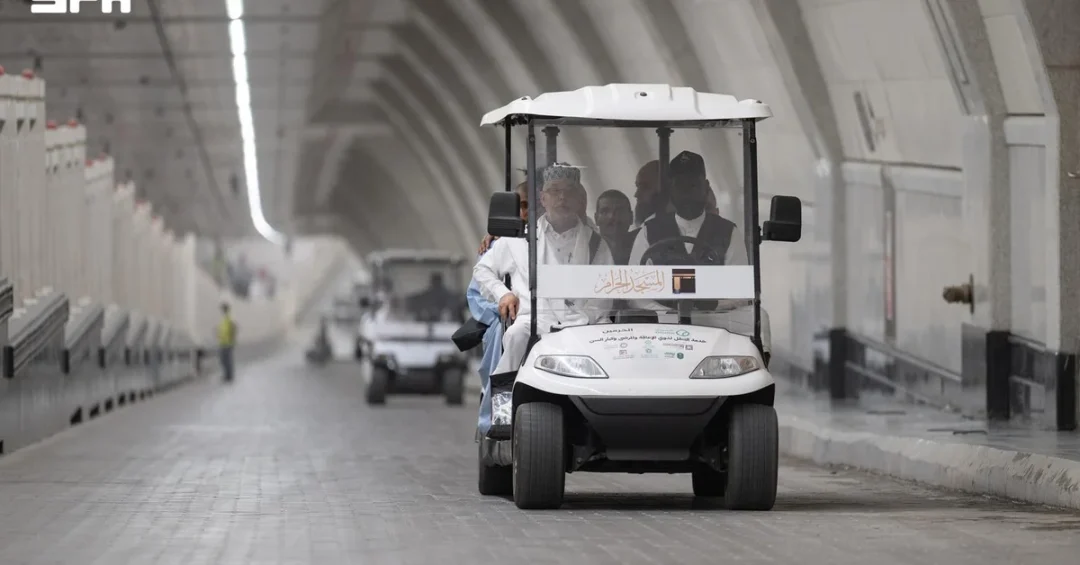
The General Authority for the Care of the Affairs of the Grand Mosque and the Prophet’s Mosque has implemented a comprehensive sustainable mobility and operational services system to ensure smooth movement for worshippers at the Grand Mosque in Makkah. The system integrates electric carts, designated pedestrian routes, bridges, stairways, elevators, and smart technological solutions to provide a safe and accessible environment for all visitors. According to the Saudi Press Agency (SPA), these efforts reflect the great attention the wise leadership gives to the Grand Mosque and its visitors, aligning with Saudi Vision 2030 objectives to enrich the visitor experience and facilitate the performance of rituals and acts of worship. How does such an integrated approach transform the pilgrimage experience for millions? It sets a global benchmark for crowd management and sustainable mobility in sacred spaces.
The announcement, carried by SPA on November 26, 2026, highlights the Authority’s commitment to leveraging modern technology and infrastructure to serve the guests of the Grand Mosque. The system is designed to accommodate the growing number of worshippers, particularly during peak seasons such as Ramadan and Hajj. By combining electric transportation, smart applications, and well-planned pedestrian networks, the Authority ensures that every visitor can move with ease and peace of mind. This initiative is part of a broader strategy to enhance the quality of services at the Two Holy Mosques, reflecting the Kingdom’s dedication to serving Islam’s holiest sites. What does this mean for the future of pilgrimage? It signals a shift toward more sustainable, efficient, and visitor-centric operations.
Context and Background
The Grand Mosque in Makkah, known as Masjid al-Haram, is the holiest site in Islam and attracts millions of worshippers annually from around the world. Managing the movement of such vast crowds is a monumental logistical challenge, especially during the Hajj and Umrah seasons. The General Authority for the Care of the Affairs of the Grand Mosque and the Prophet’s Mosque, established to oversee the maintenance and operation of the Two Holy Mosques, has been at the forefront of implementing innovative solutions to facilitate rituals. How has the Authority evolved to meet these challenges? Over the years, it has introduced a range of services, from electric carts for the elderly and disabled to smart platforms for booking and navigation. These efforts are part of a continuous improvement process aimed at ensuring the safety and comfort of all visitors.
The mobility system is not just about transportation; it is a holistic approach that includes guidance routes, equipped infrastructure, and technological integration. The Authority has developed a network of bridges, stairways, and elevators that connect different floors and courtyards, allowing for smooth movement even during peak periods. This infrastructure is complemented by smart applications that provide real-time information and booking services for certain transportation options. Such integration ensures that worshippers can navigate the expansive mosque complex without difficulty. What role does technology play in this? It acts as a force multiplier, enabling efficient crowd management and personalized assistance. The system builds on years of experience and feedback from visitors, continuously refined to meet evolving needs.
The context of these efforts is rooted in the Kingdom’s broader vision to enhance the pilgrimage experience. Saudi Vision 2030, launched by Crown Prince Mohammed bin Salman, aims to diversify the economy and improve the quality of life for citizens and visitors alike. A key component is the development of the pilgrimage sector, which includes expanding capacity and upgrading services at the Two Holy Mosques. The mobility system is a direct manifestation of this vision, demonstrating how strategic investments in infrastructure and technology can yield tangible benefits for millions. How does this align with global trends? It reflects a worldwide move toward smart cities and sustainable urban mobility, positioning Makkah as a leader in innovative crowd management.
Key Details
The mobility and operational services system comprises several key components. First, electric carts are dedicated to serving worshippers, particularly older people and persons with disabilities. These carts are designed to navigate the mosque’s courtyards and corridors, providing a comfortable and efficient way to move between areas. They are part of a broader effort to ensure accessibility for all, regardless of physical ability. Second, designated pedestrian routes are clearly marked to guide worshippers along the most efficient paths, reducing congestion and preventing bottlenecks. These routes are integrated with the mosque’s architectural layout, ensuring that movement flows naturally. What makes these carts so essential? They offer dignity and independence to those who might otherwise struggle with the physical demands of the pilgrimage.
Third, the system includes a network of bridges, stairways, and elevators that connect the different floors and courtyards of the Grand Mosque. This infrastructure is crucial for managing vertical movement, allowing worshippers to access upper levels and rooftop areas without difficulty. The bridges and stairways are designed to handle large volumes of people, while elevators provide an alternative for those who cannot use stairs. Fourth, smart platforms and applications provide booking services and help organize access to certain transportation options and support services. These digital tools allow visitors to reserve electric carts, check real-time crowd levels, and receive guidance on the best routes. How do these technologies enhance the experience? They empower worshippers with information, enabling them to plan their visit and move with confidence.
The integration of these components is seamless, creating a cohesive system that addresses the diverse needs of worshippers. For example, a visitor arriving at the Grand Mosque can use a smart application to book an electric cart in advance, receive a designated pedestrian route, and access elevators if needed. The system is monitored and managed by trained staff who ensure that everything runs smoothly. During peak periods, additional resources are deployed to handle the increased demand. The Authority has also invested in training personnel to assist visitors and operate the technology. What is the ultimate goal? To provide a safe, accessible, and spiritually fulfilling experience for every guest of the Grand Mosque.
International and Regional Impact
The sustainable mobility system at the Grand Mosque has significant implications beyond Saudi Arabia. As the host of the largest annual gathering of Muslims, the Kingdom sets a precedent for how to manage massive crowds in sacred spaces. The integration of electric transportation and smart technology demonstrates a commitment to sustainability and innovation that resonates with global efforts to reduce carbon emissions and improve urban mobility. Countries with major religious sites, such as India, Israel, and the Vatican, can look to Makkah’s model for inspiration. How does this impact the wider Muslim world? It enhances the pilgrimage experience for millions of Muslims from every continent, strengthening the bonds of faith and fostering a sense of unity. The system also showcases Saudi Arabia’s logistical capabilities, reinforcing its role as a leader in the Islamic world.
Regionally, the initiative contributes to the economic and social development of Makkah and the surrounding areas. Improved mobility attracts more visitors, which in turn boosts local businesses, hotels, and transportation services. The use of electric carts aligns with Saudi Arabia’s environmental goals, reducing the carbon footprint of the pilgrimage. Moreover, the smart applications generate valuable data that can be used to further optimize services and plan for future expansions. The success of this system could lead to similar implementations at the Prophet’s Mosque in Madinah, creating a unified approach to serving pilgrims across the Kingdom. What does this mean for Saudi Arabia’s international standing? It reinforces the Kingdom’s reputation as a capable and compassionate custodian of the Two Holy Mosques, dedicated to serving all pilgrims with the highest standards of care.
Economic and Strategic Significance
From an economic perspective, the mobility system supports Saudi Arabia’s Vision 2030 goals by enhancing the pilgrimage sector, which is a key pillar of the Kingdom’s economic diversification strategy. The government aims to increase the number of Umrah and Hajj pilgrims to 30 million by 2030, and efficient mobility is essential to achieving that target. By making the pilgrimage experience smoother and more accessible, the Kingdom can attract more visitors, generating revenue and creating jobs. The system also stimulates innovation in local industries, such as electric vehicle manufacturing and smart technology development. How does this benefit the Saudi economy? It creates a virtuous cycle: better services lead to more pilgrims, which leads to increased spending and investment in infrastructure, further improving services. This aligns with the broader goal of reducing dependence on oil and building a knowledge-based economy.
Strategically, the mobility system demonstrates Saudi Arabia’s commitment to leveraging technology for the public good. It positions the Kingdom as a pioneer in smart city solutions and sustainable transportation, which are increasingly important in a world grappling with climate change and urbanization. The use of electric carts and smart applications also aligns with the global Sustainable Development Goals, particularly those related to sustainable cities and communities. Furthermore, the system enhances the Kingdom’s soft power by showcasing its ability to manage complex logistical operations with efficiency and care. What does this mean for Saudi Arabia’s global image? It presents a modern, forward-looking nation that honors its religious heritage while embracing innovation. This balance is central to Vision 2030 and helps reshape perceptions of the Kingdom.
Vision 2030 Alignment
The sustainable mobility and operational services system at the Grand Mosque is a direct reflection of Saudi Vision 2030’s objectives to enrich the visitor experience and facilitate the performance of rituals. Vision 2030, spearheaded by Crown Prince Mohammed bin Salman, seeks to transform Saudi Arabia into a global hub for tourism, business, and innovation. A key component is the Pilgrim Experience Program, which aims to improve the quality of services for pilgrims and increase the capacity of the Two Holy Mosques. The mobility system contributes to this by ensuring that worshippers can move safely and comfortably, allowing them to focus on their spiritual journey. How does this align with the vision’s broader goals? It enhances the Kingdom’s reputation as a welcoming and efficient host, which in turn attracts more visitors and boosts economic growth. The system also supports the vision’s emphasis on sustainability and technology, showcasing Saudi Arabia’s ability to integrate modern solutions into traditional settings.
Looking ahead, the General Authority for the Care of the Affairs of the Grand Mosque and the Prophet’s Mosque will continue to develop and expand these services. Future plans may include more electric carts, expanded smart applications, and further integration with other transportation networks, such as the Haramain High Speed Railway. The ultimate goal is to create a seamless, end-to-end experience for every pilgrim, from arrival to departure. This forward-looking approach is characteristic of Vision 2030, which aims to position Saudi Arabia as a leader in pilgrimage services and a model for the world. What does the future hold? A more connected, sustainable, and spiritually enriching pilgrimage experience that honors the Kingdom’s sacred trust and its ambitious vision for the future.
20 Questions
Q1. What is the sustainable mobility system at the Grand Mosque?
A1. It is an integrated system of electric carts, pedestrian routes, bridges, elevators, and smart applications designed to facilitate smooth and safe movement for worshippers at the Grand Mosque.
Q2. Who implemented this mobility system?
A2. The General Authority for the Care of the Affairs of the Grand Mosque and the Prophet’s Mosque implemented the system, as reported by the Saudi Press Agency.
Q3. What are the main components of the system?
A3. The system includes electric carts for the elderly and disabled, designated pedestrian routes, a network of bridges, stairways, elevators, and smart platforms for booking and guidance.
Q4. How do electric carts help worshippers?
A4. Electric carts provide comfortable transportation for older people and persons with disabilities, allowing them to move easily within the Grand Mosque and its courtyards.
Q5. What are designated pedestrian routes?
A5. These are clearly marked paths that guide worshippers along efficient routes, reducing congestion and ensuring smooth movement during peak periods.
Q6. How do bridges and elevators contribute to mobility?
A6. They connect different floors and courtyards, enabling worshippers to access various areas of the mosque without difficulty, including upper levels.
Q7. What role do smart applications play?
A7. Smart applications provide booking services for electric carts, real-time information, and guidance, helping organize access to transportation and support services.
Q8. When was this system announced?
A8. The system was highlighted in a Saudi Press Agency report on November 26, 2026, detailing its features and benefits for worshippers.
Q9. Why is this system important for the Grand Mosque?
A9. It ensures a safe and accessible environment for millions of worshippers, facilitating their rituals and enhancing their overall experience at the holy site.
Q10. How does the system align with Saudi Vision 2030?
A10. It supports Vision 2030 goals to enrich the visitor experience, improve pilgrimage services, and promote sustainability and technological innovation in the Kingdom.
Q11. What benefits does the system offer for elderly and disabled worshippers?
A11. It provides them with greater independence and comfort through electric carts, accessible routes, and elevators, ensuring they can perform their rituals with ease.
Q12. How does the system handle peak periods?
A12. The integrated network of routes, bridges, and elevators, along with smart crowd management tools, helps ensure smooth movement even during the busiest times.
Q13. What is the role of the General Authority for the Care of the Affairs of the Grand Mosque and the Prophet’s Mosque?
A13. The Authority oversees the maintenance, operation, and enhancement of services at the Two Holy Mosques, including the implementation of this mobility system.
Q14. How does the system contribute to sustainability?
A14. The use of electric carts reduces carbon emissions, and the efficient management of crowds minimizes environmental impact, aligning with global sustainability goals.
Q15. What impact does the system have on the pilgrimage experience?
A15. It makes the pilgrimage smoother, more comfortable, and more accessible, allowing worshippers to focus on their spiritual activities without logistical challenges.
Q16. Are there similar systems at the Prophet’s Mosque in Madinah?
A16. The Authority oversees both mosques, and similar mobility services are likely implemented or planned for the Prophet’s Mosque to ensure consistent service quality.
Q17. How can worshippers access the smart applications?
A17. The applications are available on popular platforms and can be downloaded by visitors to book services and receive real-time guidance during their visit.
Q18. What economic benefits does the system bring?
A18. It attracts more pilgrims, boosts local businesses, creates jobs, and supports the Kingdom’s economic diversification goals under Vision 2030.
Q19. How does the system reflect Saudi leadership’s attention to the Grand Mosque?
A19. It demonstrates the leadership’s commitment to serving Islam’s holiest site and ensuring the comfort of all visitors, in line with the Kingdom’s sacred duty.
Q20. What future developments can be expected for the mobility system?
A20. Continued expansion and integration with other transportation networks, such as the Haramain High Speed Railway, to create a seamless pilgrimage experience from arrival to departure.
Reader Feedback
We value your thoughts. Please share your feedback on this article.
Your feedback helps us improve our coverage.
Related articles
 KFU Explores Research Cooperation with Chinese Academy
 300 Judges Evaluate over 1,200 Innovations on Second Day of SAIF 2026
 Saudi Arabia Stresses Human Responsibility in AI Use at UN
 Interior Ministry Showcases Innovation at SAIF
 Giza Vehicle Fire Death Toll Rises to 30: Saudi Solidarity
 Saudi Arabia Weather Forecast: Thunderstorms and Fog Expected Thursday