


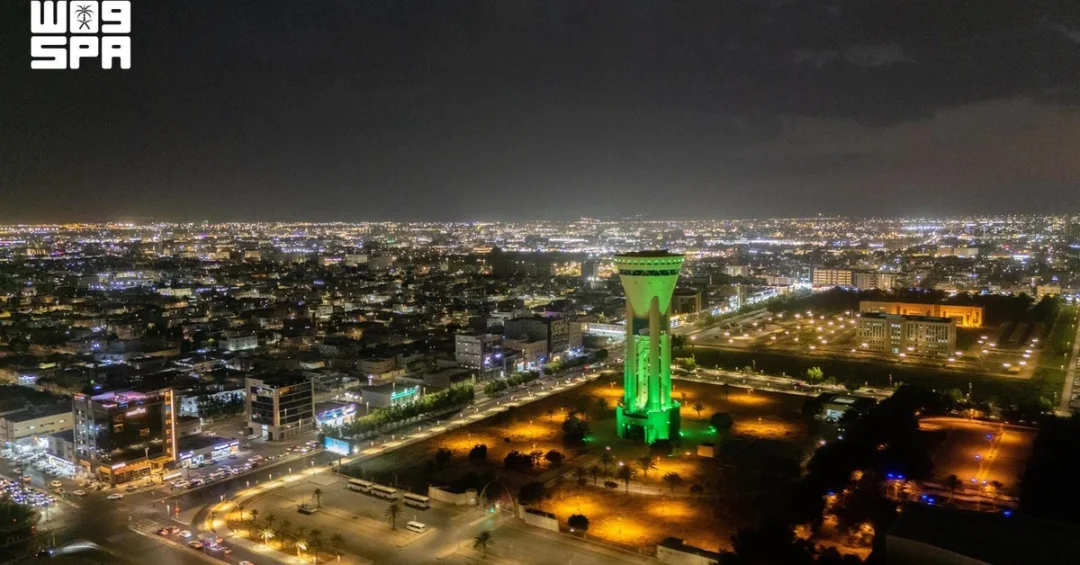
The Tabuk Region Municipality and its affiliated municipalities have announced comprehensive preparations to welcome residents and visitors during the autumn break, offering a network of 241 parks and recreational facilities across residential neighborhoods and key locations in Tabuk and the region’s various governorates. The initiative, detailed by official spokesperson Yahya Al-Jarrah, underscores the Kingdom’s commitment to enhancing quality of life and promoting domestic tourism in line with Vision 2030. With a total green space of 7,470,647 square meters, these parks are set to become hubs of community activity and relaxation during the holiday season. As families across Saudi Arabia plan their autumn getaways, the Tabuk region emerges as a prime destination for outdoor leisure and cultural exploration. How does such extensive preparation reflect the Kingdom’s broader aspirations for its citizens and guests?
The autumn break, a peak period for domestic travel, sees millions of Saudis exploring their country’s diverse landscapes. Tabuk, with its mild climate and stunning natural scenery, is a top choice. The municipality’s efforts ensure that visitors have access to well-maintained, safe, and enjoyable public spaces. This aligns with the Quality of Life Program, a key Vision 2030 initiative aimed at increasing recreational opportunities and fostering social cohesion. By investing in these facilities, Saudi Arabia is not only boosting local tourism but also reinforcing its dedication to sustainable urban development and community well-being. The seamless integration of modern amenities with natural beauty exemplifies the Kingdom’s holistic approach to progress.
Context and Background
Why has Tabuk become a focal point for domestic tourism during seasonal breaks? Located in northwestern Saudi Arabia, Tabuk is renowned for its archaeological sites, mountainous terrain, and proximity to NEOM, the futuristic mega-project. The region’s development is part of a national strategy to diversify the economy and promote regions beyond the major cities. The autumn break, which typically coincides with cooler temperatures, attracts families seeking outdoor recreation. The Tabuk Region Municipality’s proactive measures reflect a deep understanding of the growing demand for leisure activities and the need for high-quality public infrastructure. This initiative is not isolated; it is part of a nationwide push to upgrade urban amenities and create vibrant communities.
In recent years, Saudi Arabia has witnessed a surge in domestic tourism, driven by government campaigns and improved infrastructure. The National Transformation Program and the Saudi Tourism Authority have launched various incentives to encourage citizens to explore their homeland. Tabuk, with its unique attractions such as the Tabuk Castle and the Prince Fahd bin Sultan Park, has benefited from these efforts. The municipality’s preparation of 241 parks is a direct response to this trend, ensuring that residents and visitors alike can enjoy safe, well-equipped spaces. Moreover, the focus on maintenance and safety features demonstrates a commitment to sustainable operations, which is essential for long-term visitor satisfaction and community engagement.
Key Details
What exactly do these 241 parks offer to visitors? According to Yahya Al-Jarrah, the official spokesperson for the Tabuk Region Municipality, the parks cover a total area of 7,470,647 square meters and feature over 215 children’s playgrounds, more than 40 retail and service outlets, 68 public restrooms, and 19 zones equipped with fitness and exercise equipment. Additionally, there are 12 decorative fountains and 12 open plazas designed for community events and activities. These amenities cater to all age groups, from toddlers to seniors, promoting active lifestyles and social interaction. The variety of facilities ensures that every visitor finds something enjoyable, whether it’s a family picnic, a workout session, or a community gathering.
Al-Jarrah emphasized that the municipality’s efforts focus on improving the quality of design, operations, and maintenance while ensuring the availability of safety features and essential support services. This comprehensive approach enhances visitors’ experiences during the holidays and throughout the year. The parks are strategically distributed across residential neighborhoods and key locations in Tabuk and its governorates, making them easily accessible. The inclusion of retail outlets and restrooms adds convenience, while fitness zones and playgrounds encourage healthy activities. The decorative fountains and open plazas add aesthetic appeal and serve as venues for cultural events, further enriching the community fabric. Such attention to detail reflects the municipality’s dedication to excellence and visitor satisfaction.
International and Regional Impact
How does Tabuk’s park development resonate beyond Saudi borders? As the Kingdom opens up to international tourists through initiatives like the tourist visa program, regions like Tabuk are becoming increasingly attractive to foreign visitors. The well-maintained parks and recreational facilities present a positive image of Saudi Arabia’s modernization and hospitality. International tourists exploring the ancient sites of Tabuk will now also enjoy modern leisure amenities, creating a blend of heritage and contemporary comfort. This enhances the Kingdom’s competitiveness as a global tourism destination and showcases its ability to offer world-class experiences. Furthermore, the emphasis on family-friendly environments aligns with the values of many international travelers, making Saudi Arabia a more appealing choice for vacations.
Regionally, Tabuk’s preparations set a benchmark for other municipalities in the Gulf and beyond. The scale and quality of the facilities demonstrate Saudi Arabia’s leadership in urban planning and community development. Neighboring countries may look to this model as they seek to enhance their own public spaces. Additionally, the influx of visitors during the autumn break stimulates local economies, benefiting small businesses and service providers. This cross-border economic activity fosters regional integration and cooperation. By prioritizing recreational infrastructure, Saudi Arabia not only improves the lives of its citizens but also strengthens its soft power and diplomatic ties through cultural exchange and tourism.
Economic and Strategic Significance
What economic benefits arise from such extensive park preparations? The autumn break brings a surge in domestic spending on travel, food, and entertainment. By providing free, high-quality recreational spaces, the municipality enables families to enjoy leisure activities without significant expense, thereby increasing disposable income for other purchases. Local businesses, from retail outlets within parks to nearby restaurants and shops, experience higher foot traffic. This boosts the local economy and creates job opportunities, particularly for youth and small entrepreneurs. The investment in parks also raises property values in surrounding areas, contributing to urban regeneration. Overall, the initiative supports economic diversification by strengthening the tourism and leisure sectors, key pillars of Vision 2030.
Strategically, the development of Tabuk’s parks aligns with the Kingdom’s goal of balanced regional development. By investing in areas outside major metropolitan centers, the government ensures that all regions share in the nation’s prosperity. Tabuk’s proximity to NEOM and the Red Sea coast positions it as a gateway for future growth. The parks serve as social infrastructure that attracts residents and businesses, fostering sustainable communities. Moreover, the focus on safety and maintenance ensures that these assets remain valuable for years to come. This long-term perspective is essential for achieving the ambitious targets of Vision 2030, which aims to elevate Saudi Arabia’s global standing and enhance the well-being of its people.
Vision 2030 Alignment
How does this initiative embody the core principles of Vision 2030? The Quality of Life Program, one of Vision 2030’s key realization programs, seeks to improve the living standards of citizens and residents by creating vibrant environments. The Tabuk Region Municipality’s efforts directly contribute to this goal by providing accessible recreational spaces that promote health, happiness, and community cohesion. The emphasis on design, safety, and maintenance reflects the program’s objectives of enhancing urban infrastructure and fostering social engagement. Furthermore, by attracting visitors, these parks support the tourism sector, another vital component of economic diversification. The initiative also empowers local municipalities to take ownership of development, aligning with the Vision’s call for efficient governance and decentralized service delivery.
In conclusion, the Tabuk Region Municipality’s preparation of 241 parks for the autumn break is a shining example of Saudi Arabia’s commitment to its people and its future. Through thoughtful planning and investment, the Kingdom is creating spaces where families can thrive and visitors can experience the best of Saudi hospitality. As Vision 2030 continues to unfold, such projects will multiply across the nation, transforming Saudi Arabia into a global leader in quality of life and sustainable development. The autumn break in Tabuk is not just a holiday; it is a celebration of progress, unity, and the bright future that awaits the Kingdom.
20 Questions
Q1. What is the Tabuk Region Municipality preparing for?
A1. The Tabuk Region Municipality is preparing to welcome residents and visitors during the autumn break by offering a network of parks and recreational facilities across Tabuk and its governorates.
Q2. How many parks has the municipality readied?
A2. The municipality has readied 241 parks, covering a total area of 7,470,647 square meters, to receive residents and visitors during the autumn break.
Q3. What amenities are available in these parks?
A3. The parks feature over 215 children’s playgrounds, more than 40 retail and service outlets, 68 public restrooms, 19 fitness zones, 12 decorative fountains, and 12 open plazas for community events.
Q4. Who is the official spokesperson for the Tabuk Region Municipality?
A4. Yahya Al-Jarrah is the official spokesperson for the Tabuk Region Municipality, as stated in the Saudi Press Agency report.
Q5. What is the total area covered by the parks?
A5. The parks cover a total area of 7,470,647 square meters, providing ample green space for recreation and relaxation across the region.
Q6. How many children’s playgrounds are there?
A6. There are over 215 children’s playgrounds, ensuring that young visitors have safe and enjoyable spaces to play during the autumn break.
Q7. What types of retail and service outlets are available?
A7. The parks include more than 40 retail and service outlets, offering convenience and enhancing the visitor experience with food, drinks, and other essentials.
Q8. Are there fitness facilities in the parks?
A8. Yes, there are 19 zones equipped with fitness and exercise equipment, promoting active lifestyles and healthy activities for visitors of all ages.
Q9. What are the decorative fountains for?
A9. The 12 decorative fountains add aesthetic appeal to the parks, creating pleasant environments for relaxation and enjoyment.
Q10. What are the open plazas used for?
A10. The 12 open plazas are designed for community events and activities, fostering social interaction and cultural engagement among visitors.
Q11. How does the municipality ensure safety in the parks?
A11. The municipality focuses on improving design, operations, and maintenance, and ensures the availability of safety features and essential support services for visitors.
Q12. Why is the autumn break significant for Tabuk?
A12. The autumn break is a peak period for domestic tourism, and Tabuk’s mild climate and attractions make it a popular destination for families seeking outdoor recreation.
Q13. How does this initiative align with Vision 2030?
A13. It aligns with the Quality of Life Program, a key Vision 2030 initiative, by enhancing recreational opportunities, promoting social cohesion, and supporting domestic tourism.
Q14. What economic benefits do these parks bring?
A14. The parks stimulate local spending, create jobs, and support small businesses, contributing to economic diversification and regional development.
Q15. Are these parks accessible to international tourists?
A15. Yes, as Saudi Arabia opens up to international tourism, these well-maintained parks offer modern amenities that enhance the visitor experience for foreigners exploring the region.
Q16. How many public restrooms are available?
A16. There are 68 public restrooms across the parks, ensuring convenience and hygiene for all visitors during their outings.
Q17. What is the role of the Tabuk Region Municipality?
A17. The municipality is responsible for developing and maintaining public spaces, ensuring they meet high standards of quality and safety for residents and visitors.
Q18. How does this initiative reflect Saudi Arabia’s modernization?
A18. It showcases the Kingdom’s commitment to improving urban infrastructure and quality of life, reflecting the progressive vision of Saudi leadership.
Q19. What other regions in Saudi Arabia have similar initiatives?
A19. Many municipalities across the Kingdom are undertaking similar projects to enhance recreational spaces, as part of a nationwide effort under Vision 2030.
Q20. What is the expected impact of these preparations on the autumn break?
A20. The preparations will provide safe, enjoyable spaces for families, boost local tourism, and contribute to the overall success of the autumn break in Tabuk.
Reader Feedback
We value your thoughts. Please share your feedback on this article.
Your feedback helps us improve our coverage.
Related articles
 King Salman Park Foundation Achieves ISO Security Certification
 Taif Governor Receives Indian Consul General
 GADD Launches Strategy to Enhance National Defense Capabilities, Self-Reliance
 Makkah Conference Brings Together over 200 Yemeni Scholars, Preachers
 5.0-Magnitude Earthquake Strikes Sea of Japan, No Damage
 Al-Sudais Launches Digital Services at Prophet’s Mosque