


The CEO of the General Authority for the Care of the Affairs of the Grand Mosque and the Prophet’s Mosque, Ghazi Al-Shahrani, has outlined a comprehensive technological roadmap to transform facilities management at the Two Holy Mosques, shifting from reactive monitoring to proactive anticipation. Speaking at the Hajj Conference and Exhibition 2026 in Jeddah, Al-Shahrani detailed plans to harness Fourth Industrial Revolution technologies—including artificial intelligence, the Internet of Things, and digital twins—to engineer an integrated experience for the millions of pilgrims who visit the holy sites annually. The initiative represents a strategic leap in operational excellence, aligning with Saudi Arabia’s Vision 2030 goals to enhance the quality of services for pilgrims and showcase the Kingdom’s leadership in smart infrastructure. How will this transformation redefine the pilgrimage experience for years to come?
The announcement, reported by the Saudi Press Agency (SPA), underscores the Kingdom’s commitment to continuous improvement in the management of the Two Holy Mosques, which welcome millions of worshippers from around the world. Al-Shahrani emphasized that asset and facilities management has evolved into an advanced industry, moving beyond traditional practices to integrated systems that leverage big data, IoT, digital twins, and AI. This shift is designed to improve operational efficiency, ensure service sustainability, and enhance the overall pilgrimage journey. As the Kingdom prepares for ever-larger numbers of pilgrims, the adoption of cutting-edge technologies is not just an option but a necessity. What does this mean for the future of crowd management and service delivery at Islam’s holiest sites?
Context and Background
Have you ever considered the immense logistical challenge of managing the Two Holy Mosques, where millions of pilgrims gather for Hajj and Umrah each year? The General Authority for the Care of the Affairs of the Grand Mosque and the Prophet’s Mosque, established to oversee the maintenance and operation of these sacred sites, has been at the forefront of integrating modern technologies into its operations. Under the leadership of CEO Ghazi Al-Shahrani, the authority has been working to develop a technological roadmap that supports a shift from a multi-agency approach to clearly defined roles and responsibilities. This move is part of a broader effort to enhance coordination among various entities involved in managing the holy sites, including the Ministry of Interior, which plays a crucial role in regulating crowd movement.
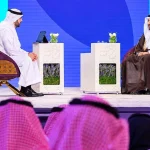
The Hajj Conference and Exhibition 2026, held in Jeddah, provided a platform for Al-Shahrani to highlight these strategic changes. The event brought together experts and stakeholders to discuss the latest innovations in pilgrimage management. Al-Shahrani noted that the authority’s roadmap is designed to move from monitoring challenges to anticipating them, and from service delivery to engineering an integrated experience. This proactive approach is rooted in the recognition that the scale and complexity of the Two Holy Mosques require exceptional operational models. By leveraging Fourth Industrial Revolution technologies, the authority aims to set new benchmarks in facilities management, ensuring that the holy sites are always ready to receive pilgrims with the highest standards of safety and comfort.
Key Details of the Technological Roadmap
What exactly does the shift to proactive facilities management entail? According to Al-Shahrani, the authority is adopting a suite of advanced technologies to create a seamless operational ecosystem. The Internet of Things (IoT) will enable real-time monitoring of infrastructure, from energy systems to crowd flows. Digital twins—virtual replicas of physical assets—will allow engineers to simulate and predict potential issues before they arise. Artificial intelligence will analyze vast amounts of data to optimize decision-making and resource allocation. These technologies are not just tools; they represent a fundamental change in how the authority approaches its mission. The integrated management of primary and backup energy sources, for instance, ensures continuity of services even during peak demand, while the readiness of facilities to receive pilgrims is constantly assessed and improved.
Al-Shahrani also stressed the importance of coordinated efforts among relevant entities to manage visitor flows. He praised the significant efforts of the Ministry of Interior in regulating the movement of visitors entering the Two Holy Mosques from outside. Smooth movement, he noted, depends not only on conditions inside the mosques but also on the surrounding areas and the roads leading to them. This holistic view of crowd management is essential for enhancing pilgrims’ safety and improving their experience. The authority is working closely with various agencies to ensure that all aspects of the pilgrimage journey—from arrival to departure—are optimized. How will these coordinated efforts translate into tangible improvements for the average pilgrim?
International and Regional Impact
The transformation of facilities management at the Two Holy Mosques has implications that extend far beyond Saudi Arabia’s borders. As the custodian of Islam’s holiest sites, the Kingdom welcomes pilgrims from over 180 countries, and the quality of their experience reflects on the nation’s global standing. By adopting advanced technologies and proactive strategies, Saudi Arabia is setting a new standard for pilgrimage management that could be emulated by other religious and cultural destinations worldwide. The use of AI and digital twins, for example, could inspire similar initiatives in other crowded urban environments or heritage sites. Moreover, the success of these efforts reinforces the Kingdom’s reputation as a leader in innovation and service excellence, which is a key pillar of Vision 2030.
Regionally, the initiative contributes to the stability and prosperity of the Middle East by ensuring that the Hajj and Umrah seasons proceed smoothly, fostering goodwill among Muslim communities. The Kingdom’s ability to manage large-scale events efficiently also demonstrates its capacity to host major international gatherings, such as Expo 2030 and the FIFA World Cup 2034. As Al-Shahrani highlighted, the shift from responding to challenges to anticipating them is a paradigm shift that leverages modern technologies and national capabilities. This proactive approach not only enhances the pilgrimage experience but also strengthens Saudi Arabia’s soft power and diplomatic ties. What lessons can other nations learn from the Kingdom’s proactive approach to managing sacred sites?
Economic and Strategic Significance
From an economic perspective, the efficient management of the Two Holy Mosques supports the growth of the pilgrimage sector, which is a vital component of Saudi Arabia’s non-oil economy. Vision 2030 aims to increase the number of pilgrims to 30 million annually by 2030, and the adoption of smart technologies is essential to achieving this target without compromising on safety or service quality. The use of AI and IoT can reduce operational costs, optimize energy consumption, and improve resource allocation, thereby enhancing the overall economic viability of the pilgrimage industry. Additionally, the development of a high-tech operational model creates opportunities for Saudi companies and startups to contribute innovative solutions, fostering a knowledge-based economy.
Strategically, the initiative reinforces the Kingdom’s position as a global leader in smart city technologies and large-scale event management. The expertise gained from managing the Two Holy Mosques can be exported to other sectors, such as transportation, logistics, and urban planning. The authority’s collaboration with the Ministry of Interior and other agencies also demonstrates the effectiveness of integrated governance, which is a key objective of Vision 2030. By turning data into effective decisions, the authority is not only improving services but also building a resilient infrastructure that can adapt to future challenges. How will these economic benefits trickle down to the average Saudi citizen and businesses?
Vision 2030 Alignment
The technological roadmap for the Two Holy Mosques is a clear manifestation of Vision 2030’s objectives to enhance the quality of life for citizens and visitors, diversify the economy, and promote Saudi Arabia as a global hub for innovation and tourism. The Vision’s emphasis on digital transformation and smart infrastructure is directly reflected in the authority’s adoption of Fourth Industrial Revolution technologies. By engineering an integrated experience for pilgrims, the Kingdom is not only fulfilling its religious duty but also showcasing its ability to blend tradition with modernity. This alignment is crucial for attracting international investment and partnerships, as it demonstrates the Kingdom’s commitment to excellence and sustainability.
Looking ahead, the authority’s proactive approach will continue to evolve, with plans to expand the use of AI and digital twins to other aspects of operations. The ultimate goal is to create a seamless, safe, and spiritually enriching experience for all pilgrims, while contributing to the Kingdom’s long-term prosperity. As Al-Shahrani noted, the most important transformation lies in shifting from responding to challenges to anticipating them. This philosophy will guide the authority as it works to ensure that the Two Holy Mosques remain at the forefront of service excellence. In doing so, Saudi Arabia reaffirms its role as the heart of the Islamic world and a beacon of progress and hospitality.
20 Questions
Q1. What is the main focus of the technological roadmap announced by Ghazi Al-Shahrani?
A1. The roadmap focuses on developing the operational system for facilities at the Two Holy Mosques using Fourth Industrial Revolution technologies to shift from reactive monitoring to proactive anticipation and integrated service delivery.
Q2. Who is Ghazi Al-Shahrani?
A2. Ghazi Al-Shahrani is the CEO of the General Authority for the Care of the Affairs of the Grand Mosque and the Prophet’s Mosque, responsible for overseeing the management and development of the Two Holy Mosques.
Q3. Where did Al-Shahrani announce these plans?
A3. He announced the plans at the Hajj Conference and Exhibition 2026 in Jeddah, Saudi Arabia, an event that brings together experts to discuss pilgrimage management innovations.
Q4. What technologies are being utilized in this transformation?
A4. The technologies include artificial intelligence, the Internet of Things, big data, and digital twins, which help improve operational efficiency and service sustainability at the holy sites.
Q5. What does the shift from multi-agency to clearly defined roles mean?
A5. It means moving from a fragmented approach where multiple agencies handle overlapping responsibilities to a streamlined system with clear accountability, enhancing coordination and efficiency in managing the Two Holy Mosques.
Q6. How will digital twins be used in facilities management?
A6. Digital twins will create virtual replicas of physical assets, allowing engineers to simulate scenarios, predict maintenance needs, and optimize operations without disrupting actual services.
Q7. What role does the Ministry of Interior play in this initiative?
A7. The Ministry of Interior regulates the movement of visitors entering the Two Holy Mosques from outside, ensuring smooth crowd flow and enhancing pilgrims’ safety through coordinated efforts.
Q8. Why is proactive anticipation important for managing the Two Holy Mosques?
A8. Proactive anticipation allows authorities to foresee challenges and needs before they arise, enabling timely interventions that prevent disruptions and improve the overall pilgrimage experience.
Q9. How does this initiative align with Vision 2030?
A9. It aligns with Vision 2030 by promoting digital transformation, enhancing service quality for pilgrims, diversifying the economy, and showcasing Saudi Arabia’s leadership in smart infrastructure and innovation.
Q10. What is the significance of integrated energy management at the Two Holy Mosques?
A10. Integrated energy management ensures continuous power supply from primary and backup sources, maintaining the readiness of facilities to receive pilgrims without interruptions, even during peak demand.
Q11. How will the pilgrimage experience improve for visitors?
A11. Visitors will benefit from smoother crowd movement, enhanced safety, reduced waiting times, and a more seamless and spiritually enriching journey through the use of advanced technologies and coordinated services.
Q12. What are the economic benefits of this technological upgrade?
A12. The upgrade can reduce operational costs, optimize energy use, create opportunities for Saudi tech companies, and support the growth of the pilgrimage sector, contributing to non-oil economic diversification.
Q13. How does this initiative impact Saudi Arabia’s global standing?
A13. It reinforces the Kingdom’s reputation as a leader in innovation and service excellence, demonstrating its ability to manage large-scale religious events efficiently and setting a benchmark for other nations.
Q14. What is the role of AI in decision-making at the authority?
A14. AI analyzes vast data sets to provide actionable insights, enabling authorities to make informed decisions quickly, optimize resource allocation, and predict and mitigate potential operational challenges.
Q15. How many pilgrims are expected in the coming years?
A15. Saudi Arabia aims to welcome 30 million pilgrims annually by 2030, a target that requires advanced infrastructure and smart management systems to handle the increased volume safely and efficiently.
Q16. What challenges does the authority aim to anticipate?
A16. The authority aims to anticipate challenges such as crowd congestion, energy disruptions, maintenance issues, and logistical bottlenecks, using technology to address them before they impact pilgrims.
Q17. How does the authority coordinate with other entities?
A17. The authority collaborates with the Ministry of Interior and other agencies to manage visitor flows, sharing data and resources to ensure a unified and effective approach to crowd control and service delivery.
Q18. What is the long-term vision for the Two Holy Mosques’ facilities management?
A18. The long-term vision is to create a fully integrated, technology-driven operational model that ensures sustainability, safety, and an exceptional pilgrimage experience, while contributing to Saudi Arabia’s Vision 2030 goals.
Q19. How does this initiative reflect Saudi Arabia’s commitment to innovation?
A19. It demonstrates the Kingdom’s embrace of Fourth Industrial Revolution technologies to enhance sacred site management, showcasing a blend of tradition and modernity that positions Saudi Arabia as a global innovator.
Q20. What is the ultimate goal of the shift to proactive facilities management?
A20. The ultimate goal is to engineer an integrated experience for pilgrims, ensuring their safety, comfort, and spiritual fulfillment while optimizing operations and upholding the highest standards of service at the Two Holy Mosques.
Reader Feedback
We value your thoughts. Please share your feedback on this article.
Your feedback helps us improve our coverage.
Related articles
 Saudi FM Joins Qatar, E4 in Paris for Regional Security Talks
 Crown Prince, Greek PM Discuss Bilateral Cooperation
 Hajj Conference Advances Operational Excellence for Pilgrims
 Hajj Conference Workshop Discusses Supply Chain Security Under ISO 28000
 Saudi Arabia Unveils AI-Powered Smart Security for Hajj
 NCVC Sows Native Seeds in Al-Baha’s Wadi Al-Sahibah