


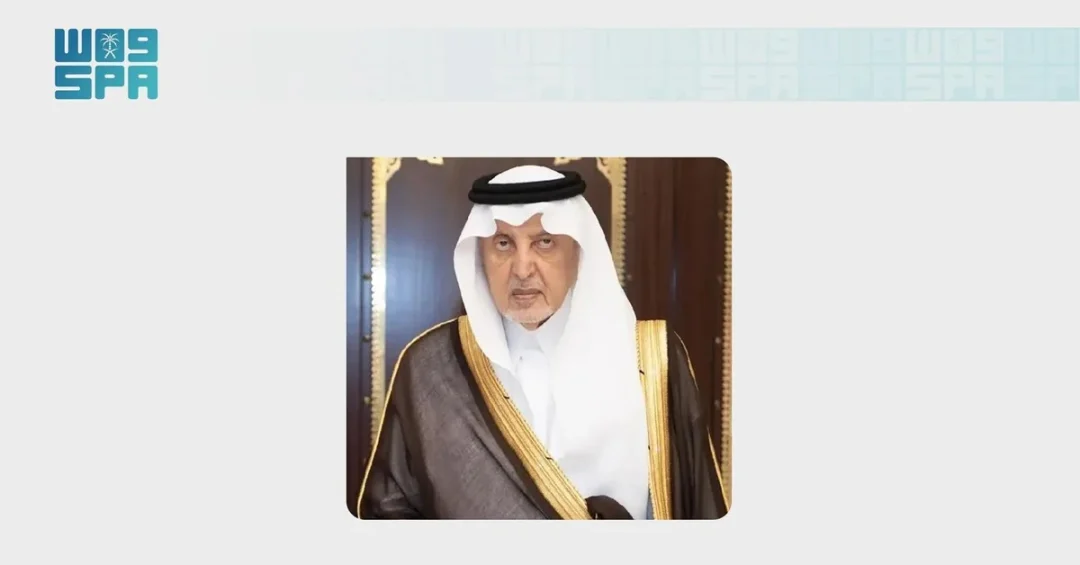
The University of Jeddah will organize the first edition of its environmental sustainability forum on Wednesday, September 30, 2026, under the patronage of Governor of Makkah Region Prince Khalid bin Faisal bin Abdulaziz, the Saudi Press Agency reported. The two-day event, held at the university’s conference center, brings together government ministries, environmental agencies, academic institutions, and research bodies to advance environmental sustainability and the development of natural and royal reserves across the Kingdom.
The forum reflects a widening national effort to embed environmental stewardship within Saudi Arabia’s academic, investment, and governance frameworks. By convening policymakers, scientists, and investors in one venue, the University of Jeddah is positioning itself as a bridge between research and the practical management of the Kingdom’s protected landscapes. Could a university-led forum become the model for how Saudi Arabia coordinates environmental expertise nationwide? The gathering will feature 10 dialogue sessions and the signing of several memoranda of understanding among participating entities, signaling that collaboration — not isolated effort — will define the next phase of Saudi environmental work.
Context and Background
Why has environmental sustainability become such a central theme in Saudi Arabia’s national planning? The answer lies in the scale of the Kingdom’s natural assets and the pace of its modernization. Saudi Arabia oversees vast desert ecosystems, coastal habitats along the Red Sea and Arabian Gulf, and a growing network of royal and natural reserves that together form a significant share of the Arabian Peninsula’s biodiversity. Managing these areas requires coordinated scientific research, careful investment, and community engagement — precisely the combination the University of Jeddah forum aims to assemble.
The event is organized under the patronage of Prince Khalid bin Faisal bin Abdulaziz, Governor of Makkah Region, whose support underscores the regional and national priority attached to environmental protection. The Makkah Region itself hosts diverse ecosystems and heritage sites that intersect with conservation goals. By lending gubernatorial patronage, the forum gains institutional weight and signals that environmental work is treated as a governance priority rather than a peripheral academic exercise.
Universities in Saudi Arabia have increasingly moved beyond traditional teaching roles to become engines of applied research and policy support. The University of Jeddah, established as a modern institution in the Kingdom’s second-largest city, has developed programs in science, engineering, and environmental studies that align with national needs. Hosting a forum of this kind allows the university to translate research capacity into actionable recommendations for reserves management, sustainable development, and investment integration.
Key Details of the Forum
What exactly will the two-day forum deliver? According to the Saudi Press Agency, the program includes 10 dialogue sessions focused on enhancing environmental, academic, and investment integration. These sessions are designed to connect three often-separate worlds: the scientific community that studies ecosystems, the government entities that regulate and protect them, and the investors who can finance sustainable projects. The forum will also witness the signing of several memoranda of understanding among relevant entities, formalizing partnerships that can outlast the event itself.
The participation of government, environmental, academic, and research entities indicates a multi-stakeholder approach. Government bodies bring regulatory authority and national strategy; environmental organizations contribute field expertise and conservation experience; academic institutions supply research and training; and research entities offer data, innovation, and monitoring capabilities. When these groups convene around a shared agenda, the results can include joint research programs, standardized data collection, and coordinated management plans for reserves.
A central theme is the development of natural and royal reserves. Saudi Arabia has invested significantly in expanding protected areas, including royal reserves that combine conservation with controlled public access and tourism. Managing these reserves sustainably involves balancing ecological protection with visitor experience, infrastructure, and economic returns. The forum’s dialogue sessions are expected to explore how academic research can inform these trade-offs and how investment can be channeled responsibly.
The signing of memoranda of understanding is a practical outcome that distinguishes this forum from a purely ceremonial gathering. Such agreements typically define areas of cooperation, resource sharing, and joint objectives. For reserves development, they may cover research access, training programs, technology transfer, or funding mechanisms. Each memorandum represents a commitment to follow-through, giving the forum a measurable legacy.
International and Regional Impact
How does a national environmental forum in Jeddah resonate beyond Saudi borders? Environmental sustainability is a global concern, and Saudi Arabia’s efforts feed into international conversations about climate resilience, biodiversity, and desertification. The Kingdom’s participation in global environmental frameworks and its domestic initiatives — from renewable energy projects to tree-planting campaigns — are watched by partners and observers worldwide. A forum that unites academic and government expertise can produce insights relevant to other arid regions facing similar challenges.
Regionally, the event strengthens cooperation among Gulf and Middle Eastern institutions. Environmental issues do not respect borders; migratory species, shared coastlines, and transboundary dust and climate patterns require collaborative approaches. By inviting a range of entities and formalizing partnerships through memoranda of understanding, the University of Jeddah forum contributes to a regional culture of environmental cooperation. It also reinforces Saudi Arabia’s role as a convening power capable of bringing diverse stakeholders to the table.
For international audiences, the forum offers a window into how Saudi Arabia is integrating environmental priorities into its broader development model. The Kingdom’s environmental agenda is not isolated from its economic and social transformation; it is embedded within it. Reserves development, for example, supports tourism, creates jobs, and preserves heritage — outcomes that intersect with multiple national objectives. Observers tracking Saudi Arabia’s sustainability trajectory will find in this forum evidence of institutional deepening.
Economic and Strategic Significance
Why should investors and businesses pay attention to an academic environmental forum? The integration of investment into environmental and reserves development is explicitly on the agenda. Saudi Arabia’s protected areas and natural reserves represent long-term assets that can generate sustainable economic value through eco-tourism, research services, and responsible resource management. The forum’s focus on investment integration suggests a desire to design financing models that align profitability with conservation — a balance increasingly sought by global investors.
Strategic significance extends to food security, water management, and climate adaptation. Environmental research informs how the Kingdom manages scarce water resources, restores degraded land, and protects biodiversity that supports ecosystem services. These are not abstract concerns; they underpin the stability and quality of life of a growing population. By connecting academic research with government planning and private capital, the forum helps translate environmental goals into operational programs.
Furthermore, the event supports the development of human capital. Students and early-career researchers who participate in or follow the forum’s sessions gain exposure to real-world environmental challenges and the professionals addressing them. This contributes to building a Saudi workforce skilled in environmental science, sustainability management, and green finance — capabilities that will be in demand as the Kingdom expands its environmental portfolio.
Vision 2030 Alignment
How does the University of Jeddah forum connect to Saudi Vision 2030? The Vision’s emphasis on quality of life, environmental sustainability, and economic diversification provides the overarching framework. Initiatives that protect natural reserves, promote academic research, and attract responsible investment directly support the Vision’s goals of a vibrant society, a thriving economy, and an ambitious nation. The forum operationalizes these goals by creating a platform where the necessary actors can coordinate.
Under the patronage of Prince Khalid bin Faisal bin Abdulaziz and with participation from across government, academia, and the private sector, the event exemplifies the collaborative approach that Vision 2030 encourages. The memoranda of understanding to be signed represent concrete steps toward institutionalizing that collaboration. As Saudi Arabia continues its transformation, forums like this one ensure that environmental sustainability remains a living priority, advanced by research, partnership, and strategic investment. The University of Jeddah’s first environmental sustainability forum is therefore not merely a two-day event; it is a building block in the Kingdom’s long-term environmental and developmental journey.
20 Questions
Q1. What is the University of Jeddah organizing?
A1. The University of Jeddah is organizing the first edition of its environmental sustainability forum, a two-day event focused on environmental protection and the development of natural and royal reserves in Saudi Arabia.
Q2. When and where will the forum take place?
A2. The forum will be held on Wednesday, September 30, 2026, at the university’s conference center in Jeddah, according to the Saudi Press Agency.
Q3. Who is patronizing the forum?
A3. Governor of Makkah Region Prince Khalid bin Faisal bin Abdulaziz is patronizing the forum, underscoring the regional and national importance of environmental sustainability.
Q4. How many dialogue sessions are planned?
A4. The forum will feature 10 dialogue sessions covering environmental sustainability, reserves development, and the integration of academic, investment, and environmental efforts.
Q5. What types of entities are participating?
A5. Government, environmental, academic, and research entities are participating, creating a multi-stakeholder platform for collaboration and knowledge exchange.
Q6. What agreements will be signed during the forum?
A6. Several memoranda of understanding among relevant entities will be signed, formalizing partnerships and commitments to joint environmental and research initiatives.
Q7. What is the main focus of the forum’s sessions?
A7. The sessions focus on enhancing environmental, academic, and investment integration and supporting efforts to manage and develop natural and royal reserves.
Q8. Why are royal reserves important to Saudi Arabia?
A8. Royal reserves protect biodiversity, preserve natural heritage, and support sustainable tourism and economic development, aligning with national environmental and Vision 2030 goals.
Q9. How does the forum support academic research?
A9. By connecting universities and research entities with government and investors, the forum helps translate research into practical solutions for reserves management and sustainability.
Q10. What role does investment play in the forum?
A10. Investment integration is a key theme, aiming to design financing models that support conservation and sustainable development of reserves while generating economic returns.
Q11. How does the forum align with Vision 2030?
A11. It supports Vision 2030 goals of environmental sustainability, quality of life, and economic diversification by fostering collaboration among key stakeholders.
Q12. What is the significance of Prince Khalid bin Faisal’s patronage?
A12. His patronage elevates the forum’s profile and signals that environmental protection is a governance priority in the Makkah Region and nationally.
Q13. Will the forum have a lasting impact?
A13. Yes, the memoranda of understanding and dialogue outcomes are designed to create ongoing partnerships and programs beyond the two-day event.
Q14. How does the forum address environmental sustainability?
A14. It addresses sustainability through sessions on reserves management, biodiversity protection, and the integration of environmental considerations into investment and academic work.
Q15. What is the role of the University of Jeddah in this event?
A15. The university is the organizer and host, positioning itself as a hub for environmental research and collaboration in the Kingdom’s western region.
Q16. How can students benefit from the forum?
A16. Students can gain exposure to real-world environmental challenges, network with professionals, and learn about career paths in sustainability, research, and green finance.
Q17. Does the forum address regional environmental cooperation?
A17. Yes, by bringing together diverse entities, it fosters cooperation that can extend to regional environmental initiatives and shared challenges.
Q18. What economic sectors might benefit from the forum’s outcomes?
A18. Eco-tourism, environmental research, sustainable agriculture, and green investment are among the sectors that could benefit from improved reserves management and partnerships.
Q19. How does the forum support Saudi Arabia’s environmental goals?
A19. It advances goals by facilitating coordination, signing agreements, and promoting research and investment that protect natural resources and enhance sustainability.
Q20. What is the expected outcome of the forum?
A20. The expected outcomes include signed memoranda, strengthened partnerships, and actionable recommendations for managing and developing Saudi Arabia’s natural and royal reserves.
Reader Feedback
We value your thoughts. Please share your feedback on this article.
Your feedback helps us improve our coverage.
Related articles
 Saudi Ministry Holds 4th Religious Course for Imams in Thailand
 Islamic Affairs Ministry Joins Madinah Conference on Intellectual Deviations
 5.4-Magnitude Earthquake Jolts Western Canada
 Virtue and Vice Commission President Chairs Madinah Conference Session
 KSrelief Launches Heart Surgery Project in Kyrgyz Republic
 Madinah Conference Tackles Intellectual Deviations