


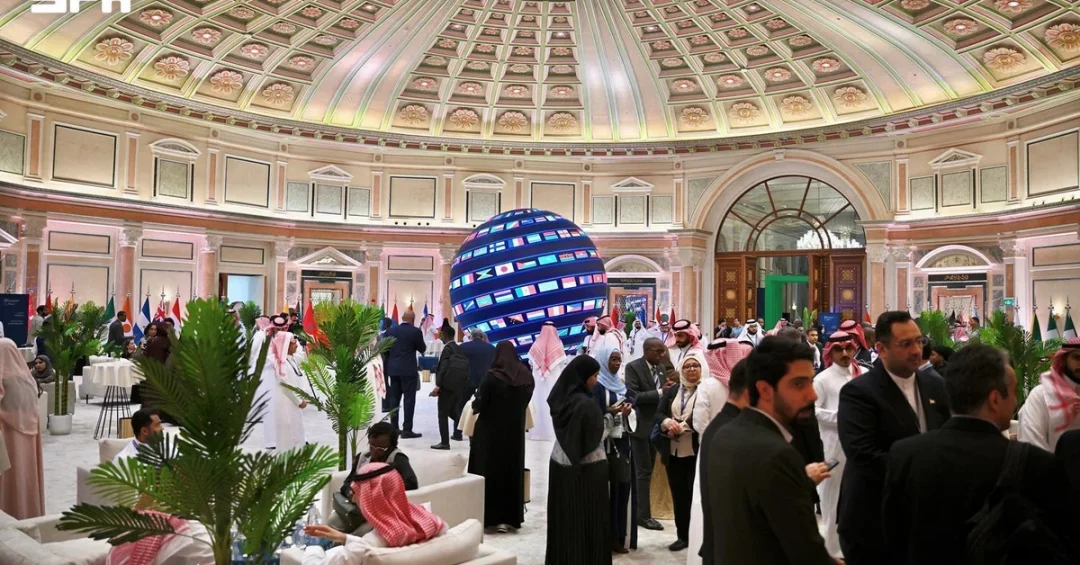
The International Center for AI Research and Ethics (ICAIRE) and the Slovenia-based International Research Centre on Artificial Intelligence (IRCAI) co-organized a research workshop as part of the fourth UNESCO Global Forum on the Ethics of Artificial Intelligence (GFEAI 2026) in Riyadh, according to the Saudi Press Agency (SPA). The workshop served as the forum’s academic track and brought together researchers from Saudi Arabia and several countries around the world.
Context and Background
The fourth UNESCO Global Forum on the Ethics of Artificial Intelligence (GFEAI 2026) is being held in Riyadh, marking the first time the event is hosted in the Kingdom of Saudi Arabia. The forum is supervised by the United Nations Educational, Scientific and Cultural Organization (UNESCO) and focuses on global dialogue around ethical AI development and governance.
The academic workshop co-organized by ICAIRE and IRCAI formed an integral part of the forum, providing a platform for scholarly exchange and research presentation on AI ethics.
Key Details
The workshop featured 27 selected research abstracts presented by around 25 researchers. Participants represented Saudi Arabia, Brazil, Colombia, Canada, Qatar, Germany, the Netherlands, Indonesia, Thailand, Sudan, Slovenia, and the United Kingdom, among other countries. This diverse participation underscores the global interest in AI ethics and the role of international collaboration in addressing complex challenges.
The research workshop was held under the supervision of UNESCO, aligning with its ongoing efforts to promote ethical AI frameworks worldwide. The presentations covered a range of topics pertinent to AI ethics, though specific details of the abstracts were not disclosed in the SPA report.
Implications and Impact
The gathering in Riyadh highlights Saudi Arabia’s growing role in global dialogues on technology and ethics. By hosting and co-organizing such events, the Kingdom demonstrates its commitment to contributing to international discussions on responsible AI development. The participation of researchers from multiple continents reflects a shared recognition of the need for cross-border cooperation in setting ethical standards for AI.
This workshop also reinforces UNESCO’s objective to foster inclusive and ethical AI practices, with Saudi Arabia playing a pivotal role in facilitating these conversations.
Vision 2030 Alignment
Saudi Arabia’s Vision 2030 emphasizes diversification and technological advancement, including the development of AI capabilities. The Kingdom’s involvement in hosting GFEAI 2026 and co-organizing the research workshop with ICAIRE and IRCAI aligns with Vision 2030’s goals of promoting innovation, education, and international cooperation. Such initiatives position Saudi Arabia as a hub for ethical AI research and policy development, contributing to the global knowledge economy and showcasing the Kingdom’s leadership in emerging technologies.
20 Questions
Q1. What event took place in Riyadh regarding AI ethics?
A1. The fourth UNESCO Global Forum on the Ethics of Artificial Intelligence (GFEAI 2026) was held in Riyadh, featuring a research workshop co-organized by ICAIRE and IRCAI.
Q2. Who co-organized the research workshop at GFEAI 2026?
A2. The International Center for AI Research and Ethics (ICAIRE) and the Slovenia-based International Research Centre on Artificial Intelligence (IRCAI) co-organized the workshop.
Q3. How many research abstracts were presented at the workshop?
A3. The workshop featured 27 selected research abstracts presented by around 25 researchers from various countries.
Q4. Which countries were represented at the workshop?
A4. Participants represented Saudi Arabia, Brazil, Colombia, Canada, Qatar, Germany, the Netherlands, Indonesia, Thailand, Sudan, Slovenia, and the United Kingdom, among other countries.
Q5. What was the role of UNESCO in the workshop?
A5. The workshop was held under the supervision of UNESCO, aligning with its efforts to promote ethical AI frameworks globally.
Q6. What is the significance of hosting GFEAI 2026 in Riyadh?
A6. Hosting the forum in Riyadh highlights Saudi Arabia’s growing role in global dialogues on technology and ethics, showcasing its commitment to international cooperation.
Q7. What is ICAIRE’s focus?
A7. ICAIRE, the International Center for AI Research and Ethics, focuses on advancing research and ethical considerations in artificial intelligence.
Q8. What is IRCAI’s role?
A8. IRCAI, based in Slovenia, is the International Research Centre on Artificial Intelligence, dedicated to research and collaboration on AI ethics and governance.
Q9. How does the workshop align with Saudi Vision 2030?
A9. The workshop supports Vision 2030’s emphasis on technological advancement and international cooperation, positioning Saudi Arabia as a hub for ethical AI research.
Q10. What is the UNESCO Global Forum on the Ethics of AI?
A10. It is a global event supervised by UNESCO that brings together stakeholders to discuss and promote ethical AI development and governance.
Q11. How many researchers presented at the workshop?
A11. Approximately 25 researchers presented their work at the workshop.
Q12. What was the academic track of the forum?
A12. The research workshop co-organized by ICAIRE and IRCAI formed the academic track of the forum.
Q13. What topics were covered at the workshop?
A13. The presentations covered a range of topics pertinent to AI ethics, though specific details were not disclosed in the SPA report.
Q14. Why is international collaboration important in AI ethics?
A14. International collaboration is crucial to address complex challenges and set ethical standards for AI that are inclusive and globally applicable.
Q15. What does the participation of multiple countries indicate?
A15. It reflects a shared recognition of the need for cross-border cooperation in setting ethical standards for AI.
Q16. How does this workshop benefit Saudi Arabia?
A16. It reinforces Saudi Arabia’s position as a leader in AI ethics and innovation, contributing to its knowledge economy and global influence.
Q17. What is the expected outcome of the workshop?
A17. The workshop aims to contribute to global discussions on AI ethics and foster research collaboration, though specific outcomes were not detailed.
Q18. Who supervised the workshop?
A18. The workshop was held under the supervision of UNESCO.
Q19. What is the significance of the workshop being part of GFEAI 2026?
A19. It integrates academic research into the global forum, enriching discussions with scholarly perspectives on AI ethics.
Q20. How does this event reflect Saudi Arabia’s Vision 2030?
A20. It demonstrates Saudi Arabia’s commitment to technological advancement and international cooperation, key pillars of Vision 2030.
Reader Feedback
We value your thoughts. Please share your feedback on this article.
Your feedback helps us improve our coverage.