


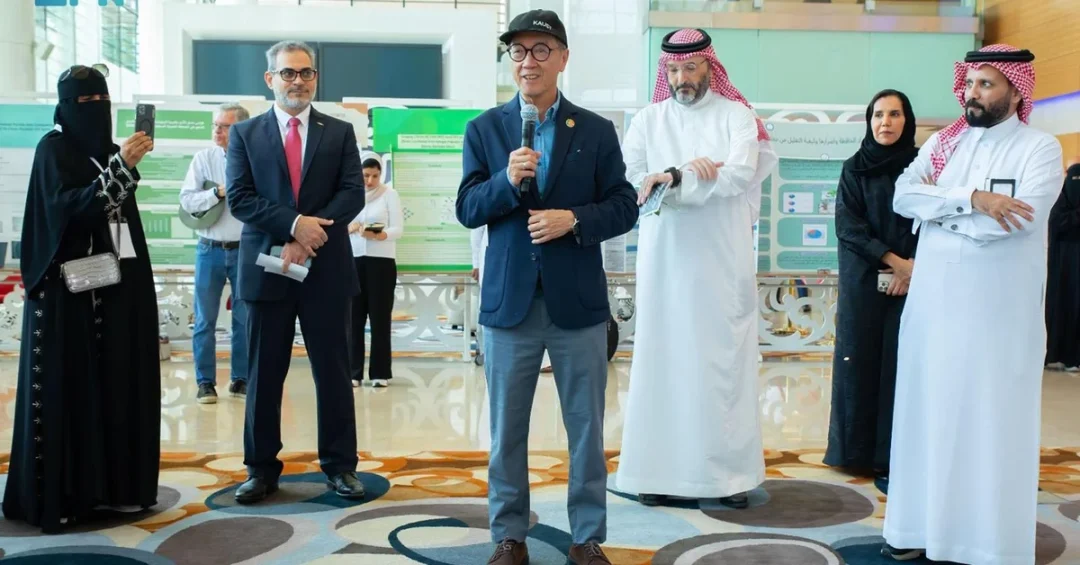
King Abdullah University of Science and Technology (KAUST) launched the Green Schools Initiative on May 13, 2024, to raise environmental awareness in Thuwal schools. The initiative, announced via the Saudi Press Agency, aims to educate students about environmental preservation and correct practices, focusing on reducing and recycling plastic and paper waste.
Context and Background
The Green Schools Initiative is part of KAUST’s social responsibility programs. It was launched in collaboration with the Ministry of Environment, the Ministry of Education’s Jeddah Education Department, the Saudi Investment Recycling Company (SIRC), Averda, Saudi Dow, and Napco. This partnership leverages the expertise of governmental and private entities to promote environmental sustainability in the coastal village of Thuwal, located near Jeddah.
Key Details
KAUST Social Responsibility Leader Eng. Abdullah Zubair emphasized that the initiative is aligned with Saudi Arabia’s leadership ambitions for environmental sustainability as outlined in Saudi Vision 2030. The program will teach students new skills in environmental stewardship, including proper waste segregation and recycling practices. The initiative aims to consolidate efforts among relevant bodies to raise environmental awareness and adopt sustainable approaches in schools.
Implications and Impact
The Green Schools Initiative is expected to have a positive impact on the local community by fostering a culture of environmental responsibility among young students. It also supports Saudi Arabia’s broader goals of reducing waste and promoting sustainability, contributing to the Kingdom’s efforts to achieve its environmental targets under Vision 2030. The collaboration with international companies like Saudi Dow and Averda highlights the importance of public-private partnerships in advancing sustainability.
Vision 2030 Alignment
This initiative aligns with Saudi Vision 2030’s environmental sustainability goals, which include improving waste management and raising environmental awareness. By engaging schools in Thuwal, KAUST is helping to build a generation that values environmental preservation, a key pillar of the Kingdom’s long-term transformation. Such programs are essential for achieving the Vision’s ambition to create a vibrant society with a healthy environment.
20 Questions
Q1. What is the Green Schools Initiative?
A1. The Green Schools Initiative is a program launched by KAUST to raise environmental awareness in Thuwal schools, focusing on recycling and reducing plastic and paper waste. It aims to educate students and promote sustainable practices.
Q2. Who launched the initiative?
A2. King Abdullah University of Science and Technology (KAUST) launched the initiative in collaboration with several partners, including the Ministry of Environment, the Ministry of Education’s Jeddah Education Department, and other organizations.
Q3. When was the initiative launched?
A3. The initiative was launched on May 13, 2024, as reported by the Saudi Press Agency on May 14, 2024.
Q4. Where is Thuwal located?
A4. Thuwal is a coastal village in the Jeddah region of Saudi Arabia, located along the Red Sea coast.
Q5. What is the main goal of the initiative?
A5. The main goal is to raise environmental awareness among school students, teach them correct practices to preserve the environment, and focus on reducing and recycling plastic and paper waste.
Q6. Which organizations collaborated on this initiative?
A6. The initiative is a collaboration between KAUST, the Ministry of Environment, the Ministry of Education’s Jeddah Education Department, SIRC, Averda, Saudi Dow, and Napco.
Q7. How does the initiative align with Vision 2030?
A7. The initiative supports Vision 2030’s environmental sustainability goals by promoting environmental awareness and sustainable practices among the youth, contributing to a healthier and more sustainable environment in Saudi Arabia.
Q8. What is KAUST’s role in the initiative?
A8. KAUST leads the initiative as part of its social responsibility programs, providing leadership and coordination to ensure the program’s success in Thuwal schools.
Q9. What is the role of the Ministry of Environment?
A9. The Ministry of Environment collaborates to provide expertise and support in environmental best practices, helping to shape the initiative’s content and activities.
Q10. What is the role of the Ministry of Education’s Jeddah Education Department?
A10. The Jeddah Education Department facilitates the implementation of the initiative in Thuwal schools, coordinating with schools and teachers to integrate the program into the educational system.
Q11. What is the Saudi Investment Recycling Company (SIRC)?
A11. SIRC is a Saudi company focused on waste management and recycling, playing a key role in the initiative by providing resources and knowledge on recycling processes.
Q12. What is Averda’s contribution?
A12. Averda, an environmental solutions company, contributes to the initiative with its expertise in waste management and sustainability practices, supporting educational activities and infrastructure.
Q13. How does Saudi Dow participate?
A13. Saudi Dow, a chemical company, partners in the initiative to offer insights into plastic recycling and waste reduction, as well as supporting educational materials and activities.
Q14. What is Napco’s role?
A14. Napco, a paper manufacturing company, collaborates to provide knowledge on paper recycling and sustainable paper use, supporting the initiative’s focus on paper waste reduction.
Q15. What is the significance of the initiative’s focus on plastic and paper waste?
A15. Plastic and paper waste are significant environmental challenges in Saudi Arabia. Focusing on these materials helps reduce landfill impact and promotes recycling habits among students, leading to broader societal benefits.
Q16. What skills will students learn through the initiative?
A16. Students will learn skills related to environmental stewardship, including proper waste sorting, recycling techniques, and understanding the importance of conservation, as well as practical skills to apply in their daily lives.
Q17. How will the initiative be implemented in schools?
A17. The initiative will be implemented through educational programs, workshops, and hands-on activities in Thuwal schools, likely involving teachers and environmental experts.
Q18. What are the expected outcomes of the initiative?
A18. Expected outcomes include increased environmental awareness among students, reduced waste in participating schools, and the development of sustainable habits that can extend to the wider community.
Q19. How does this initiative benefit the local community?
A19. The initiative benefits the community by educating the younger generation, who can influence their families and peers, leading to a more environmentally conscious community and contributing to the cleanliness and sustainability of Thuwal.
Q20. What is the future of the Green Schools Initiative?
A20. The initiative is expected to expand as part of KAUST’s social responsibility efforts, potentially reaching more schools and regions, and continuing to support Saudi Arabia’s environmental goals.
Reader Feedback
We value your thoughts. Please share your feedback on this article.
Your feedback helps us improve our coverage.